Fungicel was a pivotal biomaterial in Polybion's journey. What is the significance of this material, and how did it shape the direction of your company?
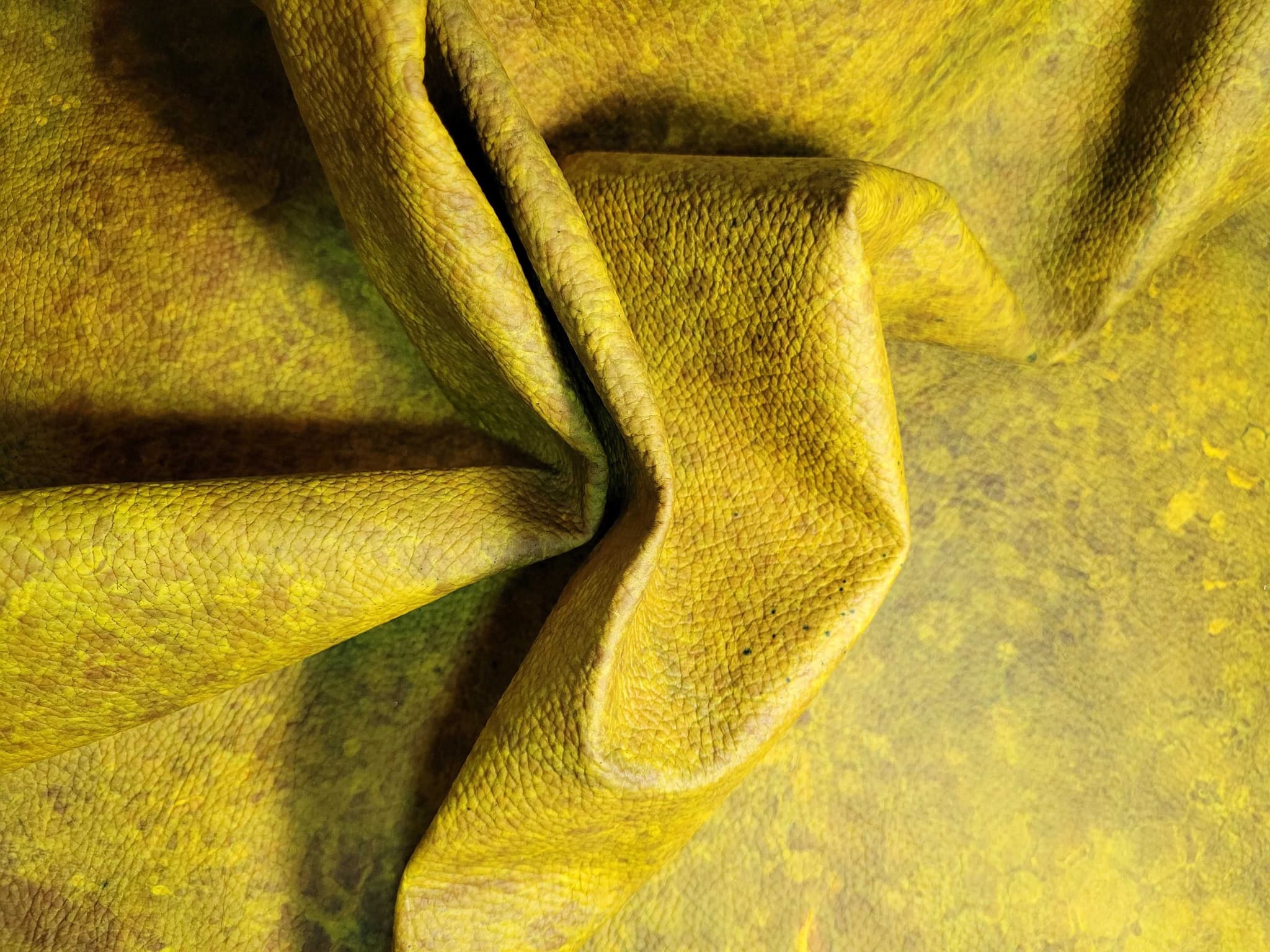
Fungicel played a crucial role in Polybion's evolution, serving as a catalyst in the realm of biomaterials. It provided valuable insights into key processes both within and outside the laboratory, helping us navigate an unfamiliar industry. As our team expanded, Fungicel served as a solid product foundation, allowing us to grow while maintaining a focus on innovation.
What were some of the most challenging moments you faced during the development of Fungicel?
The most challenging aspect was the lack of human and financial capital. Building Fungi Lab involved physical labor by our early team, including Hugo, our first collaborator, along with co-founders Axel and Alexis. The endeavor demanded hard work unrelated to biomaterials, coupled with the continuous pursuit of government grants to sustain our startup.
Polybion™ won the 1st-place award in Latin America’s Mass Challenge Acceleration Program and later became Blue Horizon's first investment in next-gen materials. How has this recognition and investment shaped the company's trajectory?
Winning the Mass Challenge was pivotal, as it caught the attention of Blue Horizon. Securing significant funding shifted our focus from solely pursuing grants to dedicated efforts on our project, specifically Celium.
With this backing, our goals evolved from securing project funding to constructing the world's first biomanufacturing plant for cellulose bacterial growth from fruit waste, a transition made possible by Blue Horizon's trust in our vision.
With the establishment of FOAK I, what impact do you foresee on the scalability and accessibility of Celium™ as a sustainable leather alternative?
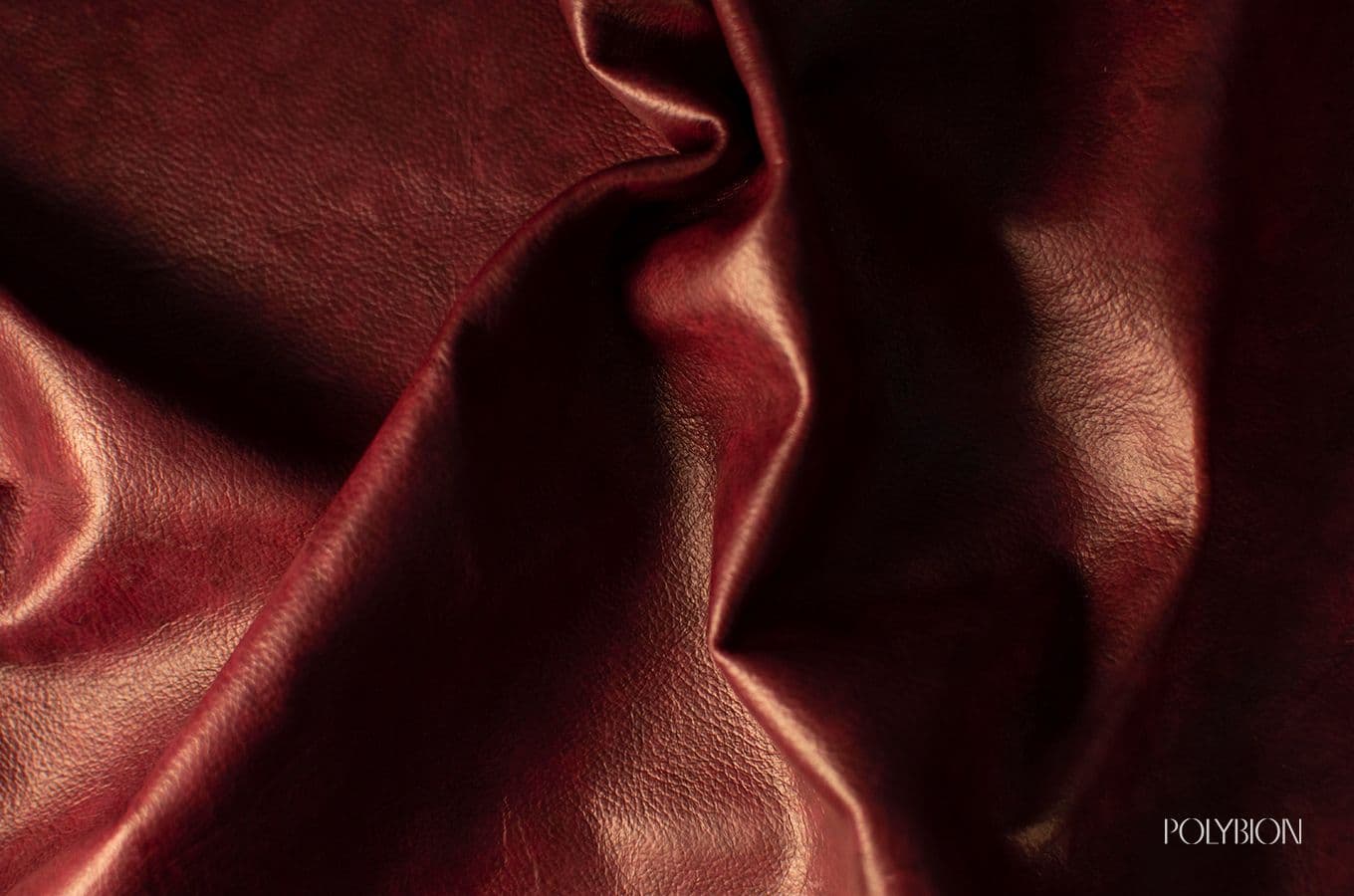
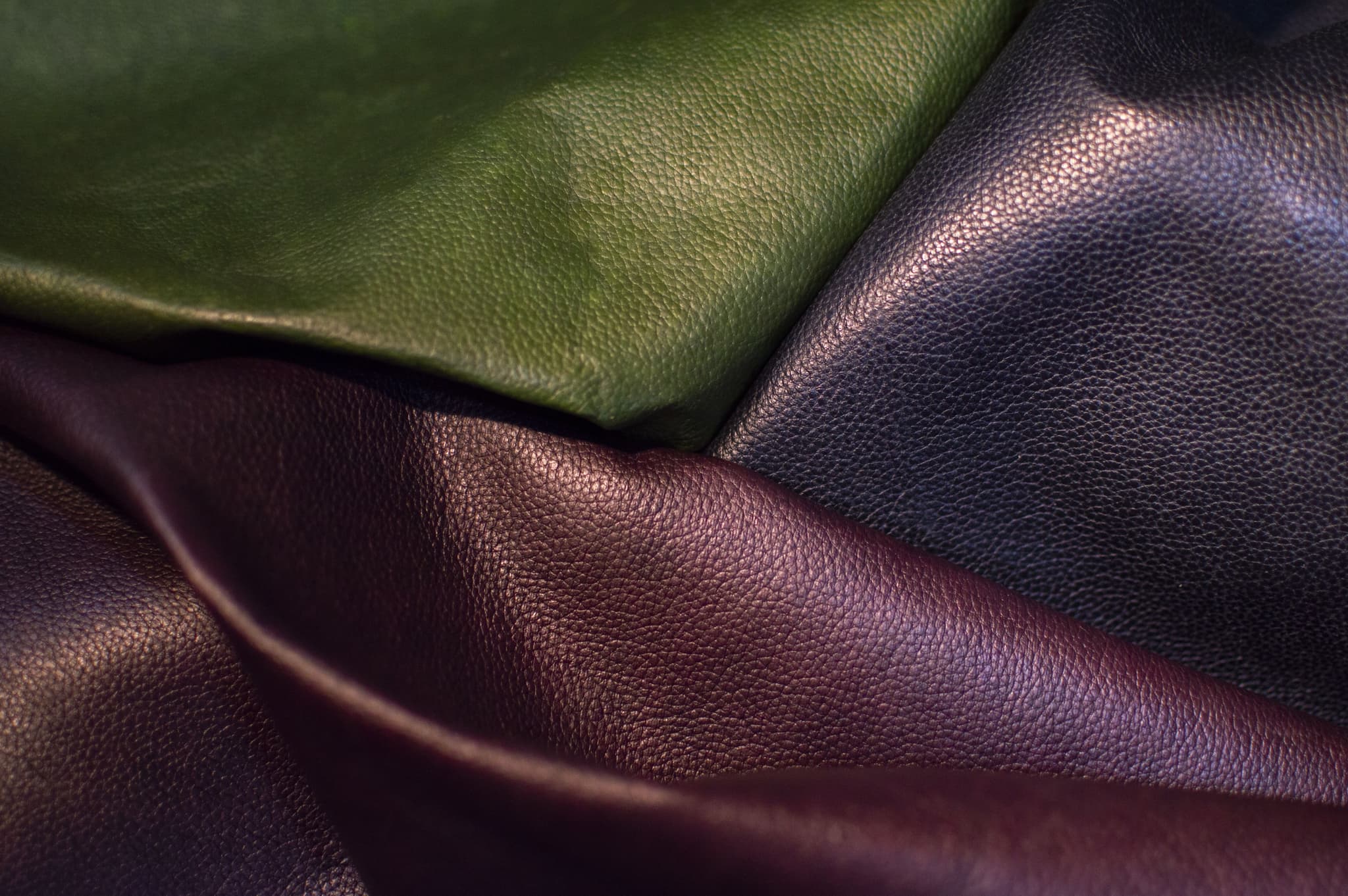
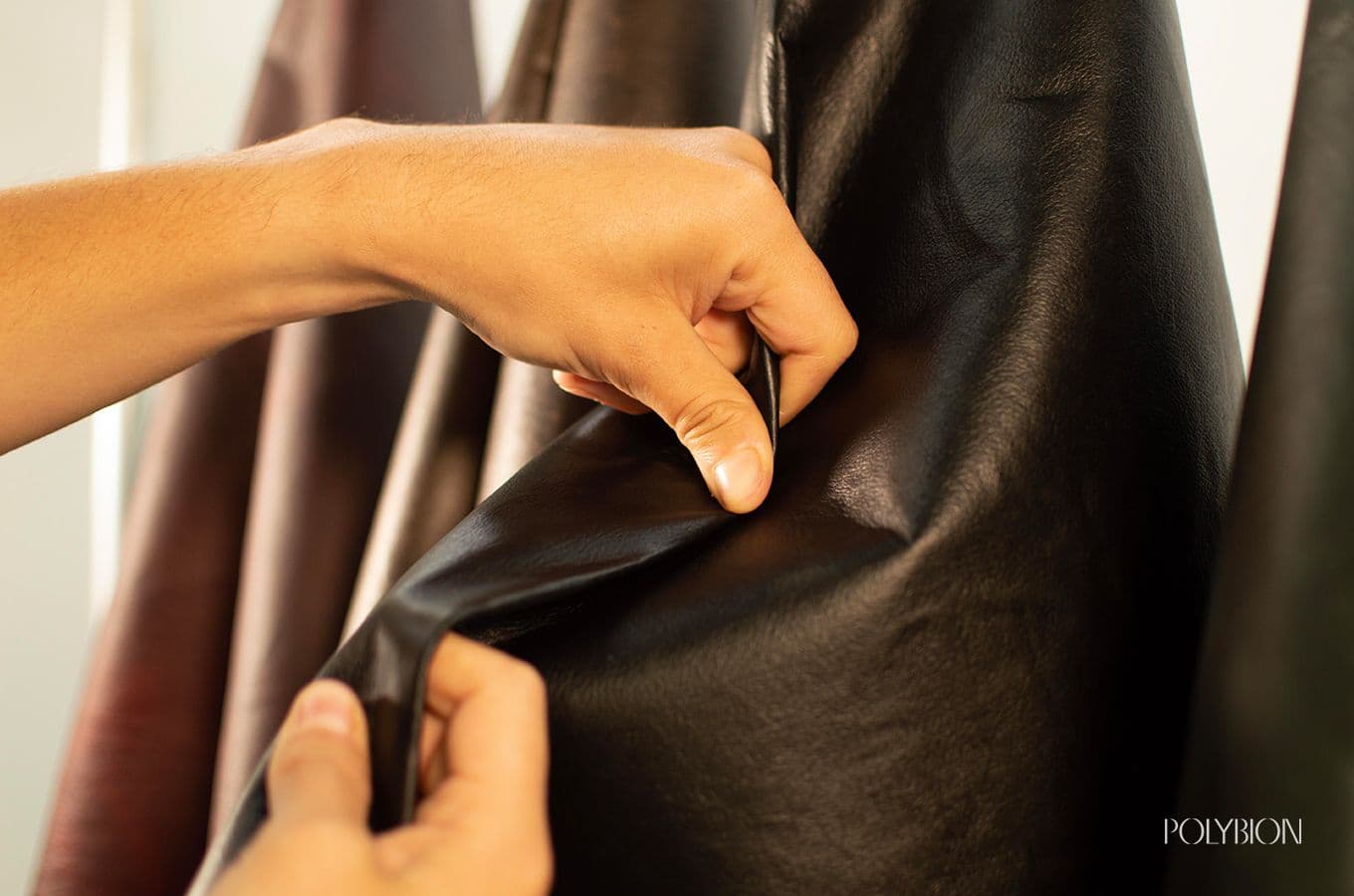
We aim to scale production to at least 1.1 million square feet annually. This not only speaks to scalability but also accessibility, as increased Celium production allows us to effectively replace traditional and PU leather.
Scalability is crucial for accessibility; the more we produce, the better positioned we are to meet demand, fostering a transition to a more environmentally sustainable reality.
Can you elaborate on the circular production model for Celium™?
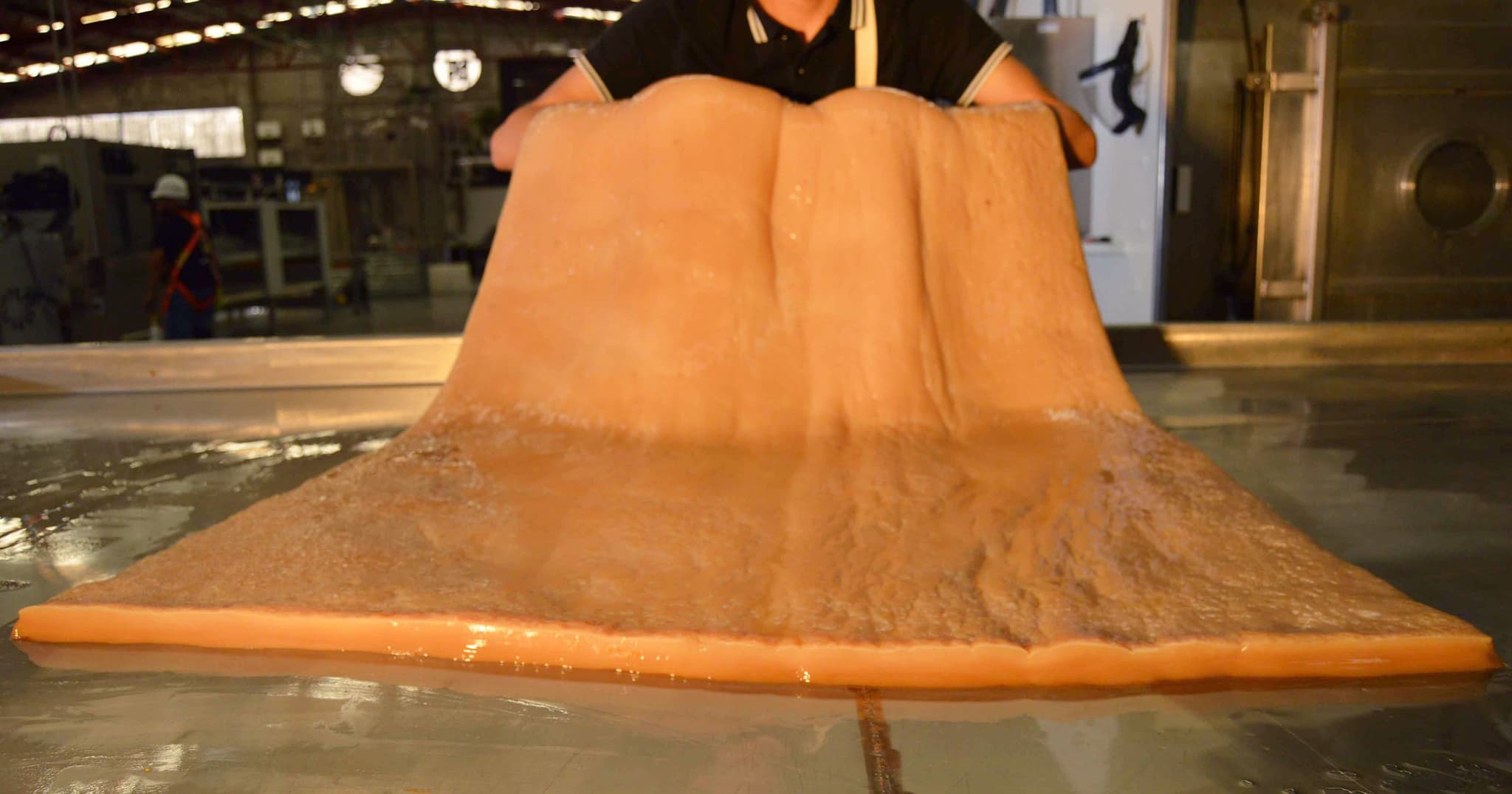
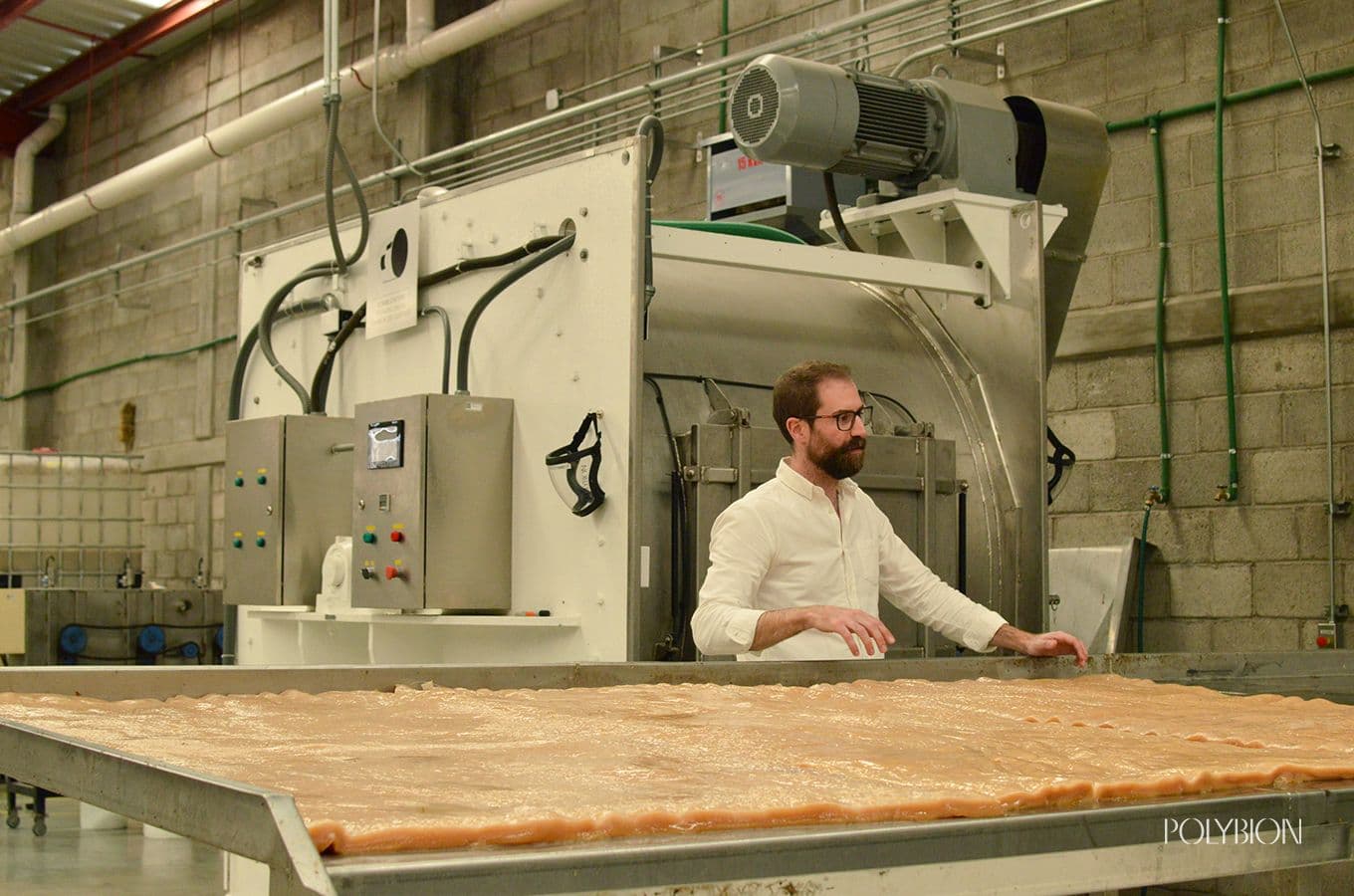
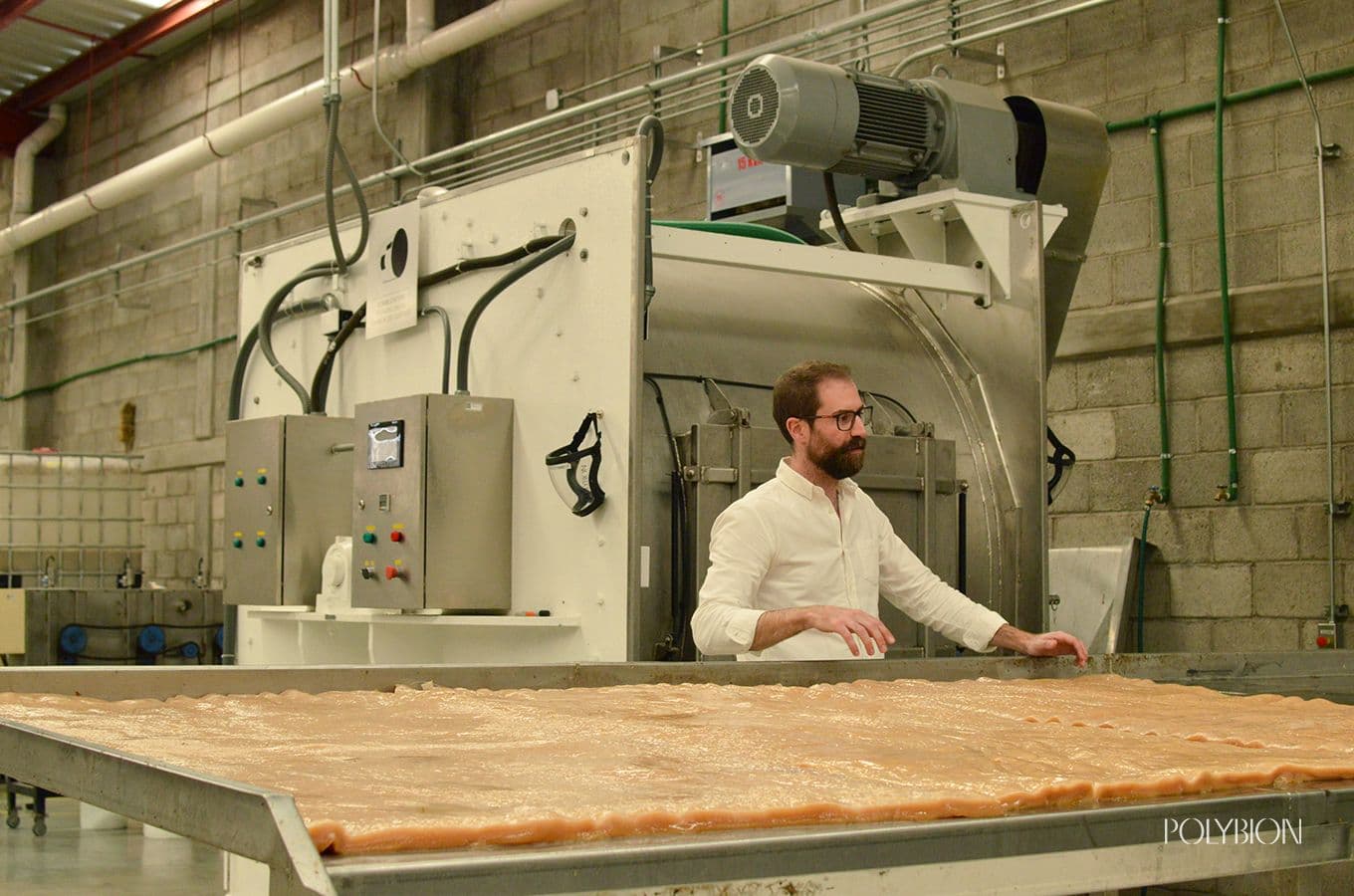
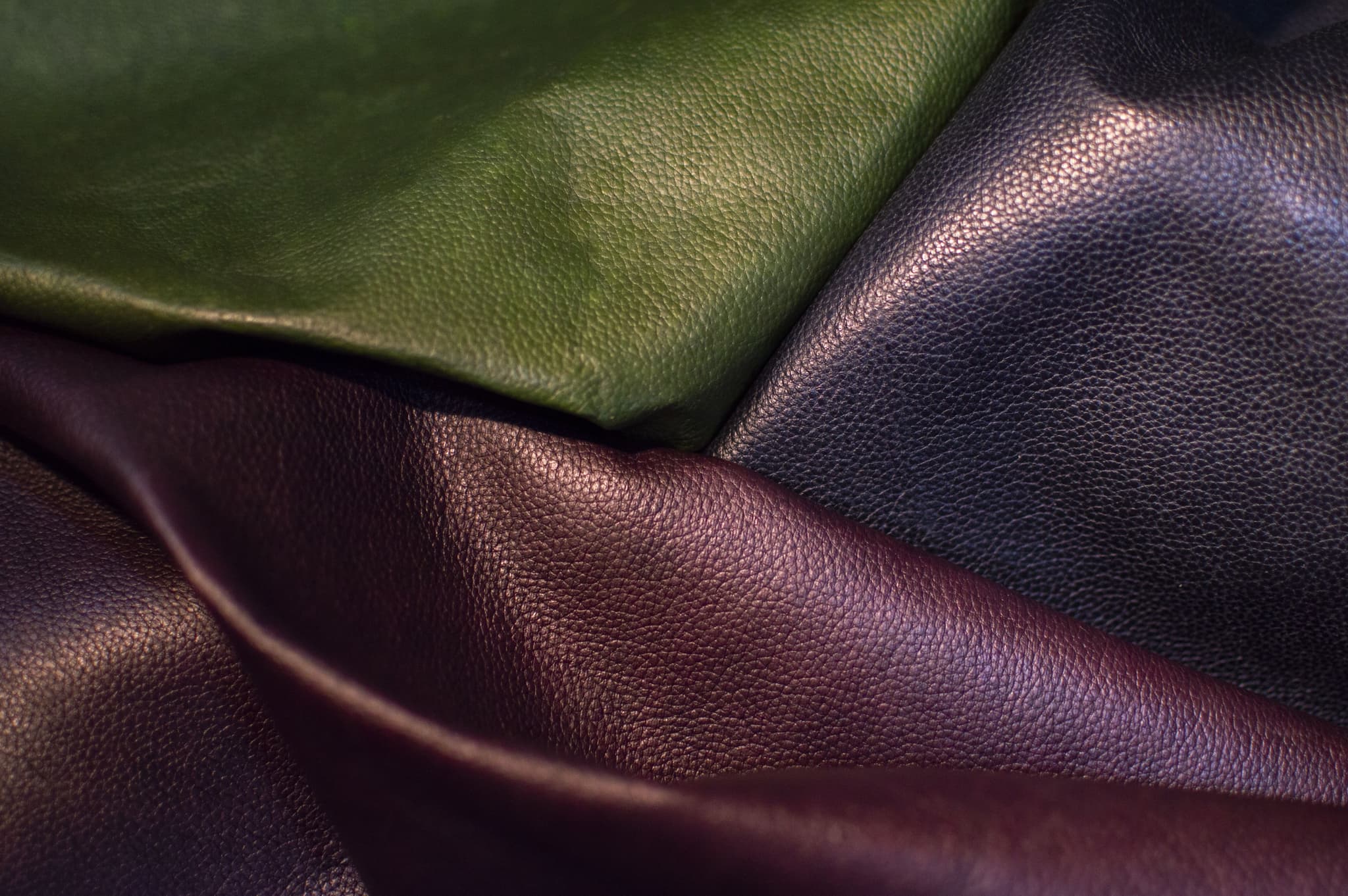
Celium grows by feeding bacteria with agroindustrial fruit waste in a controlled industrial environment. The assembled membrane undergoes a sustainable stabilization process, a delicate procedure developed over the years.
With no hazardous chemical discharges and minimal biomass output between growth cycles, Celium represents a truly circular process. Redirecting fruit waste into Celium not only traps carbon during its garment lifecycle but also offsets carbon released during composting. Abundant fruit waste in Mexico alone can sustain exponential growth, presenting a viable model for other regions.
How can the broader industry embrace and integrate bio-fabricated materials into mainstream fashion, and what steps are crucial for widespread adoption?
Collaboration is key for the fashion industry to integrate bio-fabricated materials sustainably. Designers, manufacturers, retailers, and consumers all play crucial roles. Understanding these materials, investing in R&D, educating consumers, and driving demand for sustainable brands are essential steps. Cross-disciplinary partnerships, consumer education campaigns, and sustainability certifications are crucial strategies.
The industry's commitment to sustainability, including ambitious goals and supply chain investment, is vital. Through collective efforts, bio-fabricated materials can be embraced, contributing to a more sustainable and stylish future.
What are some of the most exciting developments or innovations in sustainable materials that could revolutionize the fashion industry in the next decade?
The most thrilling developments in sustainable materials are those that use biology as a core driver of the design, manufacture, and production of consumer goods. Harnessing the power of synthetic biology, we can now envision and grow materials that were once beyond our imagination. The incorporation of genetic editing technologies allows for the creation of unprecedented materials. These advancements not only redefine the boundaries of material science but also align perfectly with sustainable practices. By leveraging biology as our primary toolkit, we're not just creating eco-friendly alternatives; we're engineering a new paradigm in material innovation.
This approach promises to revolutionize the fashion industry, leading to a future where sustainability is seamlessly integrated with advanced biotechnological processes.