Designer Maurizio Prina on how materials become instruments, from tactile icons to ephemeral atmospheres.
Both Gatt-One and The Art of Light engage viewers through form and environment. How did the choice of materials differ when designing for an object versus a spatial experience?
Each material carries its own intelligence, its expressive potential, its values. Material choices are never random; they are guided by both functional needs and emotional intent.
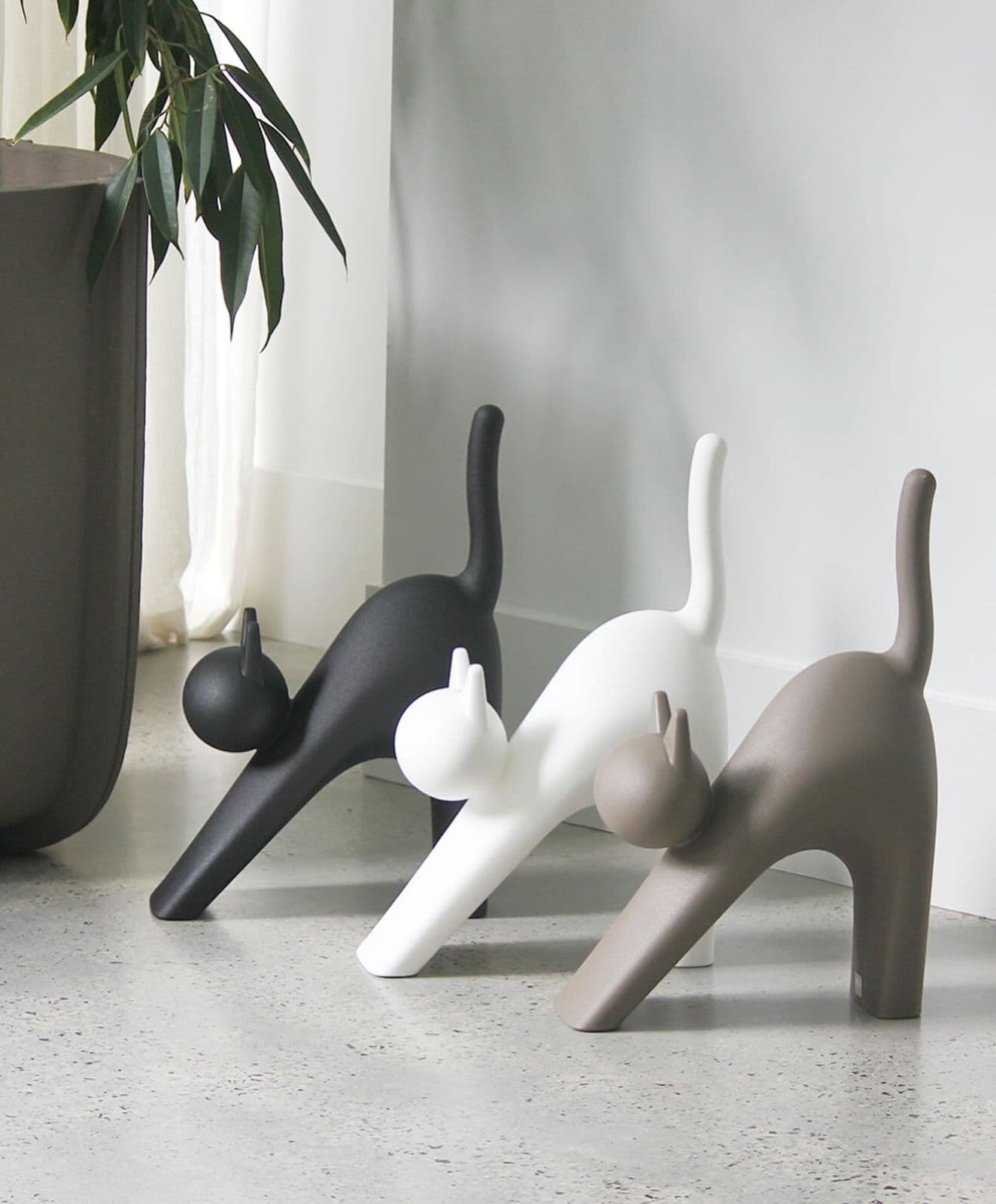
For Gatt-One, I sought something tactile, solid, and durable, a material that could hold both weight and form with clarity. Rotational-moulded polyethylene allowed sculptural precision while remaining industrially reproducible, an object with iconic simplicity. As Vico Magistretti said, “Design is done by two: the designer and the company, like in love.”
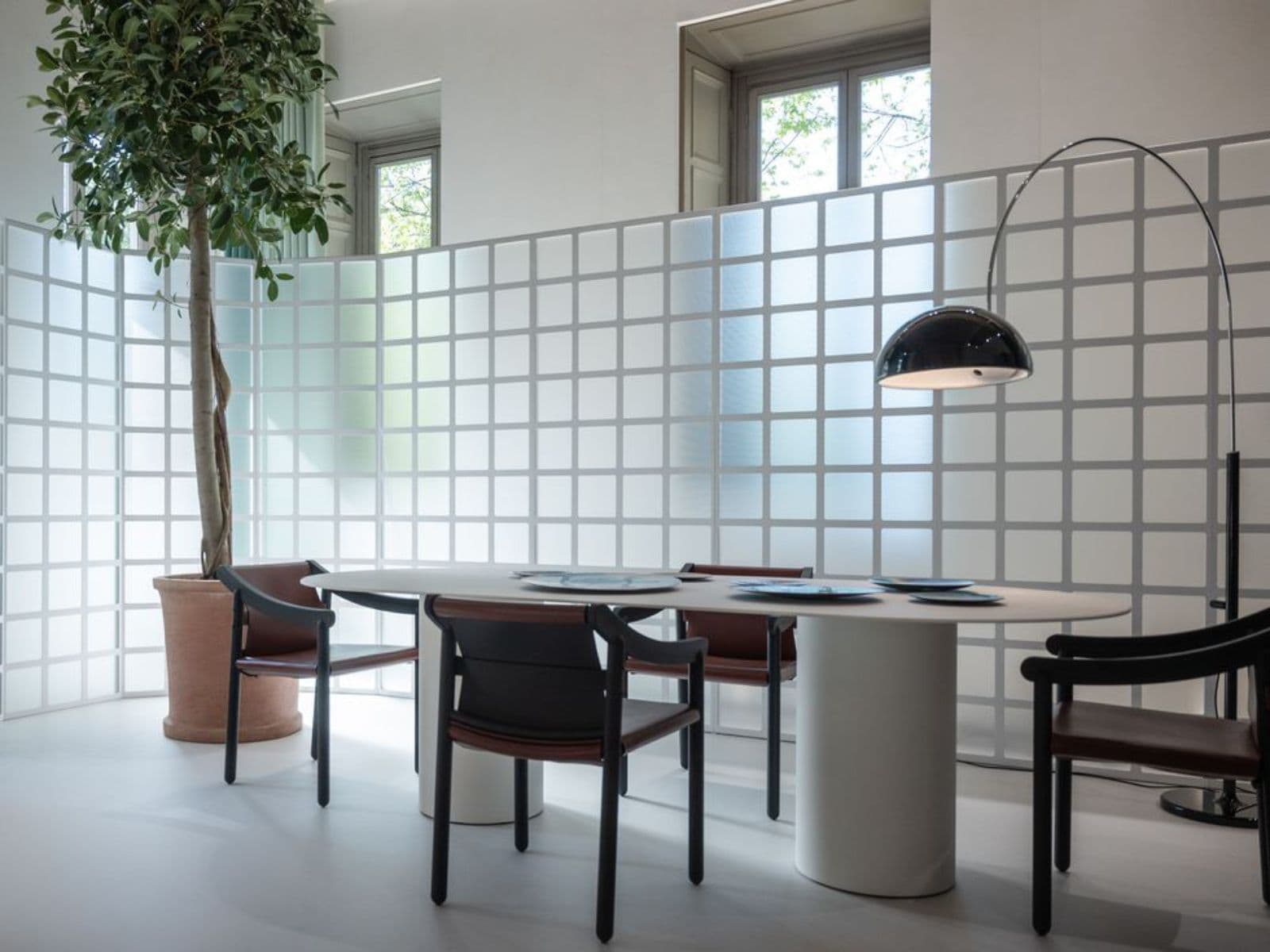
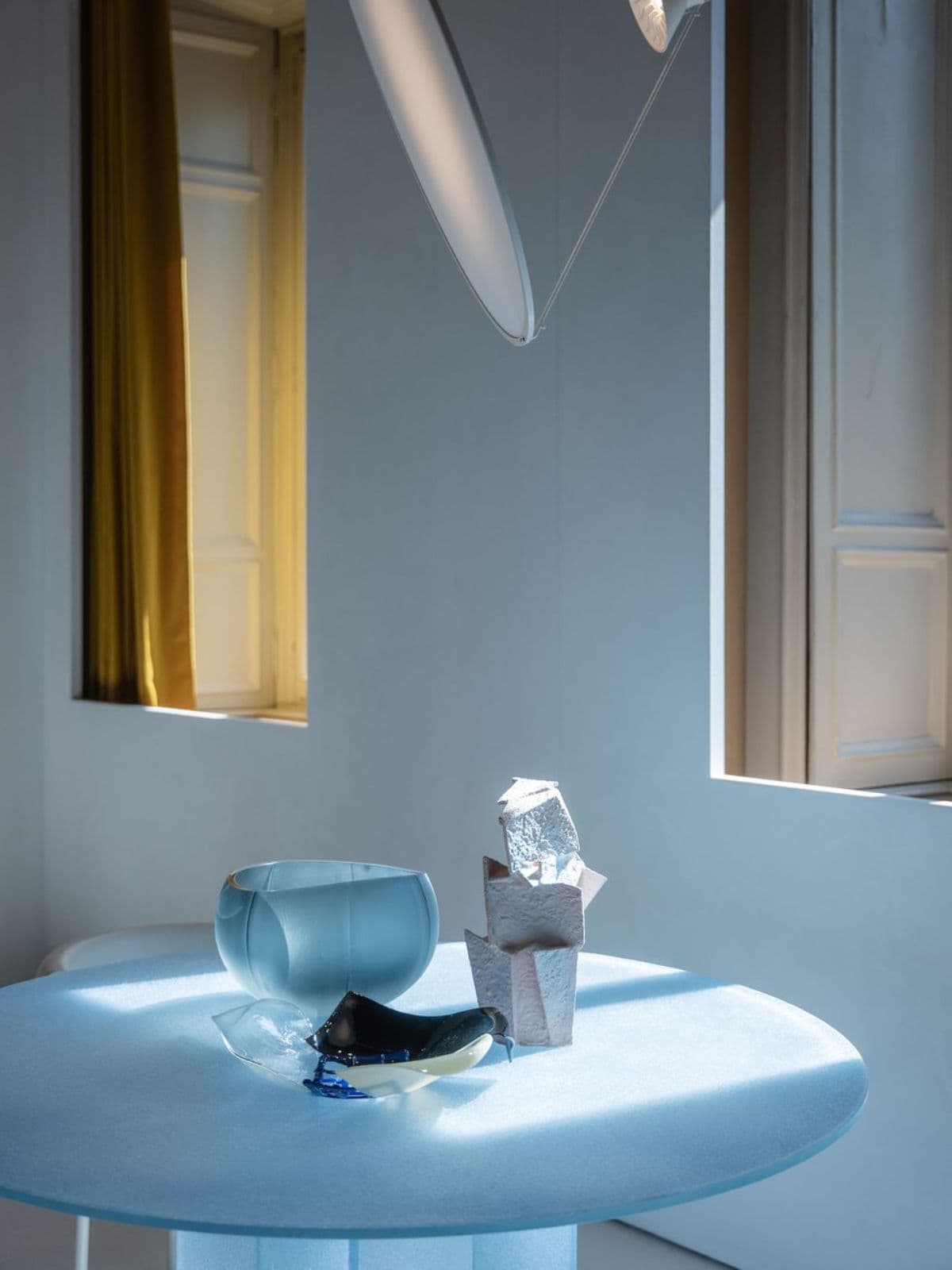
By contrast, The Art of Light was about atmosphere rather than objecthood. Materials were chosen not for endurance but for their dialogue with light: reflectivity, translucency, texture, to create a space that reacts and breathes with the viewer.
In creating Gatt-One for Serralunga, what properties of the polymer made it suitable for outdoor durability without compromising sculptural finesse?
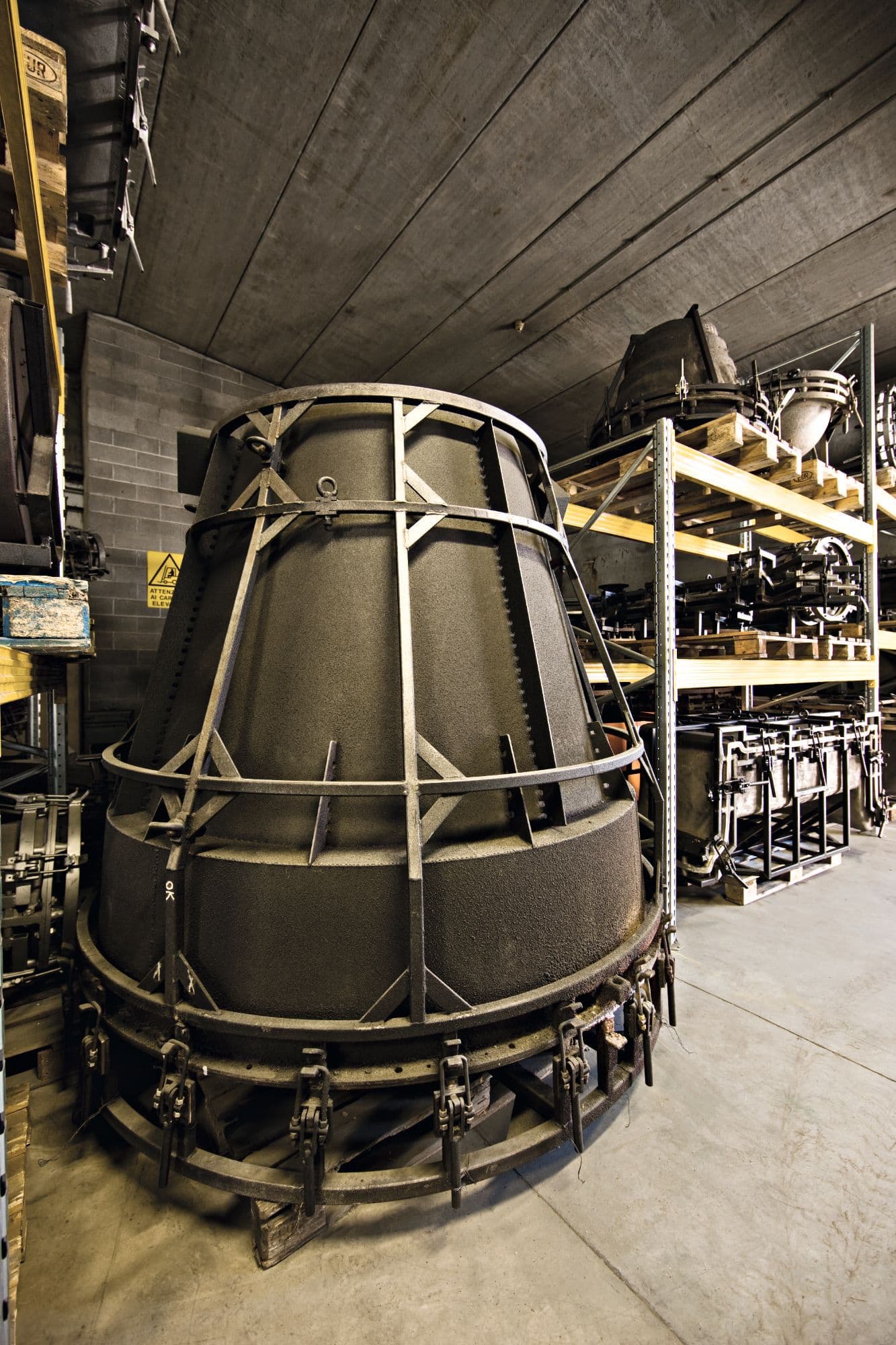
Serralunga, a pioneer in rotational-moulded polyethylene, provided the technical foundation. The polymer’s UV and weather resistance made it ideal for outdoor use, while its flexibility preserved sculptural definition.
Crucially, Serralunga’s patented Moleskine surface finish introduced a soft tactility, almost empathetic, transforming industrial plastic into something domestic and intimate. The result balances durability and expressiveness, proving endurance can coexist with emotion.
For The Art of Light, how did you address the interplay between material surfaces and light behaviour?
Logistics in this project were not neutral, they required sensitivity to how light, material, and space cohere. Translucent films, mirrored panels, and soft diffusers were chosen for how they respond to movement and time, not merely reflection or opacity.
It was almost musical composition: materials became instruments, and light the score. Subtle shifts, not spectacle, created tension and calm. Coordination ensured that each material performed its role seamlessly, logistics as choreography.
How did rotational moulding influence geometry, wall thickness, and surface finish in Gatt-One?
Experience with the technique, from the Frozen Collection for Plust, made me aware of its paradox: seamless forms but strict constraints. Designing Gatt-One involved months of iteration between sculptural intention and technical feasibility.
The legs’ fine cross-sections and the delicate undercuts pushed limits while respecting process physics. Serralunga’s Moleskine finish again elevated polyethylene’s tactility, making an industrial material feel handcrafted.
As logistics coordinator for the Elle Decor installation, what material-related challenges emerged?
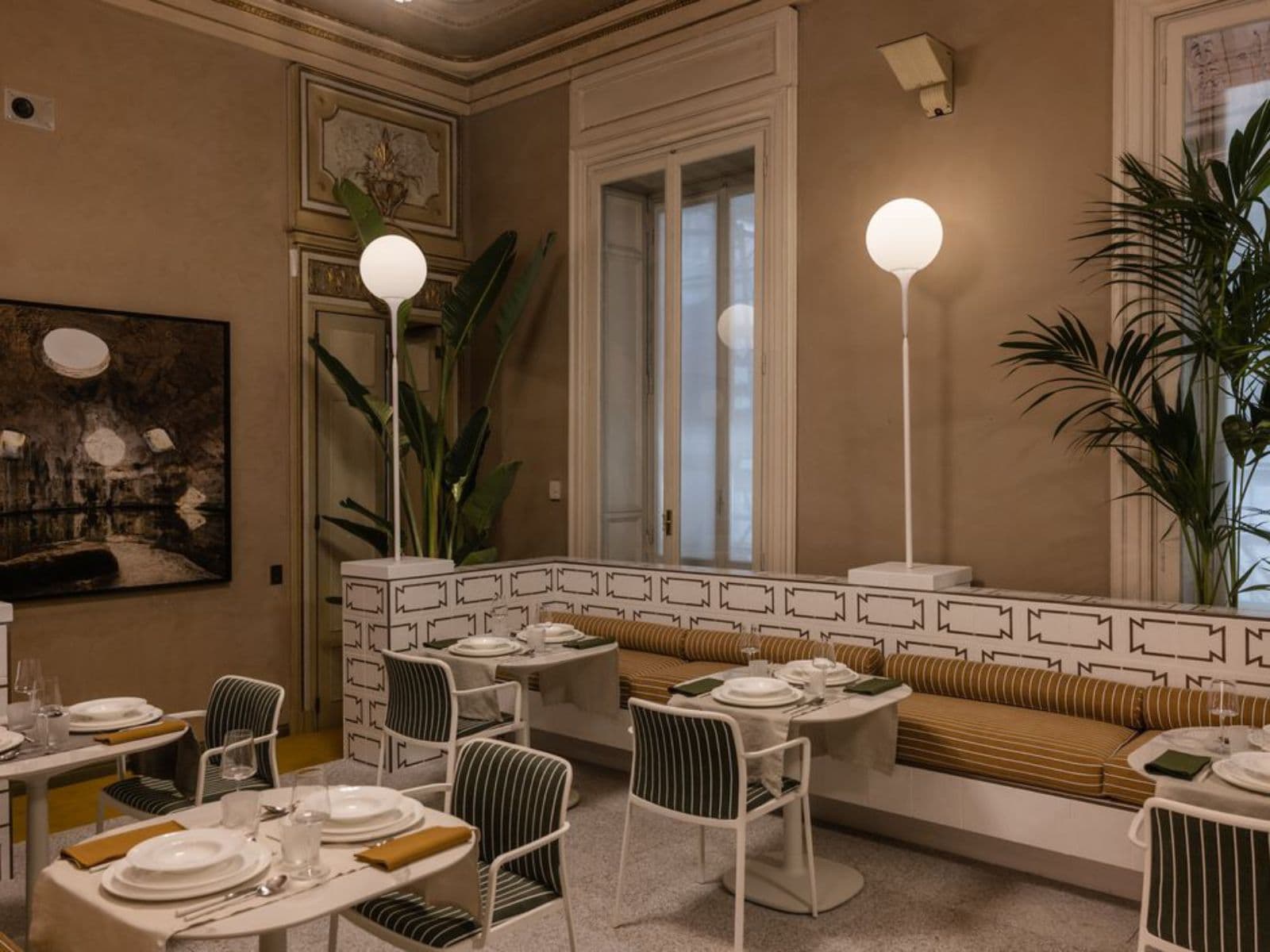
Working within a historic Milanese palazzo meant balancing fragility and precision. One object demanded fifteen people to reposition without damage, a choreography of care.
Tight time windows, delicate flooring, and coordination with conservators tested every decision. The task was as architectural as logistical: preserving each piece’s integrity while maintaining the installation’s visual harmony.
Both projects rely on visual simplicity. How do you evaluate a material’s ability to support expressive minimalism?
Minimalism, to me, is a discipline, not an aesthetic. Our world is overstimulated; we need materials that convey quiet strength and warm presence.
Expressive minimalism depends on tactility and proportion, forms that feel resolved and human. The goal is a “happy simplicity” that supports life gently, whether solid like Gatt-One or ambient like The Art of Light.
Was the pigment for Gatt-One integrated during moulding or applied post-production?
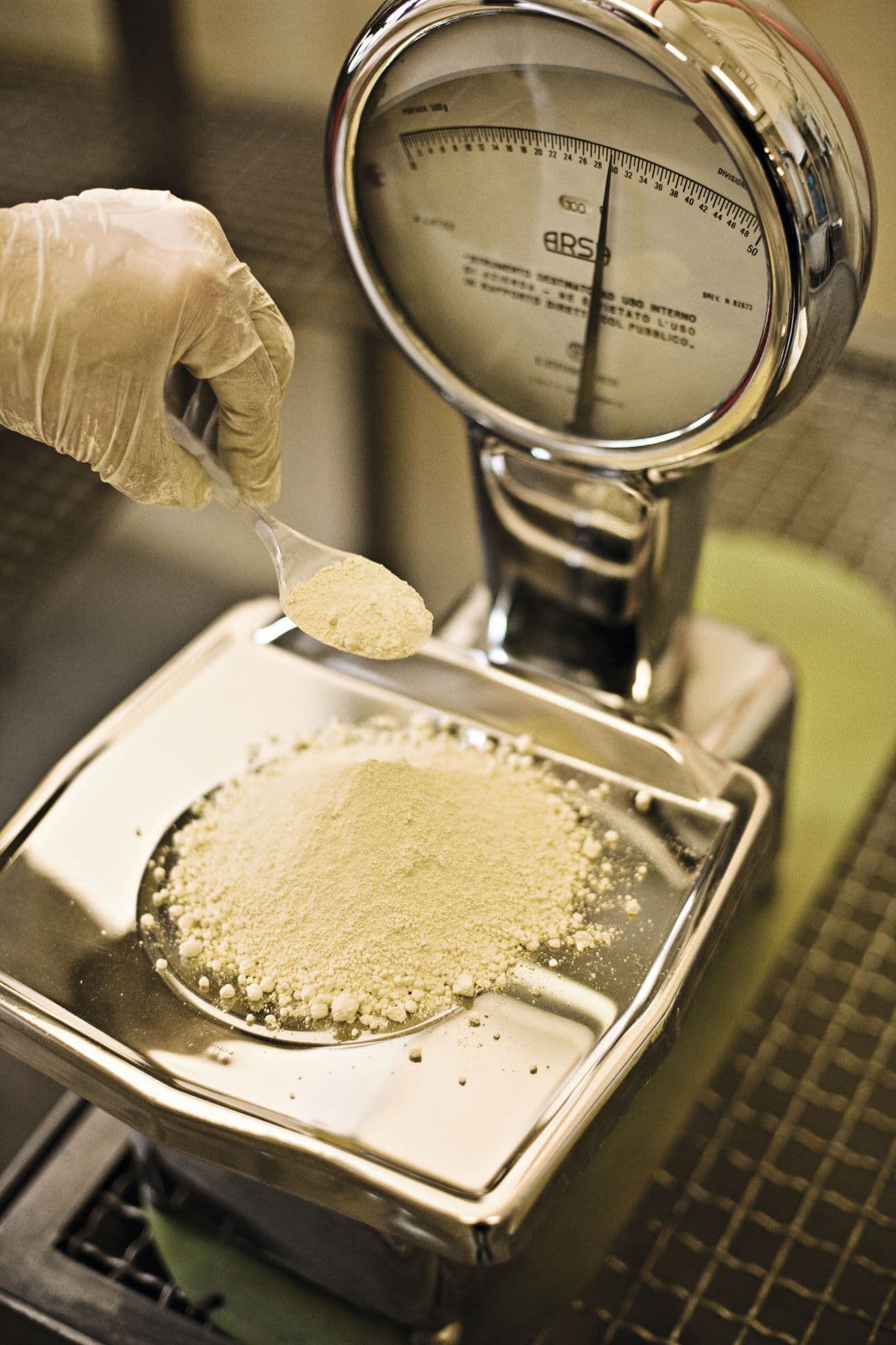
The pigment was integrated in mass, mixed into the thermoplastic powder before moulding. This method ensures colour permanence: even if the surface wears, the tone endures.
It also enhances UV stability, maintaining vibrancy under prolonged sunlight, crucial for outdoor use. The result aligns perfectly with Gatt-One’s intent: durable, tactile, long-lasting.
The exhibition brought together multiple disciplines. How did you ensure the materials worked harmoniously?
Harmony came from listening, to each team’s intentions and to how textures, finishes, and reflectivity interacted.
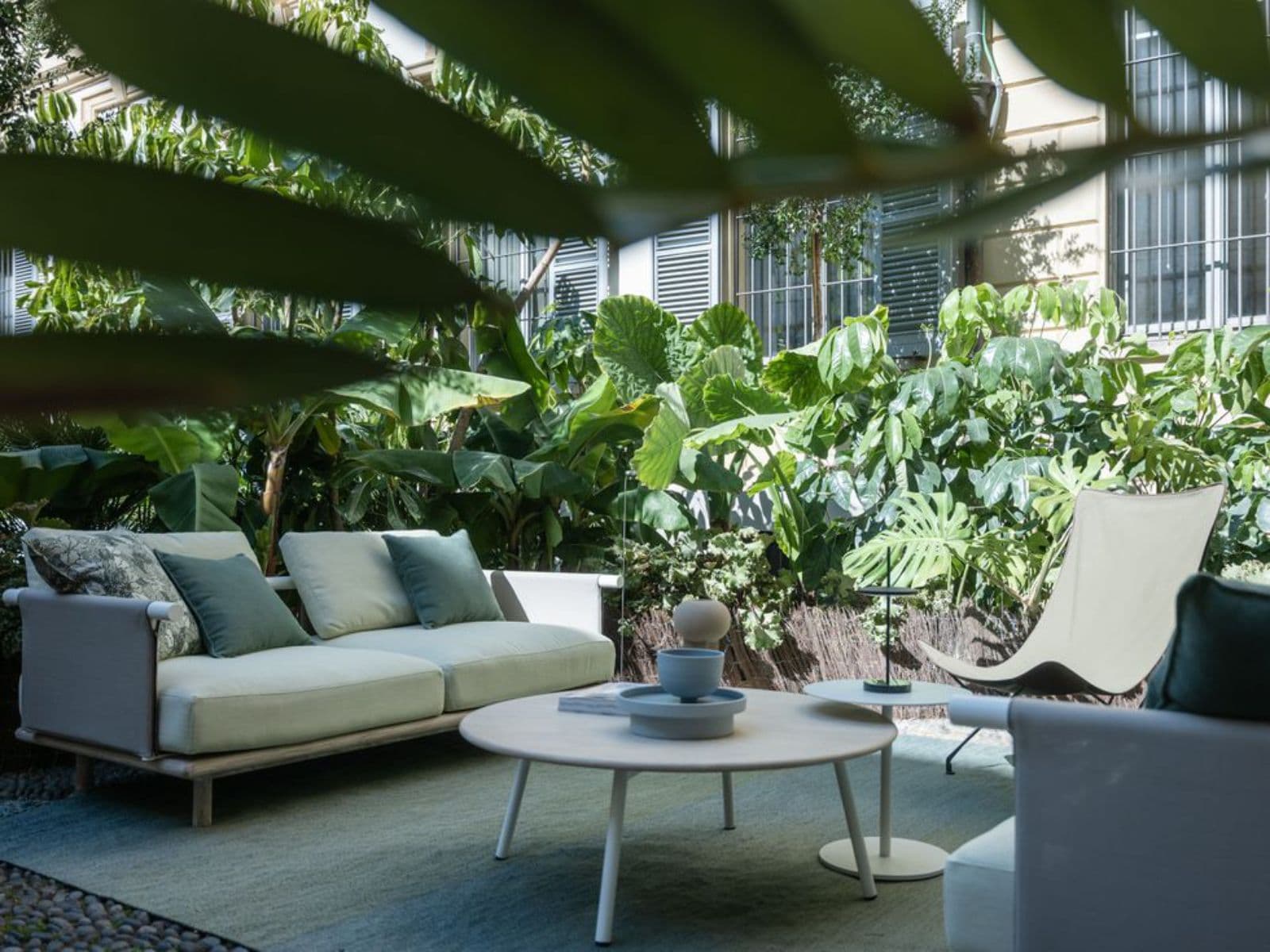
No material stood alone; each contributed to the overall spatial conversation. Coordination turned potential clashes into complementary dialogue, where wood, glass, and light blended into a coherent rhythm.
How do you select materials balancing structural integrity with mobility?
The key is strength without excess weight. Collaboration with manufacturers reveals what’s technically achievable; from there, modularity and simplicity guide construction.
A well-designed piece should travel easily, robust yet agile, maintaining visual coherence and respect for the people handling it.
Were recycled or recyclable materials considered? How do you approach ecological responsibility?
Circularity underpins my philosophy. Gatt-One’s rotational-moulded polyethylene is fully recyclable, and Serralunga’s manufacturing process minimises waste. These are objects built to last, meant to be passed down rather than discarded.
At the Salone del Mobile exhibition, we reused untreated wood for future installations — a quiet act of respect for resources. As the proverb says, “A society grows great when old men plant trees whose shade they’ll never sit in.”
How do you use material tactility and finish to support an emotional narrative?
Tactility is emotion made physical. Texture, temperature, and finish engage the senses, building intimacy between object and user.
In the Slow Lamp project, surfaces recalled mountain landscapes — primitive, evocative, grounding. Material choice becomes language, translating feeling into form.
How has your thinking evolved around material adaptability, from fixed sculpture to multisensory environments?
Working across formats taught me that materials are not static; they shift with light, movement, and time.
In product design, permanence matters; in installations, transformation does. I now see materials as dynamic collaborators, alive in dialogue with context and human perception.