1. What specific compositional properties of different seaweed species (e.g. kelp vs. green seaweed) influence the hue and fastness of your dyes across textile substrates?
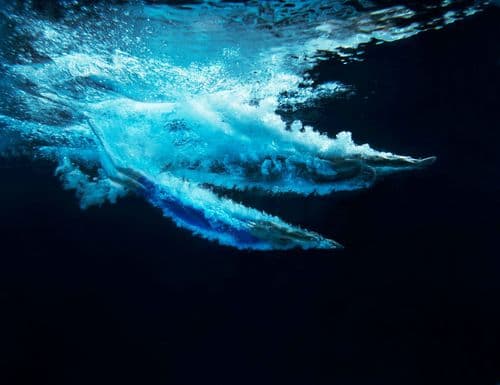
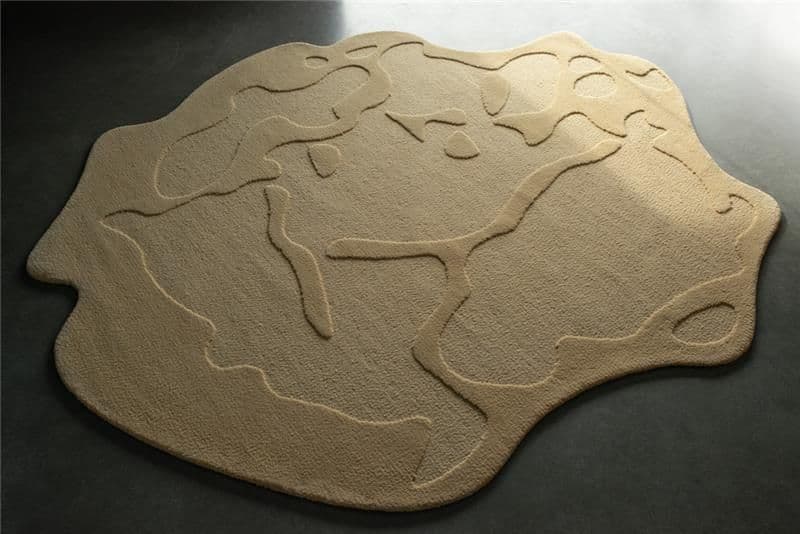
This is our secret recipe! Seaweed exists in three main colour groups—green, brown, and red—and within these, over 10,000 different species have been identified. Each species offers unique pigment compositions and molecular structures, which influence dye hue, intensity, and fastness across textile substrates. This incredible diversity gives us a vast palette to explore and combine in our colour R&D. We're only just scratching the surface of what seaweed can offer.
2. During scale-up, how did you adapt your small-batch extraction method into an "industrial coffee-machine-style" process without compromising pigment stability?
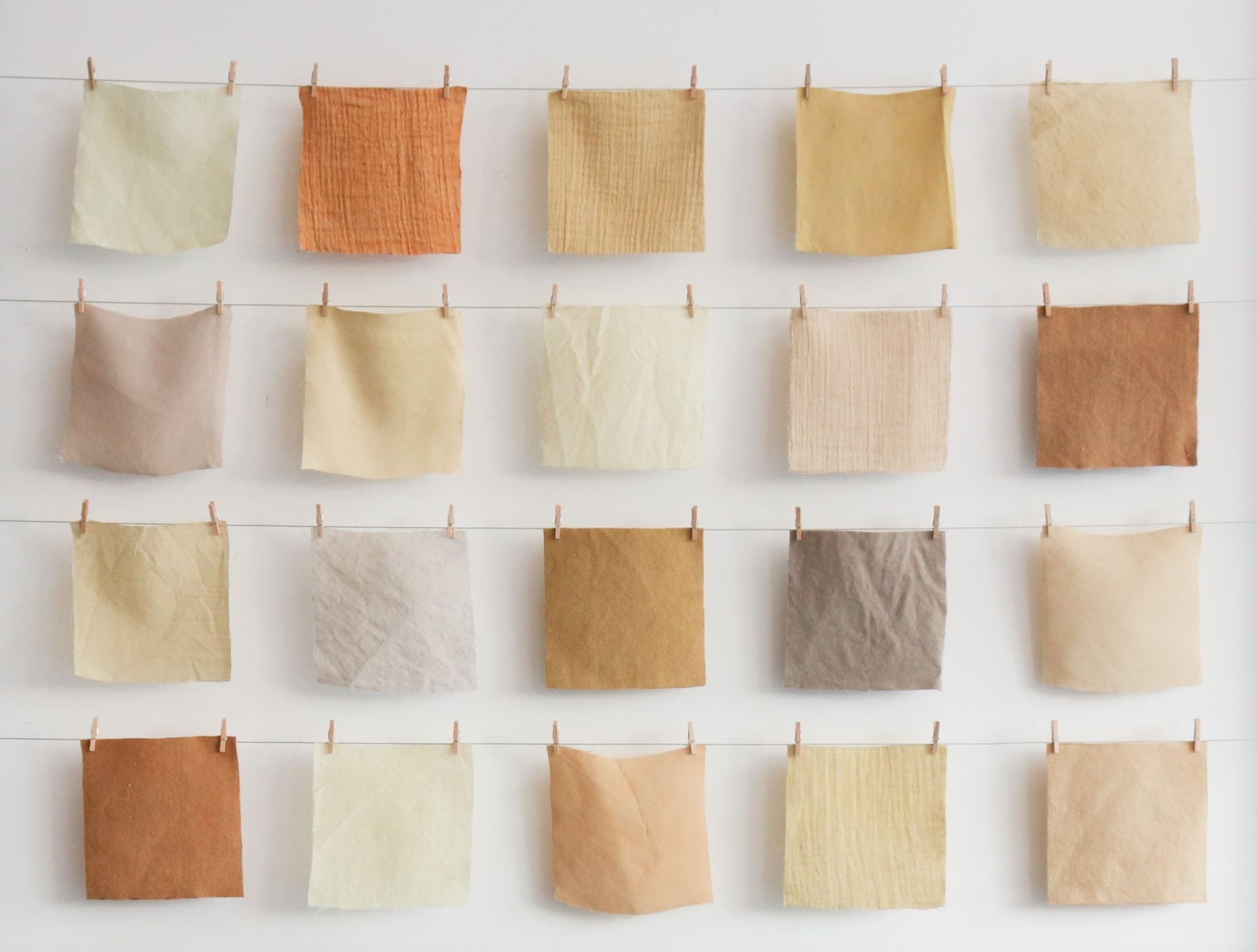
It took us more than 10 years of technology development to optimize this process. Our goal was to ensure both industrial compatibility and pigment stability. We designed a plug-and-play system that seamlessly integrates with existing dyeing machinery, while preserving the delicate bio-based pigments from degradation. Maintaining temperature control, timing precision, and closed-loop extraction were all key to scaling without compromising quality.
3. Can you describe the key technical hurdles in achieving lightfastness and wash resistance comparable to synthetic dyes, and how you overcame them?
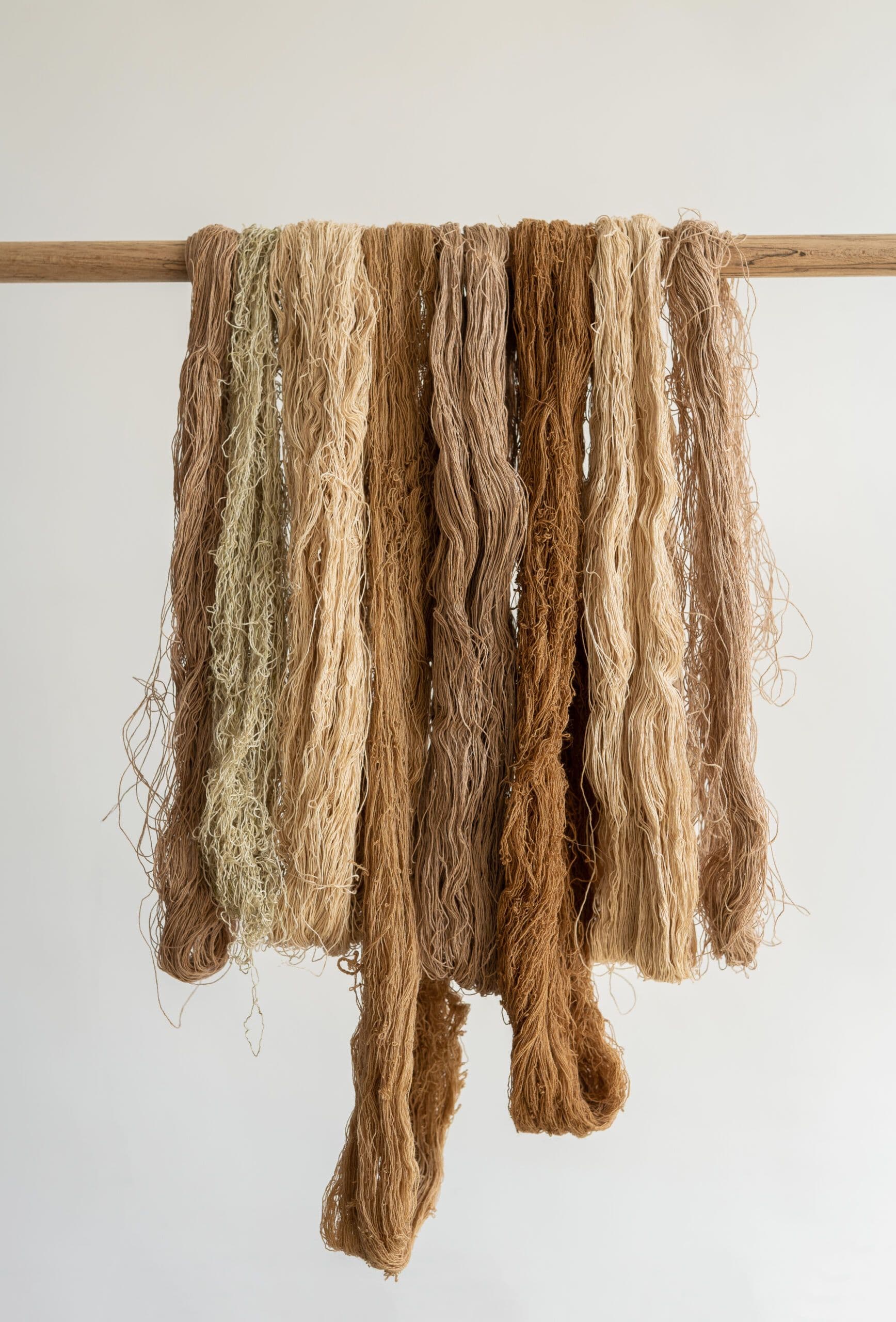
Achieving lightfastness and wash resistance with natural dyes is notoriously difficult. We tackled this by building a team of top scientists and working in close collaboration with dyehouses. Our solution involved rigorous testing protocols, advanced formulation techniques, and relentless perseverance. It was essential to iterate across diverse textile substrates to meet industry expectations without using any synthetic additives.
4. How do you evaluate and maintain batch-to-batch colour consistency when feeding seawater-derived biomass into industrial systems?
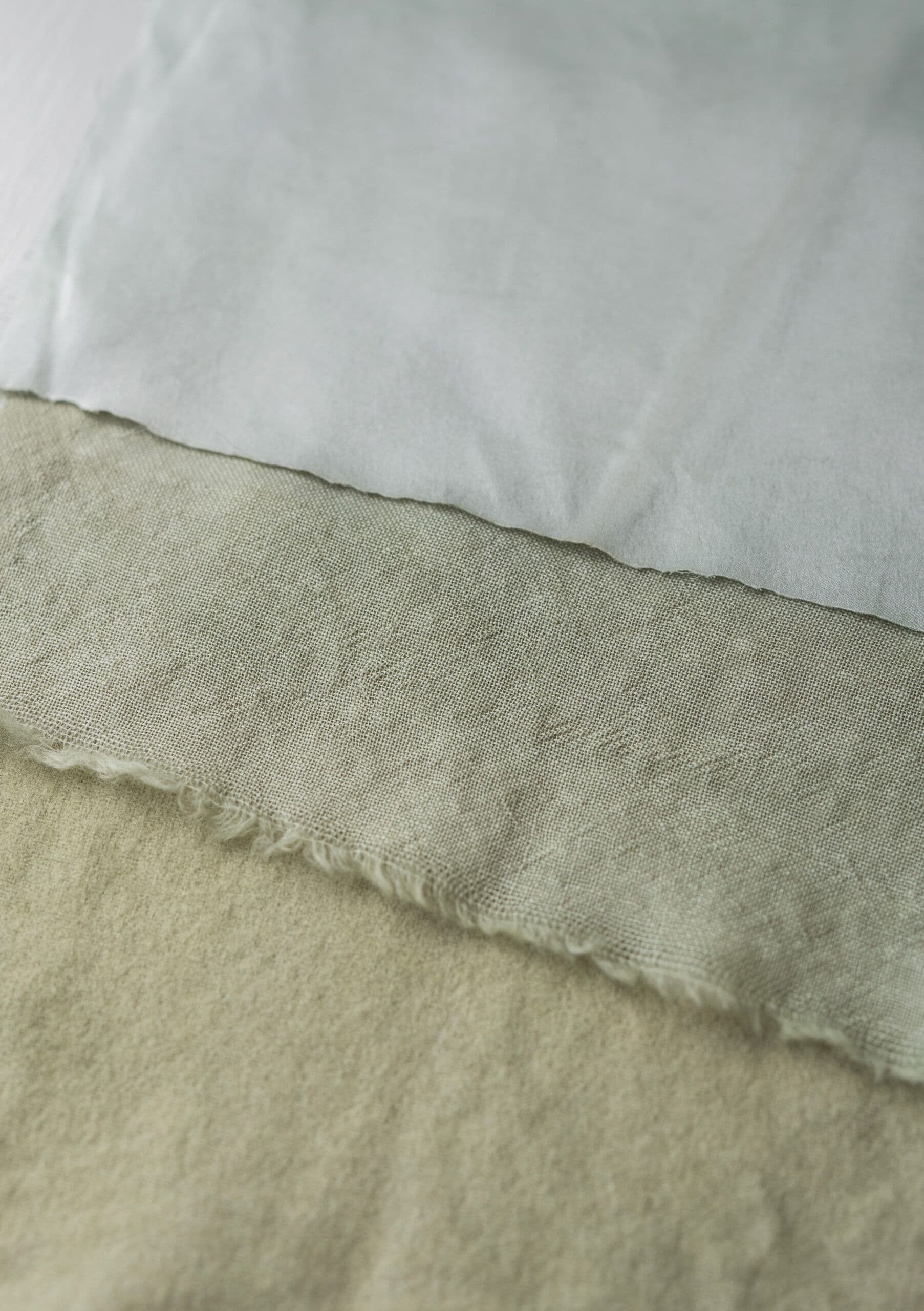
Maintaining colour consistency is a top priority. It reflects our comprehensive R&D as well as the high quality of our feedstock and precision-controlled production process. We implement stringent input checks, monitor bioactive compound levels, and employ real-time adjustments during production to achieve dependable outputs at scale.
5. When integrating Zeefier dyes into existing industrial dyeing lines, what adjustments—if any—were needed regarding pH, temperature, or dwell time?
This depends on several variables, including the textile type and dyeing conditions. All adjustments are made in close collaboration with dyehouses under NDAs, but importantly, no modifications to existing machinery are needed. Our system is designed to be frictionless for industrial adoption.
6. What are the material performance trade-offs (e.g. tensile strength, hand feel, shine) when dyeing silk, wool, cotton or linen with your seaweed dyes?
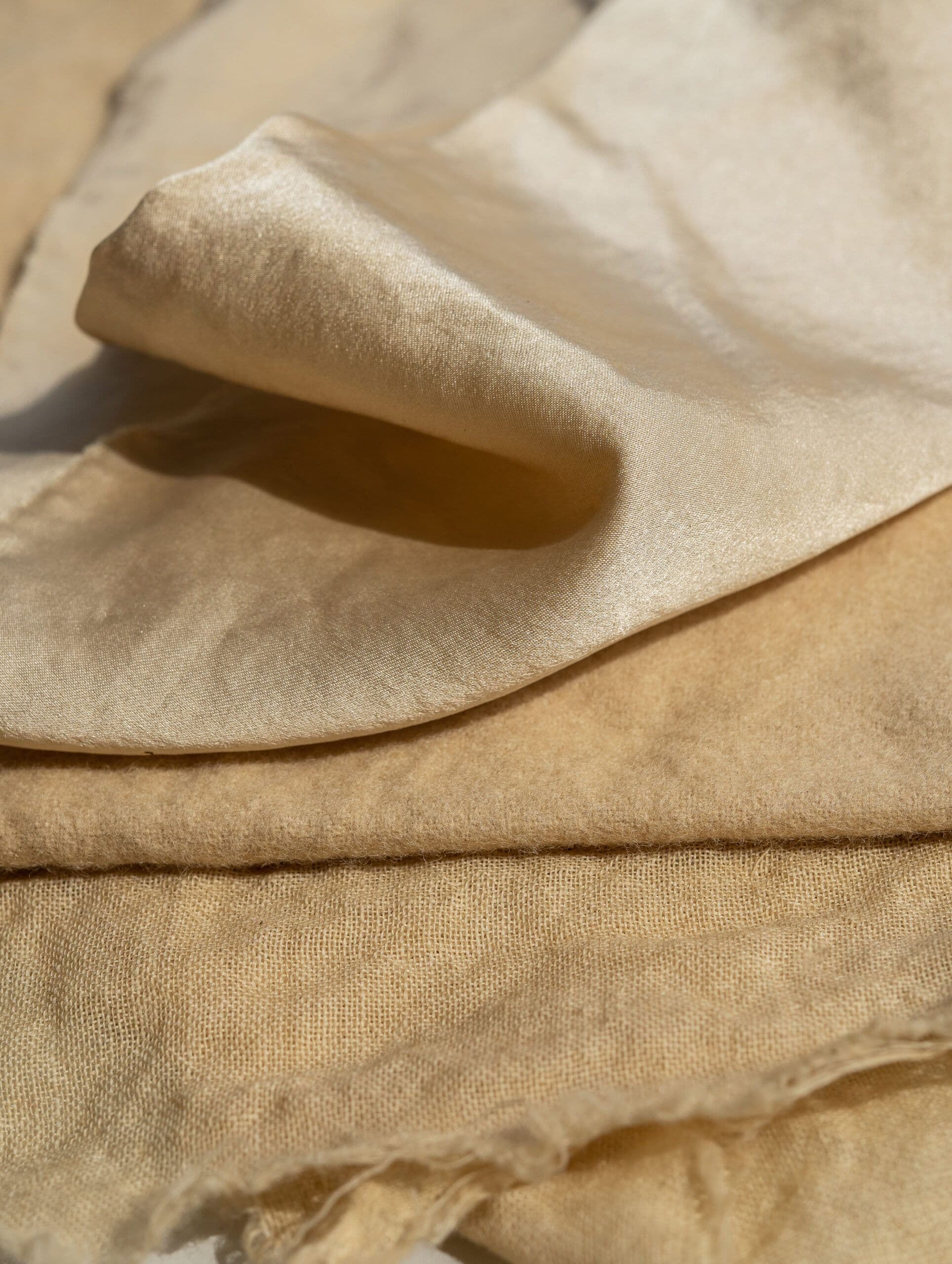
As far as we know, there are no trade-offs in material performance. Our dyes maintain the integrity, softness, and sheen of natural fibers like silk, wool, cotton, and linen. We continually evaluate this through lab and field testing, and feedback from our partners has consistently confirmed high-quality results.
7. Could you explain the degradation or end-of-life behaviour of textiles dyed with seaweed pigments versus conventional synthetics?
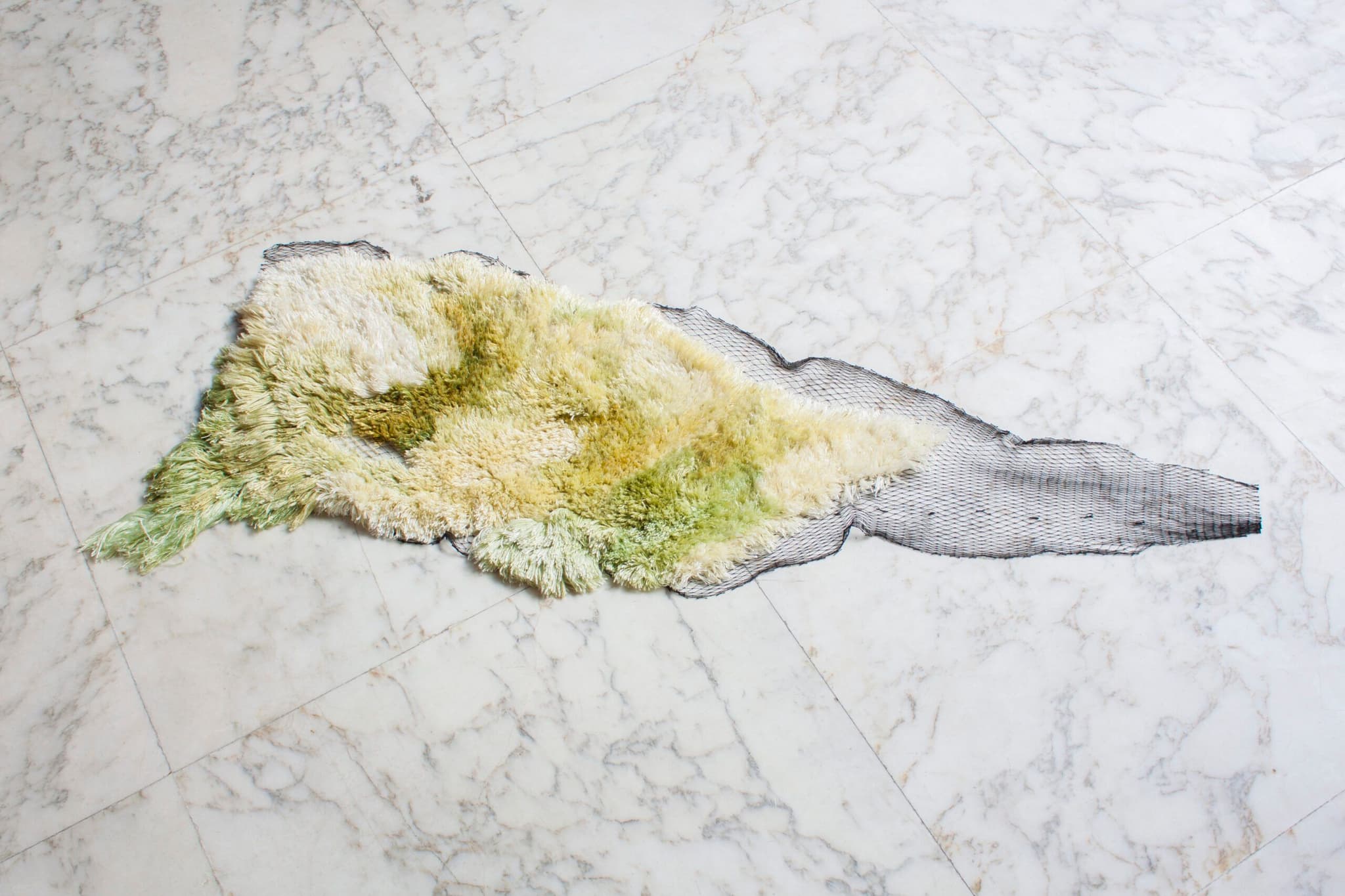
Because our dye is made from 100% seaweed, it is fully biodegradable. However, the rate and quality of biodegradation depend on the textile substrate and its pre- and post-treatment. We're committed to advancing a bio-circular loop, which is why we prioritize working with natural fibers to ensure both environmental safety and material performance through the product lifecycle.
8. What collaborative or sourcing strategies ensure that your feedstock remains consistent, sustainable, and traceable across different suppliers and geographies?
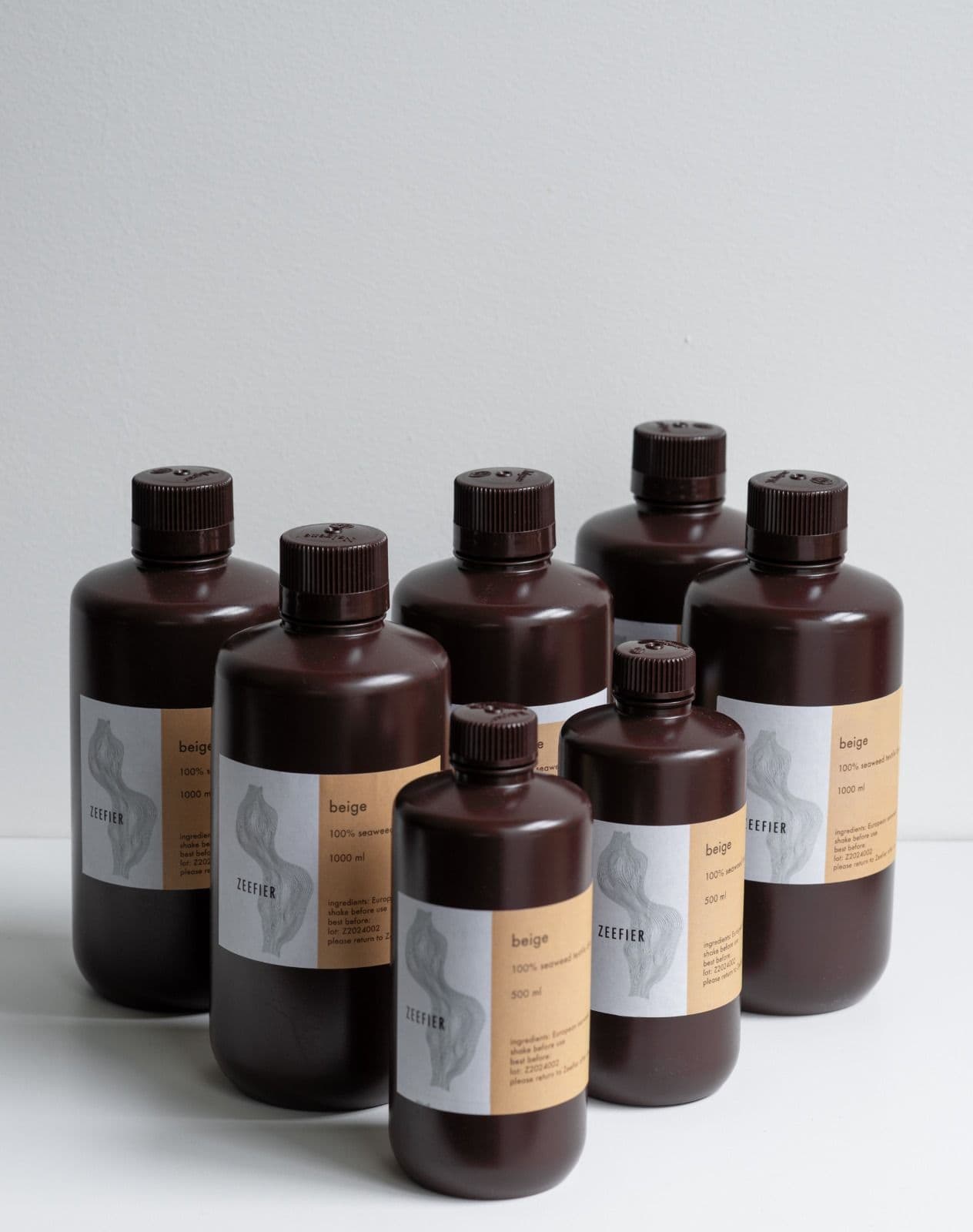
We’ve built long-term relationships with trusted partners and maintain full transparency regarding the origin, harvest methods, and sustainability metrics of our seaweed. These practices support traceability, ensure consistent pigment profiles, and align with our vision of regenerative sourcing.
9. Beyond colour, are there functional properties (e.g. UV-protection, antimicrobial) imparted by your seaweed dyes, and how are these evaluated?
Seaweed is known for its bioactive compounds and is widely used in skincare and nutraceuticals. While these properties may offer future potential in textiles (such as UV protection or antimicrobial effects), our current focus is exclusively on colour R&D. However, these functional benefits are on our radar for future innovation.
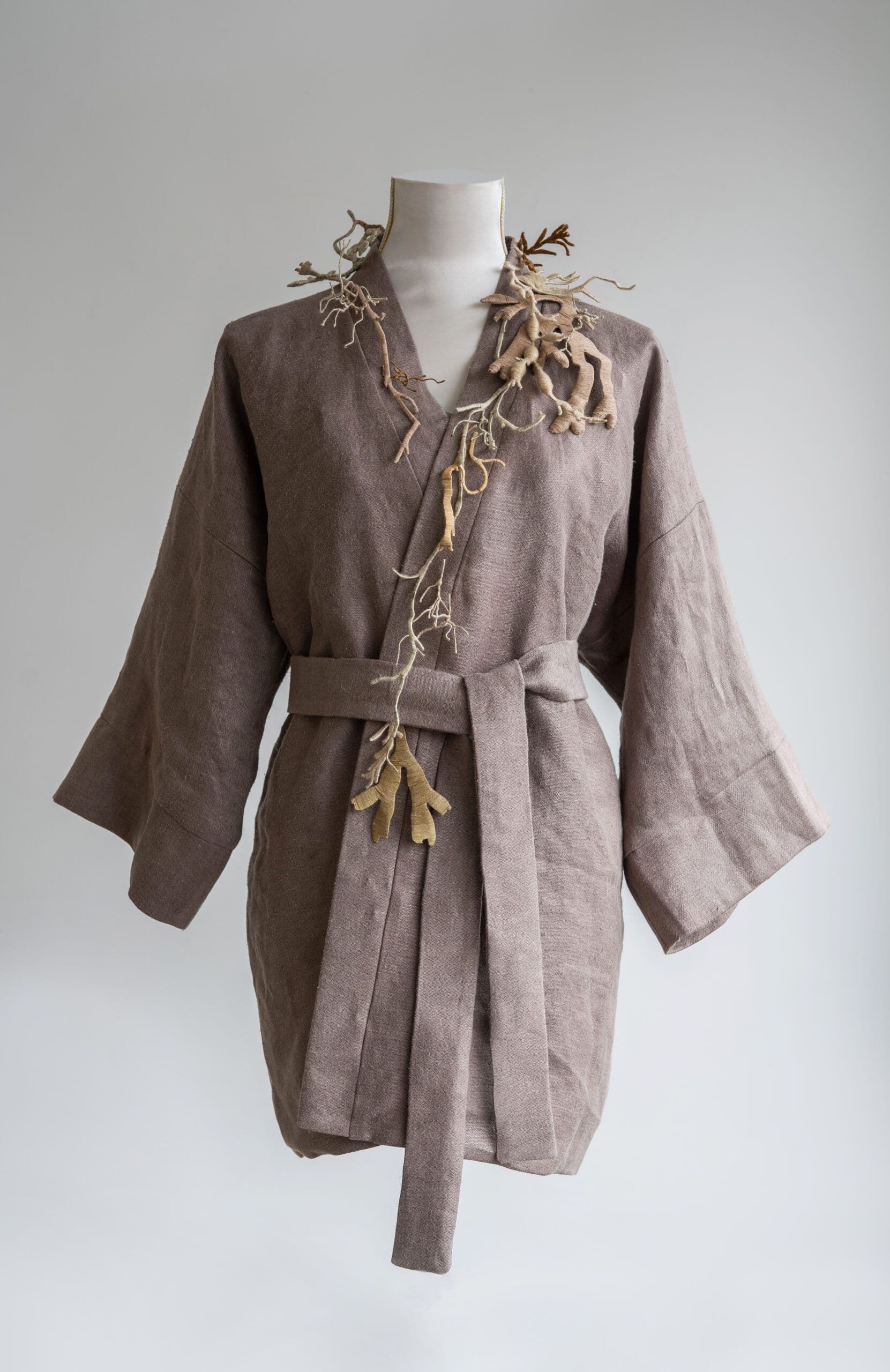
10. What innovations or tweaks in your process—such as seawater recycling or pigment concentration—might enhance scalability or ecological performance?
As we scale, we’re achieving faster processing times, reduced energy consumption, and lower costs. Our closed-loop processes support seawater recycling, and optimizing pigment concentration boosts both efficacy and resource efficiency. Ultimately, our innovations contribute to cleaner waterways and a safer environment for both workers and consumers. The textile industry’s wet processing accounts for over 20% of freshwater pollution globally—we see our solution as part of the answer.