Launch Offer

Join our mission to decarbonize the planet through better materials

Project "Effet Mer": art with recycled plastics
RECYCLED

Project "Effet Mer": art with recycled plastics

Explore the creative journey of turning recycled plastic into captivating set designs to raise environmental awareness with Gregory Brunet.

GBGrégory Brunet
Oct 25, 2024
11 mins read
7.7K views

Can you share the inspiration behind "Effet Mer" and the process of turning recycled plastic from hospital waste into a medium for environmental awareness?

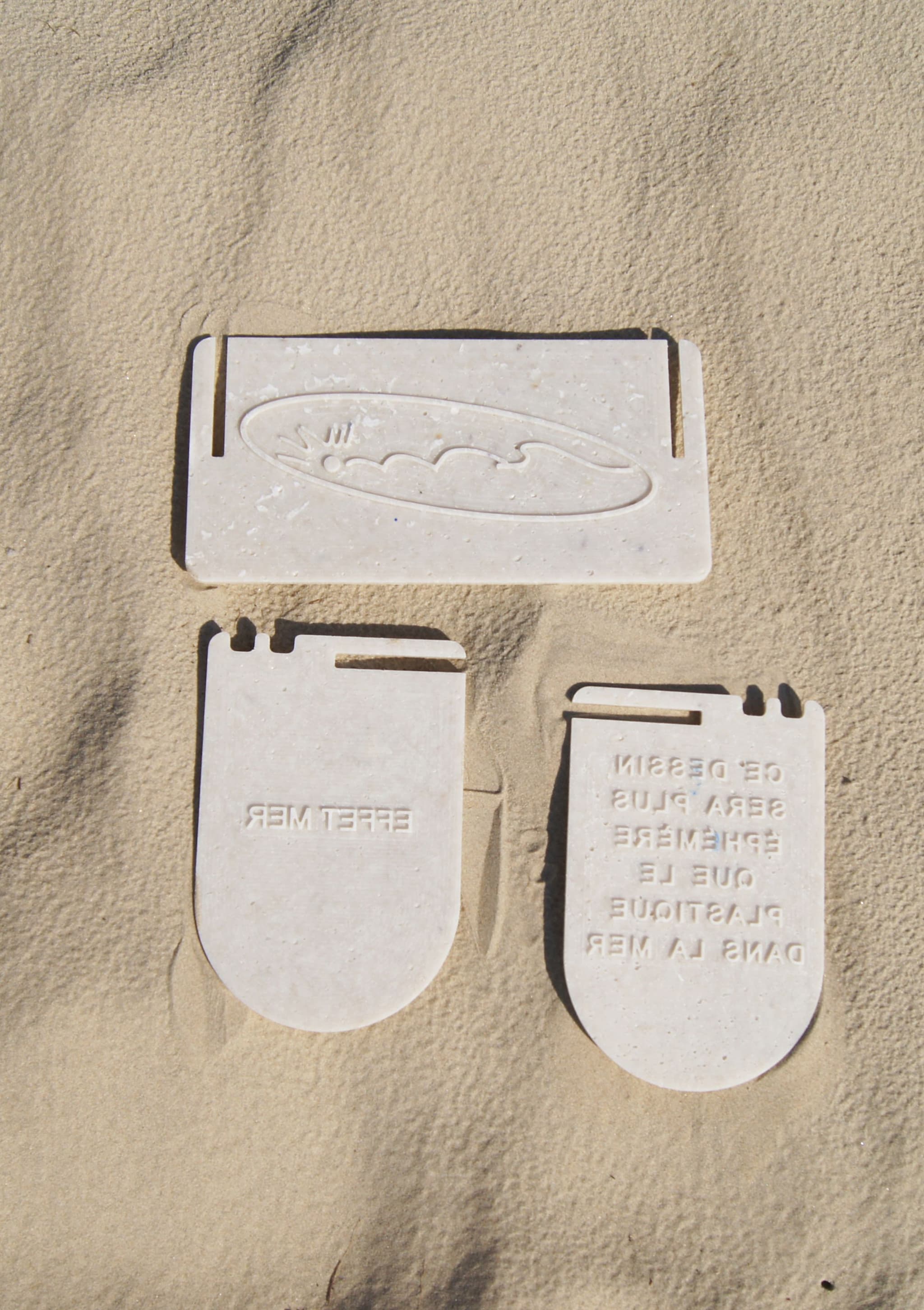
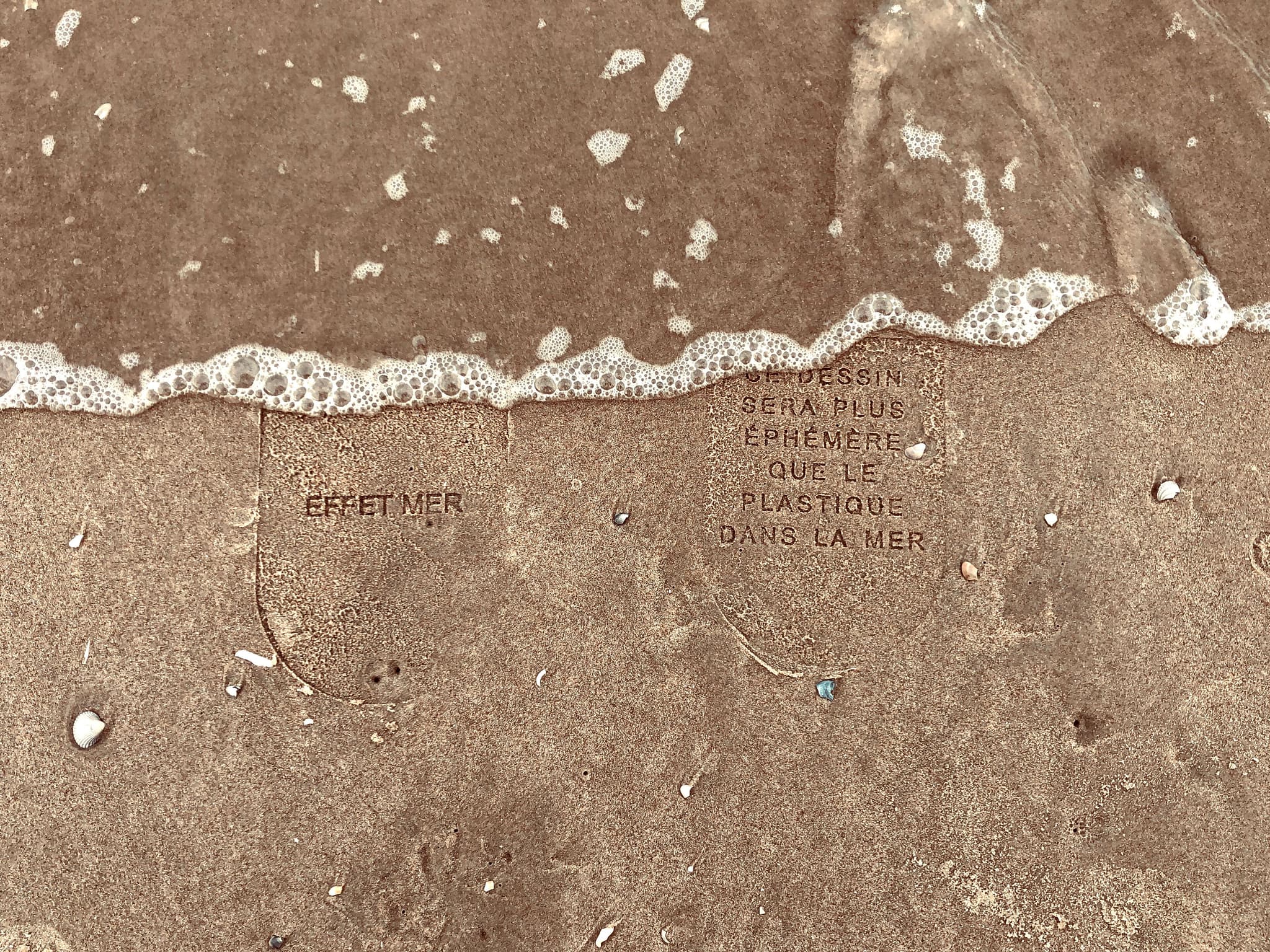
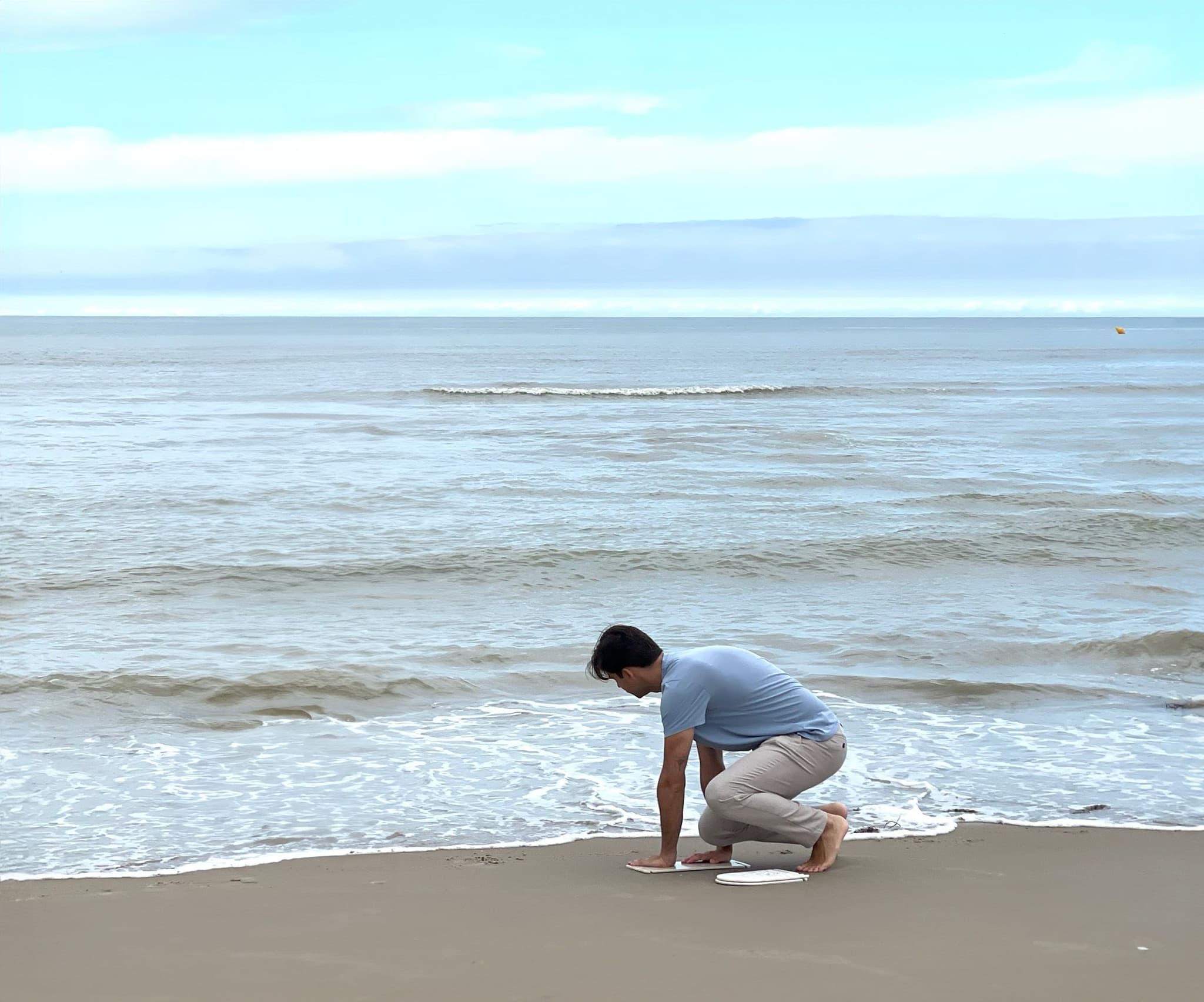
My practice revolves around contemporary issues and the desire to improve the daily lives of users. When a Bordeaux gallery (La Galerie des Curiosities) contacted me to collaborate with a company that develops recycled plastic from hospital waste, I immediately wanted to create an object to raise awareness of the impact of plastic on the environment and particularly marine life. I wanted to design an object useful for everyone whose dual function is to deliver a message of prevention poetically.
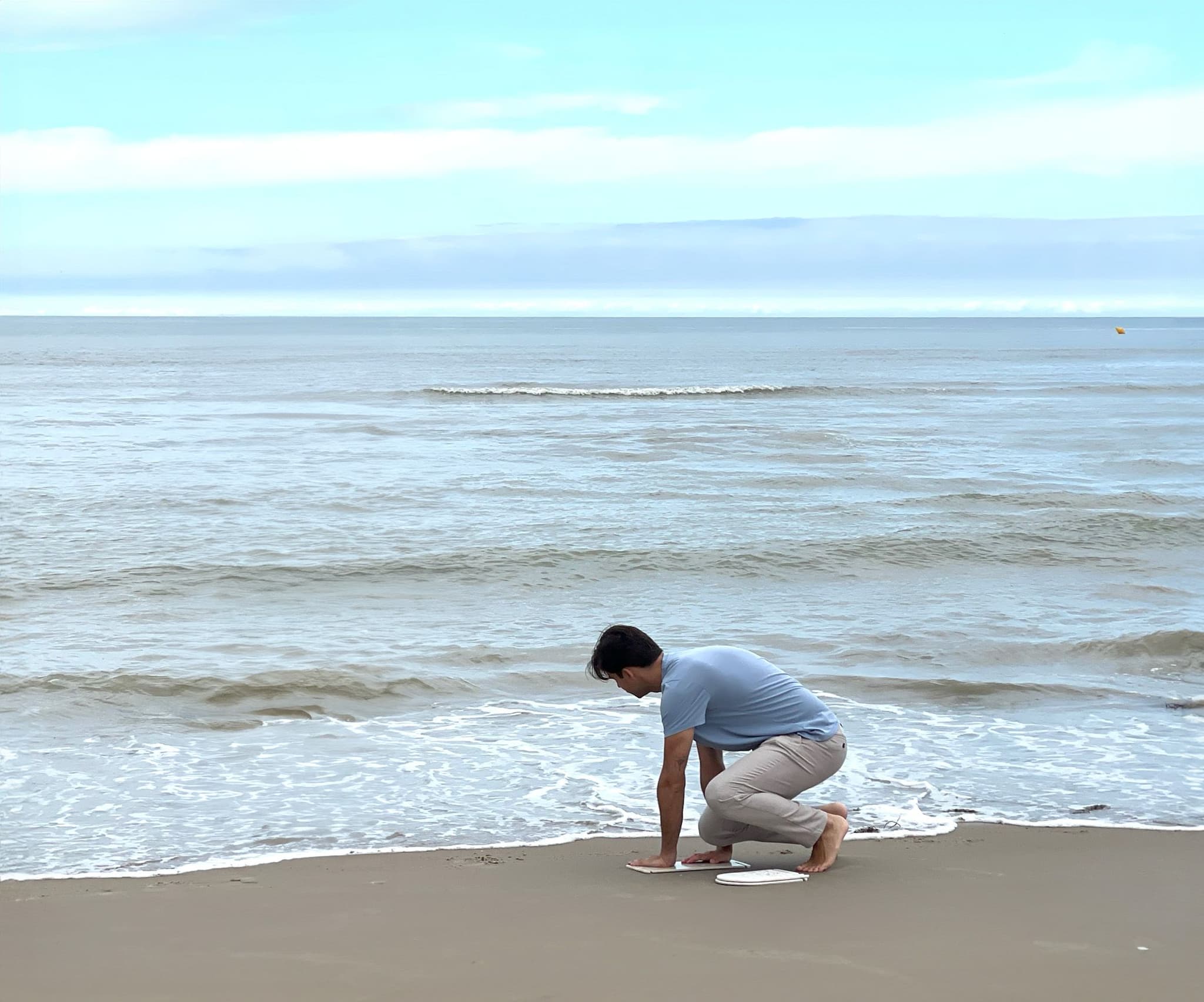
 This collaborative project with La Galerie des Curiosities aims to shed light on the impact of plastic on our oceans and marine life.
This collaborative project with La Galerie des Curiosities aims to shed light on the impact of plastic on our oceans and marine life.

How do you measure the impact of such projects on public awareness and behavior towards plastic use and marine conservation? Do you plan to do more of these initiatives?

Effet Mer was designed to be a manifest object. Currently exhibited at the Cité des Sciences in Paris as well as in various online galleries, this object arouses interest through its aesthetics and its narrative. If this project can raise awareness among a few people, the mission will already be greatly accomplished. I continue my experiments and my commitment to respond to environmental issues.


Could you discuss any challenges you faced in sourcing, processing, and transforming recycled plastics into durable and aesthetically pleasing materials?

Recycled plastic is a material that requires numerous experiments before obtaining a stable material. In my creative process, I had to integrate this random material with its imperfections which offer unique colors. That’s the beauty of giving a second life to a material.
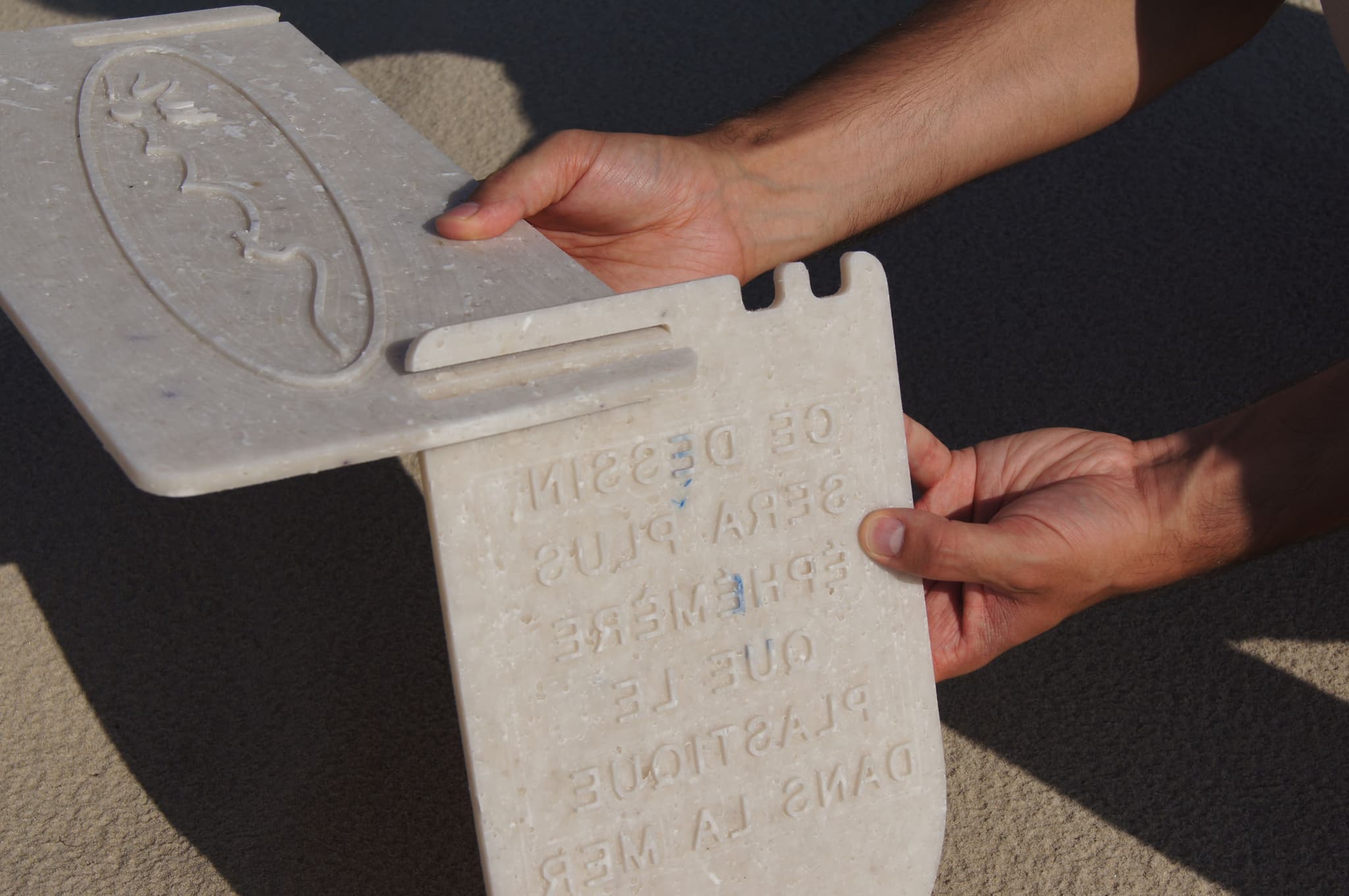
 Effet Mer captivated audiences with its powerful message about the impact of plastic on the ocean.
Effet Mer captivated audiences with its powerful message about the impact of plastic on the ocean.

Beyond "Effet Mer", how have you incorporated the principles of sustainability and recycling into other set design or scenography projects for luxury brands?

From a durable object to an ephemeral scenography, the choice of materials comes very early in my creative process. I am concerned about the environmental impact that my creation can have. I mainly use recyclable materials and I sometimes compose scenographies only with recovery, recycled materials, transformed objects…


What role do you believe the luxury industry can play in advancing sustainable practices and reducing plastic pollution, especially through creative projects like yours?

Users want to consume better and are sensitive to ecology. Luxury companies must integrate these issues and seek solutions to meet demand. Some have developed recycling services, while others are rethinking their production processes to produce locally, with fewer production steps.
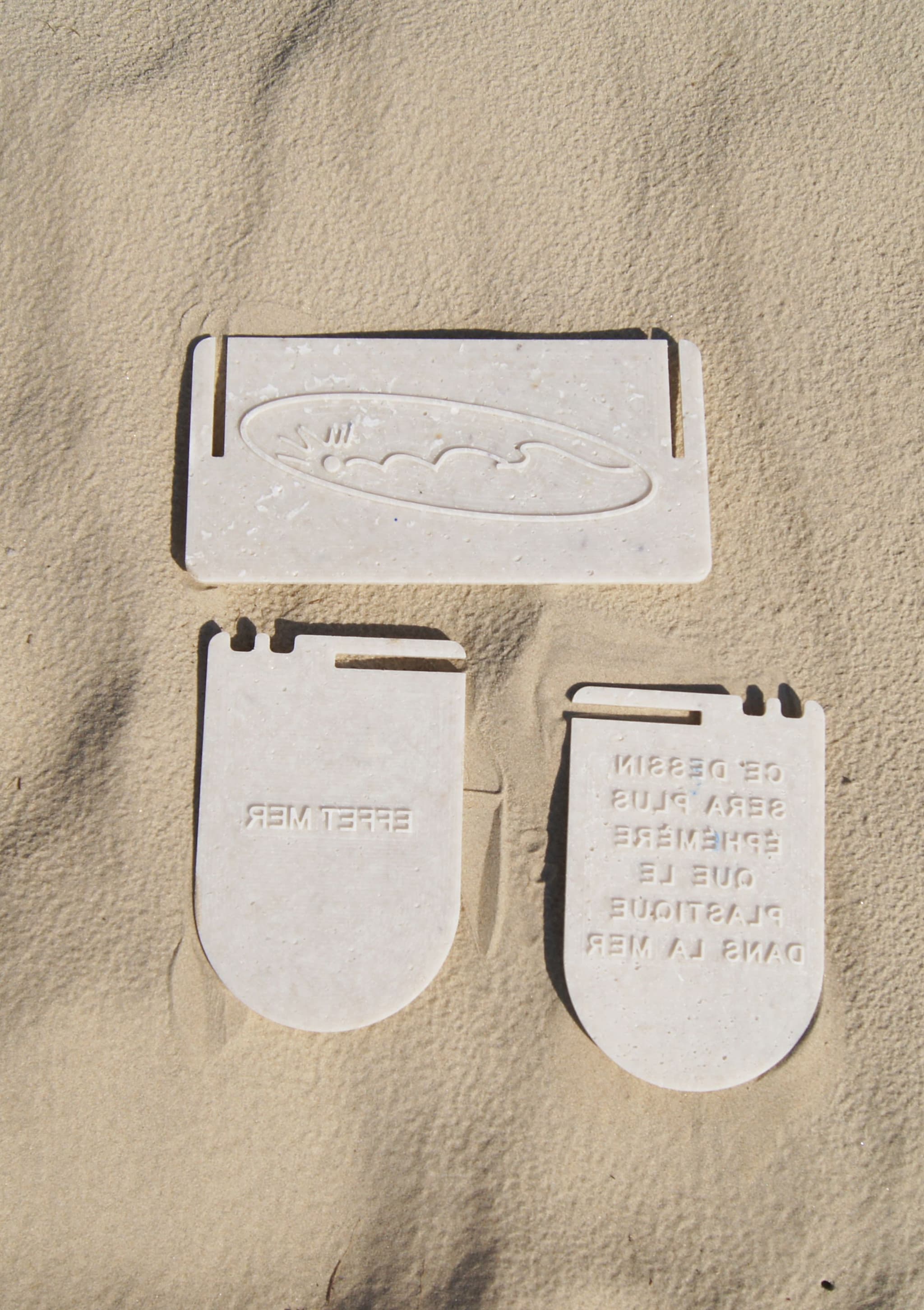
 By incorporating these principles of sustainability into his design process, Gregory aims to minimise waste and promote a circular economy.
By incorporating these principles of sustainability into his design process, Gregory aims to minimise waste and promote a circular economy.

Looking forward, how do you see the evolution of sustainable materials and practices in set design and scenography, and what challenges and opportunities do you anticipate in expanding the reach and impact of projects like "Effet Mer"

I think that to have the lowest impact you need to use the least amount of material. There is no secret. And then succeed with very little material in having a strong impact. This is what makes good design.

Effet Mer is intelligent in what it says. I am currently working to make it accessible to everyone and I hope that it can raise awareness among as many people as possible.
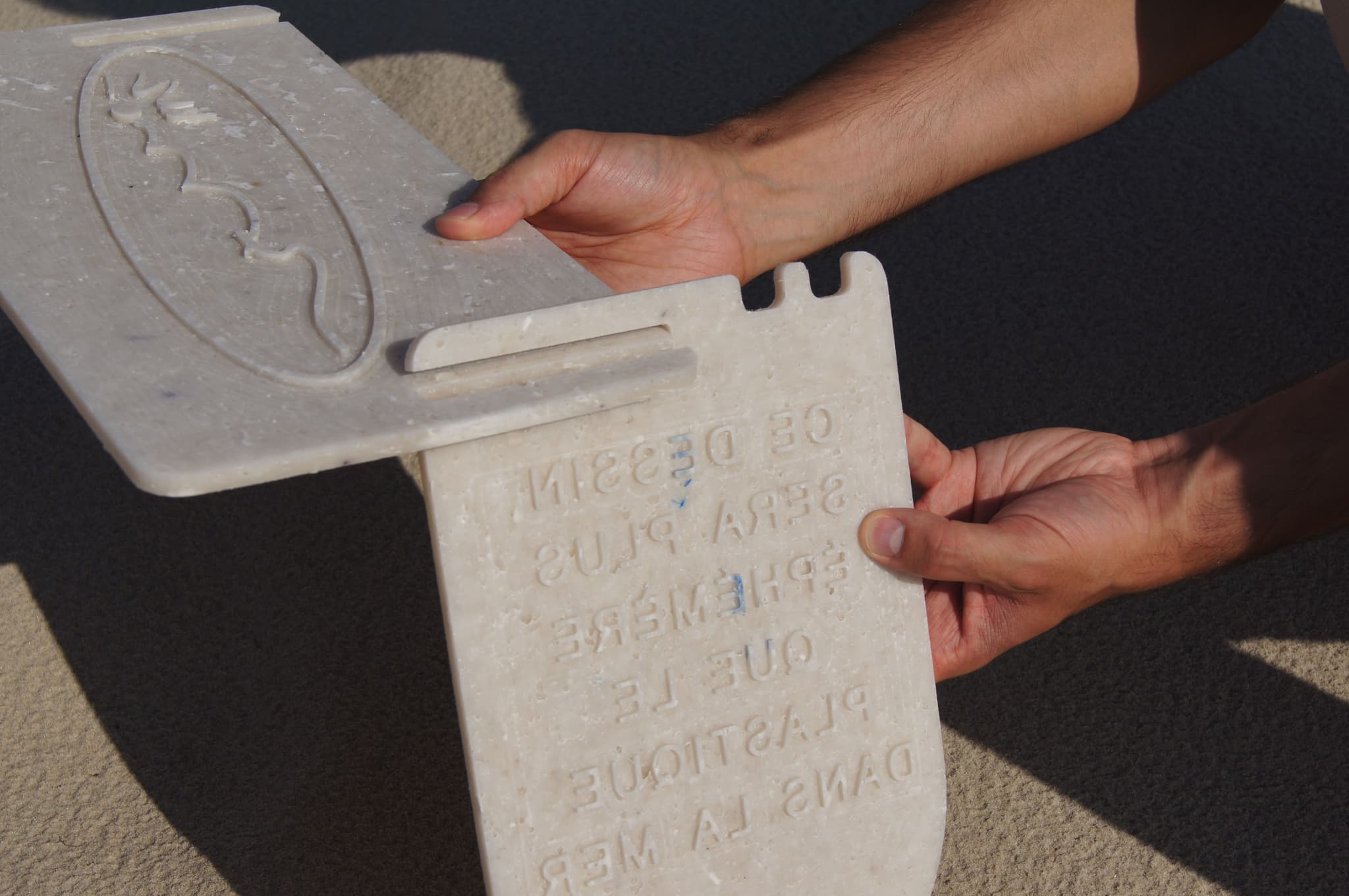
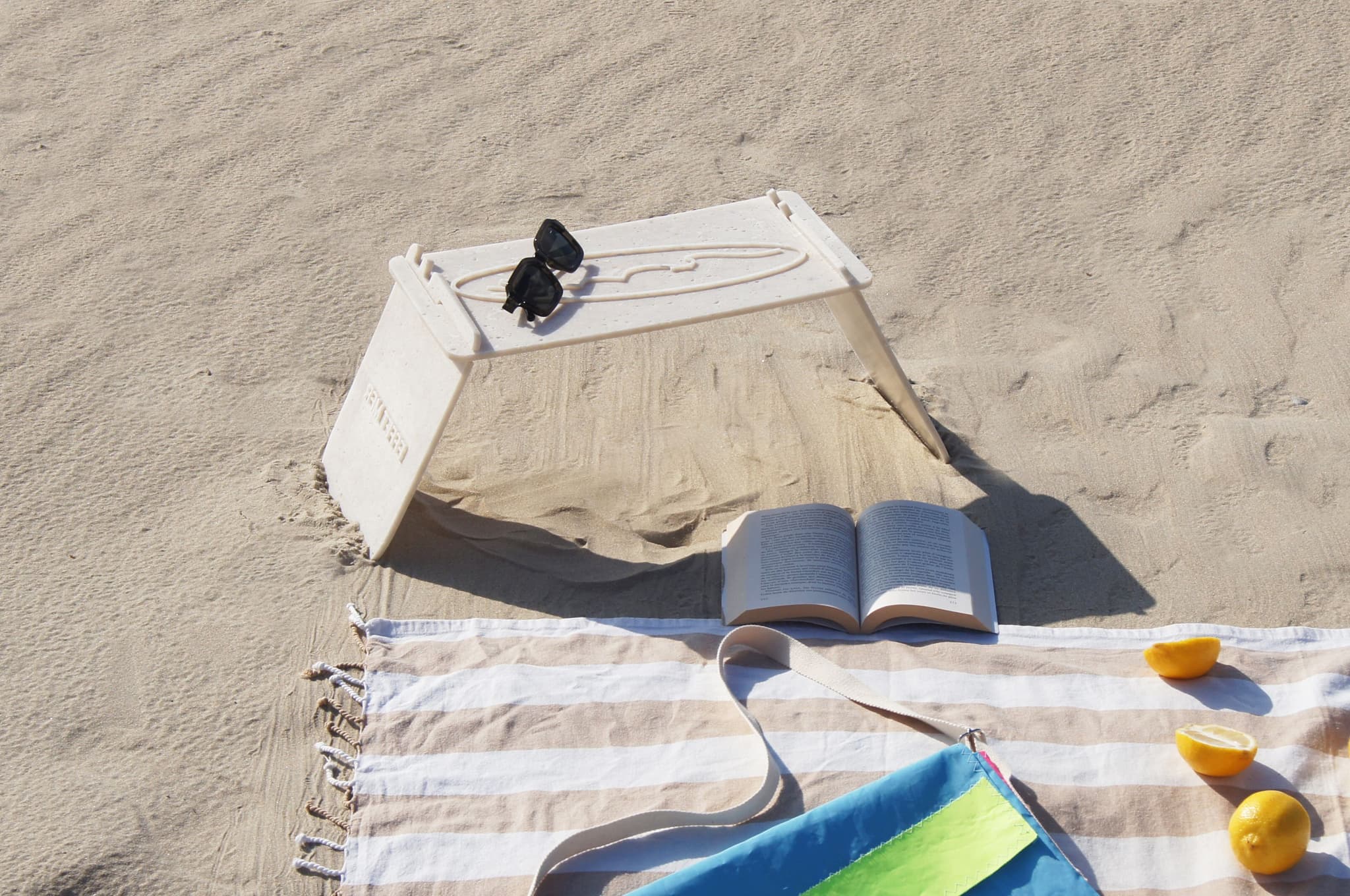
 Effet Mer project by Grégory Brunet
Effet Mer project by Grégory Brunet
 Effet Mer project by Grégory Brunet
Effet Mer project by Grégory Brunet
 Effet Mer project by Grégory Brunet
Effet Mer project by Grégory Brunet
 Photo by Grégory Brunet
Photo by Grégory Brunet
 Photo by Grégory Brunet
Photo by Grégory Brunet
RecycledCircular EconomyUpcycledArtInterior Design
GB

Grégory Brunet

Grégory Brunet is a French designer and scenographer based in Paris. After studying at the École Supérieure d'Art et de Design d'Orléans and Politecnico di Milano (IT), he obtained his Master's degree in object and space design in 2019. He questions the perceptions, uses, and tangible interactions that materials, sounds, or gestures allow you to create. He now works as an independent designer and collaborates with prestigious Maisons and artists whom he supports in the design and development of objects and spaces that trigger emotions.

GALLERY

LATEST INSIGHTS

Discover all our latest reports

Tocco Report: Marine Materials 2030
Marine & Aquatic

Tocco Report: Marine Materials 2030

This Tocco Report follows that transformation across five chapters. Part I examines ocean waste and its recycling into new material flows. Part II focuses on algae and their rapidly scaling bio-based chemistry. Part III turns to shells, chitosan, and fish skins as building blocks for biopolymers and leather alternatives. Part IV examines aquaculture as a biomass platform for food, fertilisers, and next-generation materials. Part V closes with the forces of the sea: energy, minerals, and current-driven systems that unlock power densities far beyond solar or wind. Together, these perspectives form a panorama of how ocean industries are scaling from niche experiments to critical infrastructures.

Tocco Guide: Packaging Compliance⋅Quick Guide for 2026
Regulation

Tocco Guide: Packaging Compliance⋅Quick Guide for 2026

Packaging compliance quick guide for 2026: an excerpt from The Global packaging compliance handbook for 2026, covering the regulatory shifts moving into enforcement across Europe and beyond. A practical overview of recyclability scoring, recycled-content thresholds, EPR obligations, labelling and chemical restrictions, plus the key timelines and actions brands and suppliers need to prioritise for market access in 2026.

Tocco Report: The Global Packaging Compliance Handbook for 2026
Packaging

Tocco Report: The Global Packaging Compliance Handbook for 2026

The Global Packaging Compliance Handbook for 2026 explains how PPWR, PFAS bans and Extended Producer Responsibility rules are being enforced across Europe, the US and Asia. A practical guide for brands, packaging teams and compliance leaders.

Tocco Report: EU PPWR: The Definitive Implementation Guide 2026-2040
Packaging

Tocco Report: EU PPWR: The Definitive Implementation Guide 2026-2040

This report by Tocco editorial team distils the final legislative text, technical annexes, and early industry responses into 5 operational pillars: recyclability grading, recycled content, reuse, waste minimisation, and chemical safety of EU PPWR. Our aim is simple: give decision-makers a clear view of what changes between now, 2030, and 2040 – and the detail they need to act in order.