Latest update (Oct,2025)
Great Wrap’s operating entity (Plantabl Packaging Pty Ltd) entered voluntary administration on 17 September 2025, with reported debts of ~AU$39m and operations at its Tullamarine facility shut down, underscoring a hard market reality: technical viability isn’t the same as commercial pull, especially as major buyers increasingly prioritise recycled-content compliance and vertically integrated recycling over compostable substitution.
Key Points
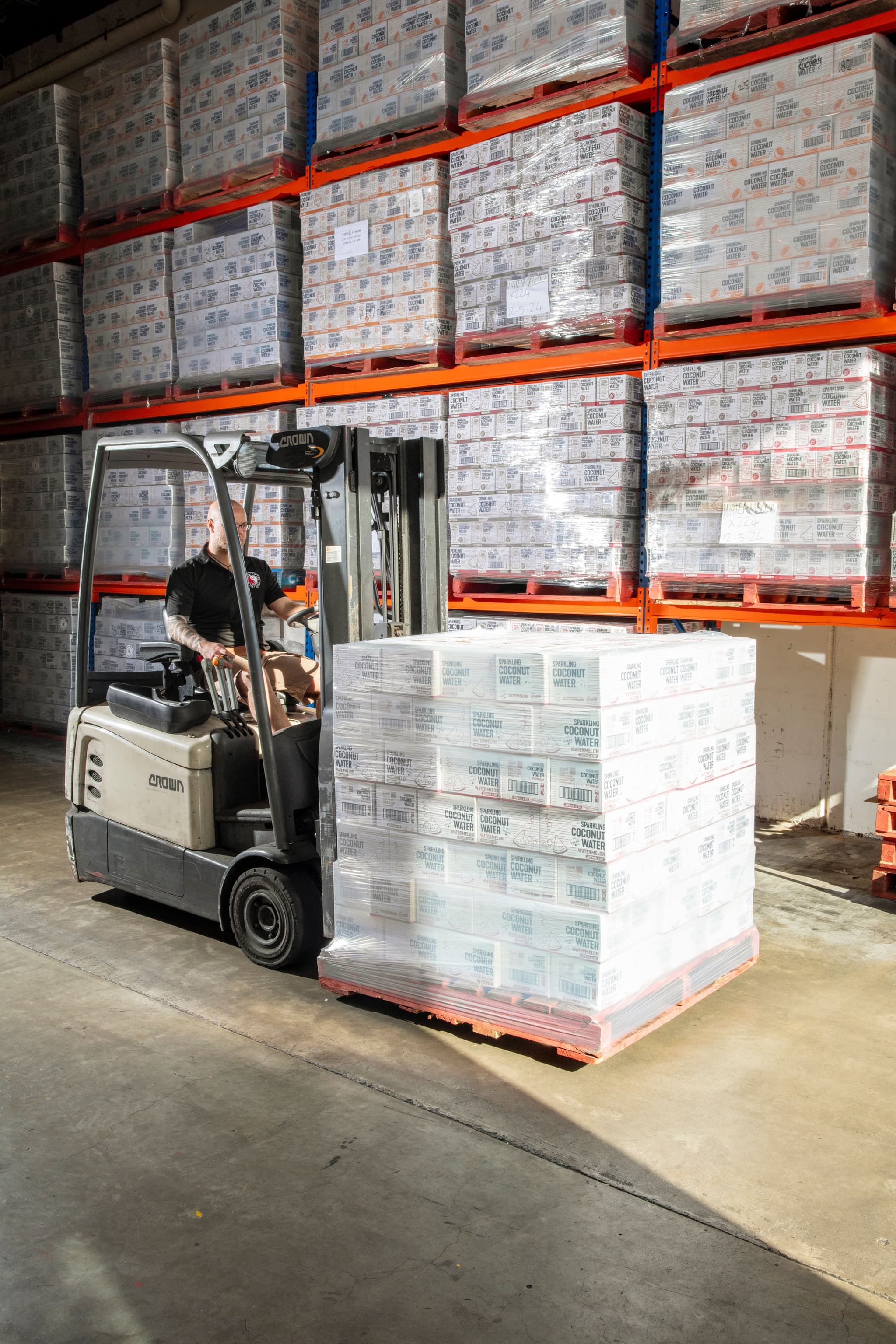
- Australian-made cling and pallet wraps from compostable biopolymers and plant-based oils; B Corp and compost certifications.
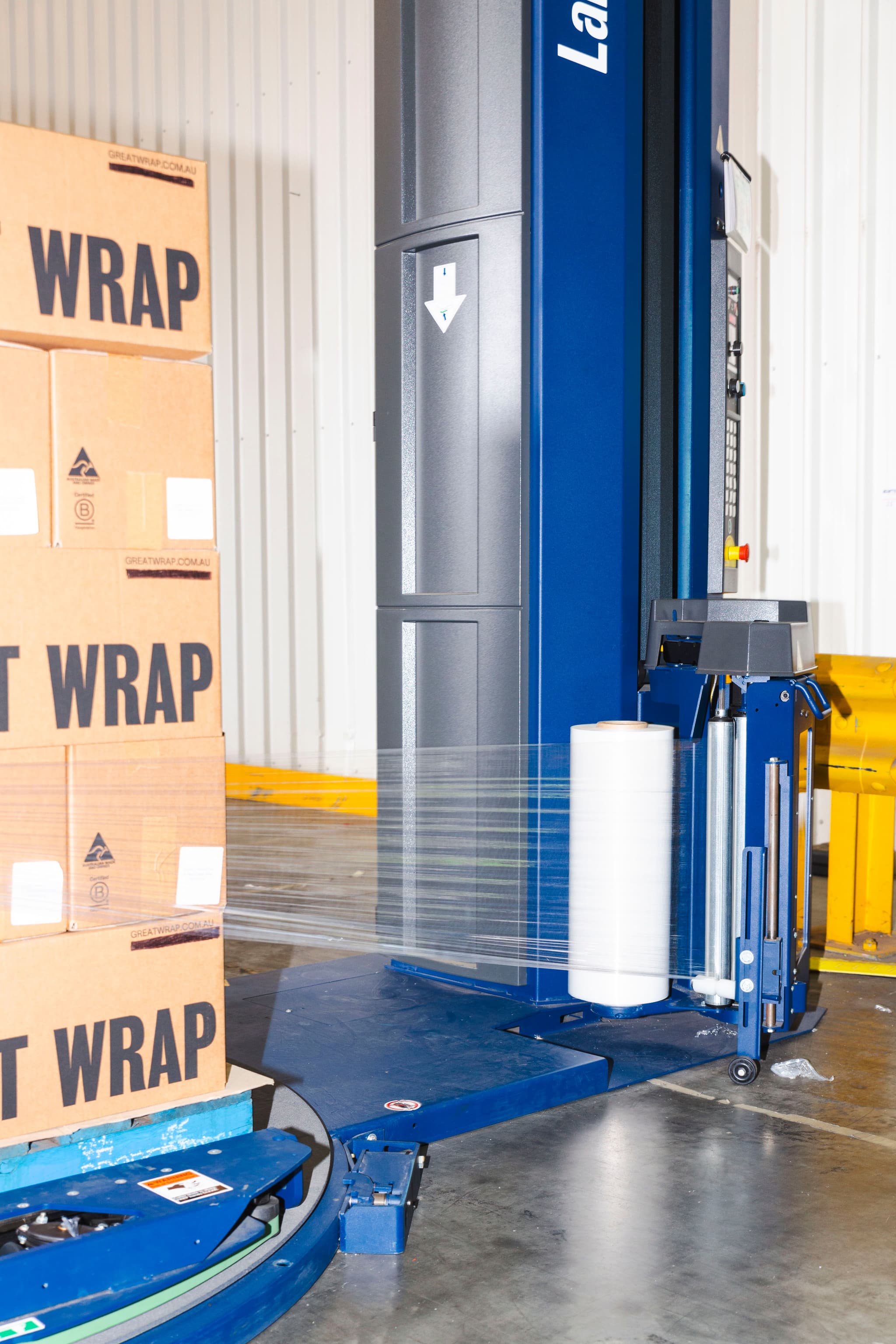
- Developed to slot into supply chains that currently rely on conventional stretch wrap; main hurdles are machine adaptation and behaviour change.
- Partnership with Monash University accelerates R&D; roadmap centres on PHA for marine-degradable, compostable films.
- Scaling via expanded manufacturing, global rollout, and a planned biorefinery; licensing considered for hard-to-reach markets.
- Aligns with Australia’s 2025 packaging targets, pushing large businesses to adopt reusable, recyclable, or compostable options.
Full interview with Great Wrap
Can you discuss how your expertise in architecture informed your vision for Great Wrap and its products?
My career in architecture exposed me to many new materials within the built environment, which ultimately led me to Great Wrap as I wanted to create a product with the best materials possible. Jordy and I certainly didn’t take the most traditional route into the packaging industry, coming from winemaking and architecture. However, it was our exposure to plastics in our previous work that motivated us to start Great Wrap. We observed a lot of traditional pallet wrap being used and discarded on job sites, and it was incredibly frustrating to witness.
We knew that this product was essential in businesses and supply chains all over the world, and we couldn’t believe there wasn’t already a compostable alternative on the market. So we decided to develop the material we knew the world needed, and we found that a lot of the skills from our previous industries translated well into what we do now.
Could you elaborate on the process and challenges of developing compostable stretch wrap compared to traditional plastics?
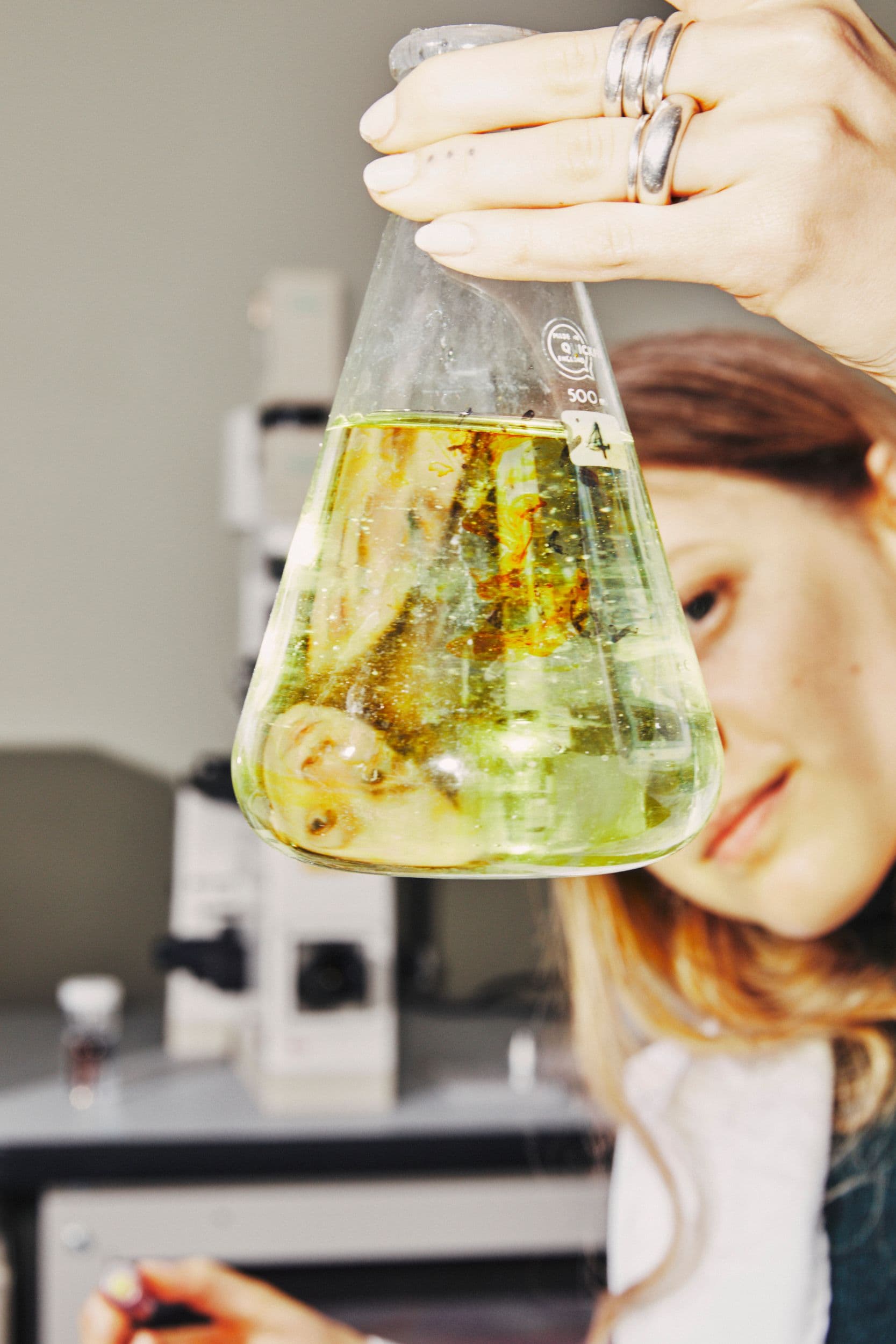
Traditional stretch wrap and plastic manufacturers have nearly 100 years of experience perfecting their products. In comparison, the Great Wrap team has been working on their solution for almost five years, scaling rapidly to address the immense plastic problem we all face. Despite what some considered nearly impossible in such a short time, the team has achieved remarkable progress, thanks to the dedication of their engineers, designers, and impact-aligned investors.
There have been many challenges in developing our material, as is common with all start-ups. However, we’ve remained positive and optimistic about the future because this essential product is in high demand globally, which has been a motivator for us. Although we haven’t manufactured traditional plastic, making it hard to know the differences, we do know that most extrusion line machines are designed for materials different from ours. As a result, we’ve spent time understanding these limitations and adapting them to produce compostable stretch wrap.
What are some of the biggest challenges you face in convincing businesses and consumers to switch to compostable materials?
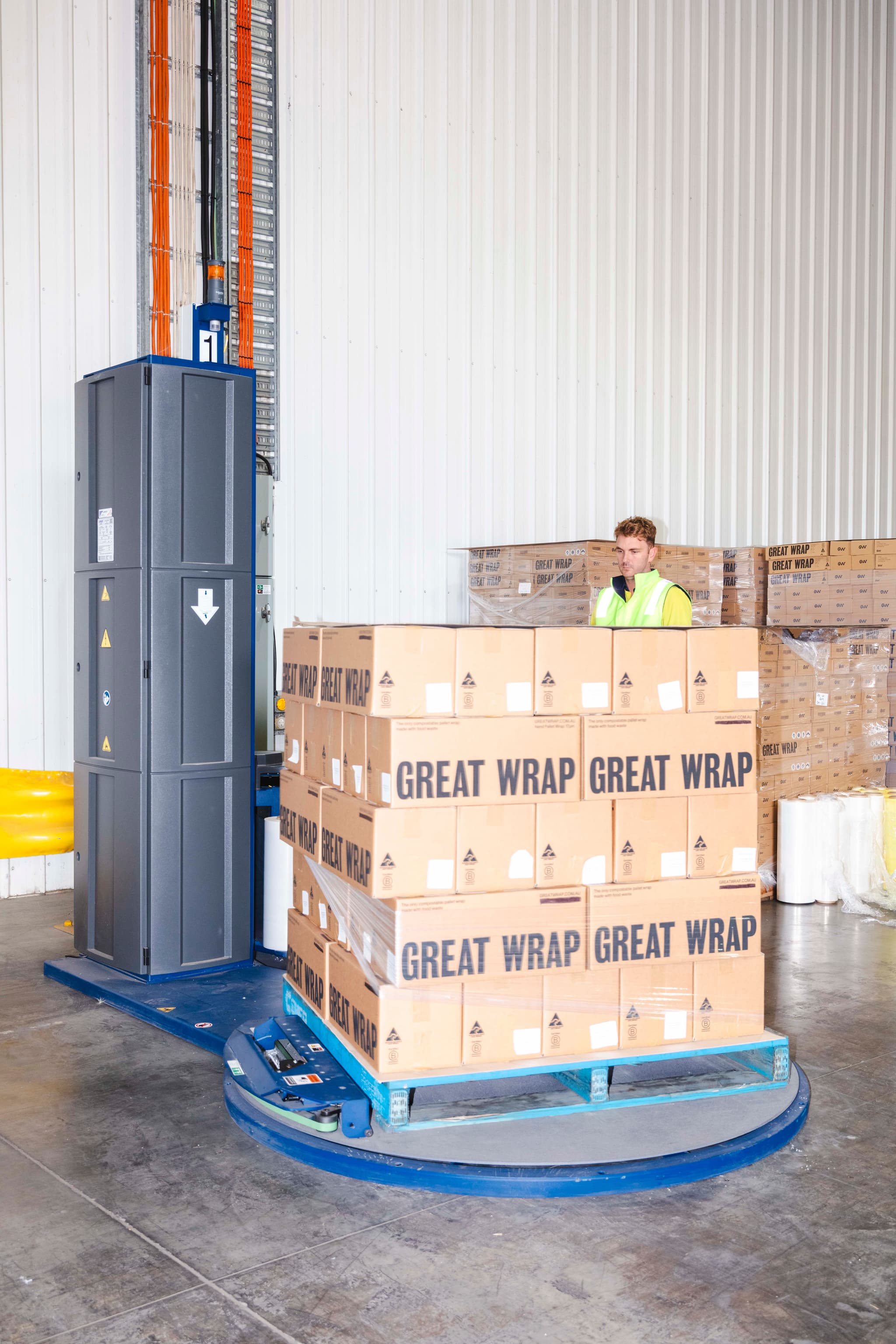
One of the challenges we’ve faced is behaviour change in the supply chain; however, the majority of businesses we work with are open to the idea of composting and compostable alternatives. This year, businesses are looking towards the Australian Government packaging targets, which state that 100% of packaging must be reusable, recyclable, or compostable by 2025, and 70% of plastic packaging must be recycled or composted by 2025. Given that Australia generates 2.5 million tonnes of plastic waste annually, we see it as an urgent need for people to adopt compostable materials into their homes and businesses.
What strategies are you implementing to scale up your production capabilities?
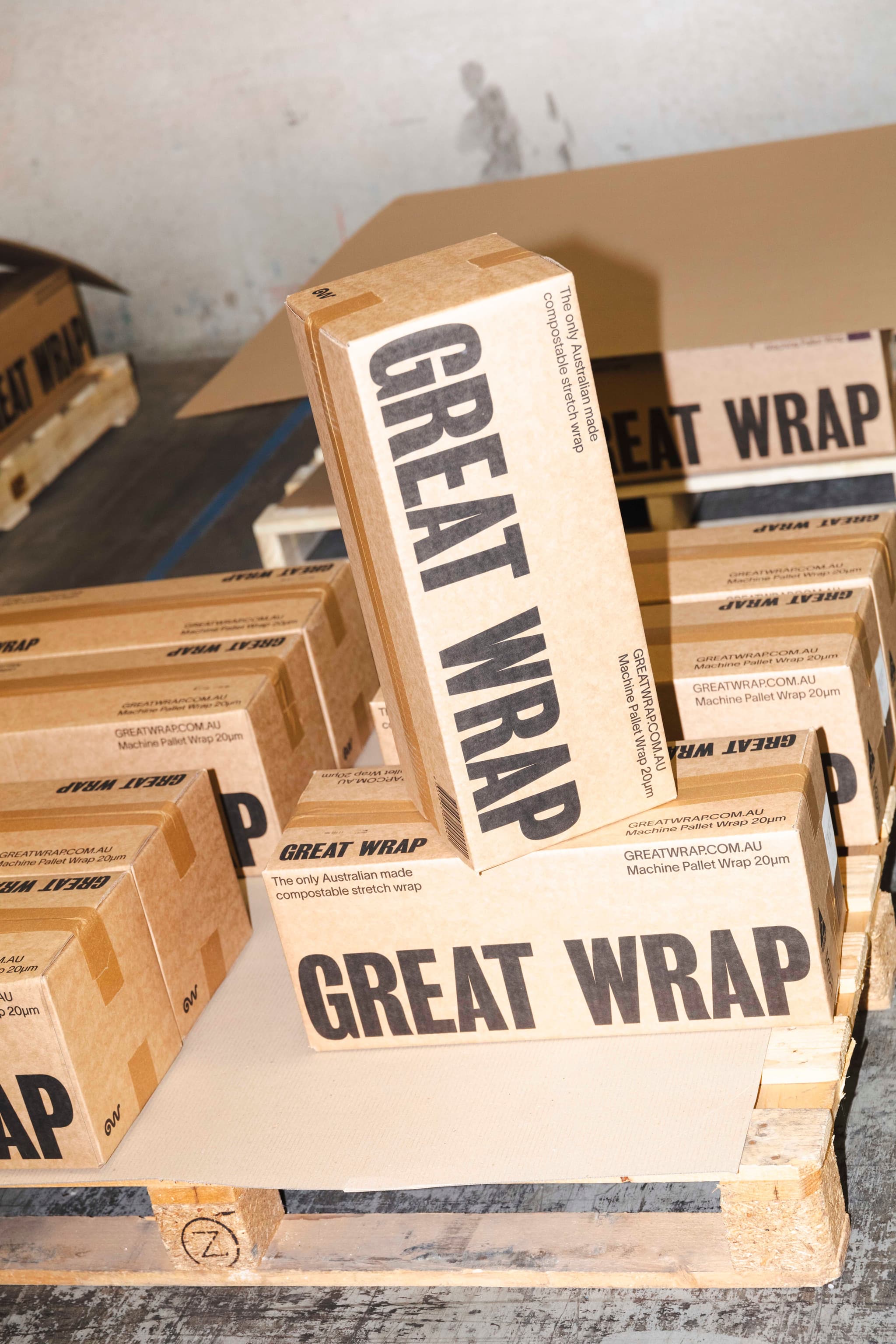
We are scaling our manufacturing site, expanding the brand globally, growing our manufacturing and sales team, and building a biorefinery to develop a material called PHA.
PHA is the future state of Great Wrap; it’s a marine-degradable and compostable material.
You’ve mentioned a 10-year vision for a world without plastic. What are some pivotal steps you believe the industry as a whole needs to take to achieve this vision?
Our 10-year vision is to see Great Wrap knock traditional stretch wrap off shelves and out of supply chains, making a truly positive impact in the compostable and material innovation space globally.
The pivotal steps the industry as a whole needs to take for this to happen include placing bans on unnecessary single-use plastic and diversifying end-of-life options, such as commercial composting.
Can you tell us more about your collaboration with Monash University and how this partnership enhances your R&D efforts?
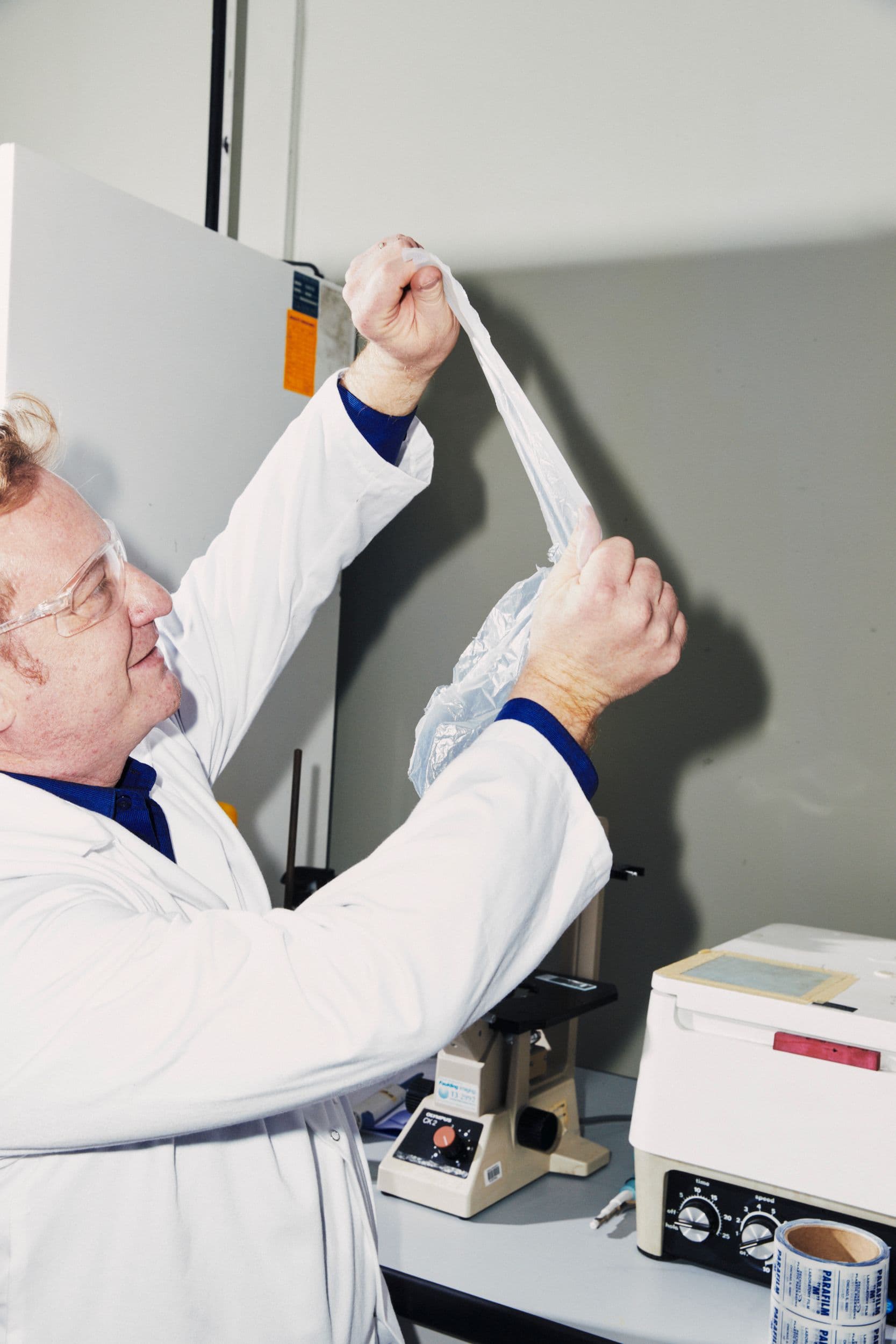
Our partnership with Monash University began in 2021, and since then, they’ve been instrumental in helping us shape the future state of Great Wrap. Eddie Attenborough, our PhD student, has played a pivotal role in our material development. Together with the team, he has conducted extensive research that brings us closer to realising our PHA dream.
R&D plays a very important role at Great Wrap. The Monash and Great Wrap teams are always working on our material to find the best feedstocks possible to use in making our wrap.
How do regulations affect the development and distribution of your compostable materials, and what changes would you advocate for in this regulatory landscape?
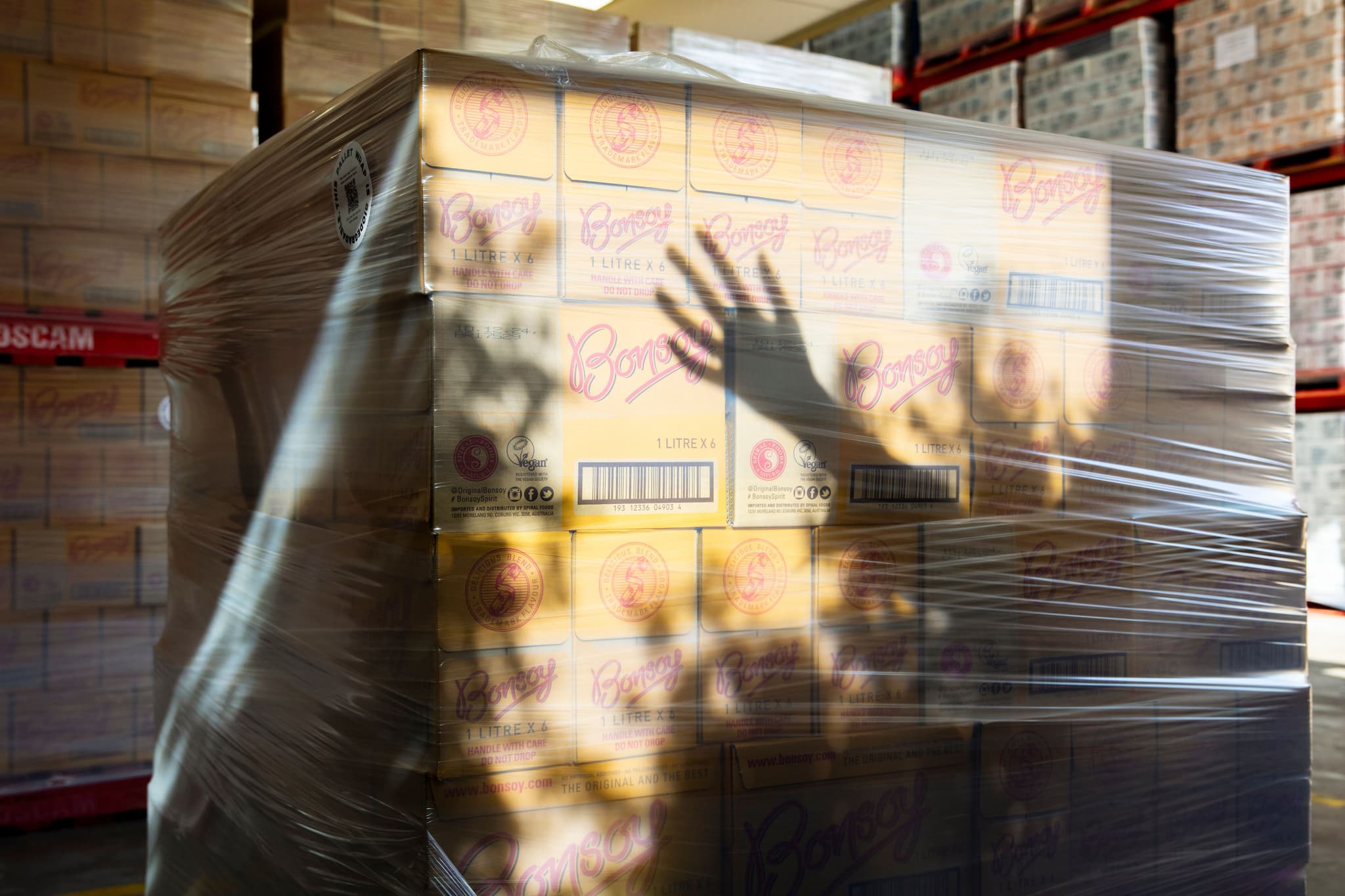
Regulations are crucial in our industry as they enable us and other brands to demonstrate values and standards. Two certifications we hold are our B Corp certification and our compost certification. These certifications help consumers understand which products are 100% compostable and fit for purpose, removing any guesswork.
The Australian Government’s 2025 targets are also a great example that we support, particularly for large Australian businesses, who now know it’s time to transition to products that won’t contribute to waste in Australia.
About Great Wrap
Great Wrap is a B Corp Certified materials science company on a mission to end humanity's reliance on traditional plastics.
The company observed a materials revolution unfolding around them. While energy, transport, and agriculture were evolving rapidly, plastic remained unchanged. Recognising that the technology to eliminate plastic waste existed but that no suitable products were available on the market, Great Wrap was born. They invented the products they believed the world was missing to eradicate plastic once and for all. Driven by impact, fuelled by demand, and with a 10-year vision for a world without plastic, Great Wrap is committed to their cause.
Since their launch in 2019, Great Wrap has experienced significant growth and established a manufacturing facility in Australia. They now proudly produce the only Australian-made compostable stretch wrap, including Compostable Hand Pallet Wrap, Compostable Machine Pallet Wrap, and Compostable Cling Wrap, made from compostable biopolymers and plant-based oils.