By the time most teams finish drafting a 2025 packaging brief, the rules governing that product have already changed. The global packaging waste management market is rising from USD 39.8 billion in 2025 to USD 54.2 billion by 2034, driven by tougher demands on recyclability, PFAS limits and traceability.
In Europe, PPWR now requires all packaging to reach ≥70% recyclability by 2030, with Grade C phased out entirely by 2038, while new PFAS thresholds-25 ppb for a single PFAS, 250 ppb total and 50 ppm total fluorine-become enforceable on 12 August 2026. With development cycles lasting 18-36 months, many 2027 SKUs are already locked in on assumptions that won’t survive these rules. The seven decisions below look harmless today but quietly turn into non-compliant, non-recyclable or non-auditable liabilities as the 2026-2030 thresholds land.
1. Misreading PFAS phase-outs in food contact
Many teams still treat PFAS as a substrate issue, when the real risk sits in coatings, inks, adhesives and processing aids, precisely the layers most packaging specs overlook. These hidden chemistries are now the fastest way a 2025 material decision becomes a 2027 compliance failure.
PFAS thresholds tighten sharply from 2026, demanding full upstream traceability
From 12 August 2026, the EU enforces limits of 25 ppb for a single PFAS, 250 ppb for the sum of PFAS in targeted analysis, and 50 ppm total fluorine attributable to PFAS-numbers that require full supply-chain transparency rather than supplier assurances. As the Commission plans a review before 2030, any 2025-2026 packaging decision that lacks verifiable PFAS-negative documentation risks early non-compliance, especially where converters rely on partially disclosed chemistries.

2. Betting on the wrong recycling stream for composites
Many composite packs still look defensible on internal slides, but the moment recyclability grades become mandatory, these formats shift from “innovative” to “structurally unrecyclable.”
PPWR recyclability grades eliminate most composite formats by 2030-2038
From 1 January 2030, packaging must achieve ≥70% recyclability by weight (Grade C) to remain on the market, with Grades A and B requiring ≥80% and ≥95% respectively. By 2038, Grade C is phased out entirely, meaning any laminate, metallised film or inseparable multi-material construction that cannot achieve mainstream sorting and reprocessing thresholds becomes commercially blocked. As fee modulation increases, these formats become too costly to justify long before the legal cutoff.
3. Ignoring Digital Product Passport data fields in your 2025 specs
The biggest DPP risk is not the interface-it’s the absence of structured, verifiable data underneath it, which becomes impossible to reconstruct once products are live.
DPP obligations in 2025-2027 require data architectures most teams do not yet have
The Ecodesign for Sustainable Products Regulation introduces Digital Product Passports from April 2025, with sectoral delegated acts offering only 12-18 months before obligations apply. Packaging teams that cannot track material composition, recycled content by manufacturing site, PFAS verification, additives and batch-level source data face a multi-year retrofit. A 2025 specification that omits DPP-ready fields guarantees compliance failures by 2027, because the required evidence cannot be reconstructed later.
4. Treating supplier self-declarations as evidence
Auditors are no longer willing to accept blanket statements or generic certificates, and packaging teams relying on them often discover gaps only when enforcement begins.
Recyclability grades and recycled-content quotas require auditable, plant-level data
PPWR requires recyclability calculations that prove ≥70%, ≥80% or ≥95% real recyclability at scale per packaging unit. Likewise, from 2030, recycled-content quotas-30% for PET beverage bottles, 30% for non-beverage PET contact materials, 35% for other plastics, and 10% for contact-sensitive plastics-must be demonstrated using verifiable annual averages at each manufacturing plant. Supplier declarations lacking chain-of-custody evidence, expiry tracking or site alignment simply fail audit models and invalidate entire product lines.

5. Over-relying on lab pilots that don’t scale past one market
Pilot results often look promising, but the friction begins when those materials enter real sortation lines, contamination environments, and cross-border infrastructure.
Design-for-recycling criteria in 2028-2030 require cross-market performance, not lab feasibility
Between 2028-2030, the EU will finalise criteria defining recyclability “at scale,” prioritising materials that demonstrate sortability, reprocessability and yield across multiple EU markets-not just controlled pilots. PFAS-free coatings, specialty fibers and emerging depolymerisation methods that show success only in small trials cannot meet the cross-border reproducibility demanded by PPWR. As a result, many pilot successes become stranded assets by 2027-2030 once real infrastructure variability is tested.
6. Locking in formats that cannot meet recycled-content rules
A format that looks technically superior today may become legally untenable the moment PCR requirements activate, particularly if it cannot tolerate PCR variability.
2030 quotas expose formats incompatible with PCR supply, performance or regulation
Recycled-content quotas from 2030 must be calculated as annual averages per plant, which requires predictable food-grade PCR supply and designs that can integrate PCR without compromising barrier, clarity or migration performance. Formats dependent on high-clarity virgin PET, performance-sensitive multilayers or non-PFR-friendly chemistries inevitably fail quotas of 30%-35% unless redesigned. Locking these formats into 2025-2026 briefs guarantees disruptive redesign cycles starting in 2027.
7. Treating 2027 as “far away” in development timelines
Compliance failures often trace back not to the regulation itself, but to teams underestimating how early compliance must be built into design cycles.
2025 specifications already sit inside active enforcement timelines for PFAS, DPP and recyclability
PPWR began applying in February 2025, PFAS limits enforce in August 2026, and recyclability grades apply in 2030, but packaging development cycles of 18-36 months mean 2027 SKUs must already meet these expectations. Tooling, migration testing, multi-country validation and retailer approvals occupy most of that timeline. Any brief written in 2025 that ignores PFAS limits, DPP data or recyclability-grade thresholds embeds compliance failures years before products hit shelves.
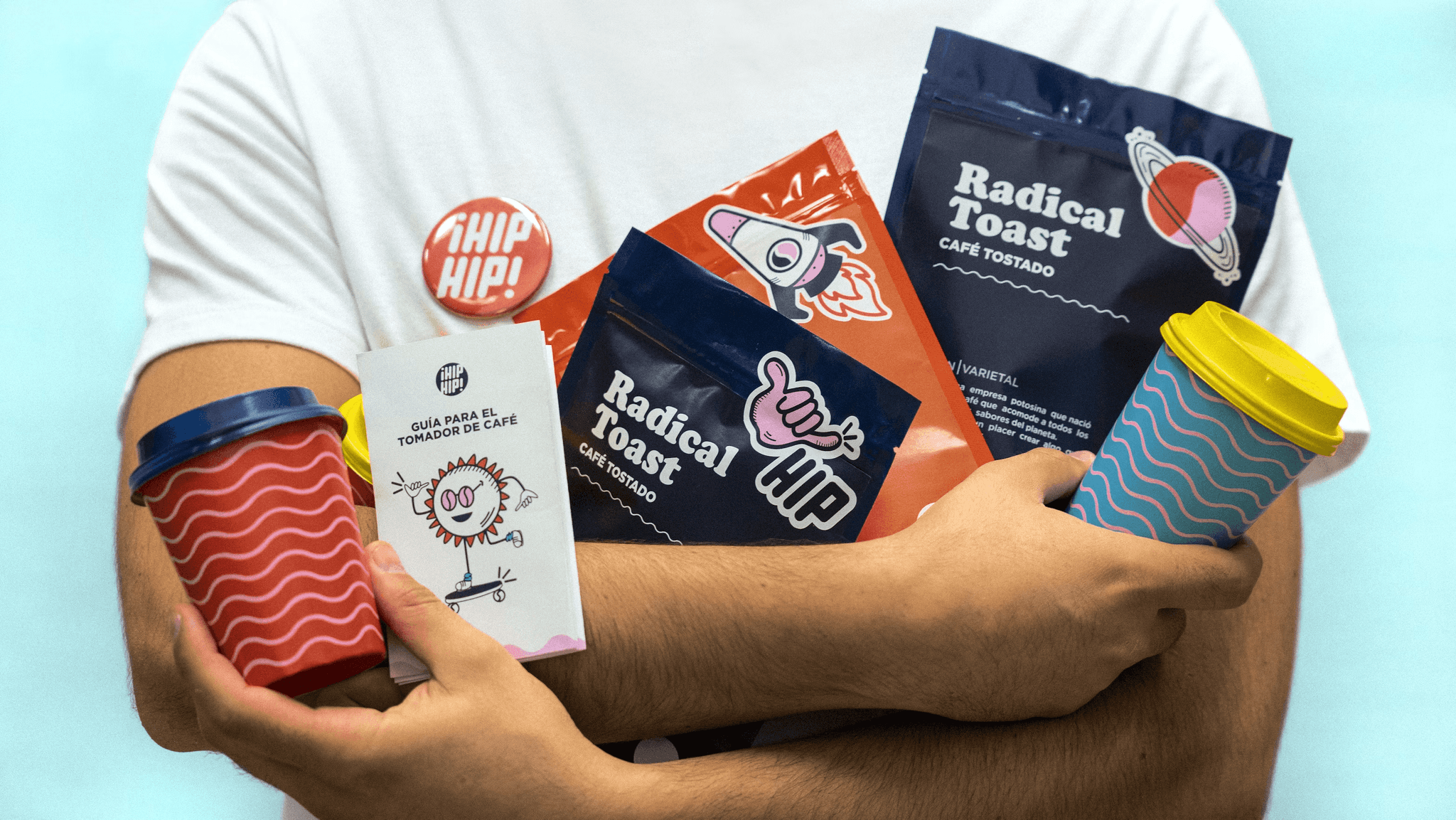
Q&A session on Packaging Decisions For Compliance for 2027
Which 2025 packaging choices become non-compliant first?
Answer: Any format without PFAS traceability, ≥70% recyclability potential, or DPP-ready data fields. These are the decisions that fail audits from 2026–2030.
What is the real PFAS risk in food-contact packs?
Answer: Coatings, inks and adhesives — not just the substrate. From 12 August 2026, EU PFAS limits require component-level proof, not supplier assurances.
Why do many composites fail PPWR after 2030?
Answer: Most cannot be sorted or reprocessed at scale. If a format cannot show ≥70% recyclability by weight, it becomes commercially blocked long before 2038.
Conclusion
These seven decisions look small in 2025-but each one quietly locks in non-compliance once PFAS thresholds, recyclability grades, DPP rules and recycled-content quotas tighten through 2026-2030.
See how DPP will reshape supplier data, evidence chains and claim verification - inside the Tocco Report: Digital Product Passports 2030 Outlook