Key Points:
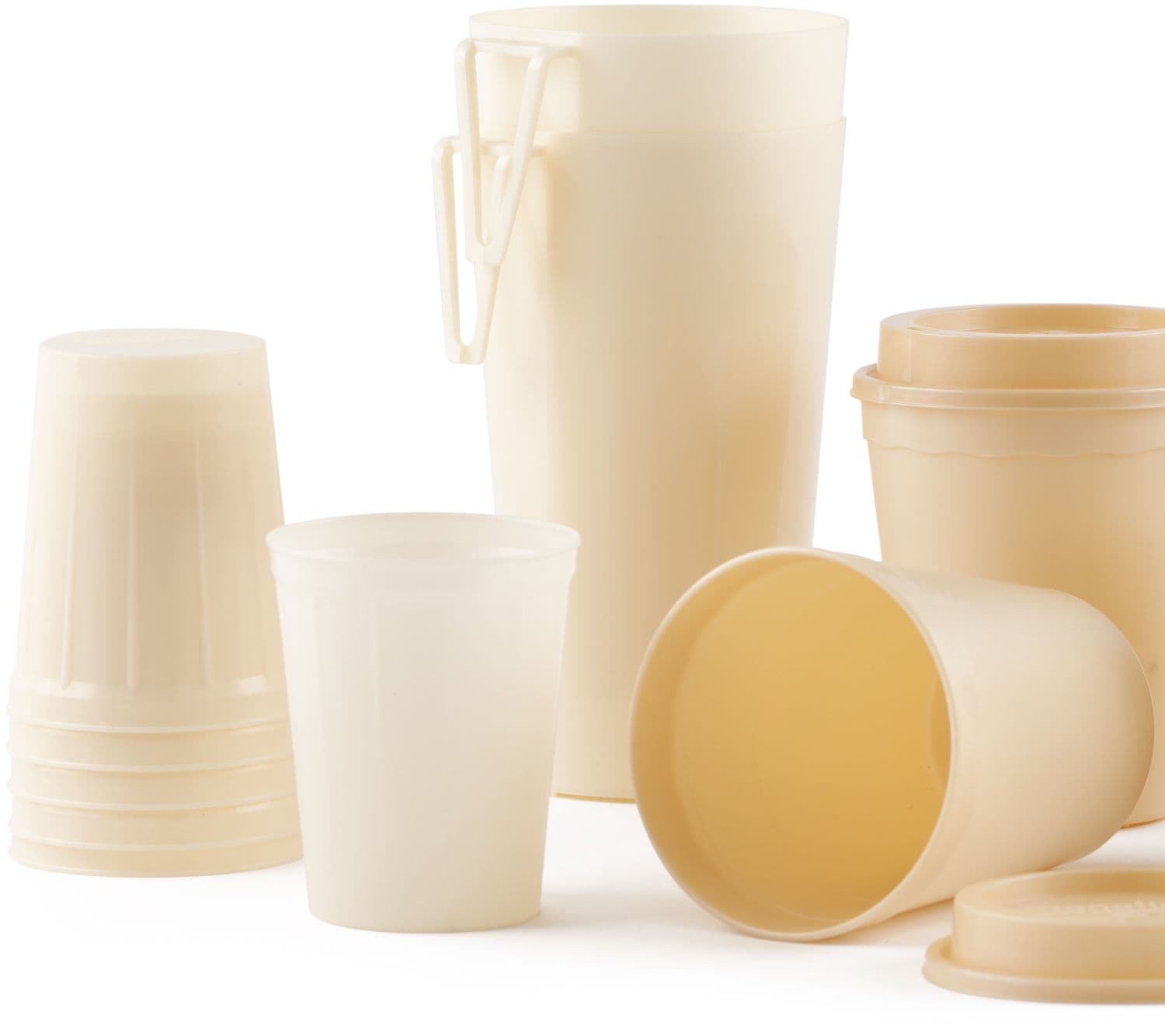
- NonOilen® is a PHA+PLA blend with additives; properties can be set from rigid to flexible (patent-protected).
- Drop-in processing: Works on standard lines (injection, thermoforming, extrusion blow). Hot runners help on complex molds; Panara tech support speeds setup.
- Heat resistance >100 °C and dishwasher-safe—suited to reusable products.
- Proven end-of-life: OK compost HOME/INDUSTRIAL (TÜV) and 100% bio-based carbon; pilots showed safe daily use and real composting.
- Ready to scale & comply: ALPLA backing for industrial roll-out; potential PPWR alignment (2028 review path). Today, buyers still decide mainly on price.
Full interview with Panara.eu
NonOilen® is presented as a fully bio-based and compostable bioplastic. Which specific properties of PHA and PLA made them the backbone of this blend, and how do you evaluate their synergy in terms of performance?
Although PHA and PLA form the polymer base of our NonOilen solutions, it is always at least a three-component system. By adding additional additives, we have achieved significant improvements in processing stability, mechanical properties, barrier performance, and many other characteristics.
Thanks to the variability of the individual components, we can tailor the properties of NonOilen to meet the client’s requirements. For example, ranging from hard, rigid materials to flexible or even elastic ones. These solutions are protected by patents held by Panara, a.s. in several countries.
Your materials can be processed using conventional methods like injection moulding and blow moulding. What technical adaptations, if any, were required to make NonOilen® compatible with existing industrial equipment?
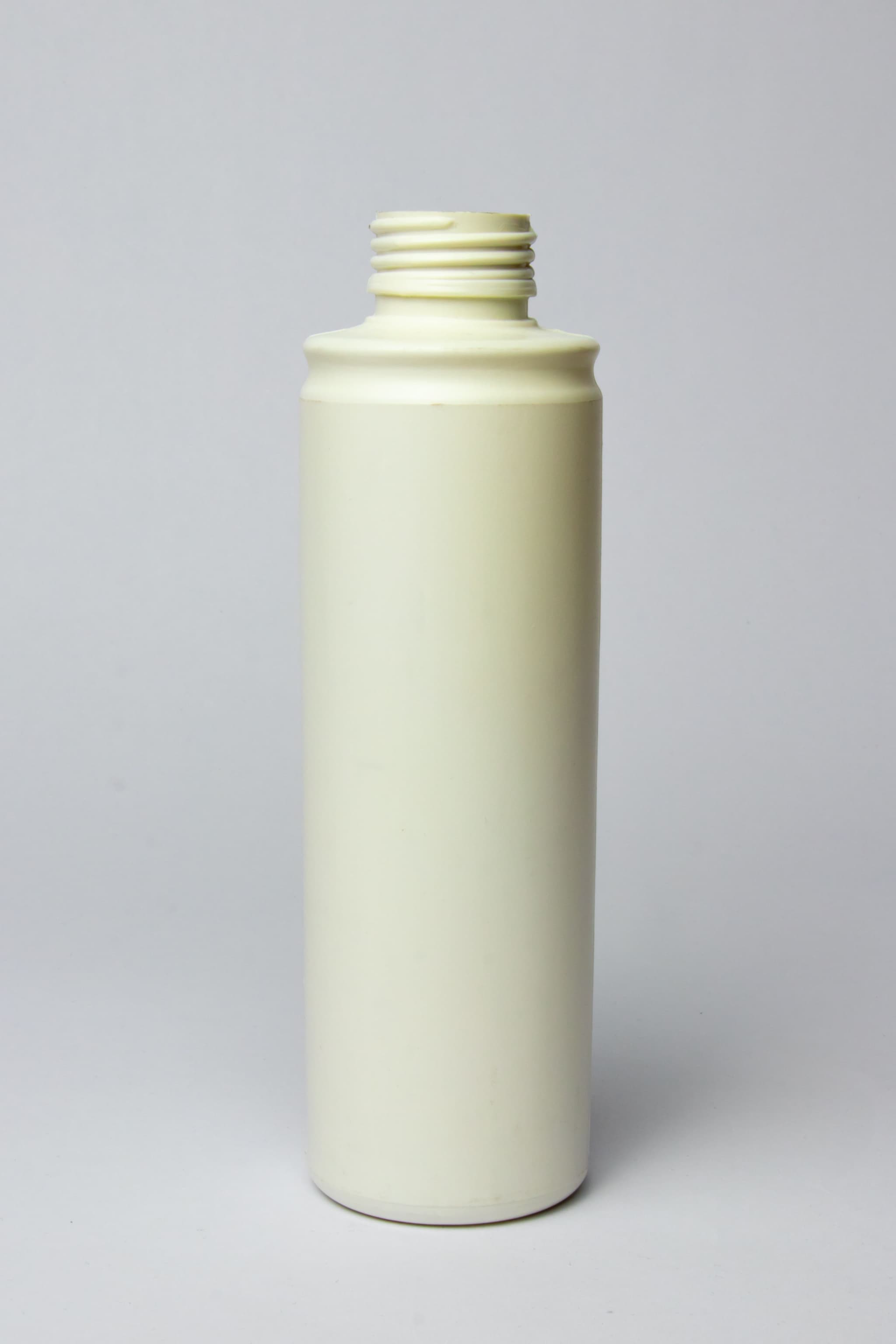
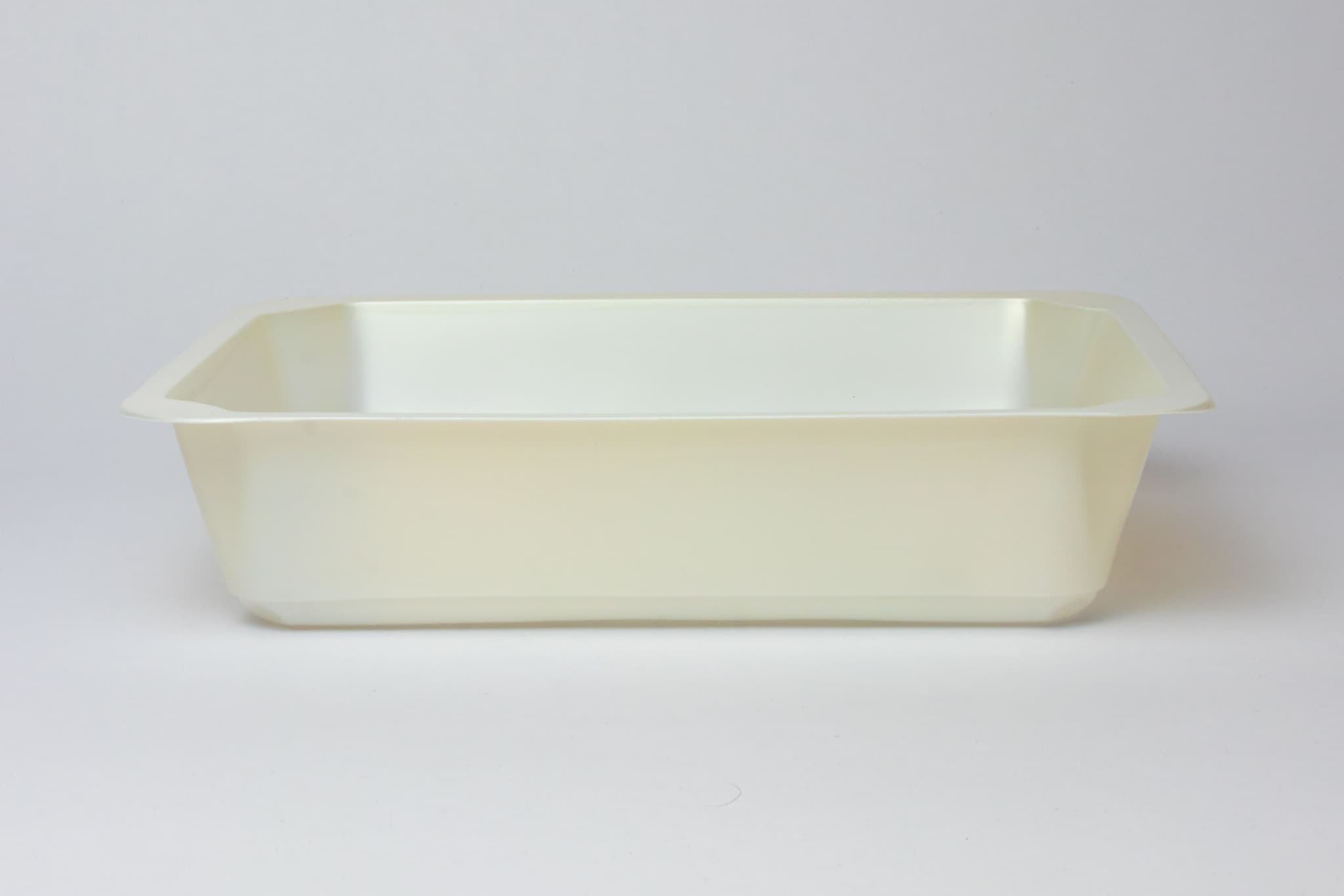
And we also offer grades suitable for thermoforming and extrusion blow molding. So far, we have not encountered any cases where technical modifications to the equipment were necessary. The only thing worth mentioning is that, in the case of injection molding, it is advisable for more complex molds to have hot runners, which I believe is already a standard practice today.
However, it is essential to note that when a company starts working with NonOilen, it is highly recommended that our technicians assist with process setup. After all, NonOilen behaves differently from conventional plastics, and employees in processing companies usually have no prior experience with it. Based on our experience, when our technicians are present during trials, there is a 99% higher likelihood that the process will be successfully optimized.
Such technical support is part of our business strategy and is included when purchasing our material. If a customer prefers not to have our technicians present at their production site, remote support, either online or by phone, is also possible, although we generally prefer in-person participation.
The thermal resistance of bioplastics has long been a limitation compared to fossil-based plastics. What breakthroughs in formulation or processing allowed you to address this challenge?
As I mentioned above, NonOilen is a combination of at least three components. Thanks to long-term research and studies on the effects of individual components, we have achieved heat resistance exceeding 100 °C. It should be noted that these properties were attained not only through the material composition but also thanks to a specially designed production line for processing biopolymers. We worked on the development and optimization of this line for more than two years.
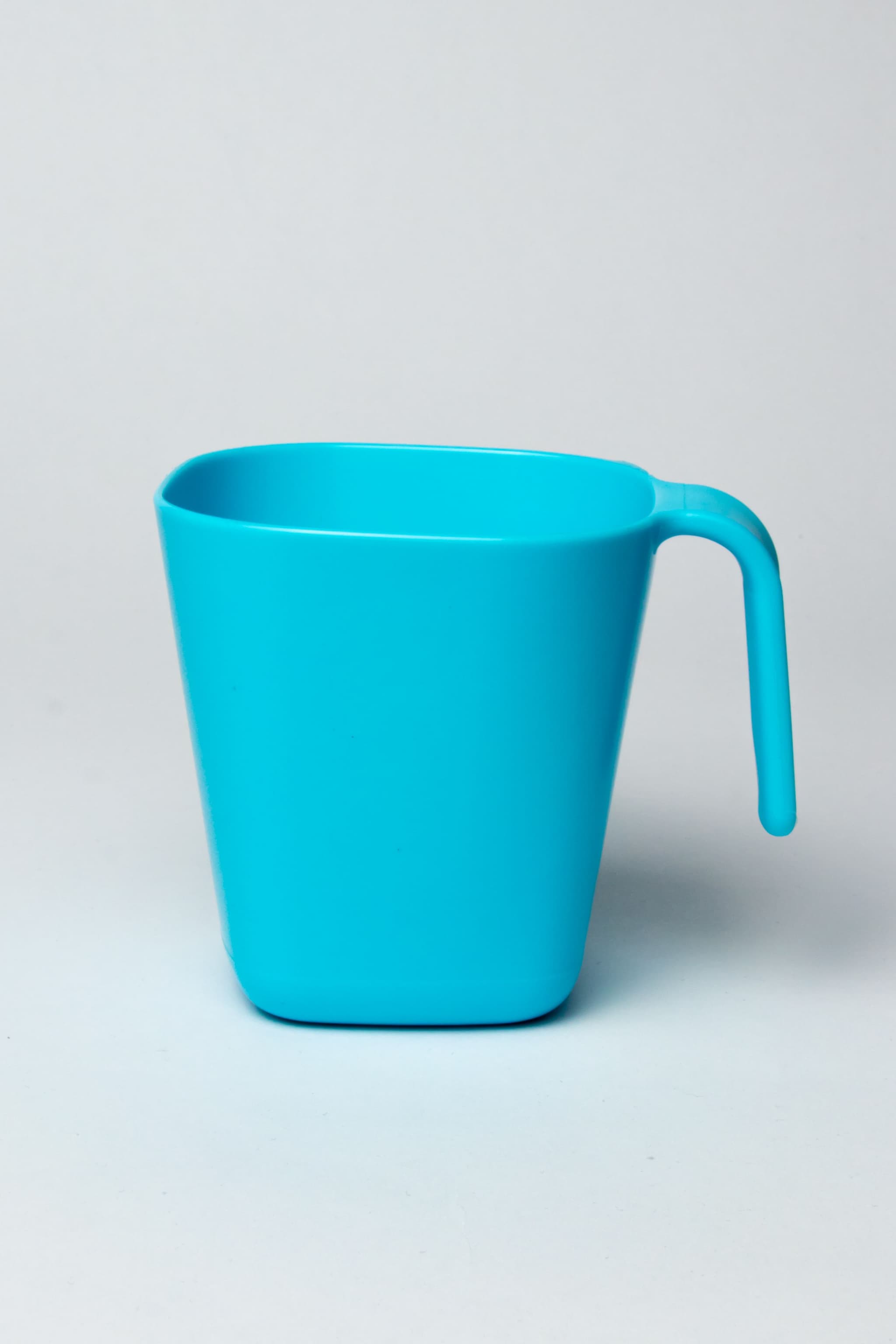
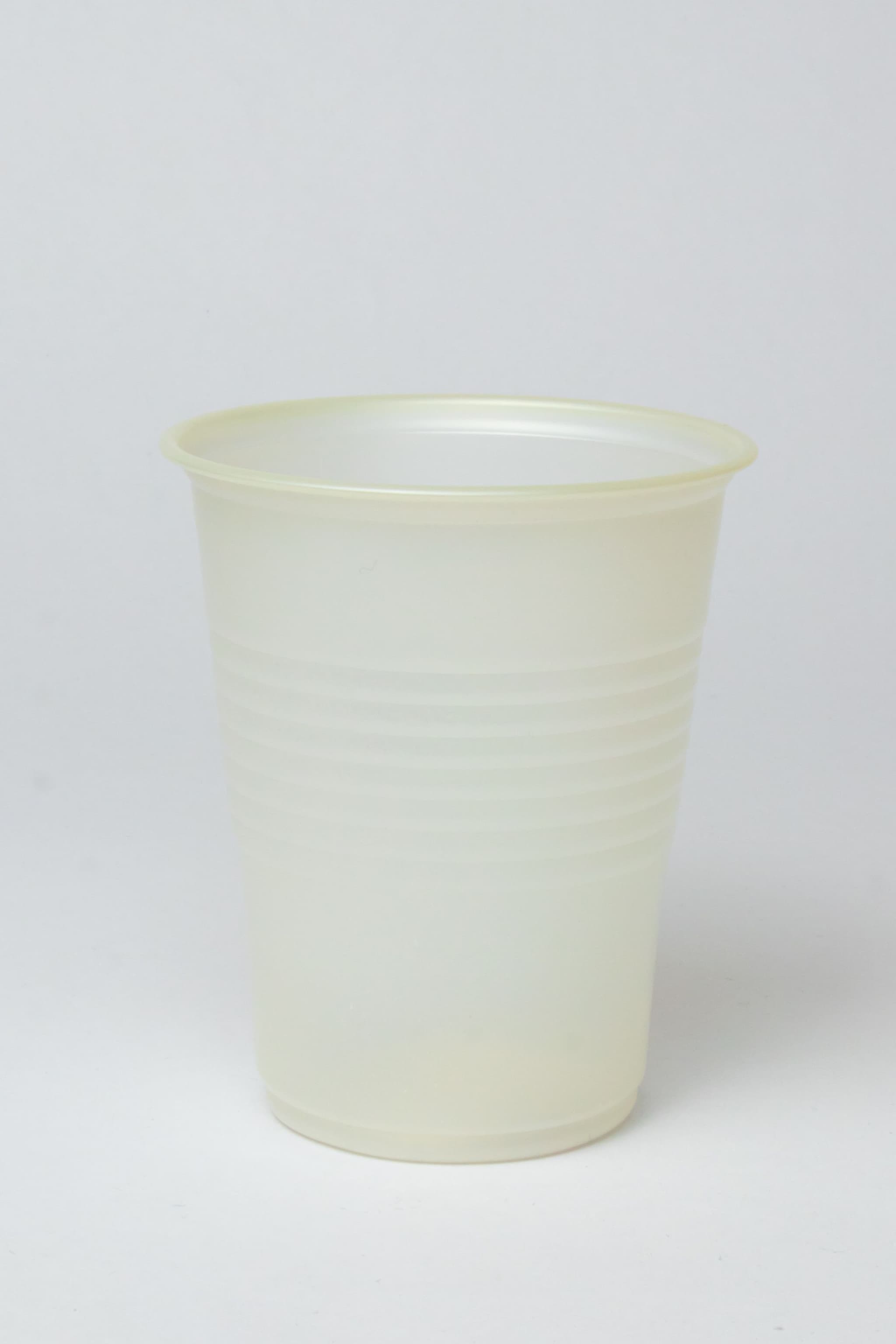
Due to its heat resistance above the boiling point of water, NonOilen can also be used to produce reusable products, as they can be safely washed in dishwashers.
Could you describe the lifecycle pathway for NonOilen®, from production to end-of-life, and how you monitor its success in real-world conditions?
The life cycle of NonOilen begins at our production plant in Slovakia. We produce NonOilen in the form of standard-sized granules, which are then distributed to converters. Depending on the application, products made from NonOilen can be valorized either industrial composting or home composting.
As part of our preparation for scale-up, we carried out pilot projects under real conditions. For example, we supplied NonOilen products to a primary school, where they were used daily by students. We also conducted a compostability test under real industrial composting conditions. Both of these tests were highly successful and confirmed that NonOilen is safe not only during use but also compostable in real-life conditions.
Furthermore, when introducing a new NonOilen product to the market, we actively communicate with relevant stakeholders to ensure the smoothest possible market entry.
5. Scaling production from pilot to thousands of tonnes requires supplier trust. What role do certifications, third-party audits, or data transparency play in assuring customers of your claims?
We have directly collaborated with several of our clients in the research and development of NonOilen, which has significantly strengthened mutual trust. However, in general, I must say that certifications are essential for our customers.
NonOilen is certified for OK compost HOME and OK compost INDUSTRIAL by TÜV Austria, depending on the grade type. Interestingly, for the OK compost HOME certification, we have achieved a maximum nominal thickness of more than 1 mm. We also hold certificates confirming that the biobased carbon content in NonOilen is 100%.
Although certifications are crucial for building mutual trust, we also place great importance on personal contact and a human approach. Our customers are welcome to visit our production facilities in person.
6. Many global brands are under pressure to comply with EU directives on packaging and single-use plastics. How do you align your materials with these compliance frameworks?
From a legislative perspective, this currently represents a major challenge for bioplastics, and we are fully aware of it. According to Article 8 of Directive 2025/40 on Packaging and Packaging Waste (PPWR), by 12 February 2028, the European Commission will review whether it is possible to achieve the recycling targets set out in Article 7 by using biobased materials instead of recycled content obtained from post-consumer plastic waste, in cases where suitable recycling technologies for food-contact packaging are not available.
If this option is adopted, NonOilen will be a suitable material for such applications, as it is fully biobased, and most NonOilen grades are food-contact compliant, meeting the requirements of Commission Regulation (EU) No. 1935/2004 and Commission Regulation (EU) No. 10/2011.
Thanks to its thermal stability, NonOilen products can be washed in industrial dishwashers, making the material ideal for producing reusable products, which is precisely the segment we are focusing on.
7. The acquisition by ALPLA signals strong industrial integration. How does this partnership influence your R&D priorities, particularly in balancing custom formulations with global scalability?
ALPLA is our main shareholder. The capital input of such a large and significant partner meant a significant qualitative shift for Panara, and we feel strong and meaningful support from them. We are engaged in several joint R&D projects, yet ALPLA allows us to maintain our autonomy. Their involvement has not affected our customer-oriented approach.
8. In terms of sourcing intelligence, what information do you believe is most critical for designers or procurement teams when evaluating bioplastic suppliers like Panara, performance specs, carbon data, certifications, or delivery lead times?
In our case, what first captures attention is the combination of a biobased solution with compostability and strong technical performance, followed by verification of processability and the availability of certifications.
We also receive inquiries regarding the carbon footprint; however, we do not yet perceive this as a decisive factor. It serves more as an informational context. What we consider the most decisive factor at present is the price.
9. As bioplastics become more mainstream, what do you see as the next frontier: higher-performance blends, wider composting infrastructure, or digital sourcing tools that make sustainable alternatives easier to find and trust?
From our perspective, there are still challenges in the field of bioplastics, particularly in applications such as fibers and textiles, which are among the largest sources of microplastics. However, what I see as the greatest societal challenge is addressing the issue of bioplastics waste management.
We can develop the best possible materials in terms of processability and technical performance, but if, as a society, we do not know how to handle them at the end of their life cycle, the use of these materials will not bring real benefits.