The PFAS-free food-packaging market is projected to reach USD 84-90 billion by 2030 at around 7% CAGR, while PCR plastic packaging is forecast to exceed USD 50 billion by 2034 amid escalating recycled-content mandates. Barrier-coated fibre formats are tracking 6-7% annual growth as PFAS restrictions narrow viable grease- and moisture-barrier options.
Focus areas now include verified PFAS-free formulations, documented chain-of-custody, EU paper-protocol recyclability and ISO-aligned reuse performance, with factory-scale readiness replacing lab-stage pilots as the baseline standard.
1. PFAS-free fibre barriers for QSR formats
PFAS-free fibre barriers for wraps, clamshells and cupstock are becoming core alternatives to fluorochemical treatments as QSR brands prepare for PPWR, national PFAS limits and retailer-driven fluorine thresholds.
These coatings deliver oil, grease and moisture resistance while remaining recyclable under EU paper protocols and compliant for direct food contact, offering a functional substitute for PE-laminated structures without compromising repulpability or mill recoverability.
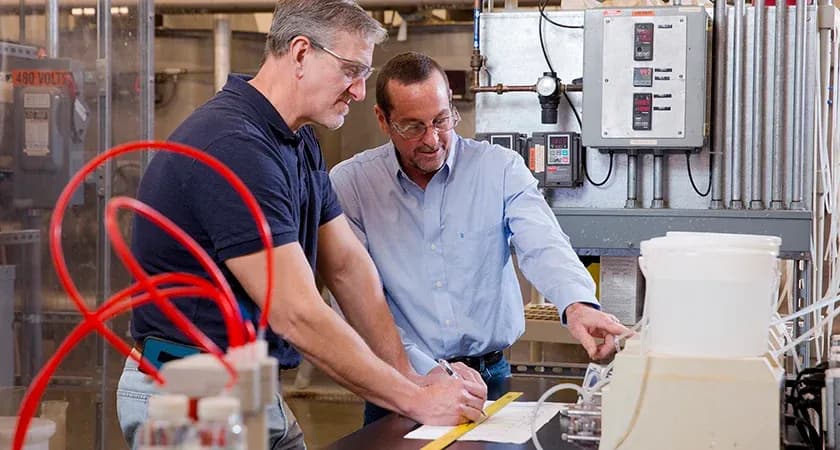
Solenis’ 2025 PFAS-free validation
Solenis, founded in 1907 and headquartered in Wilmington, Delaware, is one of the primary suppliers commercializing these formats at scale. Its TopScreen PFAS-free coatings replace PE and fluorochemical barriers in QSR substrates while maintaining food-contact and recyclability performance.
In August 2025, Solenis expanded TopScreen deployments and published testing data covering oil, grease and WVTR metrics alongside EU paper-protocol recyclability-evidence aligned with ESPR design expectations and validated PFAS-free sourcing under tightening regulations.
2. PFAS-free cupstock and food-service board
PFAS-free coated cupstock is becoming a mainstream substitute for fluorochemical-treated beverage formats as PPWR and national PFAS limits narrow viable barrier chemistries.
These substrates require direct food-contact compliance, independent compostability validation, and recyclability in EU paper streams, especially across hot cups, cold cups and QSR wraps where verified fluorine-free performance is increasingly requested by EU buyers.
APP’s 2024 PFAS-free evidence pack
Foopak Bio Natura, produced by APP Group in Indonesia and supplied into Europe, is a commercial PFAS-free paperboard range for cups, wraps and chilled or frozen formats. Its PFAS-free barrier system is certified for home and industrial composting by ISEGA and DIN CERTCO and positioned for direct food contact.
At FachPack 2024, APP highlighted PFAS-free documentation, third-party chain-of-custody audits and recyclability under EU paper protocols-evidence valued by packaging teams seeking verified PFAS-free sourcing under tightening rules.
3. Lightweight PFAS-free barrier board
Lightweight PFAS-free barrier boards are gaining traction in food-service applications that require fibre circularity and reduced coating weights while still providing reliable grease and moisture protection. These formats enable recyclability in standard paper streams and help converters meet PPWR-aligned design-for-recycling requirements without fluorochemicals.
Chapelton’s 2025 PFAS-free board expansion
Chapelton Board, a UK-based supplier and distributor, introduced the Sustaina Pack PFAS-free range as part of its 2025 expansion of fibre-based boards using alternative pigments and barrier chemistries. Sustaina Pack is engineered for recyclability in mainstream paper systems, with reduced coating weights and performance suited to dry and greasy foods. Its inclusion in Chapelton’s stocked portfolio from June 2025 signals commercial availability and validated supply-chain control for ESPR-aligned specifications.

4. Inline-coated fibre flexibles
Inline-coated fibre flexibles are emerging as scalable alternatives to plastic-laminated wraps, using targeted barrier deposition to maintain recyclability while reducing total coating use. These formats support PPWR design-for-recycling criteria for paper-based flexibles and aim to replace multi-layer structures under increasing regulatory pressure.
Heidelberg & Solenis’ 2024 inline-coating integration
Heidelberger Druckmaschinen AG and Solenis are integrating PFAS-free barrier-coating steps directly into fibre-based flexible packaging via Heidelberg’s high-speed Boardmaster flexo press.
The process applies Solenis coatings only where needed, producing recyclable wraps, pouches and lidding formats with verified adhesion, coating-weight control and EU paper-protocol recyclability. A September 2024 update positioned the system as a cost-effective pathway to factory-scale readiness and ESPR-aligned flexible-packaging performance.
5. High-PCR PET and HDPE rigid bottles
High-PCR PET and HDPE bottles are becoming standard across beverages, dairy and personal care as PPWR escalates recycled-content requirements. These formats must balance PCR levels, migration control, food-contact compliance and mechanical durability, including drop-test and stress-crack performance.
2024-2025 PCR rigids from Alpla, Amcor & peers
Rigid-packaging suppliers including Alpla, Amcor, Alpha Packaging and Berry Global now ship bottles with up to 100% post-consumer recycled content, supported by FDA Letters of Non-Objection and EU food-contact assessments where applicable.
Market analyses from 2024-2025 place PCR plastic packaging at USD 19-34 billion in 2024 and forecast over USD 50 billion by 2034. Converters rely on chain-of-custody documentation, NIAS assessments and validated supply-chain controls to meet PPWR-aligned requirements under tightening regulations.
6. PCR rigid trays and pots for chilled foods
PCR-rich PP and PET trays are expanding rapidly in chilled foods, ready meals and dairy, where brands must meet PCR targets without compromising recyclability in established European systems. These formats depend on harmonised test protocols to protect food-contact safety and sorting compatibility.
Faerch’s 2024 PCR tray compliance
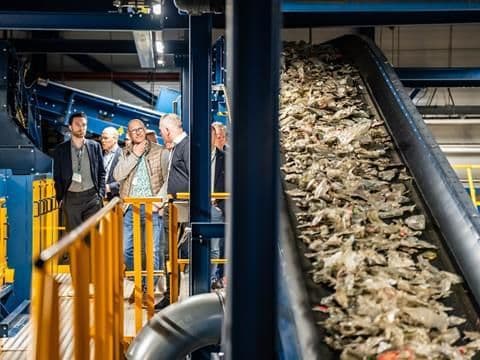
Faerch Group and other EU thermoformers are scaling PCR PET and PP trays designed to comply with RecyClass and APR criteria. Updated guidance through March 2024 defines thresholds for EVOH barriers, density profiles and colour choices that preserve recyclability of PP and HDPE rigids.
Under PPWR (in force since early 2025), trays with verified PCR content and EU paper-protocol equivalents for plastics are central to demonstrating ESPR-aligned performance, supported by APR/RecyClass testing in chain-of-custody documentation.
7. Fibre-based cold-chain shippers replacing EPS
Fibre-based cold-chain formats are replacing EPS in pharmaceuticals, grocery delivery and meal kits as brands seek recyclable, lower-impact thermal packaging that maintains tight temperature control. These systems must meet lane-performance and hold-time requirements while being recoverable in fibre streams across EU markets.
TemperPack’s 2025 fibre cold-chain performance
TemperPack and other specialists market fibre-based insulated systems combining engineered corrugated or molded-fibre components with phase-change materials. Their systems maintain temperature integrity across logistics lanes and remain recyclable in many EU fibre streams. Published testing on lane performance, thermal hold times and material recovery supports their use in food-contact relevant or secondary-packaging applications under tightening ESPR expectations.
8. High-formability fibre flexibles (e.g., FibreForm)
High-formability fibre substrates offer deep-draw shaping and renewable content for blister-style packs, lids and trays, providing a fibre-based alternative to plastics while maintaining recyclability in paper systems. These materials support brand shifts toward ESPR-driven fibre flexibles.
Billerud’s 2025 high-formability fibre adoption
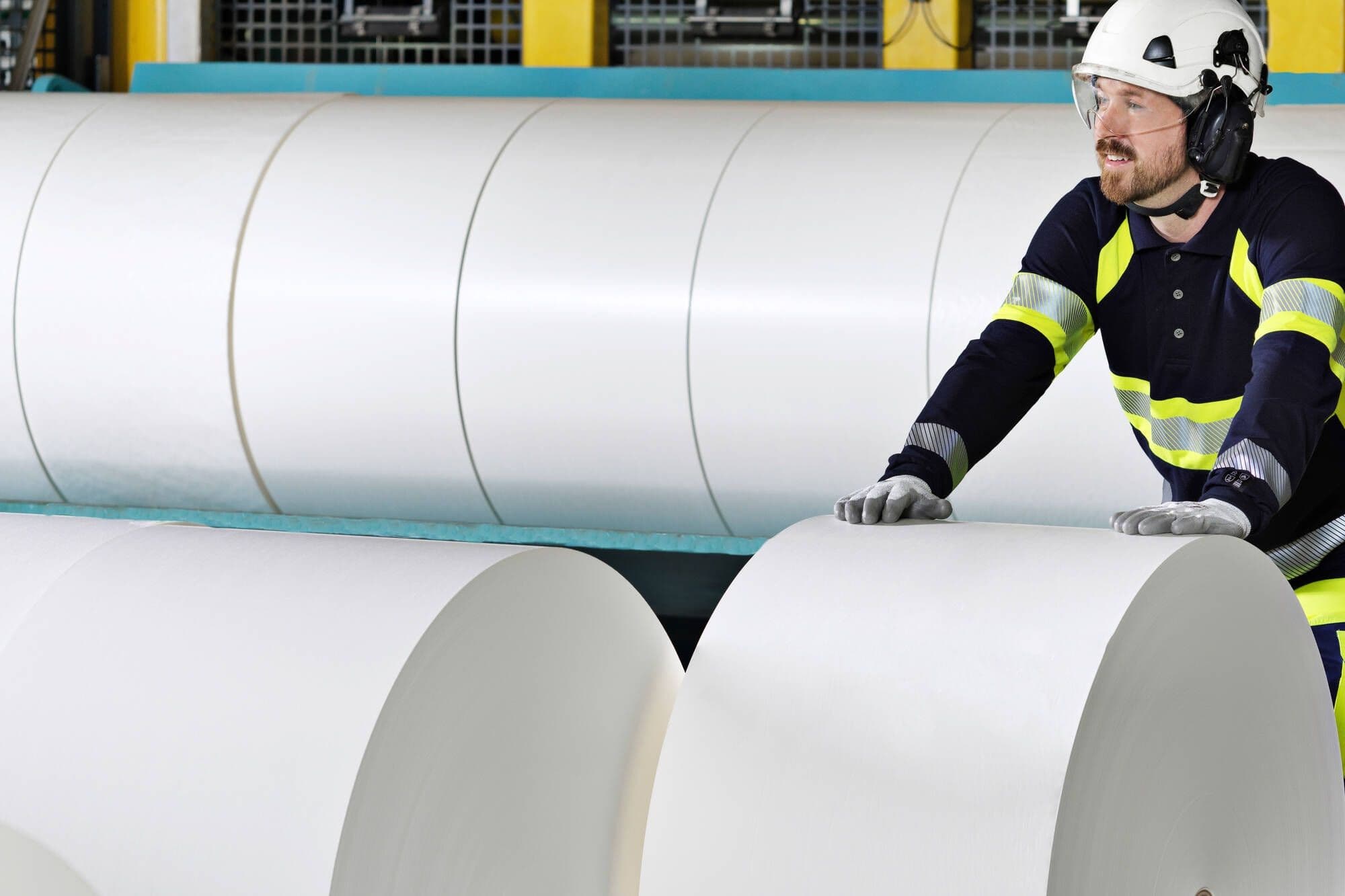
Billerud supplies FibreForm and related high-strength fibre materials designed for thermoforming and embossing in flexible and semi-rigid packaging. Coverage of European flexible packaging markets in late 2025 highlighted growing adoption across FMCG and food categories, supported by 4evergreen design-for-recycling guidelines and verified fibre-sourcing documentation. These materials deliver commercial availability rather than lab-scale prototypes.
9. Reusable primary and transport packaging
Reusable packaging systems are expanding across Europe as policymakers evaluate ISO-aligned reuse pathways and ESPR shapes criteria for multi-use formats. These systems need validated washing, rotation and return logistics to demonstrate credible environmental performance.
IFCO’s 2024 reuse network evidence
IFCO operates one of the largest pooling networks for reusable crates and containers, supported by verified washing, rotation and reverse-logistics infrastructure. ISO-aligned LCAs published in 2024 outline conditions under which reuse meets climate and resource thresholds. IFCO’s documented chain-of-custody per rotation provides evidence for ESPR-aligned reuse claims and offers a factory-scale alternative to untested pilots.
10. Digital and data layers for PCR and fibre compliance
Digital characterisation tools are helping brands model colour stability, mechanical properties and migration behaviour of recycled polymers and fibre grades before full-scale trials. These tools shorten development cycles for high-PCR, food-contact compliant materials.
Unilever’s 2024 PCR digitisation effort
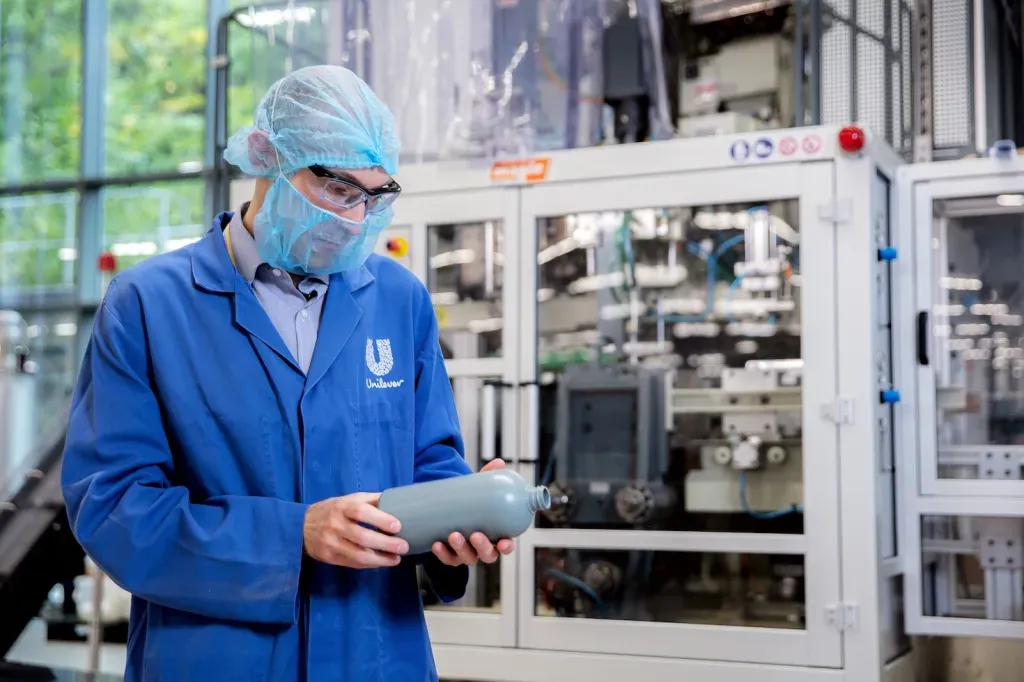
Unilever is digitising recycled-plastic grades-around 160 in 2024-to build predictive models that reduce physical sampling and improve consistency in PCR-based packaging. When combined with CosPaTox, RecyClass and 4evergreen frameworks, these data layers create validated supply chains with robust chain-of-custody documentation. They support ESPR-aligned claims on recyclability, PCR content and material readiness under tightening regulations.
These ten materials illustrate how next-gen formats are shifting from pilots to verified, scalable deployment, backed by recyclability evidence and documented supply-chain control. For packaging leaders, they mark where commercial readiness is already established under tightening regulations.
For a deeper view on verified PFAS-free sourcing, download Tocco Report: PFAS-FREE 2030 Special Report