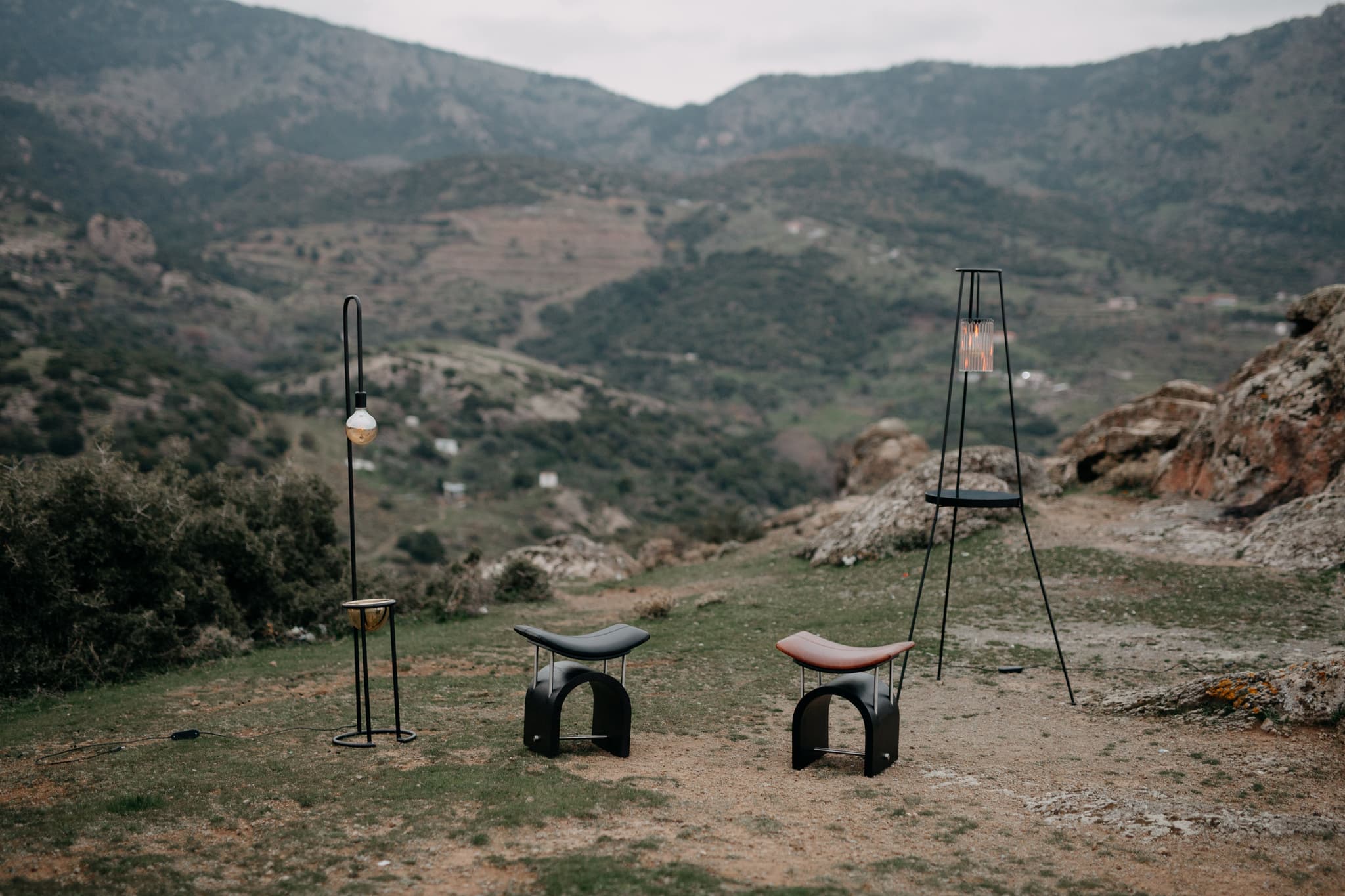
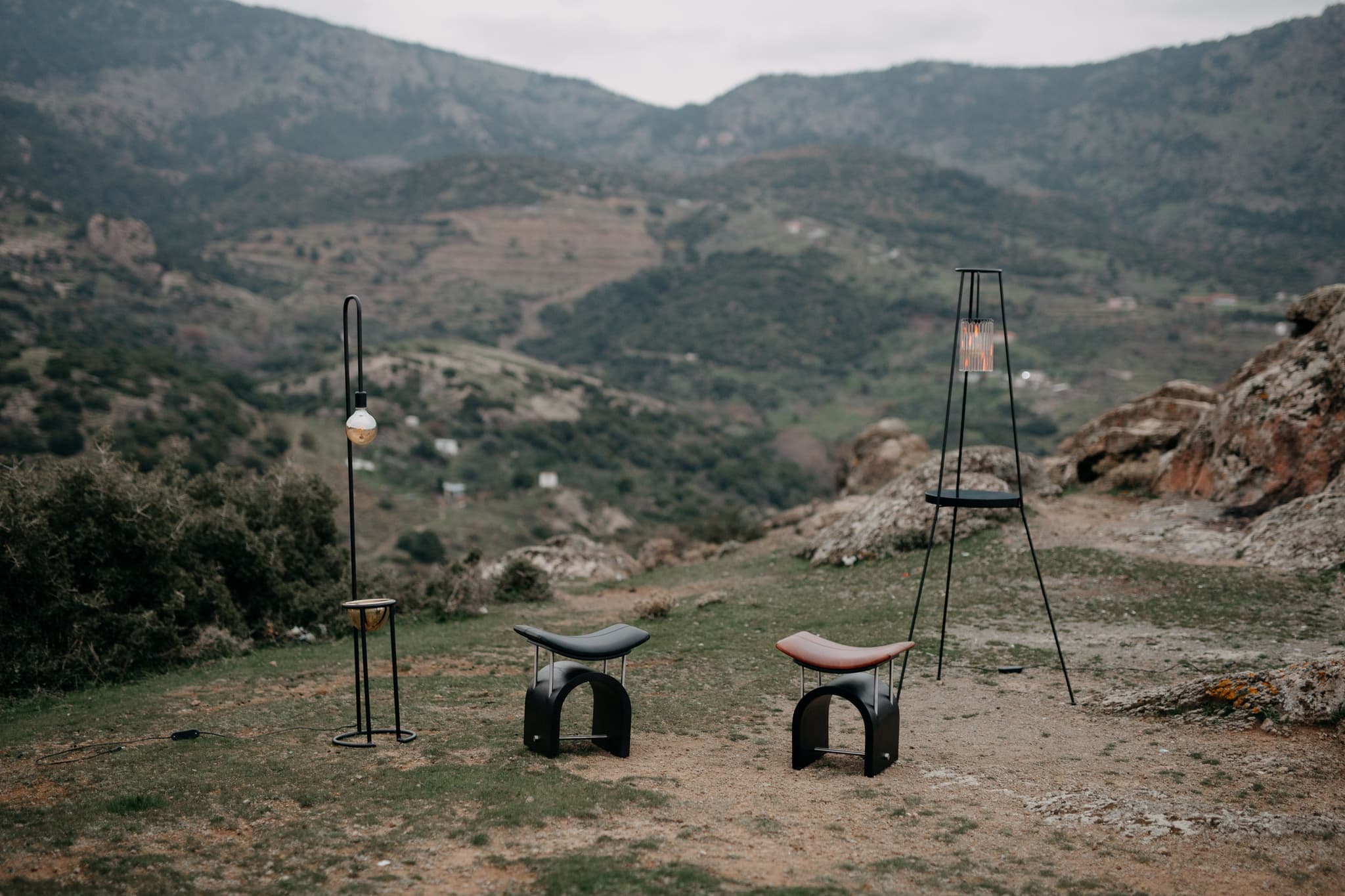
Your collection combines multiple materials such as wood, metal, leather, and glass. What considerations do you make in terms of material compatibility and environmental impact when selecting these resources?
As Studio Laf, we primarily focus on basic criteria such as naturalness, durability and environmental impact in our material selection. When choosing materials such as wood, metal and glass, we care not only about aesthetic compatibility but also about environmental friendliness. We aim to obtain materials such as wood directly from the forest and choose recyclable options in metals.
We prefer natural materials such as leather from long-lasting and renewable sources. While each material contributes to our designs with its own characteristic features, we work to ensure harmony and aesthetic balance when combining them.
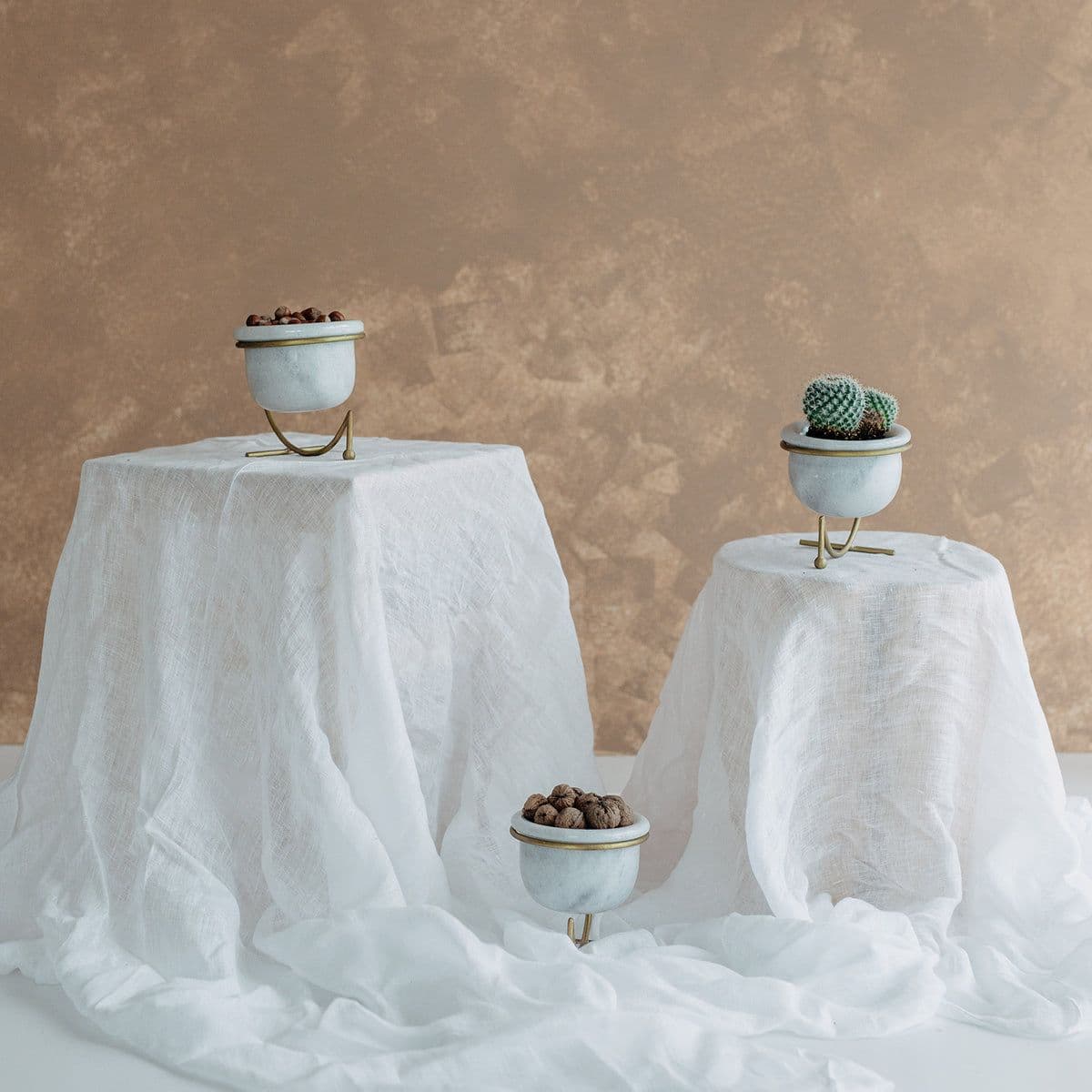
Studio Laf supports local manufacturing in Istanbul. Could you describe some of the challenges and rewards of working with local suppliers, particularly when aiming for high-end international distribution?
Working with local suppliers/craftsmen is an important choice that supports Studio Laf's originality mission. Thanks to local production, we both reduce our carbon footprint and benefit from the expertise of local craftsmen.
In addition, we can convey the unique story of each piece to our global customers by mastering the origin of our materials. This adds quality and meaning to our products, while deepening the "storytelling" aspects.
With products like "Charm" and "Mon," you’ve combined natural materials with distinctive forms. How do you balance the natural variations in materials like marble or brass with your intended design aesthetic?
In our designs such as Charm, Mon or Brook, we try to maintain the uniqueness of natural materials while achieving an aesthetic integrity. The vein structure of marble or the natural texture of brass make each product unique and special. We determine these natural variations at the beginning of the design process and use the originality of each piece in an aesthetic harmony.
Thus, while emphasising the naturalness of the material, we provide balance with a minimalist and refined appearance. The natural materials we use are generally obtained from the geography we are located in and reflect the story of the geography.
Studio Laf incorporates a wabi-sabi aesthetic, especially in pieces like the Mon Vase. Could you share more about how Japanese cultural elements or philosophies influence your designs?
The wabi-sabi philosophy brings an approach to our designs that embraces natural textures and imperfections. Inspired by Japanese aesthetics, we adopt a design approach that emphasises imperfections and naturalness. In our products such as the Mon Vase, we combine the simple and balanced form with the imperfect structure of natural materials.
This philosophy both adds a story to our products and supports a timeless design approach.
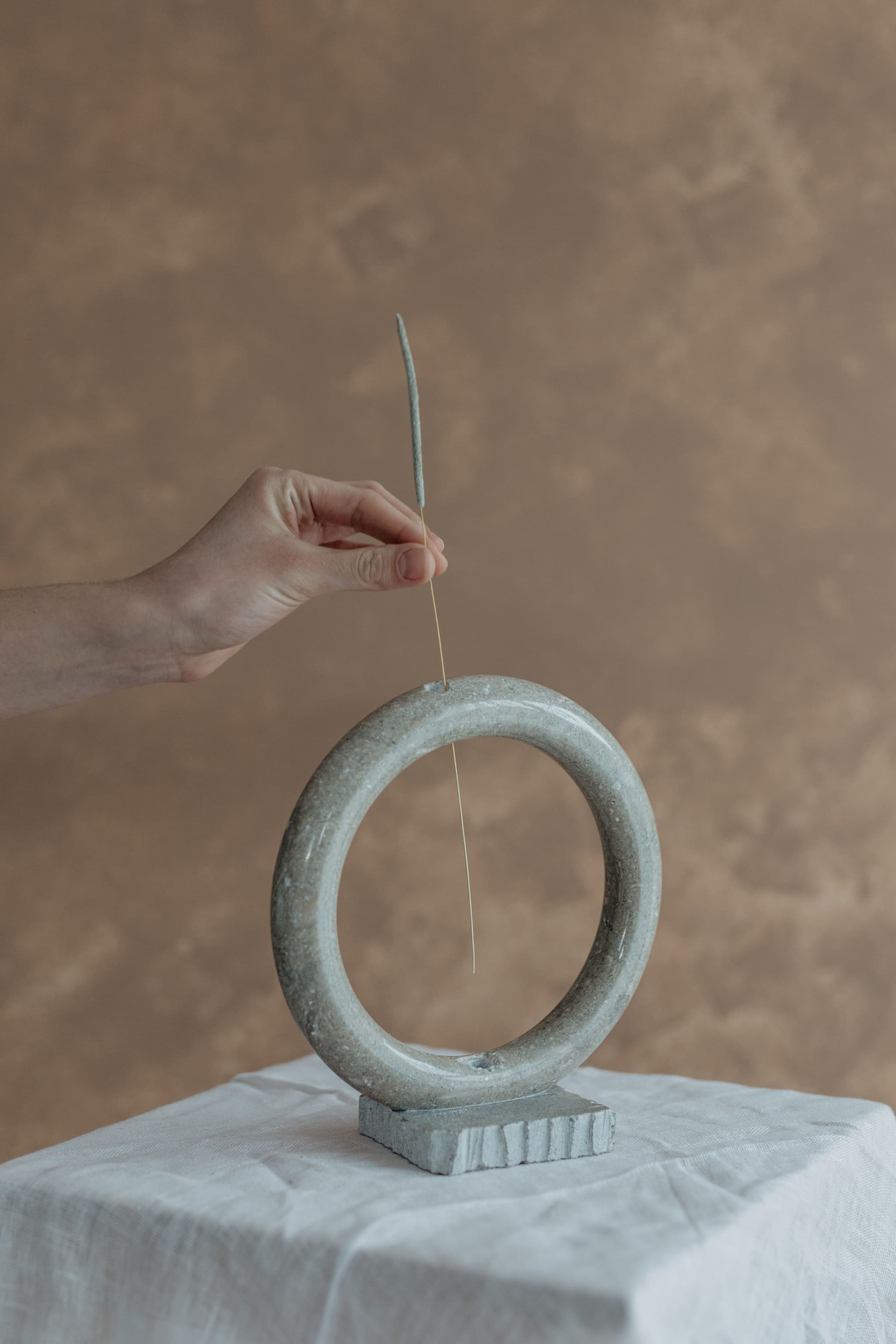
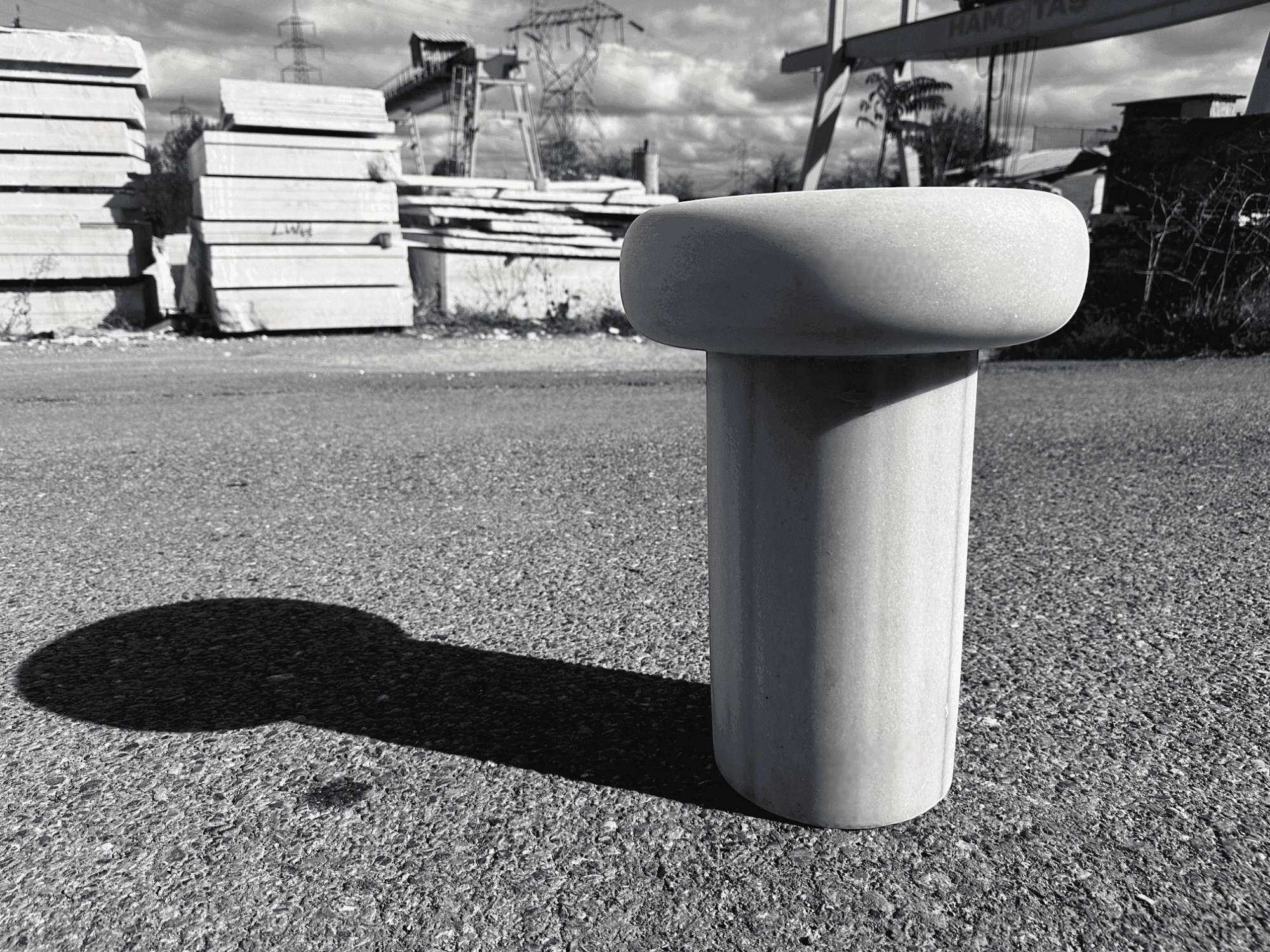
"Charm" is described as a ‘timeless’ piece that resonates with natural veining in marble. How does Studio Laf ensure that these natural materials maintain their quality over time, particularly for clients in varying climates?
In order for our pieces made of natural materials such as Charm to be long-lasting, we use durable natural materials and high-quality workmanship techniques in the production process.
We work by shaping the type of marble that we know and test in order to preserve the natural beauty and durability of marble. In order to increase its resistance to different climate conditions, we select materials that are resistant to humidity and temperature changes and offer product care recommendations to our customers.
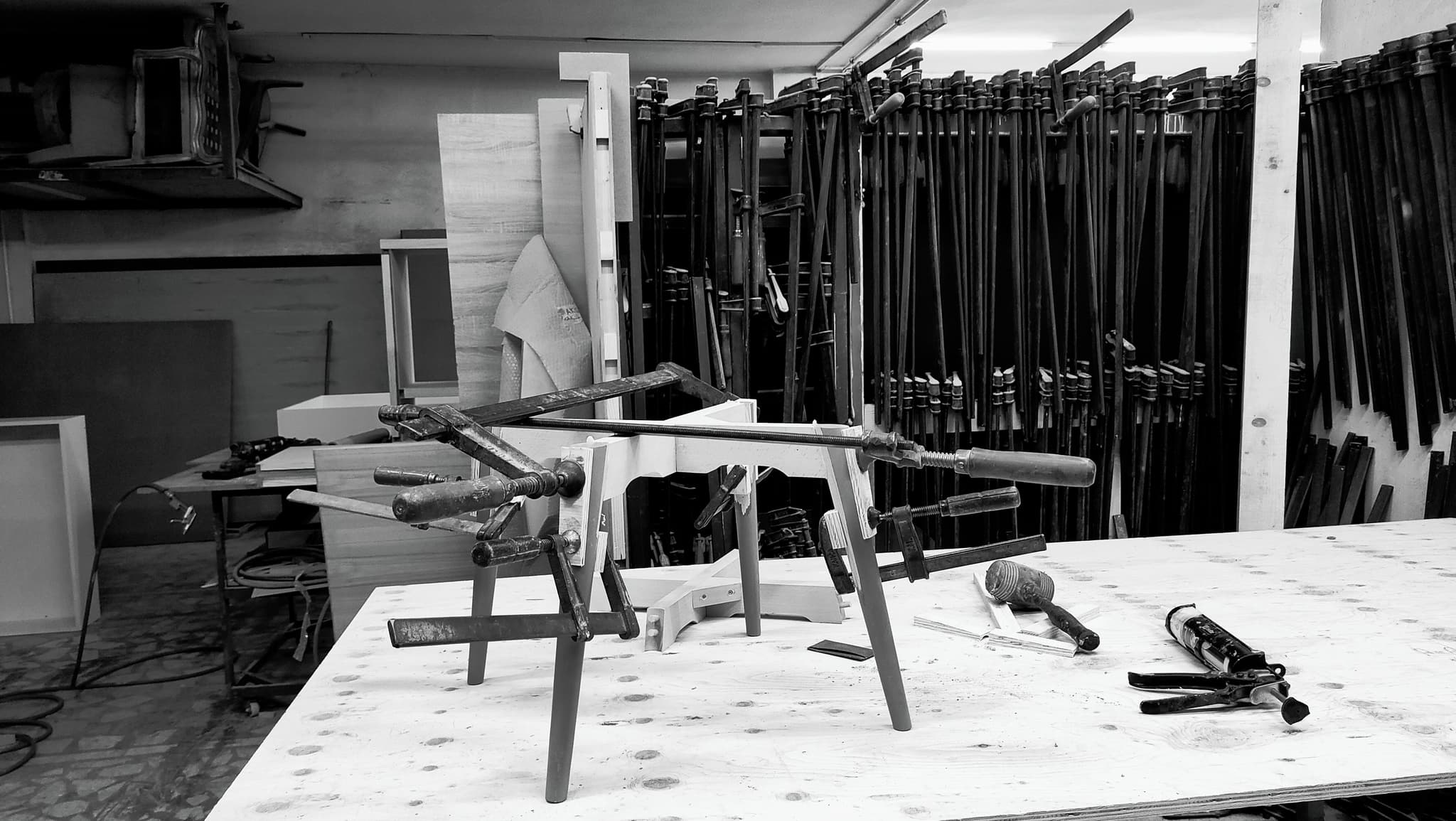
Studio Laf offers a one-year warranty on its products. How does this commitment reflect your approach to client satisfaction and product longevity?
Offering a one-year warranty is an indication of our belief in customer satisfaction and product quality. As Studio Laf, we care about our products being durable for many years, both aesthetically and functionally.
During the warranty period, we offer our customers a quick solution in case of any malfunction, thus securing the purchasing experience. This commitment increases trust in our brand and reflects our commitment to quality.

As you develop the 2025 furniture collection, could you share any specific commitments to material innovation, artisanal techniques, or sustainable practices that will define these new pieces?
Sustainability and craftsmanship will be at the forefront of our 2025 collection. We aim to create a more environmentally friendly collection with materials provided from local and natural resources. We carry out a special study to minimise environmental impact by using recycled and/or recyclable materials.
In addition, we aim to add a unique touch to each piece by combining traditional craft techniques with a modern design approach. Thus, we express Studio Laf’s commitment to sustainability through our aesthetic and functional designs.