Key Points
- Soft Nappa without chrome: olive-leaf tannin (OBE) uses hydrogen + covalent bonds, delivering soft veg-tan leather compatible with drum tanning.
- Adopted by majors: proven in BMW i3/i8/iX, followed by Porsche, Volkswagen, Skoda, Audi; also used by Starbucks, Vitra, Tricker’s
- Certified & safe: Cradle to Cradle Gold (process), USDA BioPreferred 100%, Dermatest “Excellent”; water-based extraction focused on oleuropein; end-of-life can become biofertiliser.
- Scale & chemistry choices: cost—not performance—slowed uptake; Silvateam (Italy) partnership improves kilometro zero scaling; no metal-complex dyes; thick finishes cut biodegradability.
Full interview with Olivenleder®
1. What properties of olive‑leaf tannin (wet‑green® OBE) make it particularly suited for replacing chrome in the vegetable tanning process?
The way it reacts with the skin enables a soft Nappa-type vegetable-tanned leather, which previously wasn’t possible with conventional agents. The two binding mechanisms make it unique. While most vegetable tanning agents rely solely on hydrogen bonding, our olive pruning extract introduces both hydrogen bonds and covalent cross-linking. The latter is key to softness. That’s what makes olive pruning and its leaves so unique.
2. Could you specify the extraction and concentration process of the olive leaves, how does this “tea‑brewing” method influence the tannin’s phenolic profile and tanning performance?
A simple water-based extraction releases healthy molecules like oleuropein, which are beneficial to humans and also crucial for tanning performance. This process allows for both binding mechanisms. We concentrate the extract by evaporating water, transforming it from a tea into a syrup for tanneries. The water is recycled. Unlike conventional tannins, we focus on oleuropein and its derivatives, making our extract truly one-of-a-kind.
3. During scale‑up, what technical hurdles arose in integrating this plant‑based tannin into conventional drum‑tanning workflows?
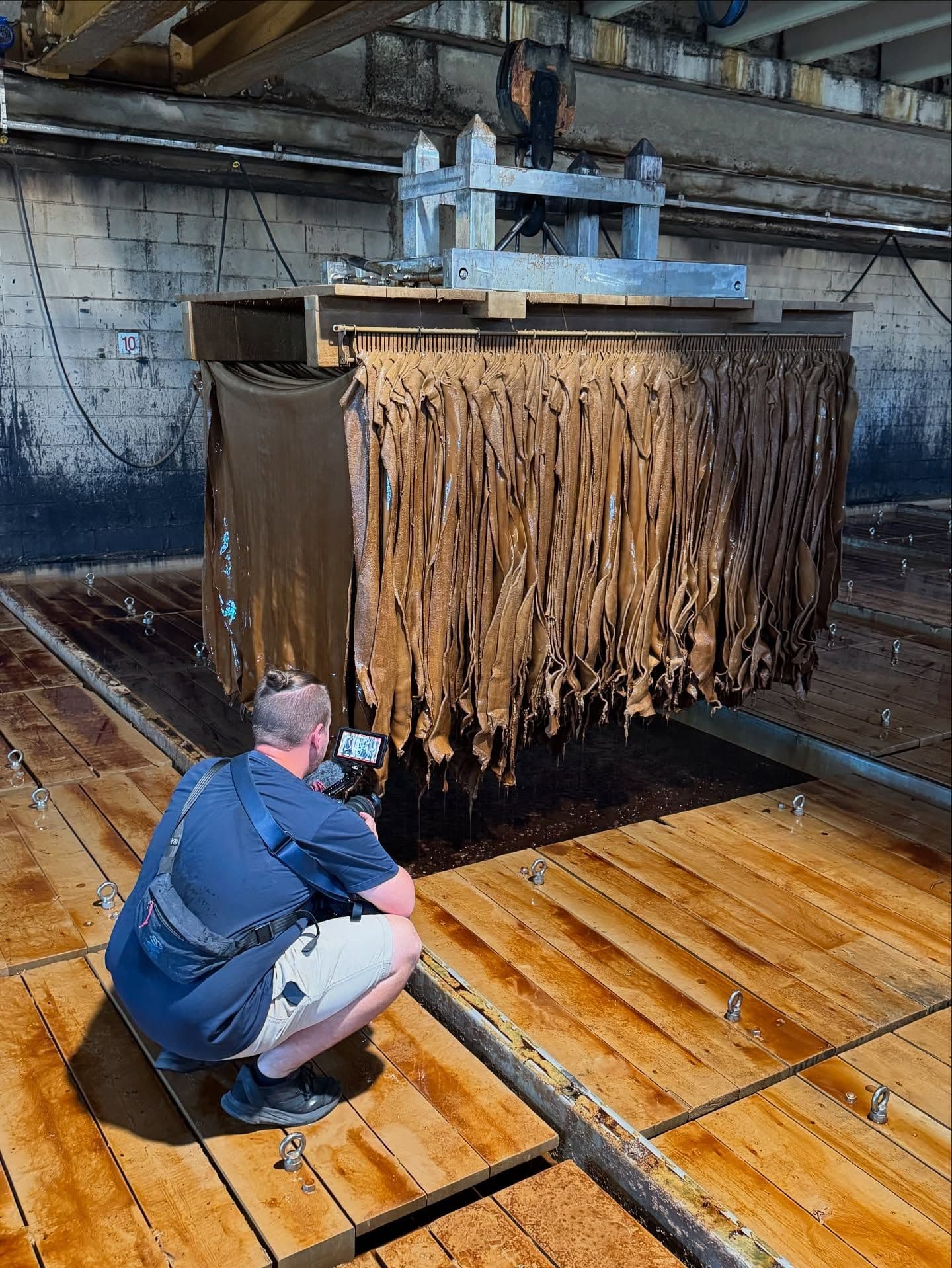
The main hurdle wasn’t technical; it was economic. Price sensitivity and the industry’s reluctance to adopt alternatives to chromium or glutaraldehyde were initial barriers. However, our tanning agent works perfectly in drum tanning and has been adopted by major tanneries, proving its compatibility and effectiveness.
4. How do you evaluate the durability and patina development of olive‑tanned hides compared to traditional chrome or other veg‑tanned leathers?
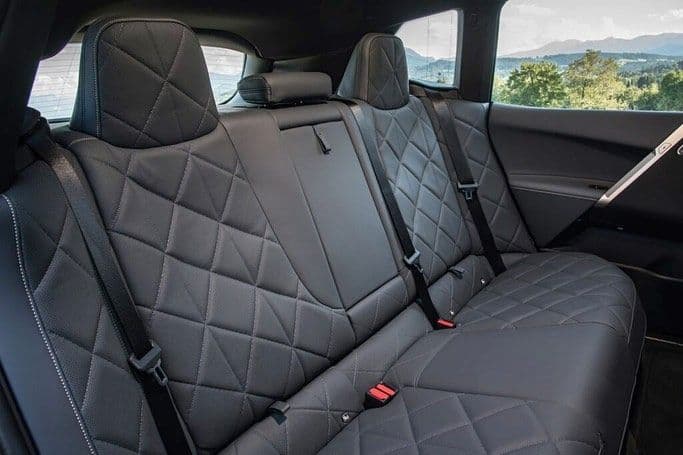
Through long-term testing and technical brand specs. Brands always test before implementation. BMW, for instance, tested and adopted Olivenleder® in the i3, then i8, and most recently in the iX. Since then, Porsche, Volkswagen, Skoda, and Audi have followed. Others like Starbucks, Vitra, and Tricker’s also conduct similar vetting processes.
5. What lifecycle data supports your claim that Olivenleder® is biodegradable and environmentally beneficial, not just “less harmful”?
It’s the first and only tanning agent to receive Cradle to Cradle Gold Certification for the entire process. Also approved under USDA BioPreferred (100%) and rated EXCELLENT by Dermatest for human skin sensitivity. It can even be converted into biofertilizer. Traditional LCAs don't capture the full picture, due to a lack of transparency in chrome and petroleum-based processes.
6. Can you describe how pigment and dye selection needed adaptation to ensure full aniline colouring without compromising biodegradability?
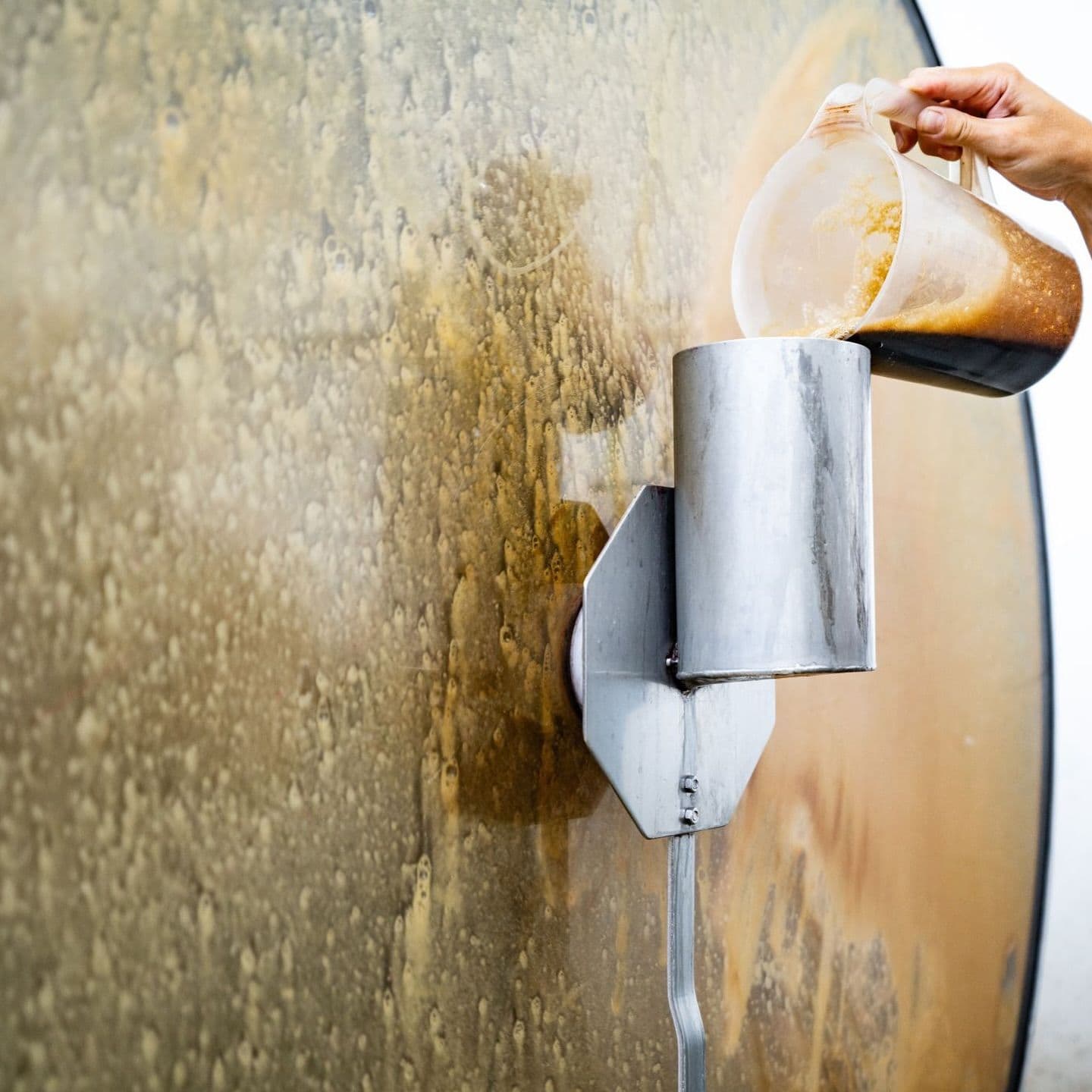
We prohibit metal complex dyes (e.g., chromium, nickel, cobalt). Instead, acid dyes are preferred for their biodegradability. Overly thick finishes reduce biodegradability. Interestingly, the more vegetable tanning agents in a skin, the slower it biodegrades. But this slow release supports plant health. Unlike synthetic or metal-tanned leather, Olivenleder decomposes safely.
7. In collaborations with furniture and automotive brands (like Vitra and HUGO BOSS), what performance criteria had to be met to qualify Olivenleder®?
Brands have strict technical requirements. For example, Vitra started with five test colors and then transitioned their entire product line (20+ colors) from chrome to Olivenleder. The challenge wasn’t performance, it was price, now addressed via partnership with Silvateam in Italy, enabling kilometro zero production and better scalability.
8. At end‑of‑life, how does Olivenleder® behave in composting or recycling streams?
Once broken down, Olivenleder behaves like a nutrient depot, slowly releasing its contents to the soil. Unlike synthetic leathers, it doesn't release toxic metals or synthetic residues, making it ideal for composting or even conversion into biofertilizer.
9. How do you envisage expanding the Olivenleder® concept into new applications, such as medical or aerospace upholstery, and what material innovations would that require?
Aircrafts already use Olivenleder. One notable electric car CEO uses it in his private jet, after abandoning chrome-tanned leather. We’ve even collaborated with leather alternatives like mycelium-based materials. We're looking for brands with real vision, not just those with good storytelling. The future of the leather industry depends on adopting innovations like Olivenleder, or it risks extinction.