Key Points
- Nopal cactus fibres (cellulose, hemicellulose, proteins) give durability and natural softness; moisture helps shaping.
- Toughest step: Extract the useful compounds without damaging them; controlled, bio-based stabilisation delivers consistent sheets.
- Non-toxic chemistry: Choose binders/coatings that meet OECD/EPA/REACH; pilot small, scale what works; decisions guided by a 400+-formulation database.
- Farm and soil logic: Work with local growers, harvest without uprooting, no agro-chemicals; cactus regenerates degraded land and stabilises supply.
- Custom grades meet abrasion/aging targets for fashion, interiors, auto; 4-week lead time, global credentials, LCA + biodegradation data.
Full interview with DESSERTO
1. Cactus leather is a striking alternative to animal hides. Which inherent properties of the nopal cactus made it a particularly strong candidate for transformation into a supple, durable leather substitute?
The nopal’s cladodes are naturally rich in protein, cellulose, and hemicellulose, compounds that form strong polymeric networks vital for durability. These polysaccharides give the material its mechanical strength, while cactus-derived proteins act as plasticizers, keeping the material flexible rather than brittle. The high moisture content also helps during processing, enhancing blendability and moldability.
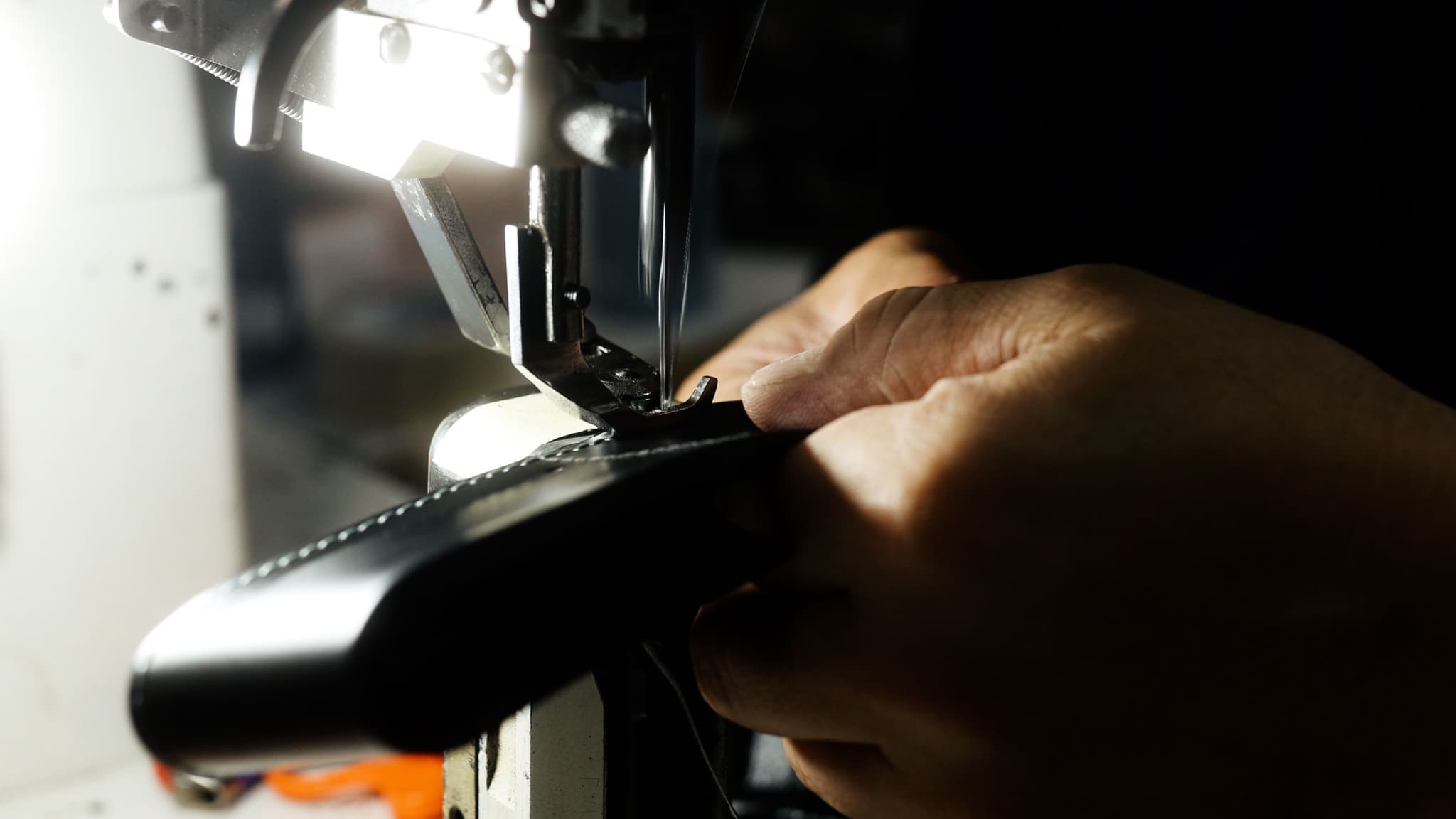
2. Can you describe the most technically complex stage of converting cactus fibres into a high-performance material, and how your team overcame those challenges?
Extracting the organic ingredients of cactus without degrading their molecular integrity is the most intricate phase. To maintain this, we use controlled extraction processes and bio-based chemical stabilization methods. Since the cactus isn’t compositionally uniform, producing a homogeneous material with consistent mechanical and aesthetic properties is an ongoing challenge, and our proudest accomplishment.
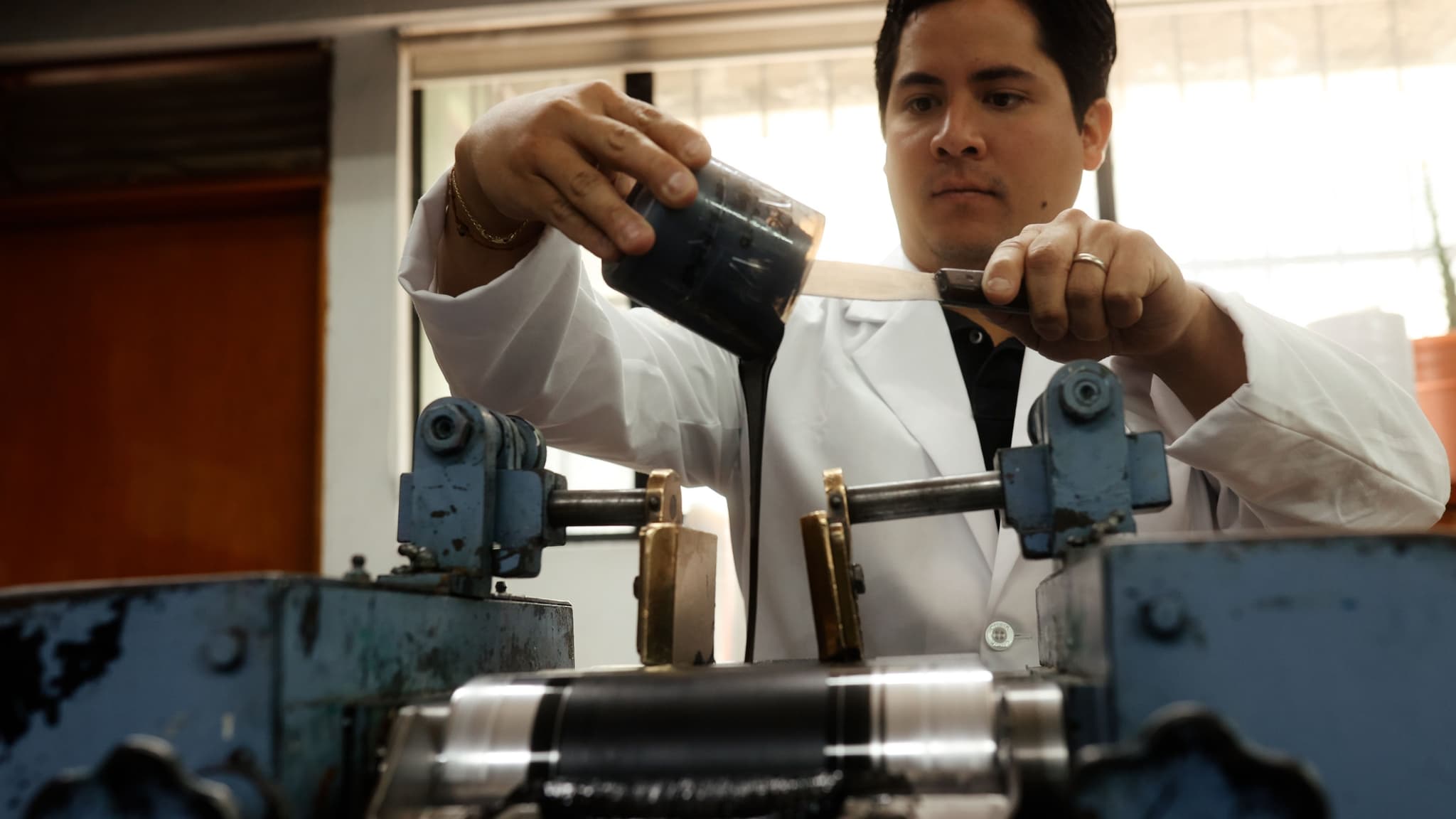
3. Your production avoids PVC and toxic additives. How do you evaluate and select safe, high-performing binders and coatings without compromising the durability of the final leather?
We combine chemical safety, performance analysis, and environmental criteria to select alternatives. Our R&D emphasizes bio-based additives derived from non-edible food industry by-products. All materials undergo OECD, EPA Safer Choice, and REACH evaluations. We conduct over 400 pilot formulations, cross-checking durability and non-toxicity data before scaling up.
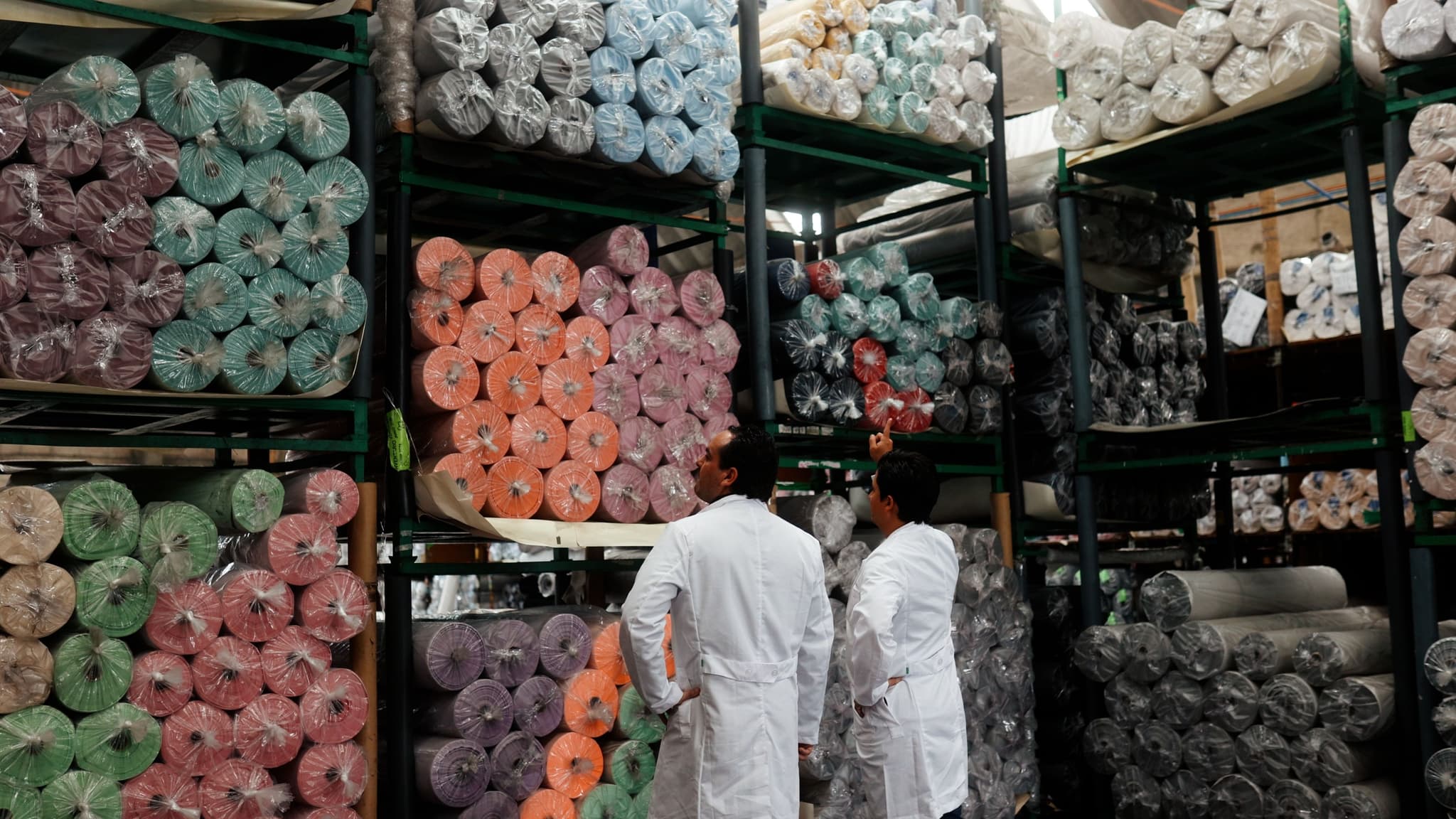
4. Working with local farmers is central to your model. How do you specify cultivation methods and harvesting standards to ensure both material consistency and long-term soil health?
Our Code of Conduct ensures ethical and consistent farming. Third-party auditors support implementation of agro-industrial protocols. Cactus grows on previously abandoned farmland, contributing to reforestation. Since the plant isn’t uprooted during harvest, it enriches microflora and microfauna, boosting soil health over time without agrochemicals.
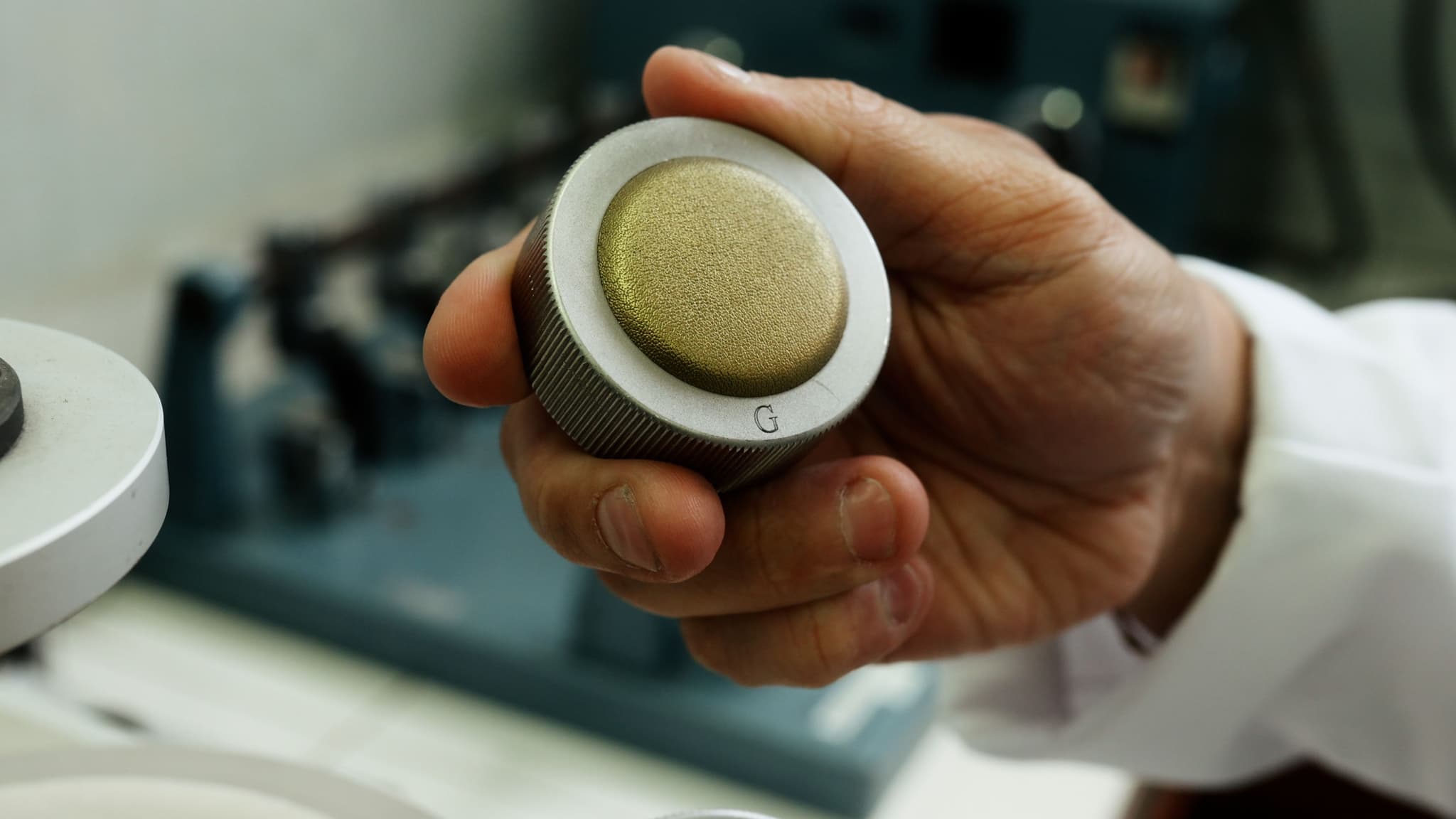
5. Many bio-based leathers struggle with abrasion and ageing. What performance benchmarks do you use to ensure Desserto meets the expectations of industries like automotive or aeronautics?
Each industry has specific performance thresholds, and we develop custom formulations to meet them. Through extensive testing, we define the optimal balance between sustainability and performance, allowing us to precisely meet aesthetic, mechanical, and environmental standards.
6. When presenting cactus leather to global brands, what sourcing considerations, certifications, lead times, and scalability are most decisive in building trust with procurement teams?
We present certifications like USDA BioPreferred, alongside both internal and external quality tests. Our benchmark results from automotive standards demonstrate material durability. Scaled production allows 4-week delivery from development approval - a key factor for procurement decision-makers.
7. Your process is partly biodegradable. How do you assess and communicate the end-of-life pathways for cactus leather across different applications, from footwear to upholstery?
We use external biodegradability tests and Life Cycle Assessment (LCA) studies to validate and communicate the material’s end-of-life behavior. Comparing against polyurethane and animal leather, we highlight substantial impact reductions.
8. International expansion requires predictable logistics. How do you balance local Mexican sourcing with the need to establish distribution centres in Europe and Asia?
We’re creating regional supply models to reduce both carbon emissions and lead times. Local hubs ensure cost efficiency, CO₂ reduction, and stronger delivery capabilities for global clients.
9. With a growing number of alternative leathers on the market, how do you position cactus leather in terms of sustainability metrics such as water use, carbon footprint, and land regeneration?
The cactus is a low-input, high-efficiency plant. Compared to other crops, it requires significantly less water, restores degraded land, and captures CO₂ efficiently. These advantages position our leather as one of the most ecologically viable alternatives from the start of the supply chain.
10. How important is visibility and data transparency for a material innovator like Desserto to be discovered and compared at scale?
Transparency is essential. We share data for third-party validation while protecting proprietary insights under NDAs. Publicly, we publish relevant results for consumer awareness and to guard against greenwashing.
11. Beyond technical performance, cactus leather has a narrative of cultural rootedness in Mexico. How do you integrate this storytelling into collaborations with global brands?
We offer immersive collaboration, inviting brands to visit our plantations, production lines, and meet the team. Our goal is to present authentic storytelling rooted in Mexico’s culture, showing that every product is a human endeavor, not just a material transaction.

12. Which new applications or industries do you believe cactus leather can scale into?
We see significant potential across fashion, automotive, and interior design. These sectors still have major gaps for plant-based solutions, and we’re ready to help fill them.