Architecture education is undergoing a green renaissance - a shift led by visionary professors who marry design creativity with ecological intelligence. In this collection, we highlight 30 pioneering academics in sustainable architecture from around the world. These educators are not only shaping buildings and cities through their research and practice, but also shaping mindsets - empowering students to address the climate crisis, resource scarcity, and community well-being through innovative design.
From experimental material labs to on-the-ground community workshops, each of these professors brings a forward-looking perspective to what architecture can be. Their work spans ultra-modern computational design and the revival of ancient building crafts, high-tech engineering and grassroots social innovation.
Together, they represent the intellect and optimism driving the next generation of architecture - one that imagines a future of regenerative, inclusive, and resilient built environments. We present these 30 MatterMinds as an inspiration for all who believe that teaching and architecture, combined, can help build a better world.
1. Felix Heisel - Assistant Professor, Cornell University (USA)
Heisel directs Cornell’s Circular Construction Lab, where his research and design studios explore circular building systems and material reuse. He teaches courses on regenerative design that treat buildings as material depots for endless reconfiguration. His work emphasizes digital fabrication and robotics to enable prefabricated panels that can be reassembled in new ways.
Key Focus Areas: circular construction, material reuse; digital fabrication
Selected Projects/Publications: Cornell Circular Construction Lab (founder/director); co-author of Building Better, Less, Different: Circular Construction report.
Recognition: Faculty Innovator Award (Cornell); speaker at DOE/Circularity conferences
What Tocco loves: Weaves robotics into resource loops, treating discarded timber like threads in a new fabric.
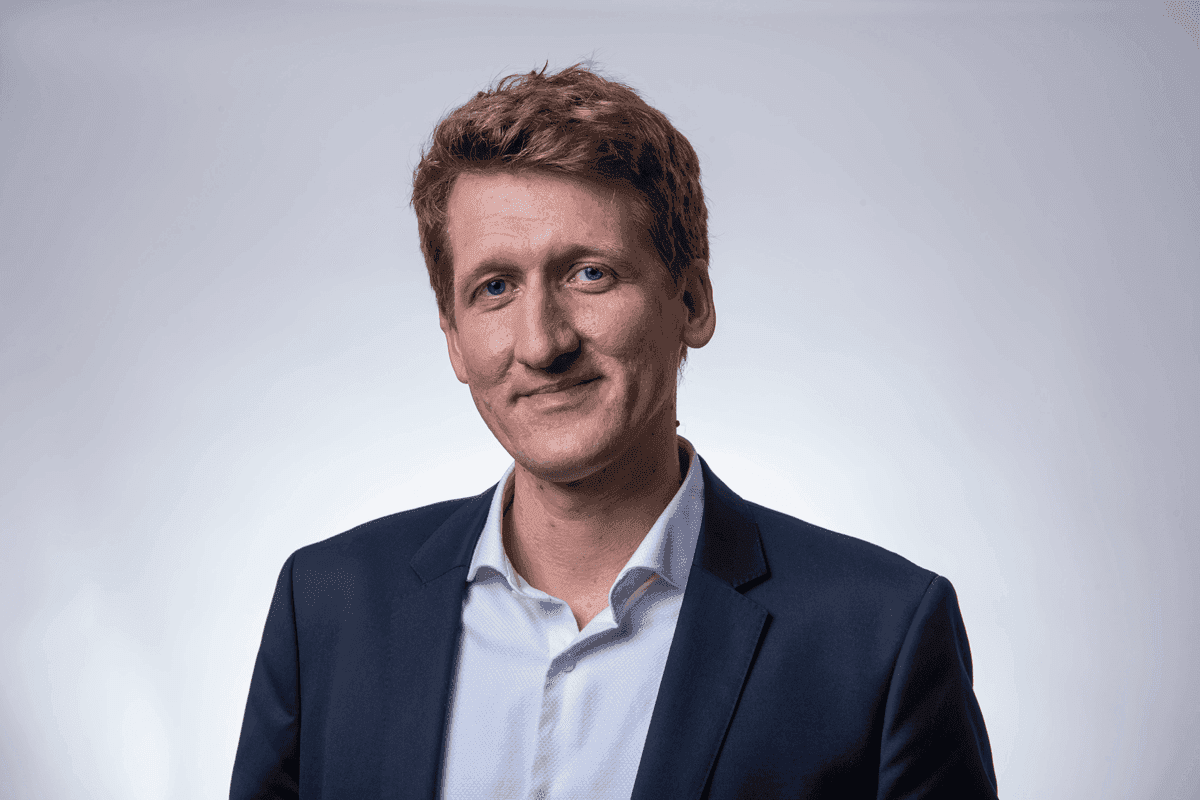
2. Gundula Proksch - Associate Professor, University of Washington (USA)
Proksch leads UW’s Circular City + Living Systems Lab, a cross-disciplinary design studio that integrates living systems into buildings and cities. In her teaching she foregrounds circularity and urban ecology, asking students to design districts that recycle resources and harness food–energy–water synergies. Recent studio topics include aquaponic towers and roof gardens that clean stormwater.
Key Focus Areas: urban resilience, circular economy; integrated ecosystems (food/energy/water)
Selected Projects/Publications: CCLS Lab (founder/director); CITYFOOD research on city-scale aquaponics integration; Circular City studio curricula
Recognition: ACSA Next Progressive, IDEA Winner (Urban Farming)
What Tocco loves: Teaches cities to eat, turning rooftops into green lungs and fish-tanks into living classrooms.
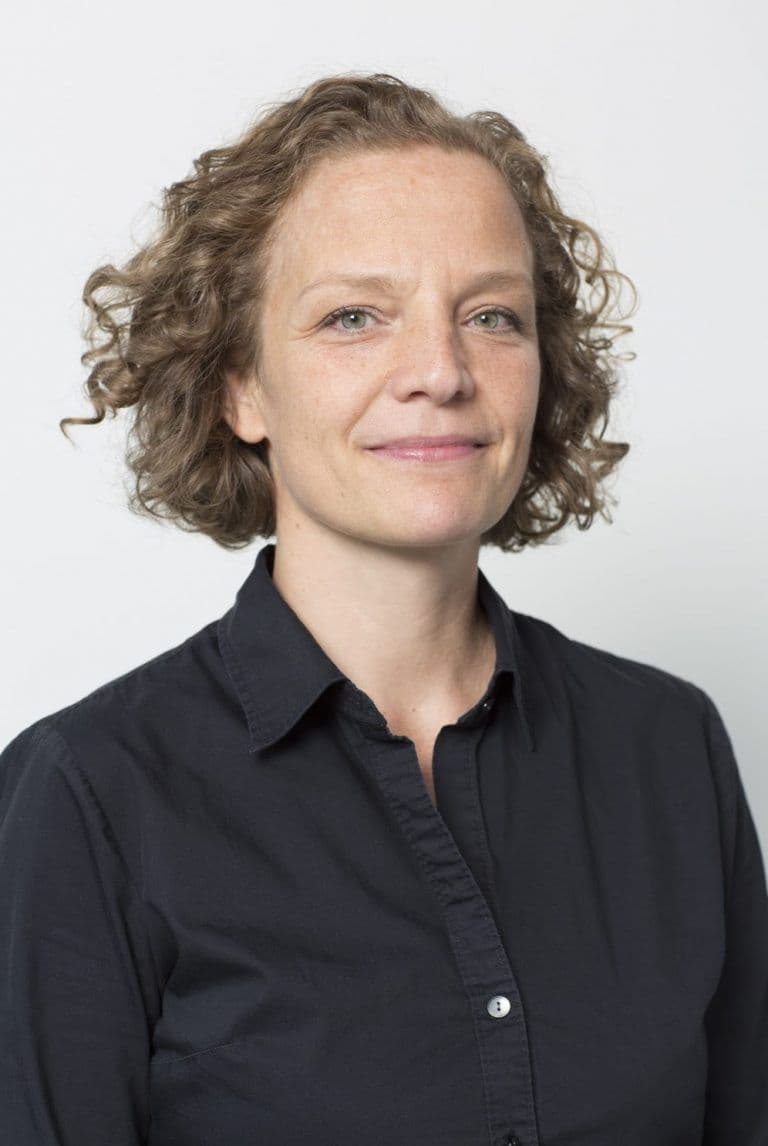
3. Laia Mogas-Soldevila - Assistant Professor, University of Pennsylvania (USA)
Mogas-Soldevila founded Penn’s DumoLab and teaches at PennDesign, pioneering biomaterial architectures. She bridges life science and design, guiding students to fabricate building panels from bio-composites like fungi, proteins, and plant fibers. Her studio practice envisions structures that grow from labs – from mycelium pavilions to algae bricks. She advocates radically sustainable materials pipelines, drawing on microbiology and ecology.
Key Focus Areas: biofabrication, biodegradable materials; sustainable material innovation
Selected Projects/Publications: DumoLab (director); NSF grants on biopolymer computing; course Inquiry into Biomaterial Architecture
Recognition: Young Architect Winner (ACSA); Lab at A&D Biennale (biennial-pavilion winner)
What Tocco loves: Treats spores as building blocks, teaching students to grow walls from living filaments.
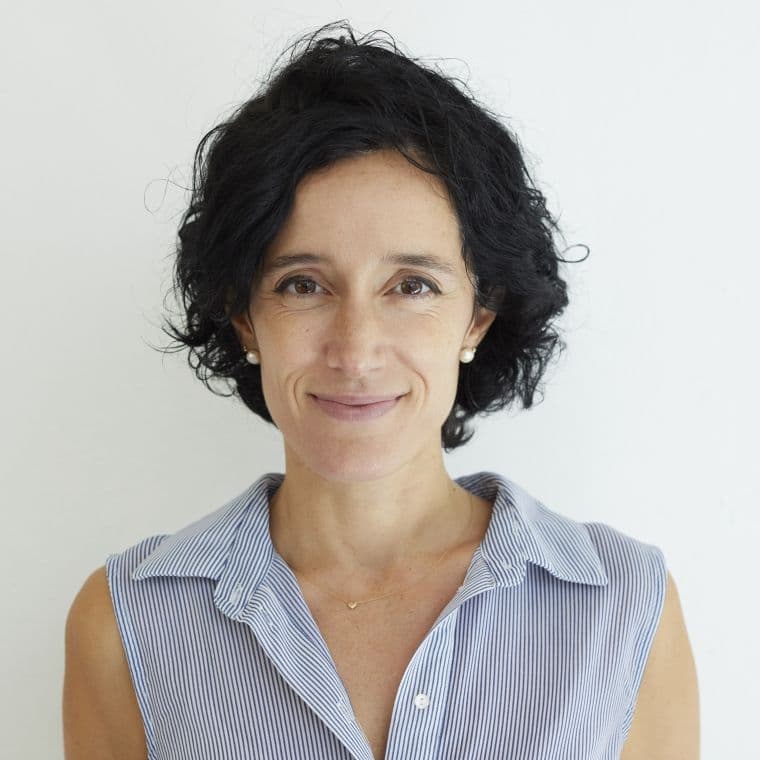
4. Luisa Caldas - Professor of Architecture, UC Berkeley (USA)
Caldas’s work is at the intersection of generative design, immersive VR, and sustainable architecture. At Berkeley she teaches computational studios that use artificial intelligence to optimize building performance for energy and daylight. Her research in AI design tools helps architects incorporate climate data and material limits into the early design process. She also develops VR simulations of sustainable buildings.
Key Focus Areas: computational design for sustainability; generative/building performance optimization
Selected Projects/Publications: Berkeley VR Studio; AIA Award–winning Net Zero design; IEEE papers on AI-aided sustainable design
Recognition: AIAS Innovator of the Year; invited lecturer at Greenbuild
What Tocco loves: Renders energy flows as brushstrokes, letting students sculpt buildings in virtual ecosystems.
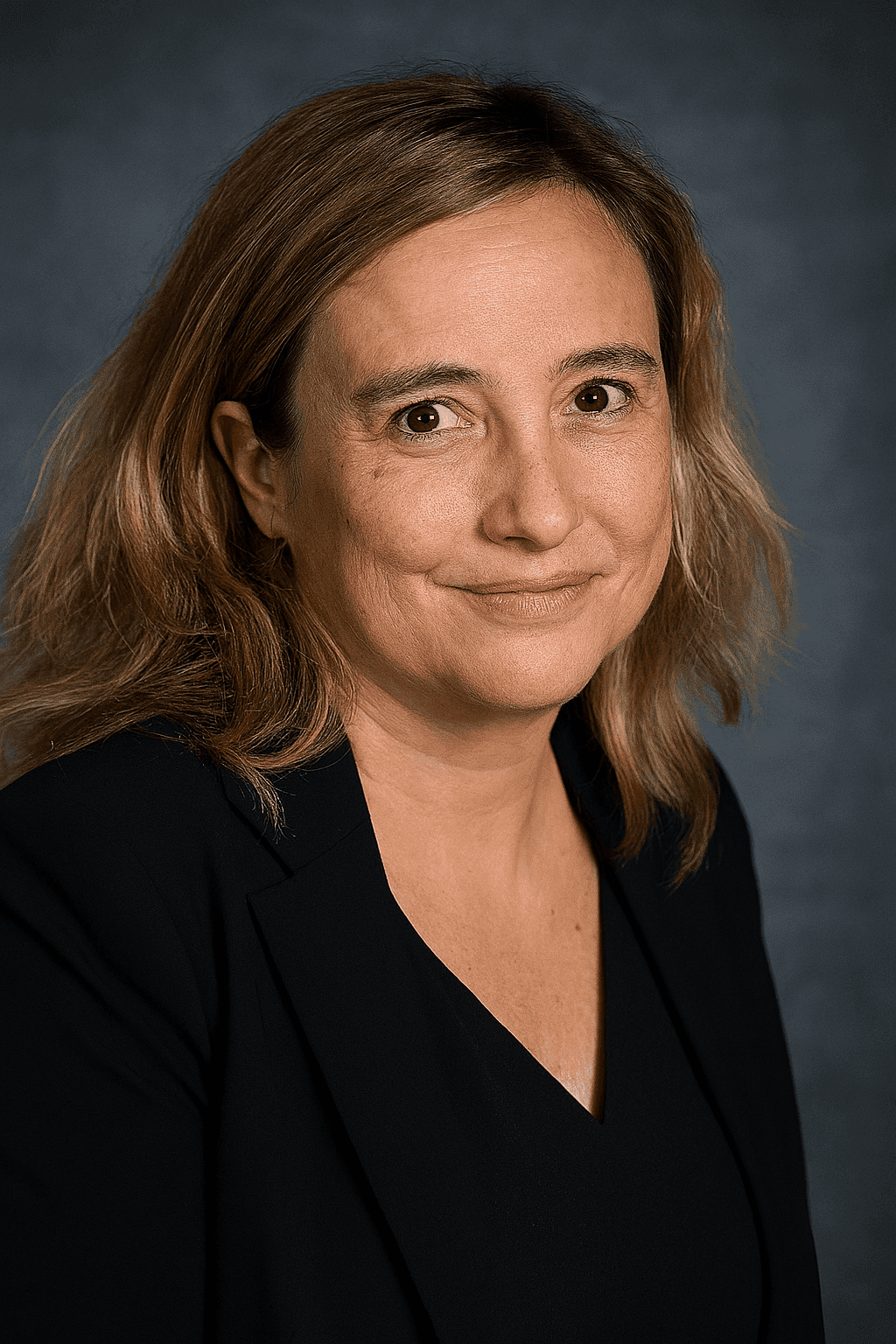
5. Nirmal Kishnani - Associate Professor, National University of Singapore (Singapore)
Based in Singapore, Kishnani teaches sustainable design and leads studios on tropical net-zero buildings. He has spearheaded climate-responsive building projects in Asia and advises policymakers on low-carbon strategies. His research spans solar cooling, green façades and thermal comfort in hot-humid climates. In the studio he encourages students to blend vernacular wisdom (courtyards, ventilation) with cutting-edge simulation.
Key Focus Areas: tropical low-energy design; passive climate adaptation; green building science
Selected Projects/Publications: NUS Living Lab on PV-integrated facades; Singapore Zero Energy Buildings (co-lead); author of Sustainable Asian City
Recognition: UNDP expert on climate projects; Top 100 Asia Clean Energy Educator
What Tocco loves: Teaches solar geometry like poetry, turning sun and wind into serene classroom symphonies.
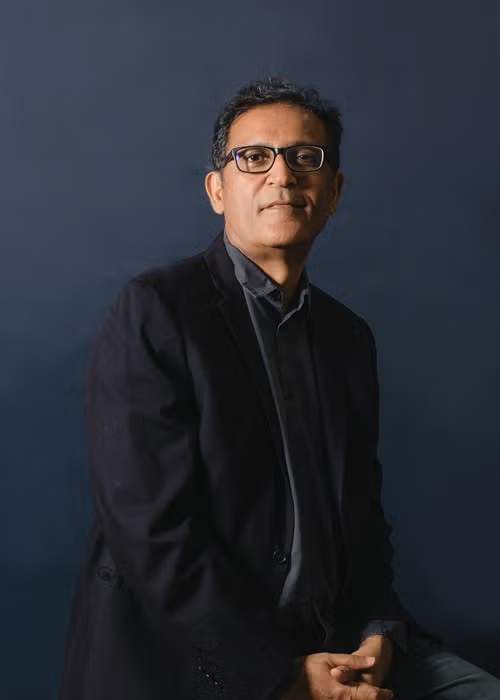
6. T. David Fitz-Gibbon - Assistant Professor, Carnegie Mellon University (USA)
Fitz-Gibbon directs CMU’s new Regenerative Structures Lab, rethinking building fabrication toward net-positive impact. In studios he combines AI-driven structural design with novel materials (bio-cement, recycled composites) to minimize embodied carbon. His interdisciplinary practice integrates timber engineering, robotic 3D printing, and regenerative site ecology. The lab’s pilot projects demonstrate large-scale prototypes of 3D-printed structural units using waste and bio-resins.
Key Focus Areas: regenerative construction, AI-optimized structures; circular & bio-based materials
Selected Projects/Publications: CMU Regenerative Structures Lab (director); PJ Dick Innovation Grant project (Regenerative Pavilion); SDS “Bio-structure” course
Recognition: ACADIA Innovation Award; juror, AIA Materials Specifier
What Tocco loves: Stacks timber and plastic debris into poetic bridges, making yesterday’s waste tomorrow’s spine.
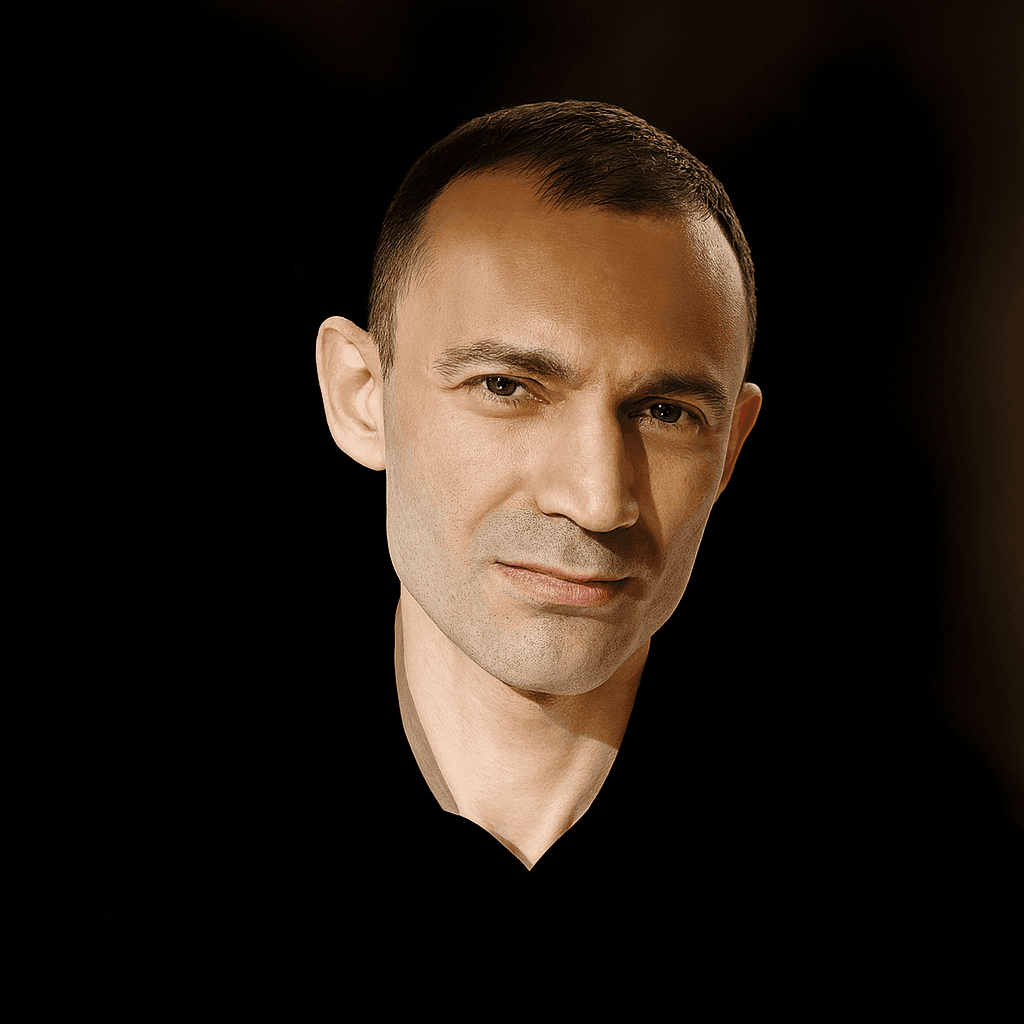
7. Mary Guzowski – Professor of Architecture, University of Minnesota (USA)
Guzowski’s pedagogy weaves biophilic principles into architectural design. She teaches daylighting and sustainable design, conducting research on natural light and human comfort. Her studios often integrate living plants or water features to improve indoor ecology. She runs the Minnesota Project Zero Energy Laboratory, guiding student teams to retrofit local schools for low energy use. Guzowski frequently publishes on the aesthetics of daylight and sustainable material choices.
Key Focus Areas: daylighting & biophilic design; sustainable building performance
Selected Projects/Publications: Project Zero Energy Lab (UMN); co-author of Daylighting in Sustainable Design; “Green Roof School” design-build project
Recognition: Holzman Award (ENR); keynote, ASES Solar Decathlon
What Tocco loves: Teaches daylight like spring, framing sunbeams to warm both walls and souls.
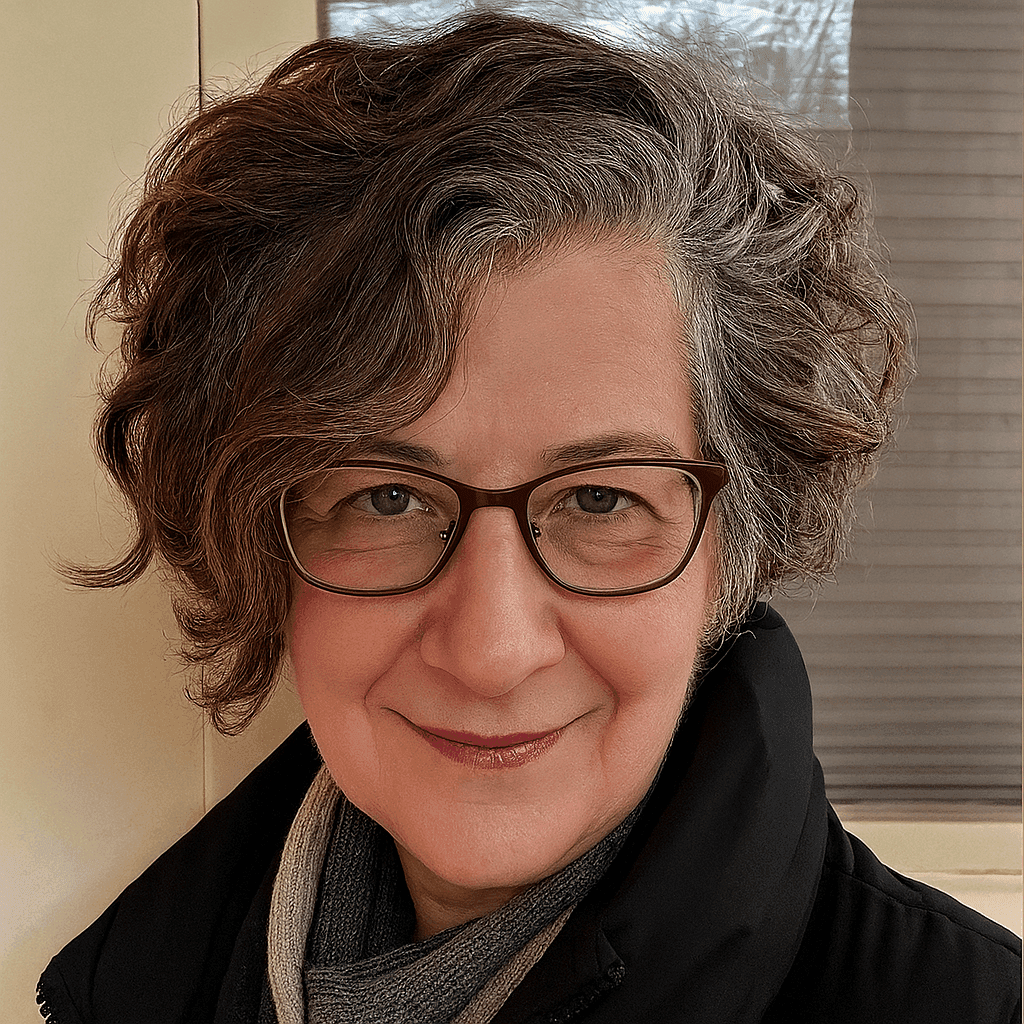
8. Dana Čupková – Associate Professor, Carnegie Mellon University (USA)
Čupková leads CMU’s EPIPHYTE Lab, where studios combine architecture, ecology and robotics. Her work emphasizes circularity and remediation – using architecture to clean water and soil. In teaching she explores adaptive reuse of buildings and bio-remediation strategies. Students have designed projects like algae-filtering building facades and cellular timber modules that pack and unpack for reuse. Čupková’s own designs use 3D fabrication and biofiltration to blur boundaries between structure and ecosystem.
Key Focus Areas: circular + ecological design; bio-remediation / low-carbon construction
Selected Projects/Publications: EPIPHYTE Lab (director); “Next Progressives” design competition winner; “Bioremediation in Architecture” paper
Recognition: ACSA Award of Excellence; mentor at Greenbuild
What Tocco loves: Has students build living archipelagos of plants and steel, where walls slowly digest pollutants like magic mushrooms.
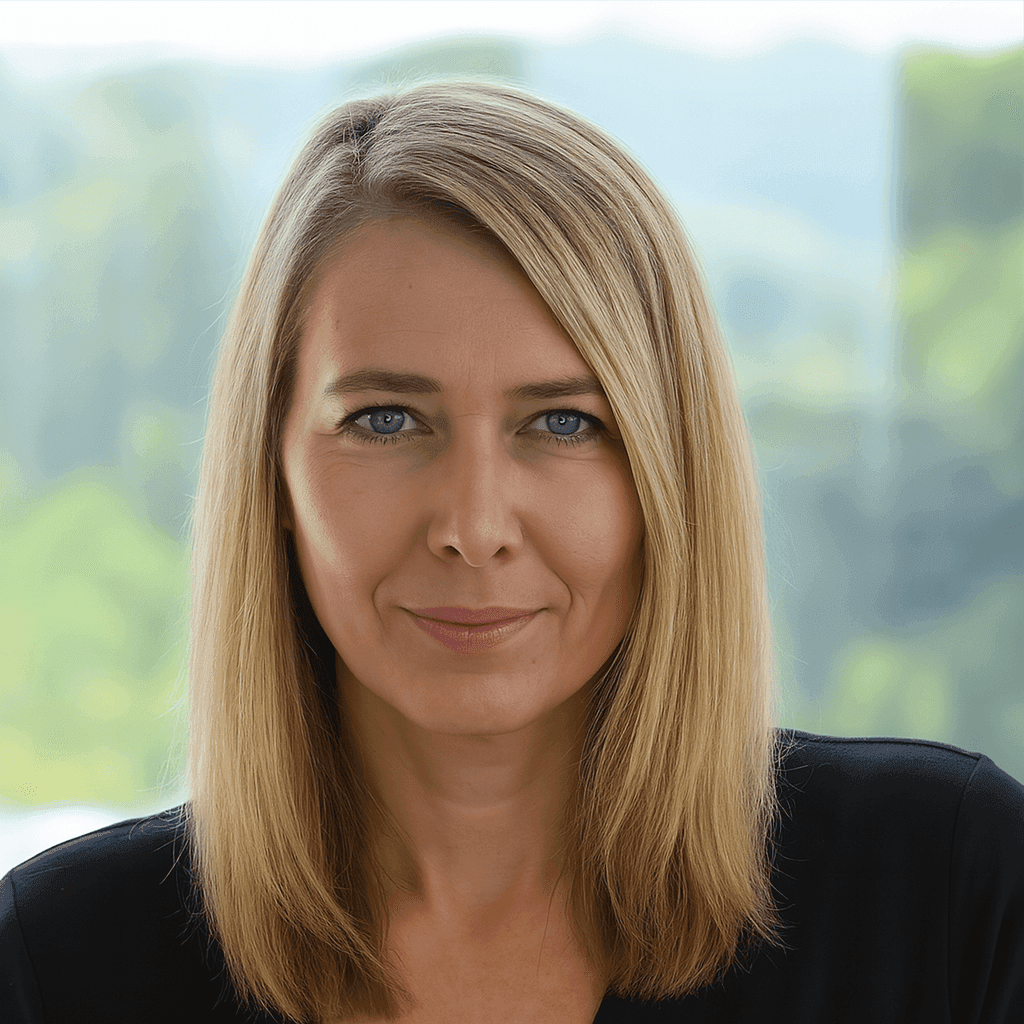
9. Andrea S. Wheeler – Associate Professor, Iowa State University (USA)
Wheeler’s teaching merges sustainable design with humanism. She leads studios on green schools and community shelters, emphasizing how design affects wellbeing. Her research investigates the ethics of environmental design – for example, how classrooms with natural materials improve learning. Wheeler’s courses routinely involve students in local eco-building projects (reed thatch roofs, straw bale walls). Over 15 years she has taught students to see architecture as a cooperative “practice of care” for people and the planet.
Key Focus Areas: green building & material ethics; biocentric design education
Selected Projects/Publications: “Green Schools” design studio (project with humanitarian NGO); co-editor Architecture of Hope; ACSA teaching fellowship on environment ethics
Recognition: AIA Faculty Award; featured on PBS “Women in Green Design”
What Tocco loves: Teaches sustainable design like a family recipe, folding warmth and earth together into each project.
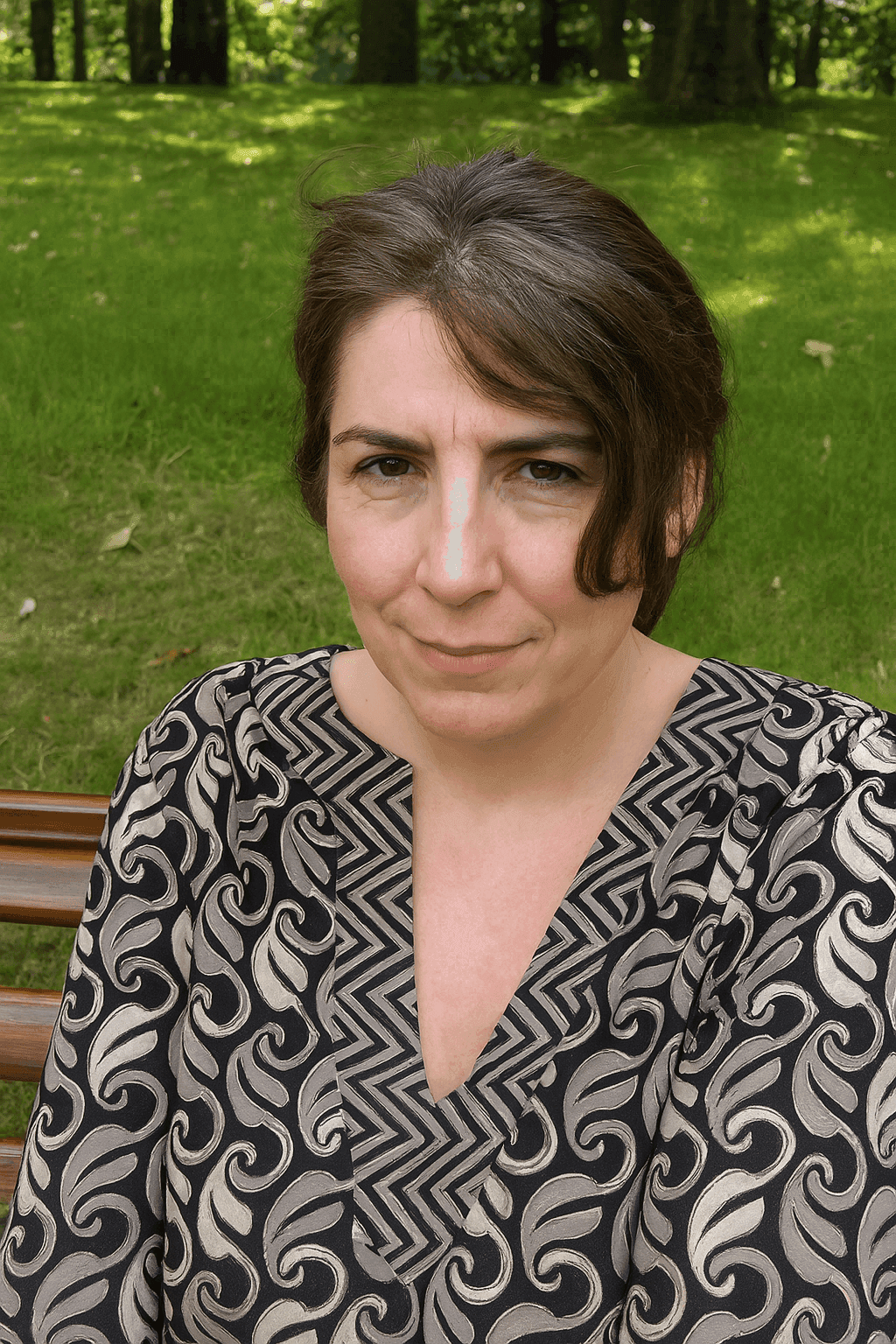
10. Christoph Reinhart – Professor of Architecture, MIT (USA)
Reinhart is a building scientist who teaches MIT’s Sustainable Design Lab, focusing on climate-responsive design. He develops computational tools to predict energy, daylight and thermal comfort in buildings. His studios have students optimize school and housing designs using real weather and performance data. Reinhart often co-teaches with engineers, embedding simulation in the design studio. His research papers on light, air flow and urban microclimates have become essential references for climate-based design practice.
Key Focus Areas: environmental modeling; performance-driven design; climate-responsive architecture
Selected Projects/Publications: MIT Sustainable Design Lab (director); Cote d’Or Lab at MIT (post-disaster housing prototype); numerous publications in Building and Environment on daylighting and energy
Recognition: Clarendon Scholar; keynote at ASHRAE
What Tocco loves: Sees buildings as weather stations, training students to orchestrate light and wind like a composer’s score.
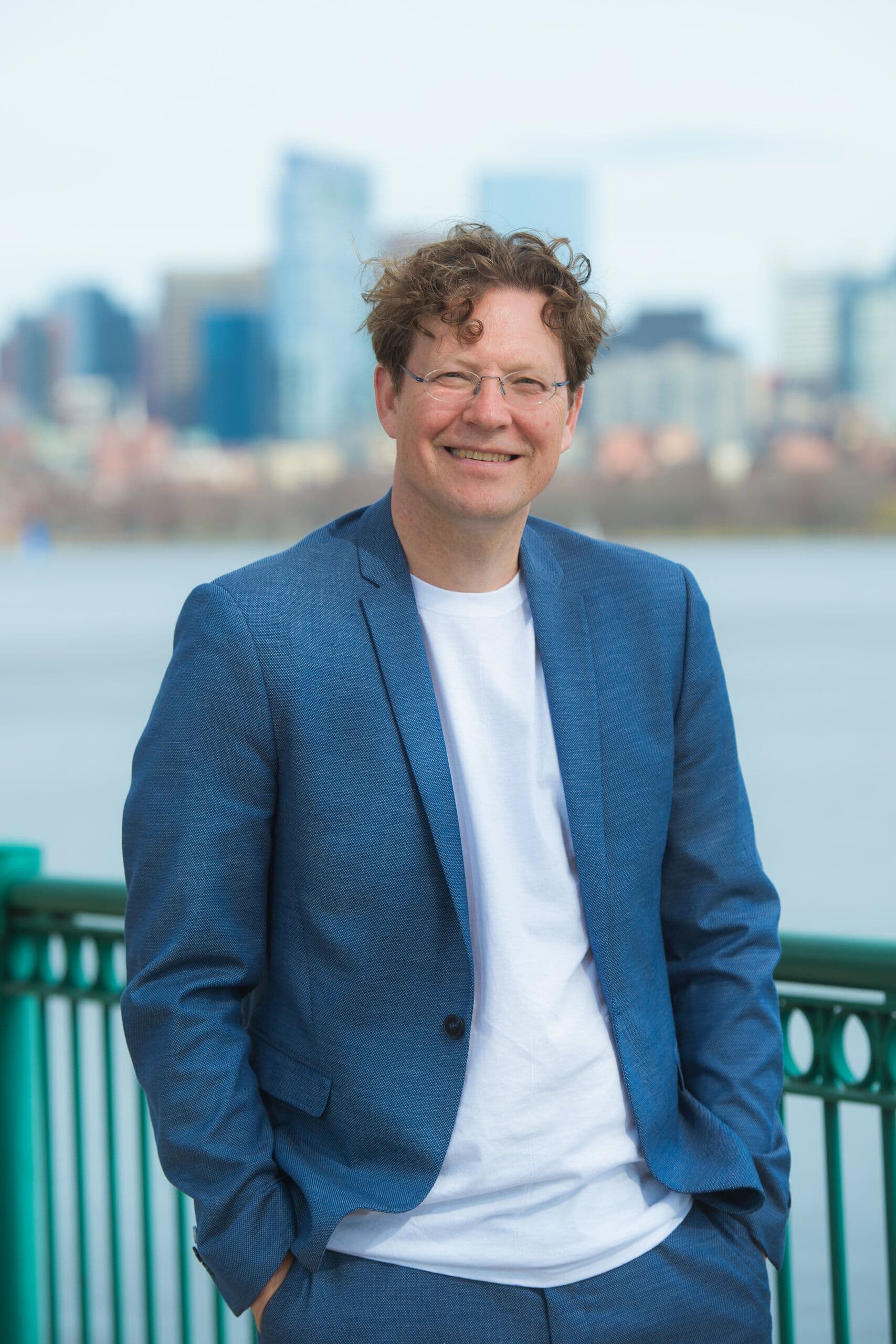
11. Aroussiak Gabrielian – Assistant Professor, USC (USA)
Gabrielian teaches at USC’s School of Architecture and directs the Landscape Futures Lab. Her interdisciplinary studios blend architecture, landscape and media to explore ecological intelligence. She challenges students to draw on natural organisms for design: for instance, workshops generate building facades inspired by plant behavior or fungal networks. Gabrielian’s research investigates natural intelligence – rethinking AI from plant and fungal modes of sensing. Her courses often incorporate speculative computing projects, like algorithmic design guided by tree growth patterns.
Key Focus Areas: environmental media arts; bio-inspired computation; plant/fungi intelligence in design
Selected Projects/Publications: USC Landscape Futures Lab (founder); Graham Foundation residency; "Natural Intelligence" studio
Recognition: Grad Fellow of LA A+D Museum; panelist at Biodesign Summit
What Tocco loves: Brings stone, fungi and circuits into dialogue, making students design facades that breathe and root like urban gardens.
12. Lynnette Widder – Professor of Professional Practice, Columbia University (USA)
A former architect and now Columbia GSAPP lecturer, Widder co-leads Columbia’s Sustainability Lab. In her teaching and writing she emphasizes low-impact building technologies and resource transparency. She has introduced studios on adaptive reuse and timber construction, coaching students to design climate-neutral pavilions and prototypes. Widder also runs workshops on global sustainability frameworks, teaching students to measure embodied carbon and lifecycle impacts. Her textbooks and essays provide the theoretical underpinnings for her practice-oriented courses.
Key Focus Areas: low-carbon construction; life-cycle design; ethical material sourcing
Selected Projects/Publications: “Sustainability in Practice” course (Columbia GSAPP); co-editor Circulemonde series; co-curator of AIA Earth Day exhibits
Recognition: AIA Committee on the Environment (COTE) member; contributor to UN Habitat guidelines
What Tocco loves: Treats soil and straw like poetry, coaxing humble earth into warm, habitable verse.
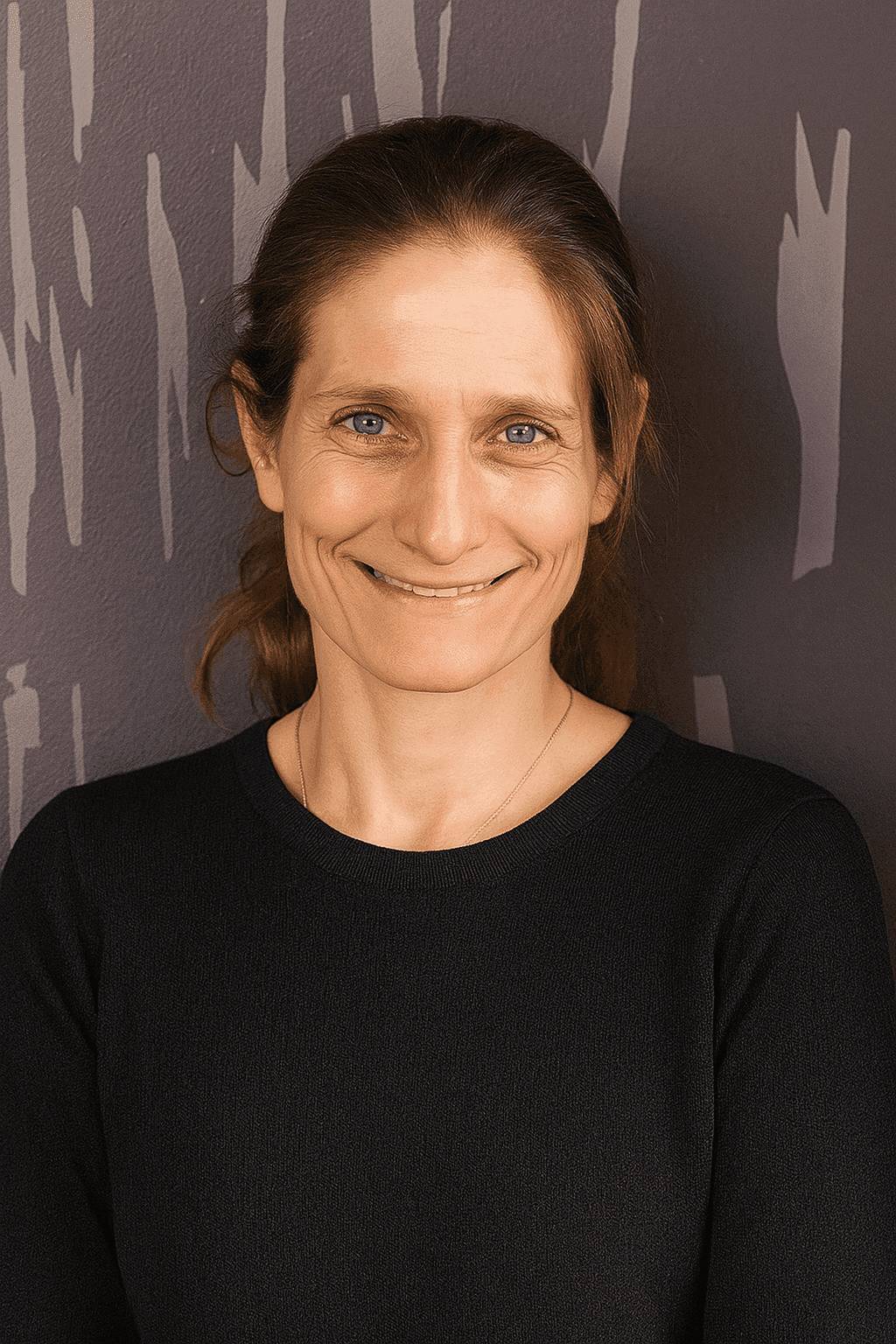
13. Jonathan Bean – Associate Professor, University of Arizona (USA)
Bean heads UA’s Sustainable Built Environments program and teaches courses on high-performance design. He formerly led DOE’s “Race to Zero” student competitions and brings Passive House rigor into the studio. His research examines market transformation for green buildings - how building codes, consumer demand and finance converge in sustainability. In studio he challenges students to design affordable Passive House buildings using local renewable materials and evaluates them with energy modeling. He also directs UA’s Solar Decathlon teams.
Key Focus Areas: high-performance / Passive House design; solar & renewable integration; market transition
Selected Projects/Publications: UA Solar Decathlon entries; Passive House Primer textbook; lead of ASU-UArizona Race to Zero teams
Recognition: ASES Quality Solar Instructor; AIA AZ President’s Award; speaker at International Passive House Conference
What Tocco loves: Lines up sunbeams like stubborn students, teaching them to sweatlessly light up a home.
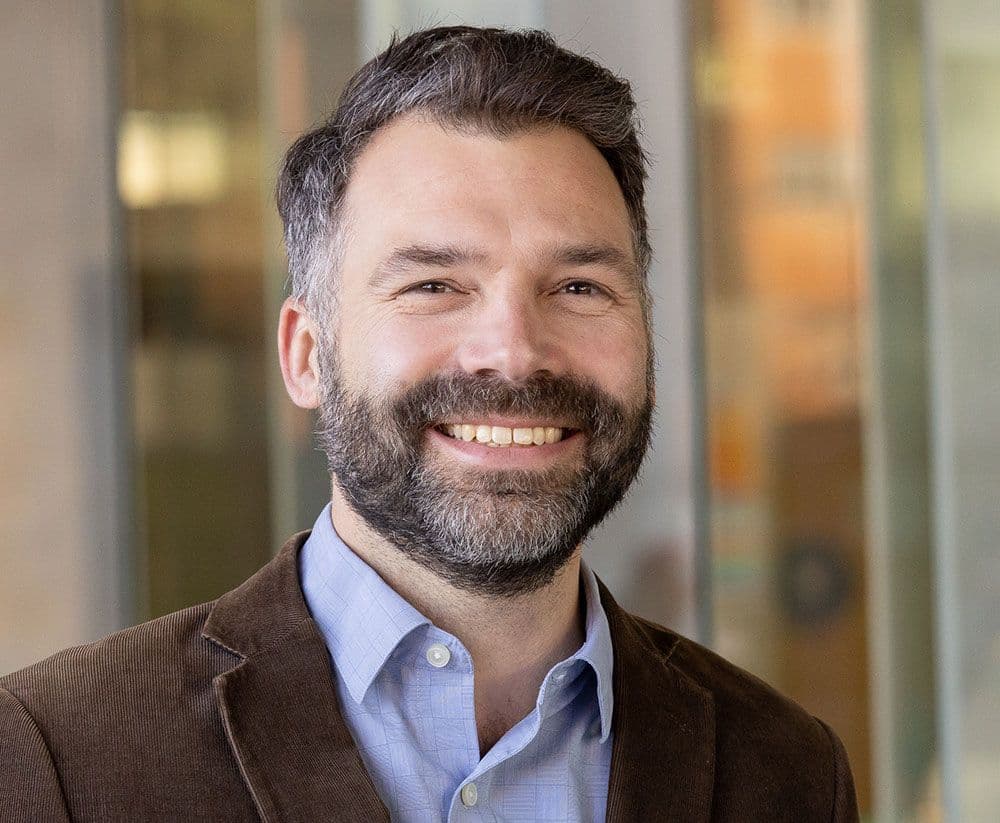
14. Ramon Weber – Assistant Professor, UC Berkeley (USA)
Weber teaches computational architecture at Berkeley and directs studios on parametric design for sustainability. He develops algorithms and simulation tools that help architects rapidly test design variants for energy, daylight and material efficiency. In workshops students co-create generative models of buildings that automatically adjust form to optimize solar access or ventilation. Weber’s own design research investigates folding geometry and digital fabrication to minimize waste. He also co-leads the course “Building by Numbers”.
Key Focus Areas: computational/parametric design; performance-driven form-finding; data-driven studio
Selected Projects/Publications: Berkeley Institute for Design Innovation; Parametric Design for Sustainable Architecture toolkit; “Algorithmic Architecture” workshop series
Recognition: Autodesk Prize; NSF digital sustainability tools grant
What Tocco loves: Teaches code like clay, molding environmental data into complex yet delicate geometry.
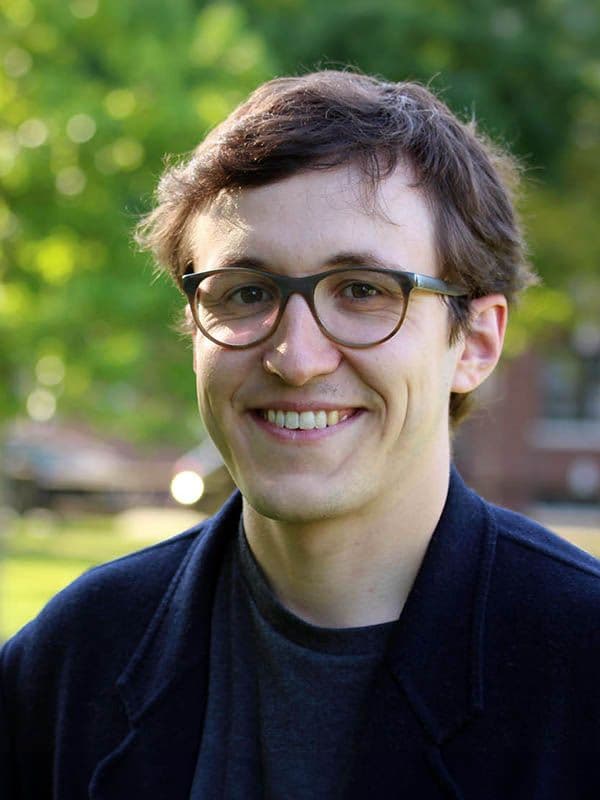
15. Ehsan Baharlou – Assistant Professor, University of Virginia (USA)
Dr. Ehsan Baharlou serves as an Assistant Professor of Architecture in Advanced Technologies at the University of Virginia's School of Architecture. His research centers on combining computational design with material fabrication processes.
Key Focus Areas: Robotic fabrication & computational tectonics; bio-based and living building materials; speculative multispecies and biomimetic design
Selected Projects/Publications: Director of Computational Tectonics Lab, “Ecologically Active Structure” 3D‑printed soil prototype (French Pavilion, Venice Architecture Biennale 2025), “Robotic Fabrication of Architected Mycelium Composites” research at UVA’s Computational Tectonics Lab, curator of “Being Plastic / Becoming Plastic” symposium & exhibition (2024)
Recognition: Selected exhibitor, French Pavilion — 19th Venice Architecture Biennale (2025)
What Tocco loves: Fuses architecture with biology—where walls might breathe, beams could blossom, and every printed layer hints at a living future.
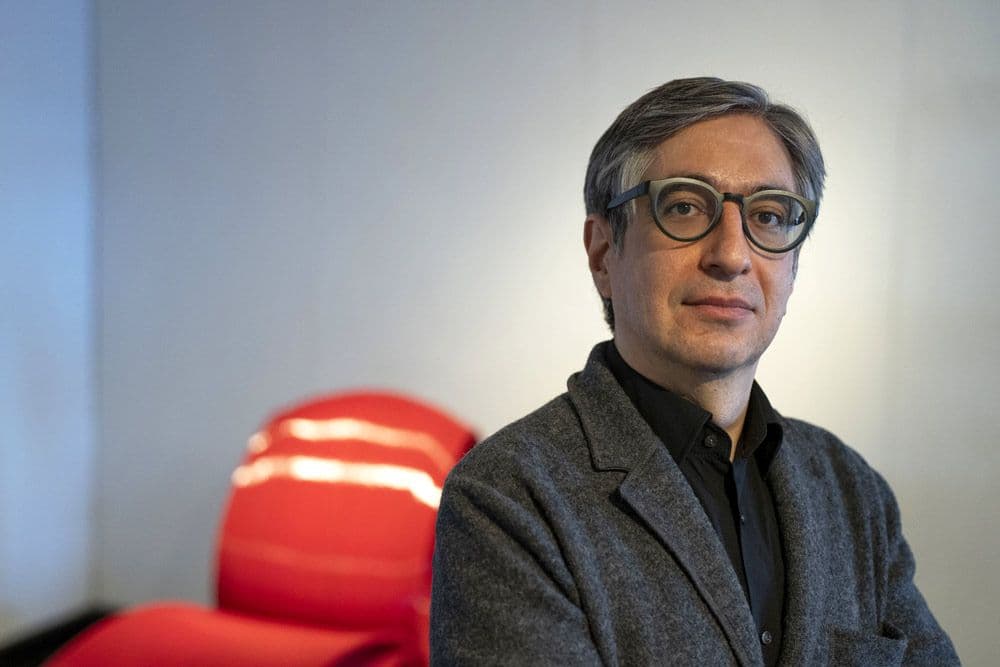
16. Ronita Bardhan – Associate Professor, University of Cambridge (UK)
Bardhan is a Cambridge engineering-architect who leads the Cambridge Sustainable Design Group. She teaches climate-resilient urban design, focusing on heat stress and public health. In her classes, students use AI and big data to map heat vulnerability in informal settlements, then propose architecture and planning interventions. Bardhan’s published work covers gender-inclusive climate adaptation and low-carbon housing in the Global South. She also engages with policymakers: her algorithm to identify high-emission UK homes was featured widely.
Key Focus Areas: climate adaptation (heat-health); data-driven low-carbon buildings; social equity in design
Selected Projects/Publications: Cambridge Sustainable Design Group; Nature feature on gender & heat adaptation; advisor to World Bank on affordable housing
Recognition: Top 2% scientist; 2024 UK “Women in Engineering” finalist
What Tocco loves: Teaches sun and sweat like science, making students design housing that breathes in empathy with its inhabitants.
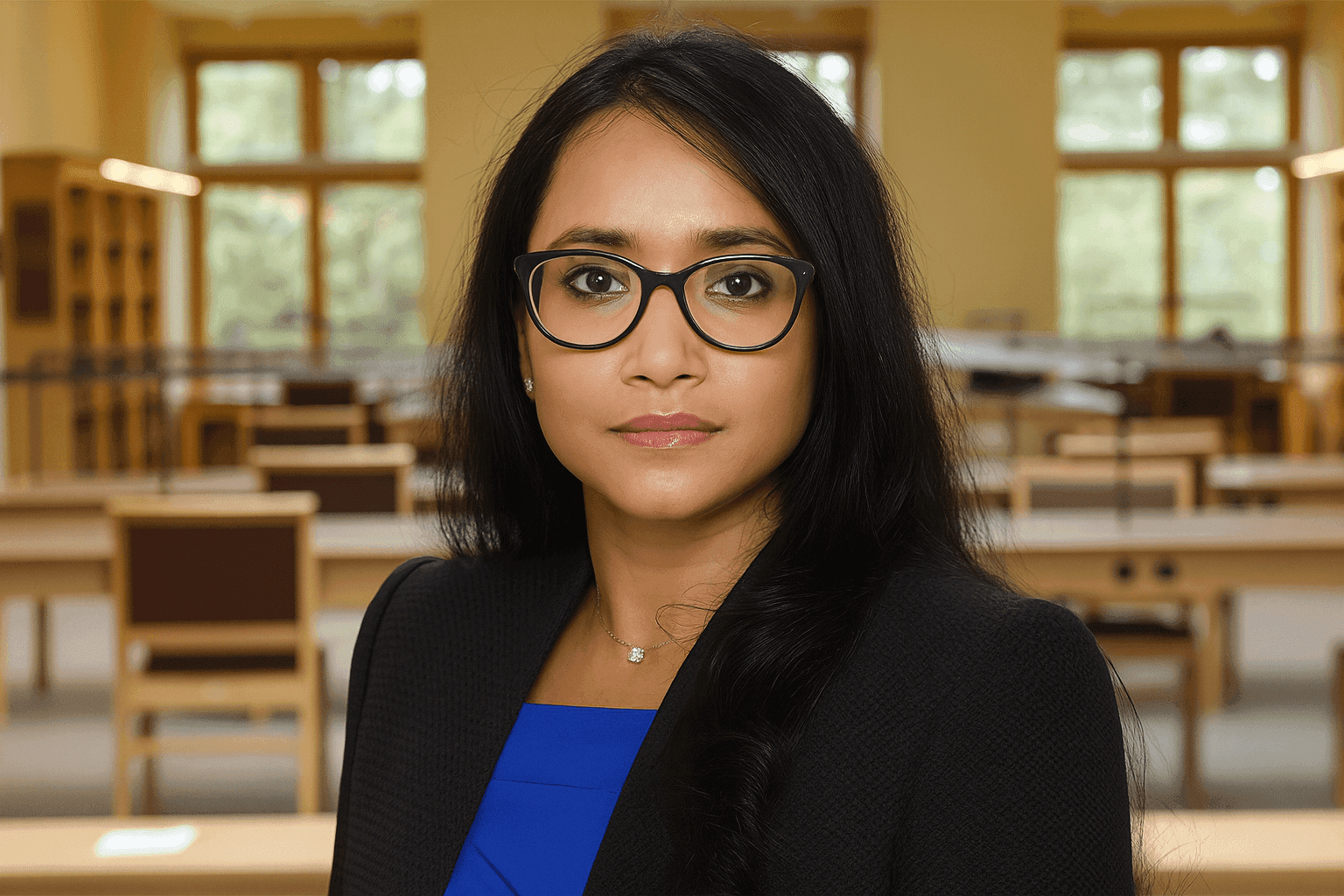
17. Koen Steemers – Professor of Sustainable Design, University of Cambridge (UK)
Steemers teaches building science and environmental design at Cambridge. His research in environmental design labs ranges from outdoor microclimate to net-zero urban strategies. In studio he pushes students to reimagine UK buildings for the changing climate – developing projects like green-ash-paved streets and high-albedo rooftops. Steemers co-directs Cambridge’s Building Performance Group and co-taught the “Buildback Better” studio. He also trains future leaders through courses on sustainable masterplanning.
Key Focus Areas: building physics (comfort and energy); climate-responsive masterplanning; outdoor microclimate
Selected Projects/Publications: Editor of Energy and Buildings; City of Cambridge carbon mapping; Principal of SOLOCLIM EU climate-adaptive city PhD program
Recognition: ISB Biometeorology Award; Fellow, Building Research Establishment
What Tocco loves: Teaches thermal comfort like a choreographer, making urban plazas dance in the breeze.
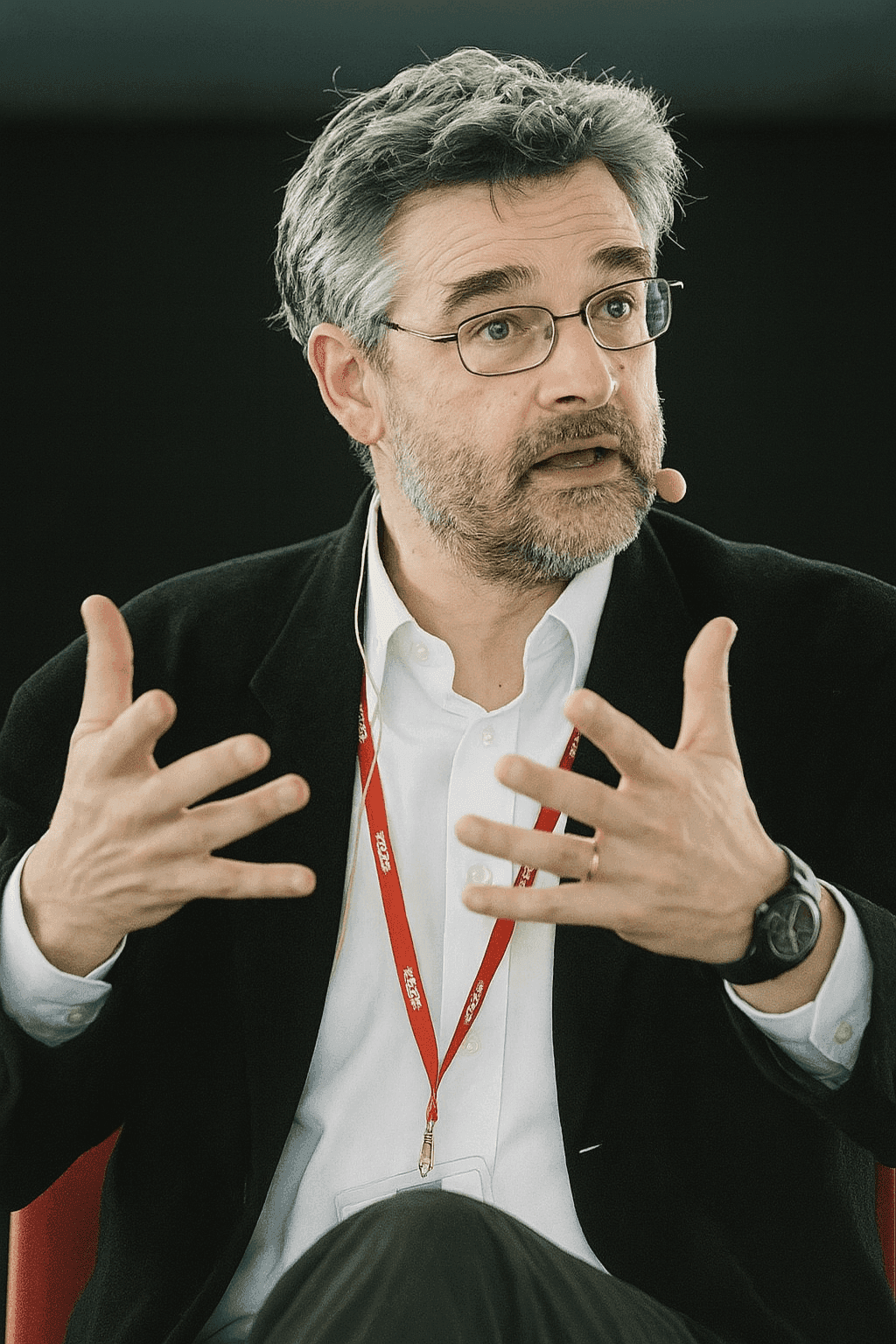
18. Marialena Nikolopoulou – Professor of Sustainable Architecture, University of Kent (UK)
Nikolopoulou founded Kent’s Centre for Architecture and Sustainable Environment. She specializes in urban microclimate and adaptive comfort. In her courses and studios, she explores how architecture and landscape can buffer extreme climates – for example, designing cool urban corridors and reflective façades to lower city heat. Her research bridges architecture, engineering and biometeorology, studying how people perceive temperature and shade in diverse contexts.
Key Focus Areas: outdoor thermal comfort; climate-adaptive urban design; interdisciplinary environmental modeling
Selected Projects/Publications: “Sensory City” design-build; EPSRC-funded urban albedo research; Editor, Building and Environment journal
Recognition: International Society of Biometeorology Award; Marie Curie and EPSRC grants
What Tocco loves: Sees city squares as living rooms, teaching students to cultivate shade like gardeners in a greenhouse.
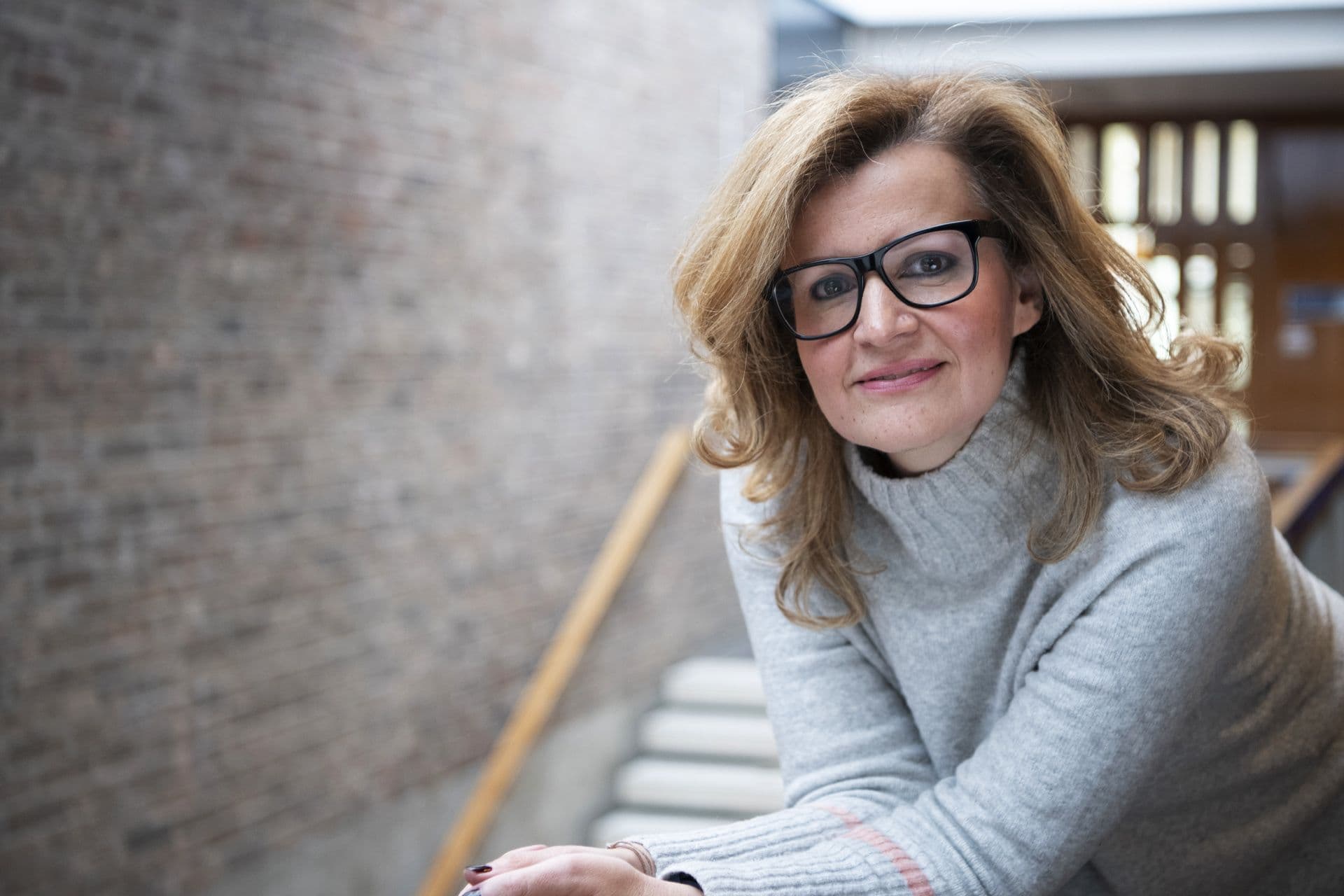
19. Shady Attia – Professor of Sustainable Architecture & Building Technology, University of Liège (Belgium)
Attia is an architectural engineer who heads Liège’s Laboratory of Sustainable Building Design. He integrates simulation and life-cycle analysis into architectural pedagogy. His studios have students analyze and redesign real buildings for zero-energy targets. As author of Regenerative and Positive Impact Architecture, he pushes students to think beyond “do no harm” – to designing buildings that actively enrich their environment.
Key Focus Areas: regenerative/positive-impact design; building performance simulation; net-zero energy buildings
Selected Projects/Publications: Regenerative and Positive Impact Architecture (book); founder, Belgian Doctoral Seminar on Sustainability; IBPSA committee leadership
Recognition: IEA Task 59 participant; ranked among world’s top 2% scientists; USGBC Greenbuild speaker
What Tocco loves: Treats solar panels like symphonies, training students to compose building envelopes that hum with sunlight.
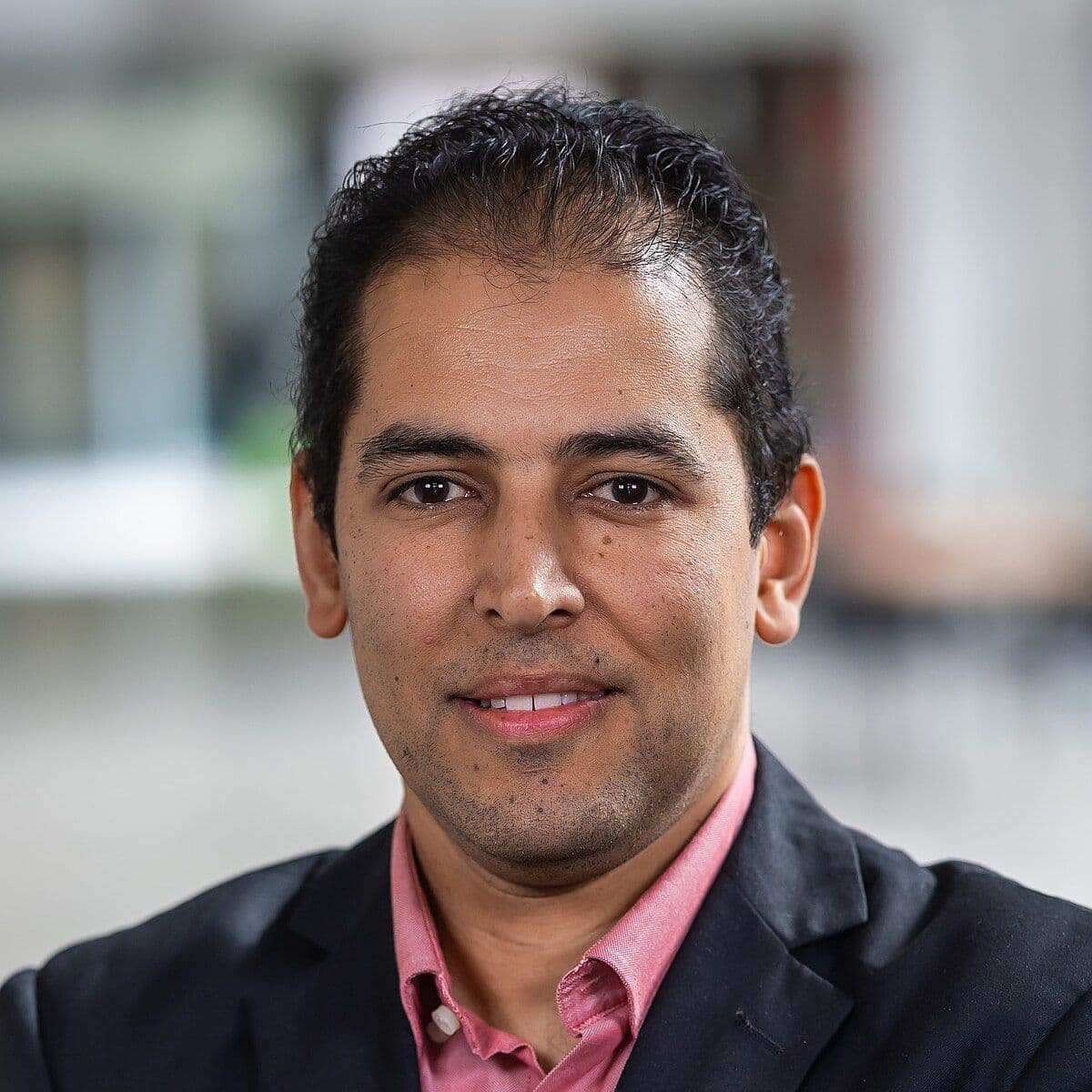
20. Anupama Kundoo – Professor of Architecture, FH Potsdam (Germany)
Kundoo divides her time between Potsdam and India. In her practice and teaching she pursues low-impact construction through deep material research. Her studios often revolve around earth, lime, and recycled materials: for example, students have built rammed-earth pavilions using locally dug soil and ancient techniques. Kundoo’s work emphasizes the social dimension of sustainability – designing affordable housing prototypes with labor-intensive but low-tech methods.
Key Focus Areas: natural materials (earth, lime); social sustainability in design; resource-sensitive building
Selected Projects/Publications: Anupama Kundoo Architects; Auroville Earth Institute expansion; Confluence lecture series on low-tech building
Recognition: Global Award for Sustainable Architecture; RIBA Jencks Award; Holcim Awards jury member
What Tocco loves: Teaches architecture like farming, showing students how to cultivate beauty from mud and sunlight.
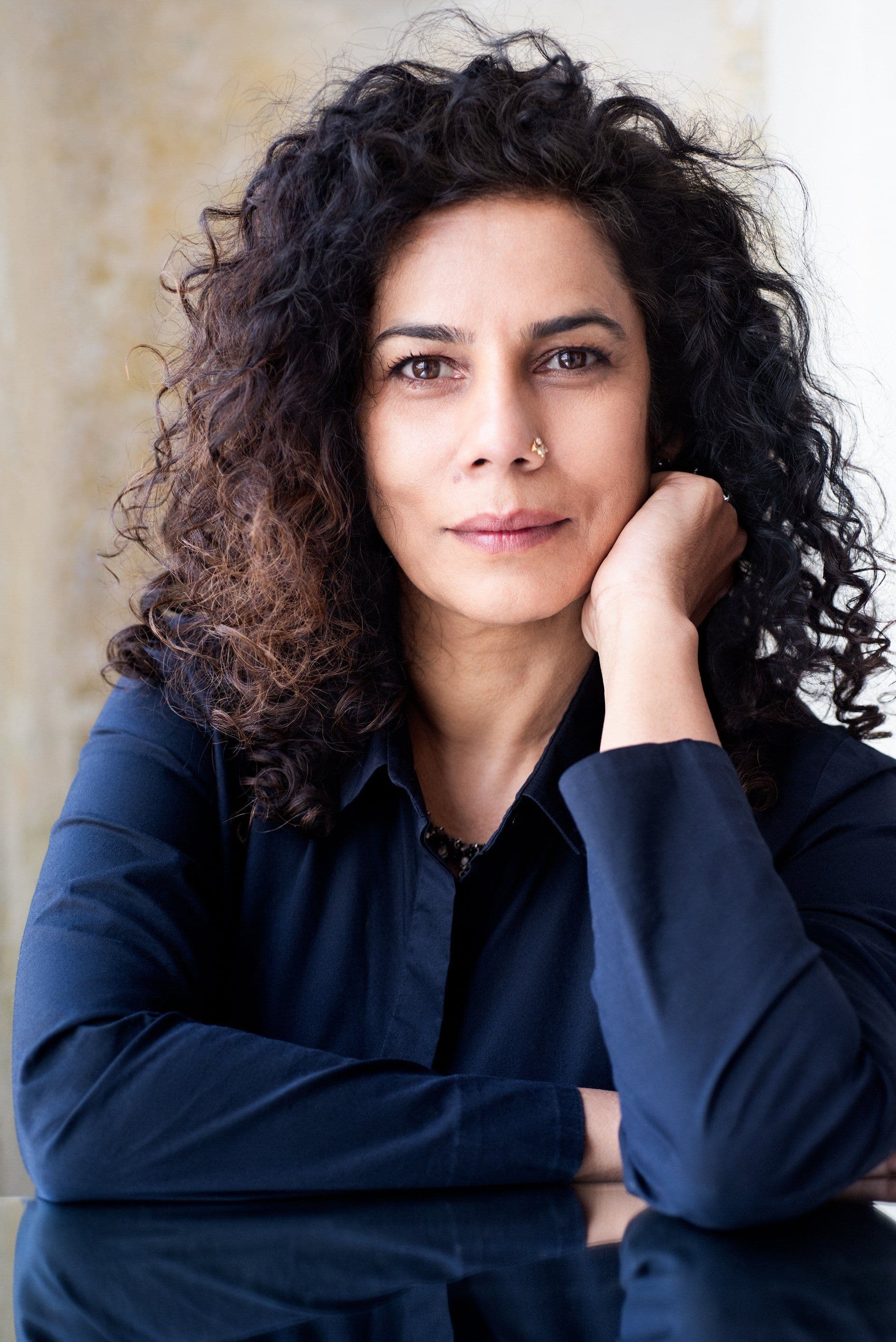
21. Ashok B. Lall – Visiting Professor, Guru Gobind Singh Indraprastha University & KRVIA (India)
Lall is a veteran Indian architect-educator who emphasizes passive strategies in tropical climates. At KRVIA Mumbai and GGSIPU Delhi he teaches studios on vernacular materials and affordable sustainability. A classic example is his Development Alternatives HQ (New Delhi), where evaporative cooling and recycled materials cut energy and water use by 30%. Lall’s curriculum integrates Indian crafts and local technologies. He has also helped shape India’s green architecture curricula nationally, writing low-energy design manuals and lecturing widely.
Key Focus Areas: passive cooling & ventilation; indigenous materials; affordable eco-design
Selected Projects/Publications: Development Alternatives HQ; Design Studio for KRVIA (energy-efficient schools); author of Eco-fit Architecture
Recognition: Holcim Foundation Asia Jury Chair; AIA’s Development Alternatives HQ prize; life member, Indian Institute of Architects
What Tocco loves: Speaks the language of monsoon winds, teaching students to breathe through building skin.
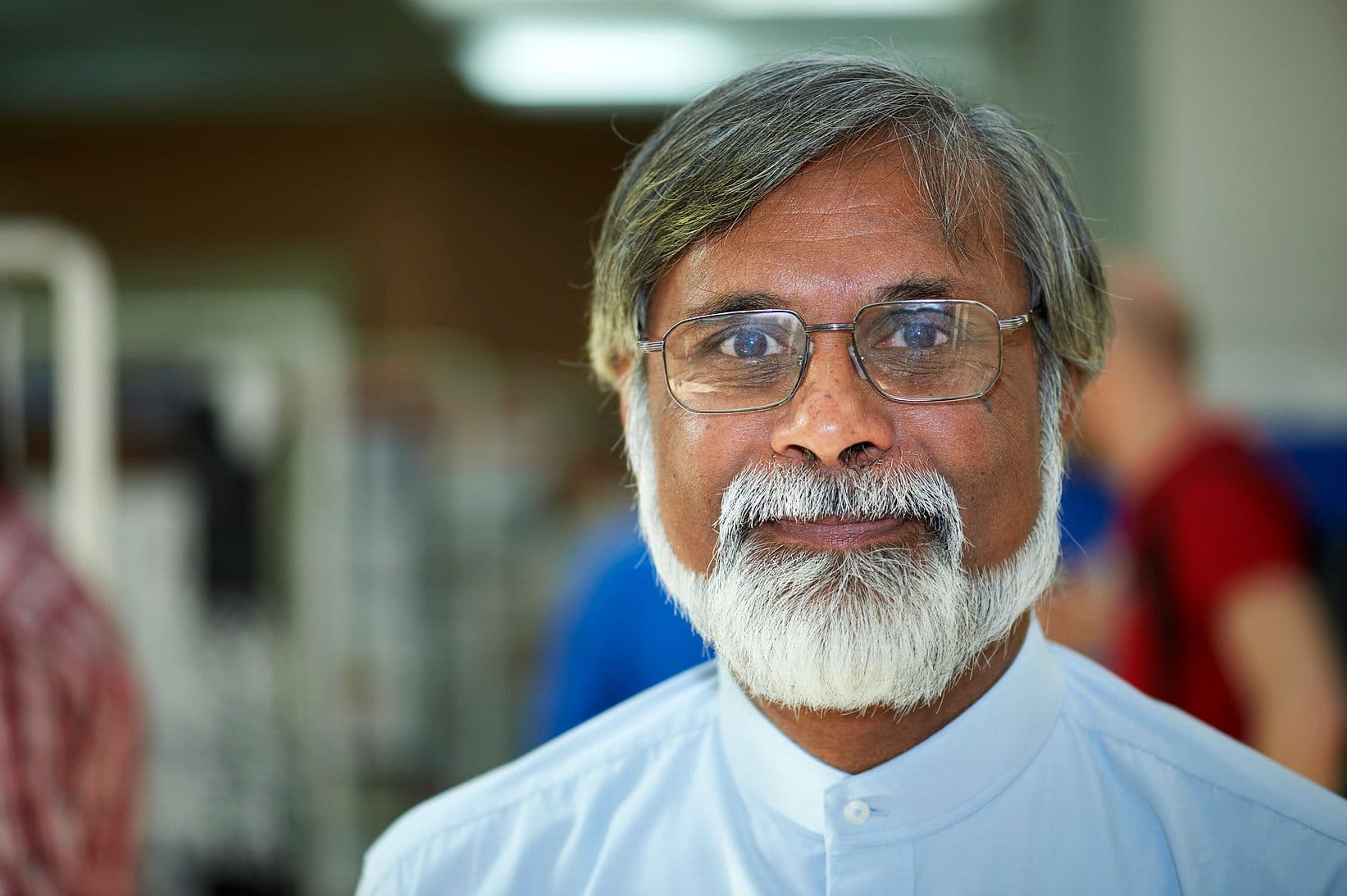
22. Eduardo Pizarro – Professor, University of São Paulo (Brazil)
Pizarro researches the infrastructural interspaces between buildings. He challenges students to see parking lots or alleys as potential ecological systems. In his labs at FAUUSP, students have designed modular decks that turn empty courtyards into water-collecting gardens. His writing explores hidden potentials of urban voids to manage stormwater or energy flows. He also co-teaches courses on tropical climate adaptation and often collaborates with São Paulo’s city planning office.
Key Focus Areas: urban infrastructure as architecture; re-imagining in-between spaces; adaptive reuse of public space
Selected Projects/Publications: Infrastructure Space design studios; PhD Program FAUUSP/ETH exchange; Holcim Forum Detroit award-winning poster
Recognition: FAUUSP Outstanding Researcher; Holcim Latin America Awards Ambassador
What Tocco loves: Points students to humble alleys, teaching that even a parking lot can pulse with rainwater and life.
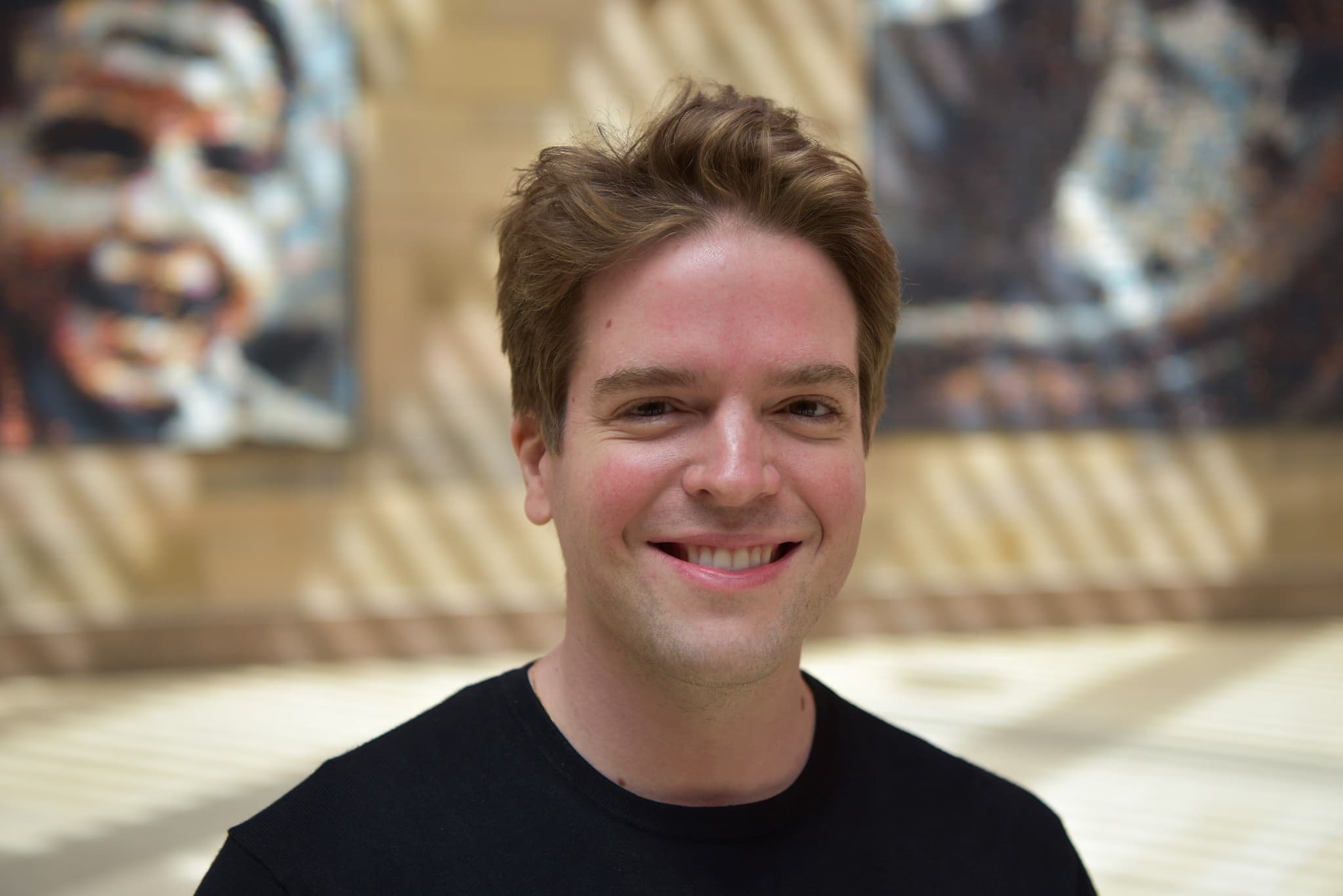
23. Loreto Lyon – Professor, Pontificia Universidad Católica de Chile (Chile)
Lyon co-founded Beals & Lyon Architecture and now leads two architecture schools in Santiago. She teaches an ecologically grounded practice, integrating local materiality and community engagement into the studio. Her curricula have included designing public buildings with volcanic stone or reuse of native wood, always tuned to local context. Lyon also organized Chile’s Biennale on vulnerable habitats. Her students have won competitions for public pavilions that harvest rainwater and sun.
Key Focus Areas: context-driven materiality; public architecture for resilience; landscape-integrated design
Selected Projects/Publications: Public Voids pavilion; PUCh Summer Workshop on Low-Energy Housing; Chilean Biennale Habitats Vulnerables
Recognition: Oscar Niemeyer Award for Latin American Architecture; Pritzker Education Fund guest; jury member, LafargeHolcim LATAM
What Tocco loves: Has students carve local stone into layered rooftops, turning Andes rock into gentle shade.
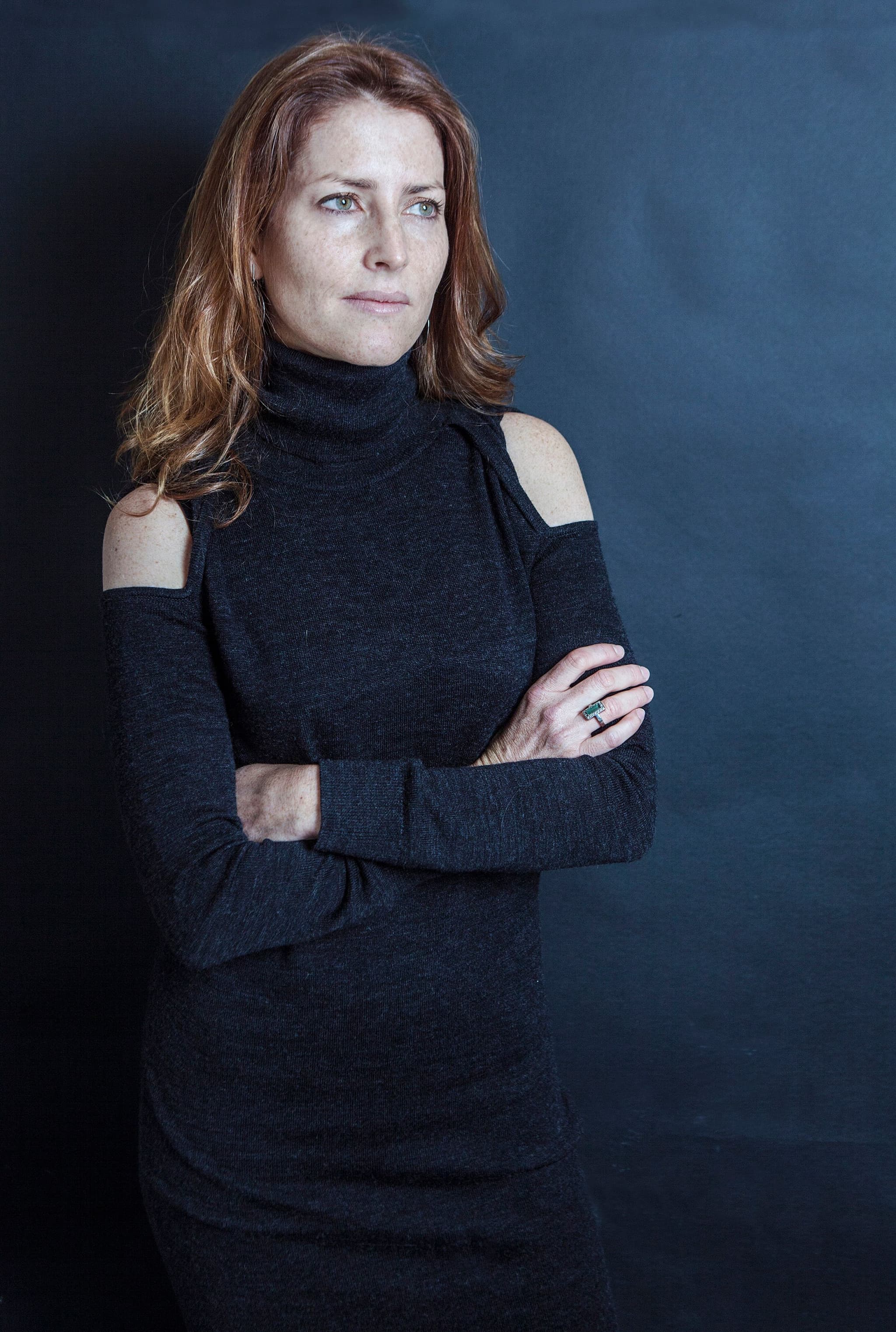
24. Loreta Castro Reguera – Professor, UNAM Mexico City (Mexico)
Castro founded Taller Capital and teaches advanced studios at UNAM. She focuses on urban water and infrastructure design. In class, students rethink Mexico City’s broken water systems – for example, proposing modular retention wetlands and water parks to purify and reuse stormwater, as in her Hydropuncture project. She encourages regenerative masterplans that fix broken urban ecology. Castro’s work blends research and activism – she helped draft Mexico’s water laws and writes essays on urban resilience.
Key Focus Areas: water-sensitive urban design; infrastructural public spaces; urban resilience
Selected Projects/Publications: Hydropuncture Mexico City (Holcim Awards Gold); Taller Capital; visiting faculty at Harvard GSD
Recognition: Holcim Gold; Public building prize, Iberoamerican Biennial; guest editor Water Resilience Journal
What Tocco loves: Turns gutters and plazas into poetic streams, making students design fountains that heal a parched city.
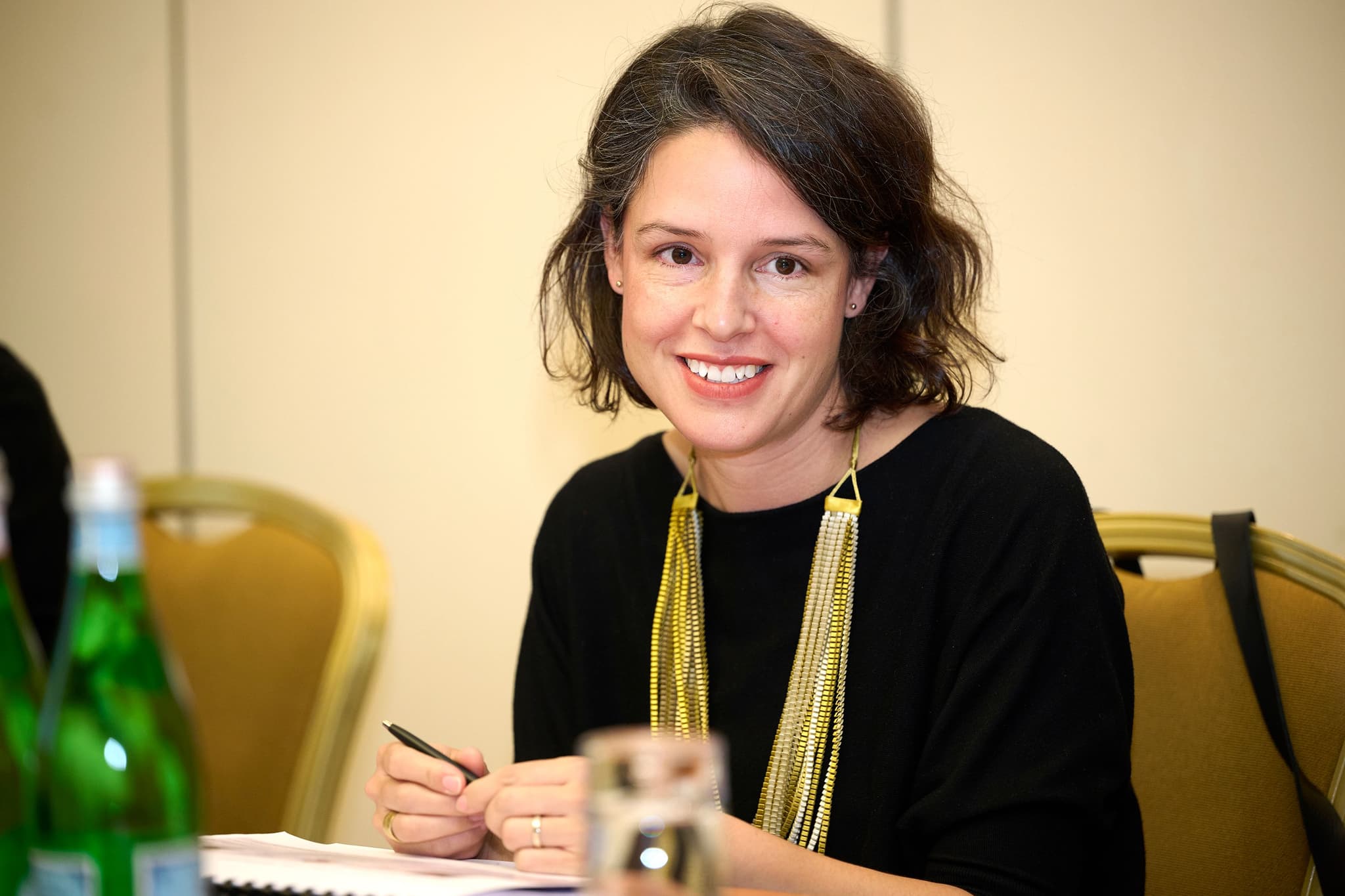
25. Rachel Armstrong – Professor of Experimental Architecture, Newcastle University (UK)
Armstrong leads Newcastle’s Living Architecture Systems Group. Her studio philosophy is to grow architecture: she teaches how buildings might behave like ecosystems. In practice, she has students build protocell bioreactors and chemical-based building systems that self-repair. Her experimental courses cover topics like living electronics and artificial cells, asking students to imagine buildings with metabolism. Armstrong’s lab work on protocells feeds into architecture briefs – for example, designing a pavilion whose walls can pump nutrients through the city air.
Key Focus Areas: living architecture; artificial life in design; metabolic environmental interfaces
Selected Projects/Publications: Living Architecture Systems Group; Soft Signals book; collaborator on Victoria & Albert Museum’s Biofutures exhibit
Recognition: TED Senior Fellow; ICON 50 “People Who Will Shape Britain”; BBC Future/Wired list
What Tocco loves: Has students cultivate architecture like gardens, showing how each brick can breathe and symbiotically sustain life.

26. Chrisna du Plessis – Professor, University of Pretoria (South Africa)
Du Plessis chairs Pretoria’s School of the Built Environment and researches sustainable human settlements. In her courses she emphasizes systems-thinking: students study entire communities as social–ecological systems. She teaches modules on urban resilience planning and lifecycle evaluation. Her design studios have included transdisciplinary projects like disaster-proof refugee villages in Africa using local materials. Du Plessis has published widely on regenerative sustainability.
Key Focus Areas: urban resilience & sustainable settlements; systems-based design; policy and sustainability science
Selected Projects/Publications: Department of Architecture (UP); Designing for Hope: Regenerative Sustainability; UN Sustainable Construction agenda
Recognition: Honorary doctorate (Chalmers); Hon. Fellow, Royal Architectural Institute of Canada; Holcim Africa Middle East Awards juror
What Tocco loves: Teaches cities to think like savannahs, guiding students to weave social and ecological threads into one living fabric.
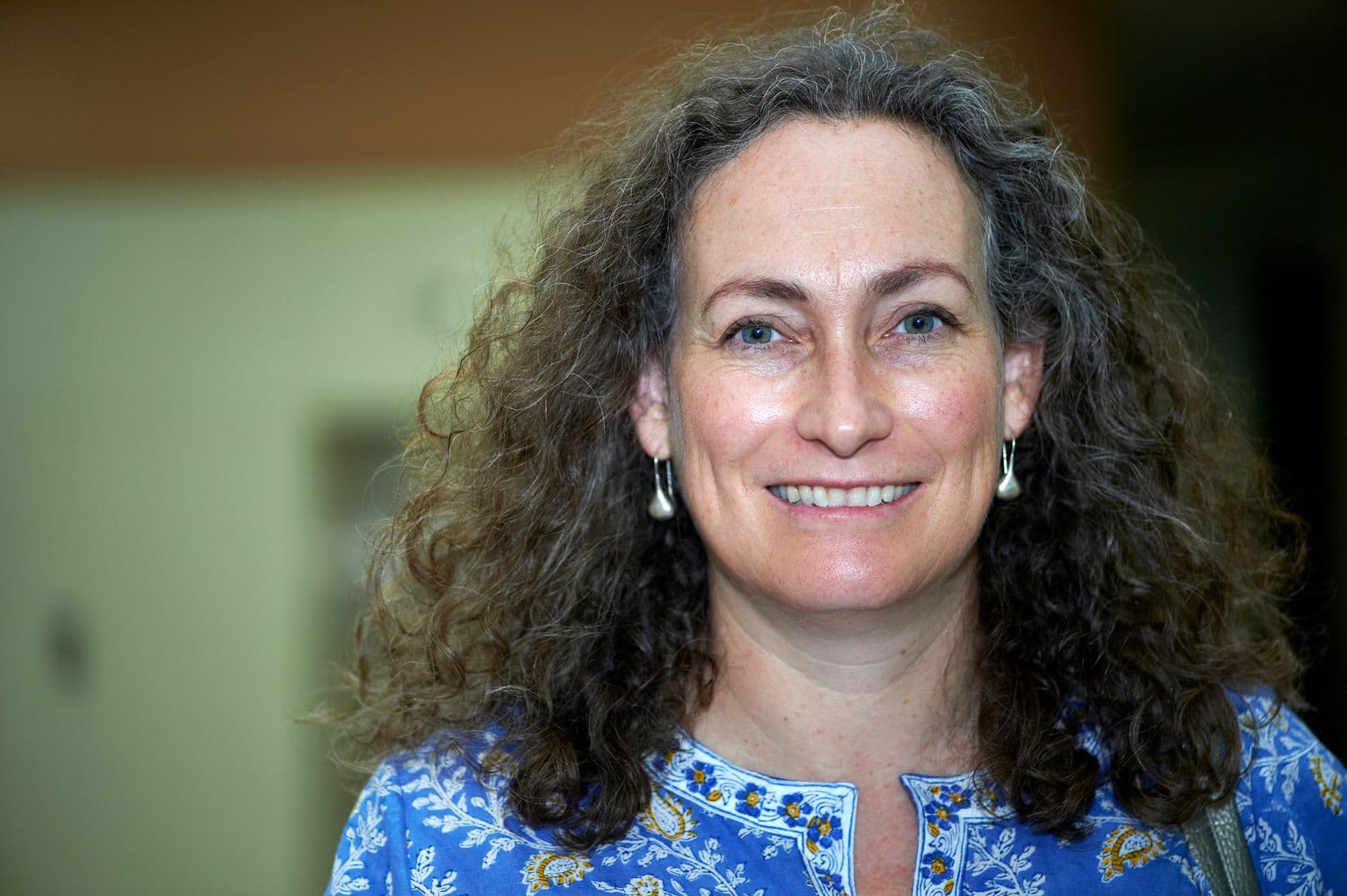
27. Michael H. Ramage – Reader in Architecture & Engineering, University of Cambridge (UK)
Ramage heads Cambridge’s Centre for Natural Material Innovation. In his studios he emphasizes low-energy materials: students explore bamboo, rammed earth and cross-laminated timber. He leads design-build workshops in developing countries, e.g. teaching students to vault brick roofs in Rwanda. His research develops new natural composites for structure and analyzes vernacular masonry. Ramage also integrates hands-on lab work into the curriculum to test material properties.
Key Focus Areas: natural materials (earth, timber, bamboo); structural engineering for sustainability; vernacular techniques in modern design
Selected Projects/Publications: Centre for Natural Material Innovation; Super Tall Timber CTBUH paper; Rwanda Stadium project
Recognition: Leverhulme Research Fellowship; Fellow of Sidney Sussex College; CTBUH contributor
What Tocco loves: Treats timber like poetry, teaching students to elevate forests into soaring, graceful structures.
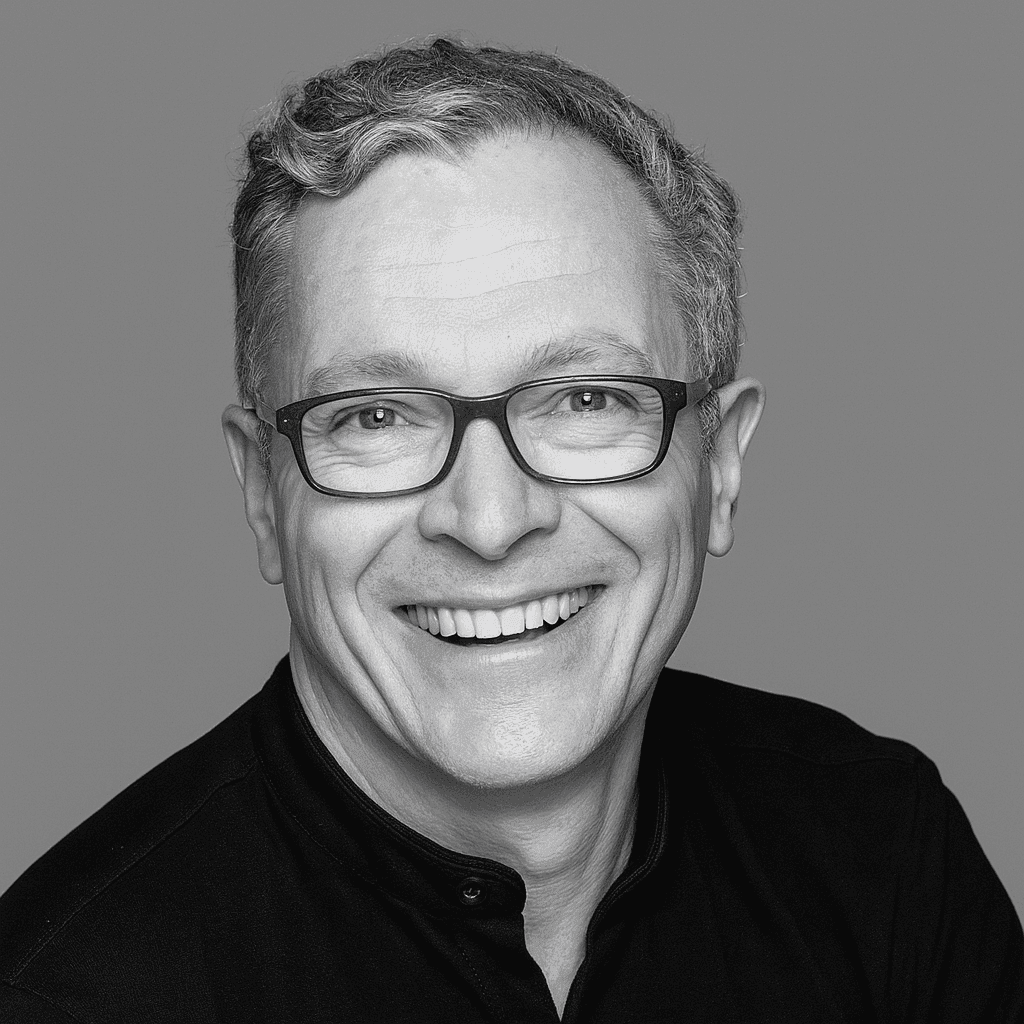
28. Dirk E. Hebel – Professor of Sustainable Construction, Karlsruhe Institute of Technology (Germany)
Hebel teaches sustainable construction at KIT, with a flair for the unconventional. His courses push students to use unusual materials: for example, a class on “Discoveries” had students construct installations from air and plastic bottles. He also pioneered bamboo composites and has students design bamboo housing systems. Hebel’s research often involves massive 3D prints using recycled plastic. In design studios, he guides students to consider waste and ecology: past projects include cardboard pavilions and straw-bale emergency shelters.
Key Focus Areas: innovative materials (plastic waste, bamboo, air); design-build experiments; low-tech/high-imagination design
Selected Projects/Publications: ETH Zurich Pavilion (IdeasCity NYC); Bauhaus Earth initiative; co-organizer of Plug-In City (Venice Biennale)
Recognition: Holcim Foundation Expert; Emerging Voices Award; exhibitions at Seoul Biennale
What Tocco loves: Collects waste like art supplies, teaching students to turn plastic trash into majestic new forms.
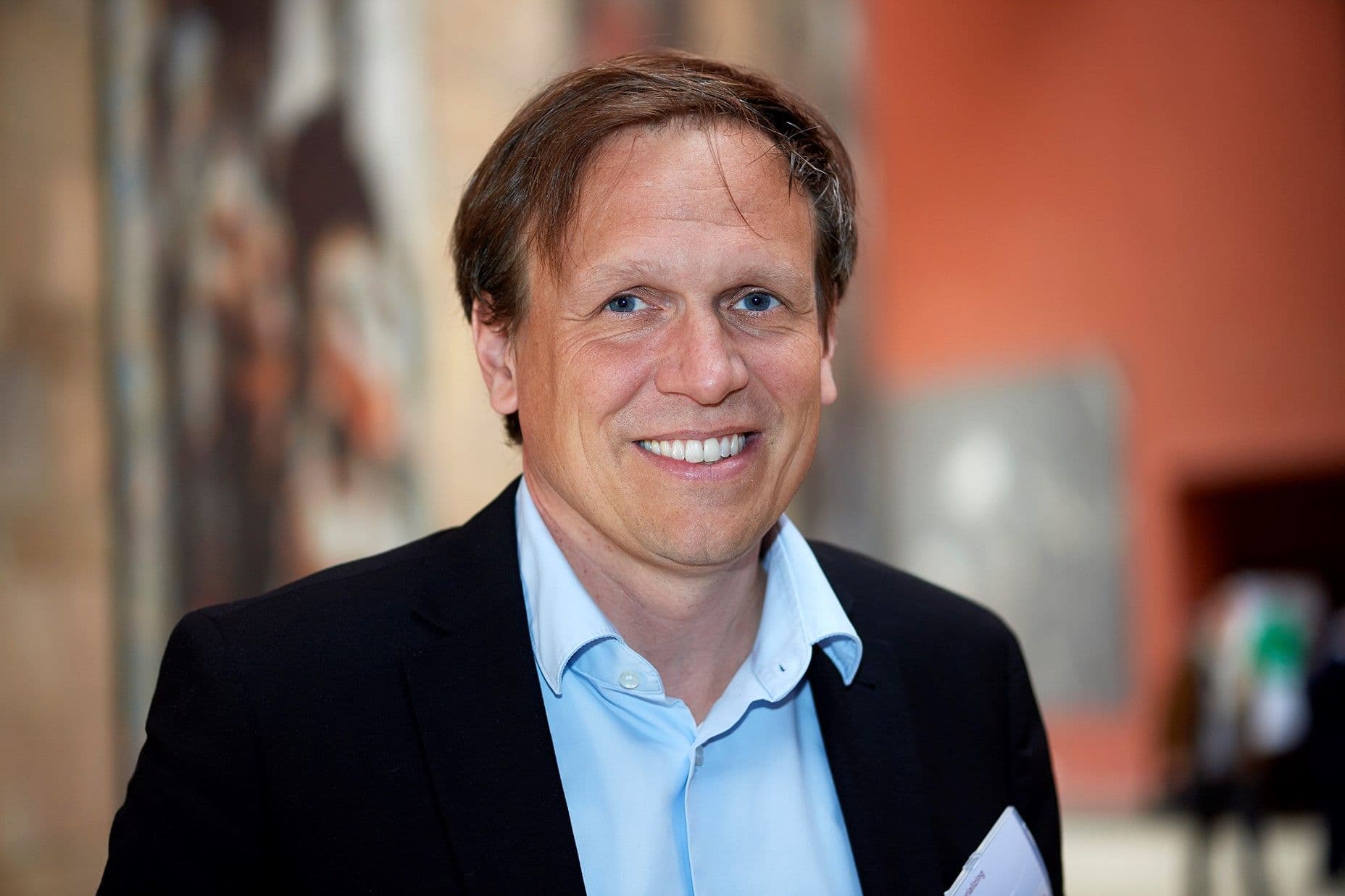
29. Siân Moxon – Associate Professor of Sustainable Architecture, London Metropolitan University (UK)
Moxon heads London Met’s sustainable design programs and leads its Urban Rewilding initiatives. Her teaching blends architecture with ecology: for instance, her Rewild My Street studios involve students greening campus courtyards and urban gardens to boost biodiversity. She has students map urban wildlife and design habitat corridors through city blocks. Moxon also emphasizes craft and community: she runs “Education Declares” to ensure all design courses cover climate action. Her textbook Sustainability in Interior Design is used internationally.
Key Focus Areas: urban biodiversity & rewilding; sustainable design education; community-based green design
Selected Projects/Publications: Rewild My Street project; Sustainability in Interior Design (Laurence King); London Met Lab for Healthy Cities
Recognition: Inspire Award finalist; Architects’ Journal “Women in Sustainability” list; Environmental Prize (UK Interior Educator of the Year)
What Tocco loves: Teaches architecture as if tending a garden, guiding students to plant buildings with wildflowers and rooftop nests.
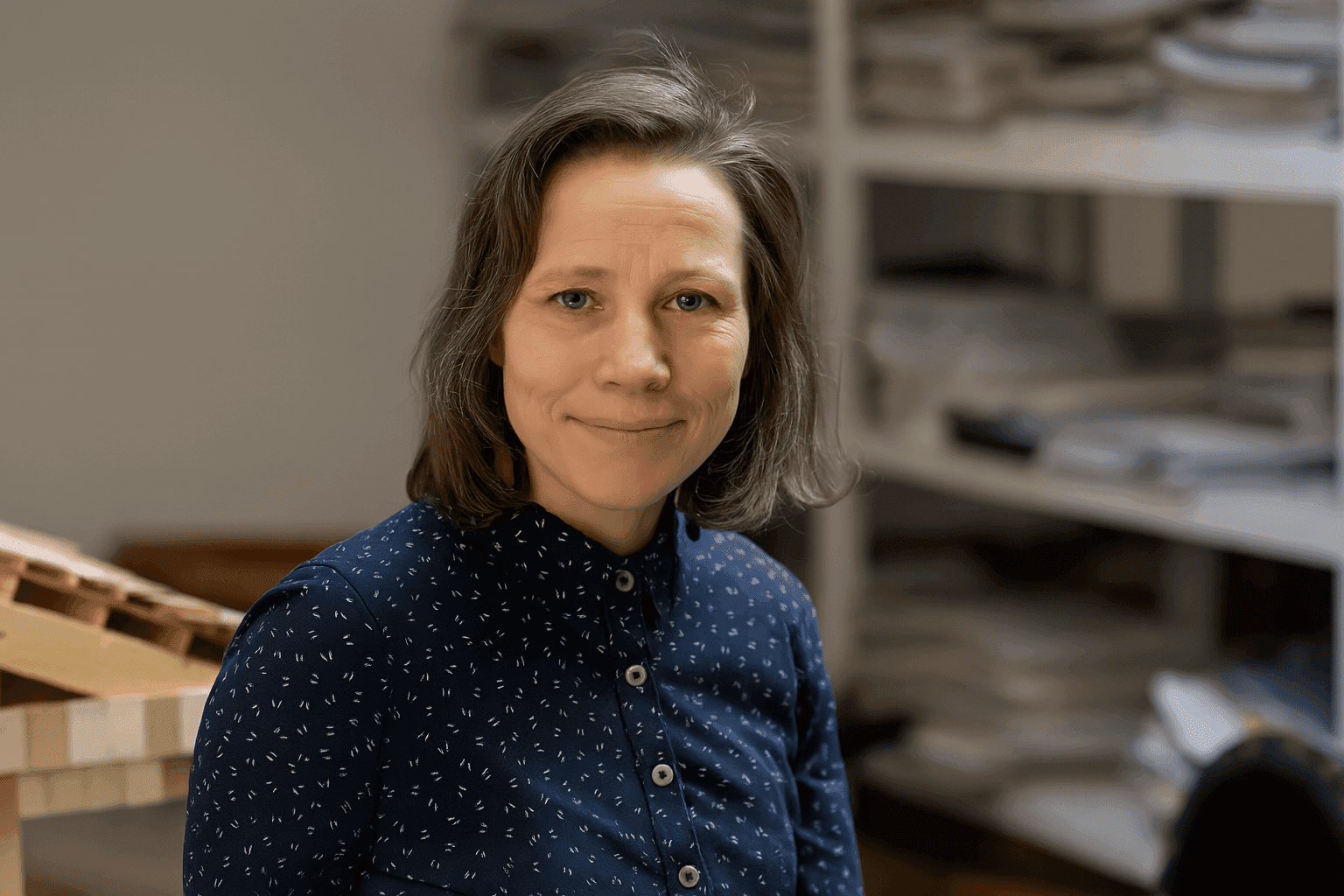
30. Varenyam Achal – Professor of Environmental Science & Engineering, Guangdong Technion (China)
Achal’s engineering background informs a materials-heavy pedagogy. He teaches courses on bio-based building materials and remediation techniques. His research focuses on using microbes to create new construction materials - for example, growing bio-bricks that consume waste carbon dioxide. In class, students experiment with bioreactor soil prints that filter wastewater. Achal also leads projects on mycelium panels for insulation and lectures on linking industrial biotechnology with architecture. His lab work pushes students to see bacterial cultures as construction factories for the future.
Key Focus Areas: bio-remediation materials; microbial / biogenic construction; sustainability biotech in architecture
Selected Projects/Publications: GTIIT Environmental Science Lab; publications on microbiologically induced calcite precipitation; patents on biocement and organic aggregates
Recognition: Top 2% scientist; NSFC and EU grants on eco-materials; editorial roles (Frontiers in Marine Science)
What Tocco loves: Turns lab cultures into architecture, teaching students to have bacteria knit cement out of thin air.
---
→ Prototype without expensive tooling. Download 3D Printing 2025 for the textures, surfaces, and form languages shaping architecture, fashion, and furniture.