Key Points
- Junai pairs biomaterials with a no-heat 3D printing system to make home-compostable parts and challenge plastic-heavy additive manufacturing.
- Tooling includes user-friendly printers, starter kits, and compostable feedstocks; kits are built from discarded plywood with plastic-free packaging.
- The approach reframes design around recipe-specific materials rather than one-size-fits-all plastics, taking cues from natural composites (e.g., shells, nutshells).
- Early skepticism centres on strength and throughput; Junai addresses this via designer collaborations, use-case demos, and education programmes.
- Vision: a regenerative ecosystem where printed products safely return to nature at end-of-life.
Full interview with Junai.earth
What inspired the creation of Junai and the focus on bridging the gap between human-made products and the environment?
The inspiration behind Junai's creation and its focus on bridging the gap between human-made products and the environment stems from a deep appreciation for nature's ingenuity.
Recognising the vast potential of biomaterials found in the natural world, Junai was born out of a desire to harness these resources to develop solutions that are both environmentally friendly and functional. One of our founders Jasper Middendorp, has been working with plastics, even if they are recycled. From this experience, he had a deep desire to make products that working harmony with nature and can freely flow between man-made products and a natural lifecycle.
What's your most radical belief in creating biomaterials and 3D printing that might just be right?
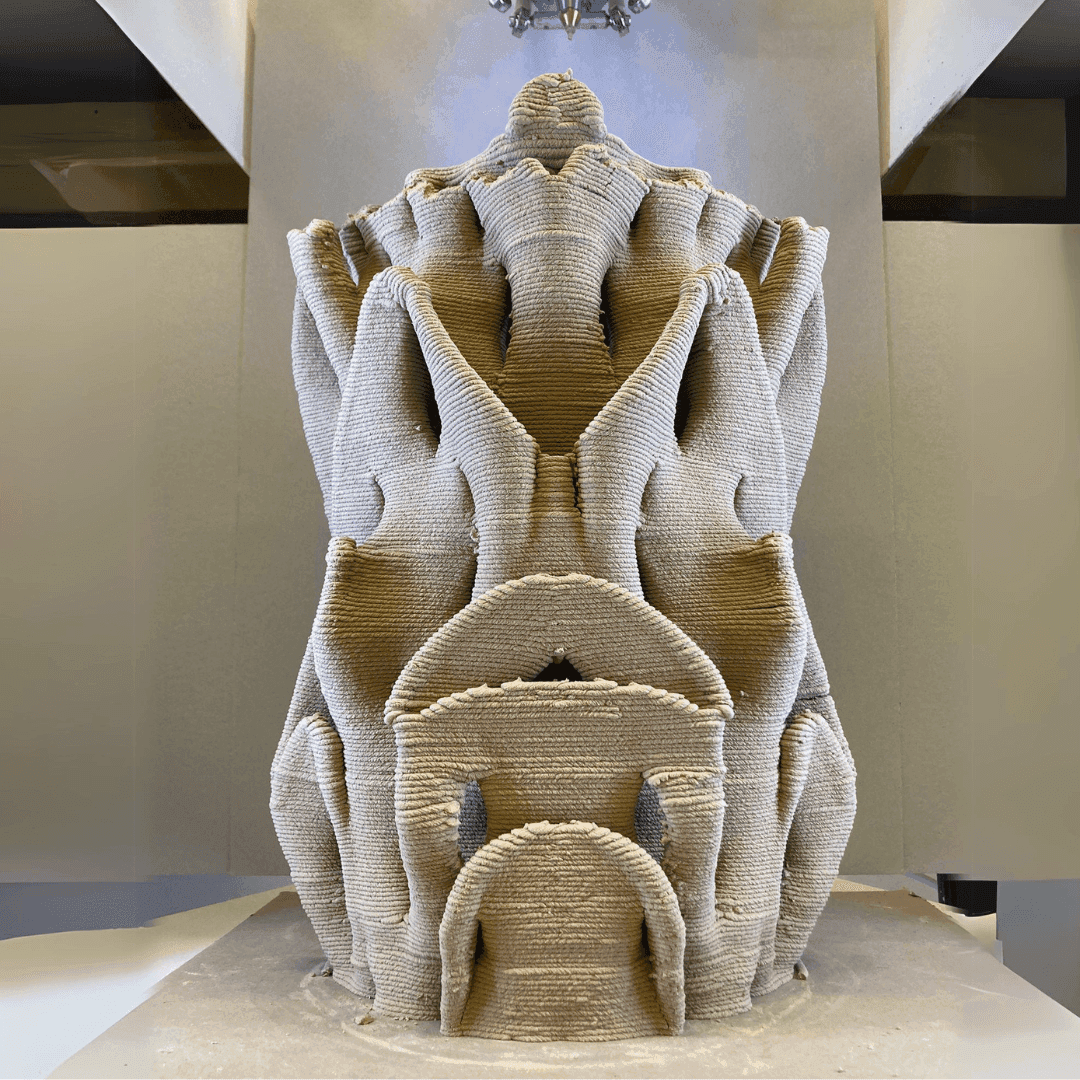
One of Junai's most radical beliefs in creating biomaterials and 3D printing lies in the notion that sustainability and innovation go hand in hand. While some may view sustainability as a limiting factor in design and manufacturing, Junai firmly believes that by embracing biomaterials and integrating them with advanced 3D printing technologies, it's possible to unlock a realm of possibilities previously unexplored. This belief is rooted in the understanding that nature has already perfected many materials and processes, which can be leveraged to create innovative solutions that benefit both humans and the environment. We’re a long way out from catching up with billion years of natural manufacturing systems, but we believe that in the long run, we can make products as sustainable and strong as a walnut or an oyster shell.
What's the biggest myth about 3D printing you're busting through your work?
One of the biggest myths about 3D printing that Junai is actively busting through its work is the idea that 3D printing is inherently unsustainable due to its reliance on plastics and other non-biodegradable materials.
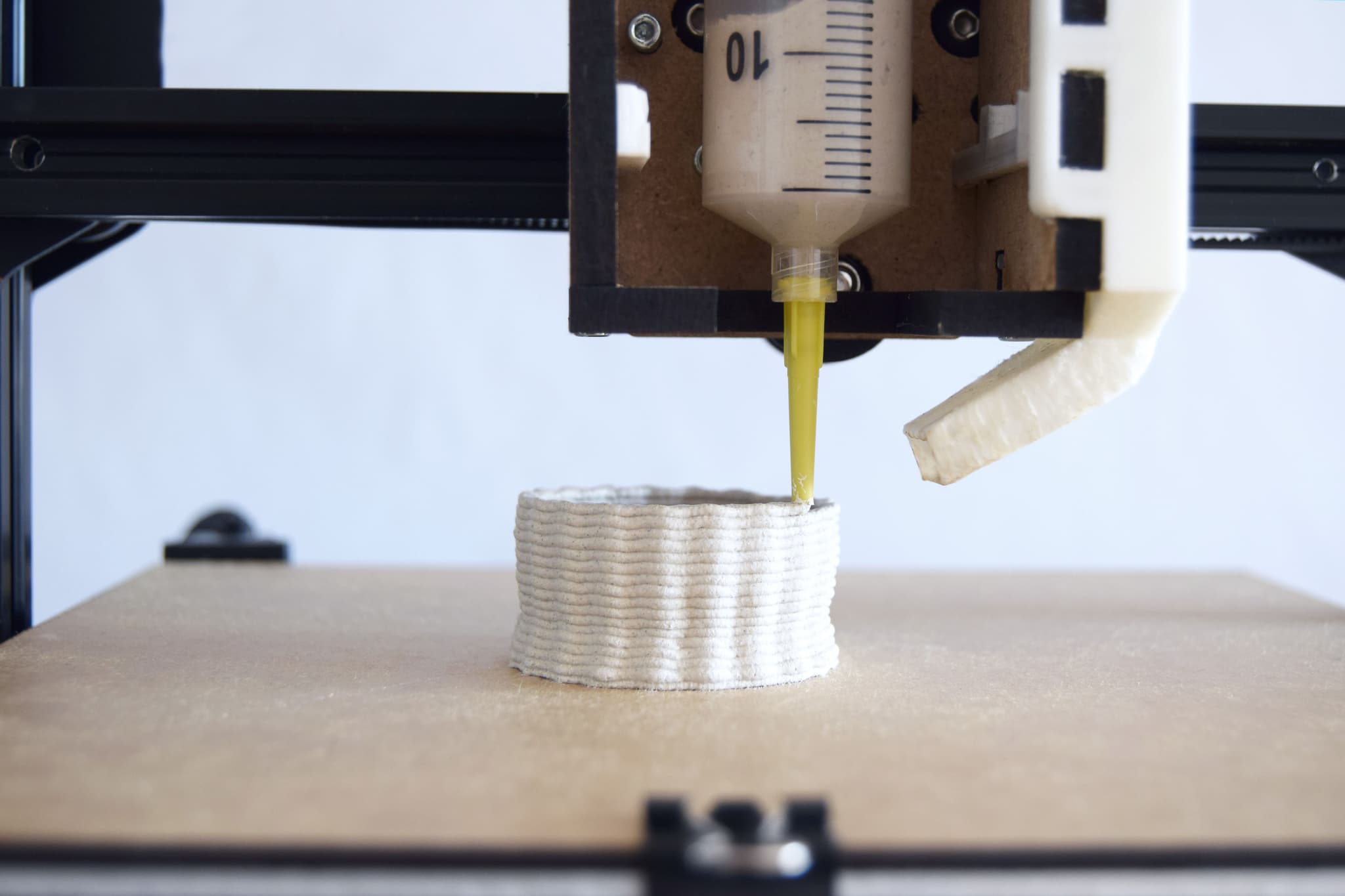
By focusing on the development and promotion of home compostable biomaterials, combined with a no-heat 3D printing system Junai demonstrates that 3D printing can be part of a regenerative manufacturing ecosystem.
What specific tools and materials does Junai offer to facilitate sustainable manufacturing and biomaterial development? How does ensure that its kits and materials are in line with sustainability principles?
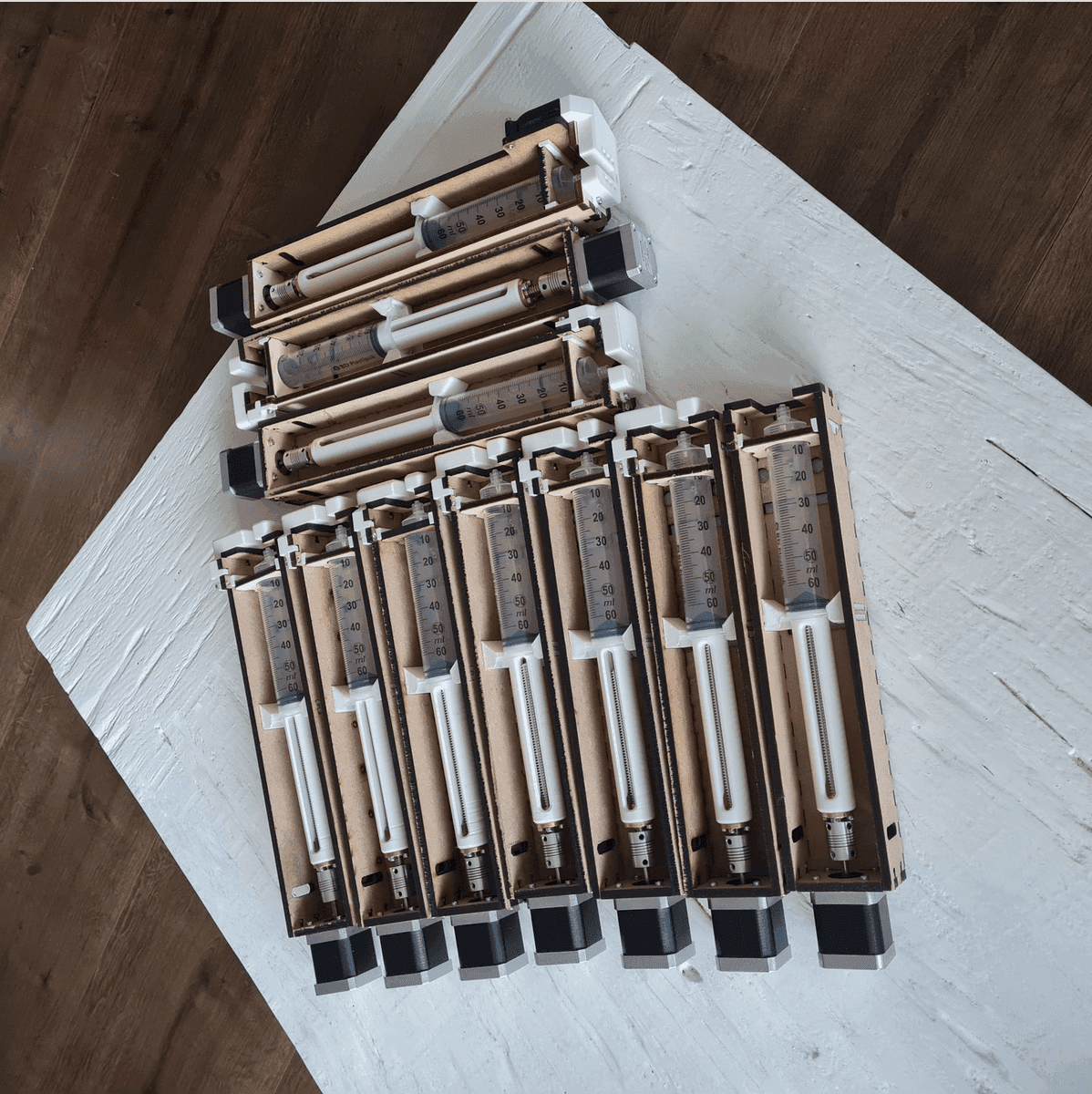
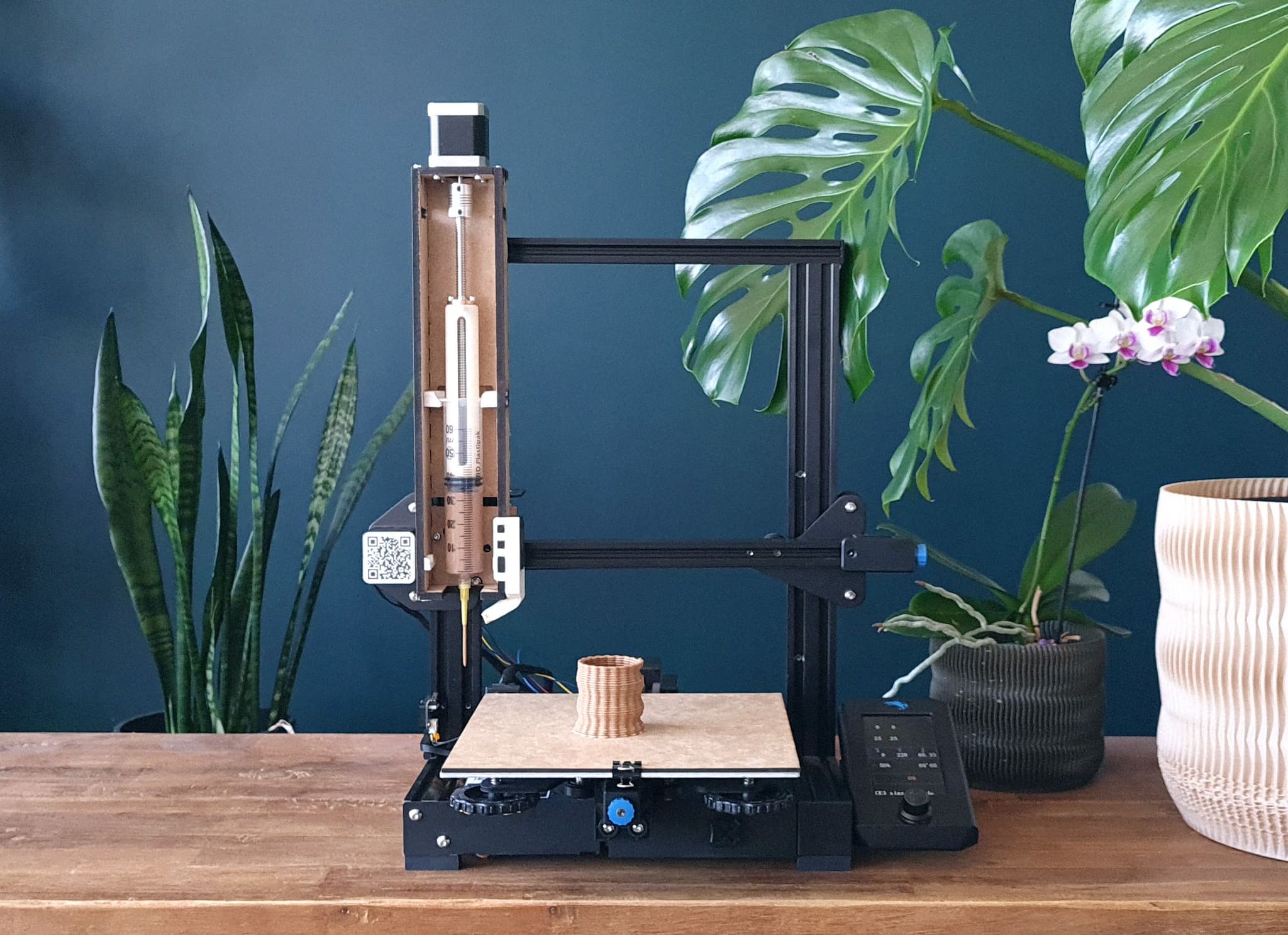
Junai offers a range of tools and materials to facilitate sustainable manufacturing and biomaterial development. These include user-friendly biomaterial 3D printers, starter kits, and a variety of compostable biomaterials sourced from renewable resources.
By prioritising materials that are biodegradable and compostable, Junai ensures that its offerings contribute to a more sustainable manufacturing landscape. We create most of our kit out of (discarded) plywood and other recycled materials. Furthermore, we ensure that our product packaging remains entirely devoid of plastic.
Ultimately, the greatest sustainability impact emerges when users utilise our kits to craft regenerative products, thereby replacing a significant portion of plastic-based products in circulation.
Have there been instances where your ideas or approaches in the field of sustainable manufacturing were initially criticised or rejected? How did you go about proving them wrong?
Like any innovative endeavor, Junai's ideas and approaches in the field of sustainable manufacturing have faced criticism and skepticism. The skepticism in what we do mainly revolves around the production limitations of biomaterials and no heat manufacturing. We aim to prove these wrong by collaborating with designers to prove use cases as well as point to how in the natural world these materials are used to make incredibly strong materials (e.g. nut shells, crustaceans, etc).
It does require a very different mindset when designing moving from one type of material and process that can shape a whole range of products (Plastic) to specific recipes and manufacturing processes for a specific application and result.
What is Junai's vision for a regenerative future, and how does the company contribute to achieving that vision?
Junai envisions a regenerative future where human activities are in harmony with nature, rather than depleting its resources. To contribute to this vision, Junai is committed to advancing the adoption of regenerative materials that, once at the end of their life, can safely be taken back up in nature’s lifecycle.
We do this by making it as easy as possible for users to get their hands on hardware and materials and start experimenting and testing for their applications. Additionally, a lot of our products are being used in educational settings, where we hope it will drive a new design ethos to work together with nature instead of against it.