Key Points
- A decade of Chinese painting informs a calm, nature-led, minimalist design language.
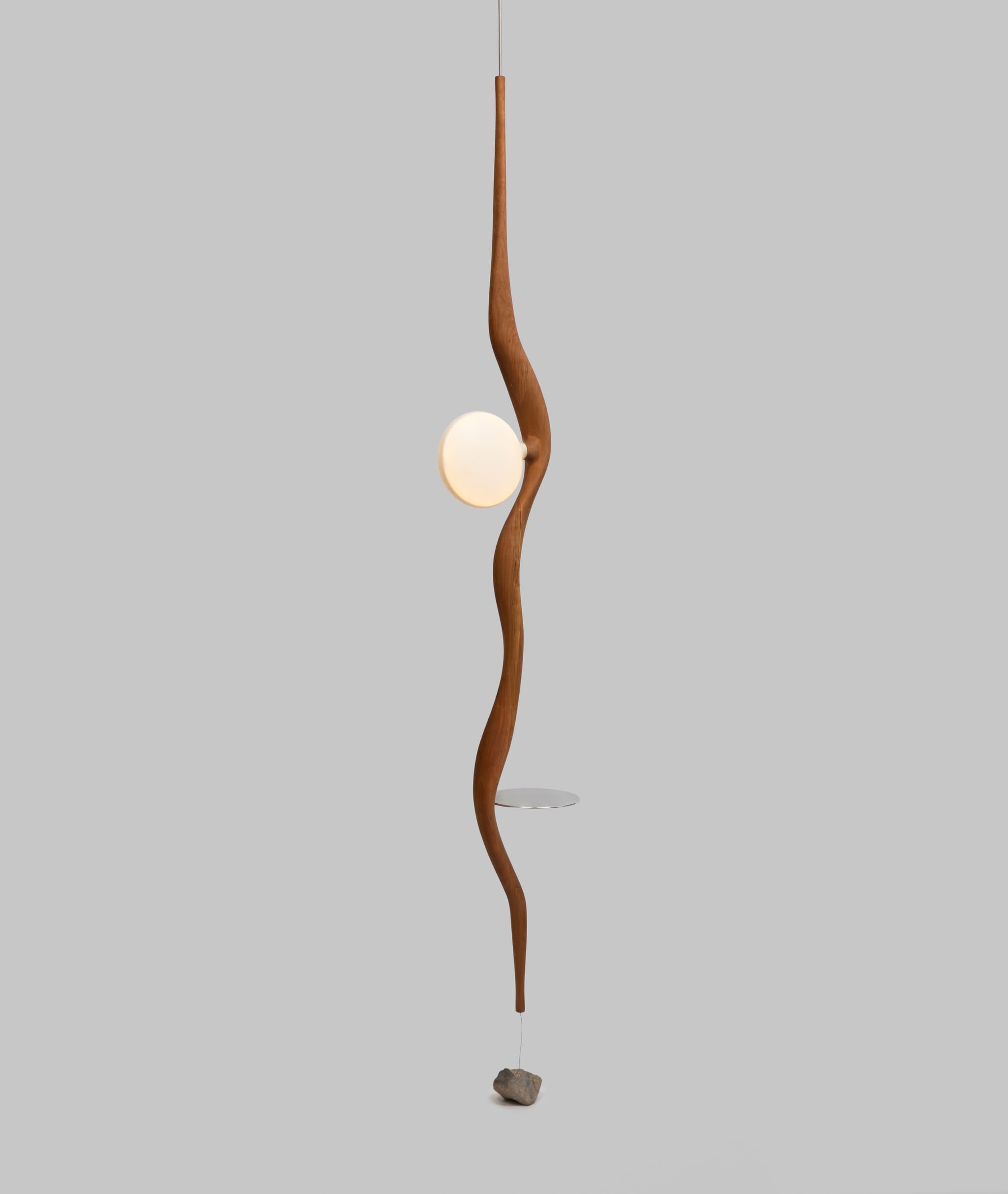
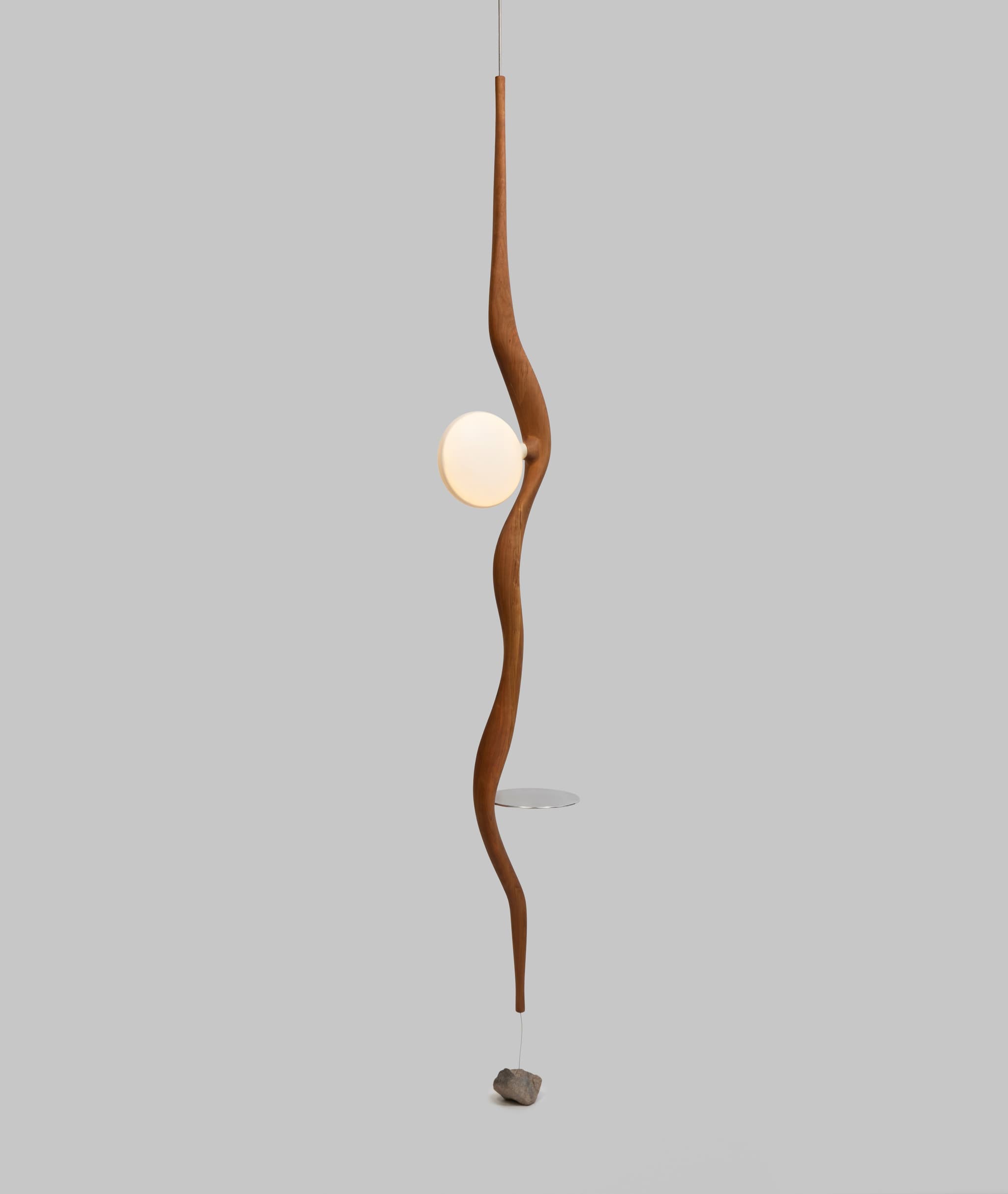
- Moonshadow lamp: cherrywood body, LED strip with an SLA-printed diffuser, and a rotational on/off interaction for seamless use.
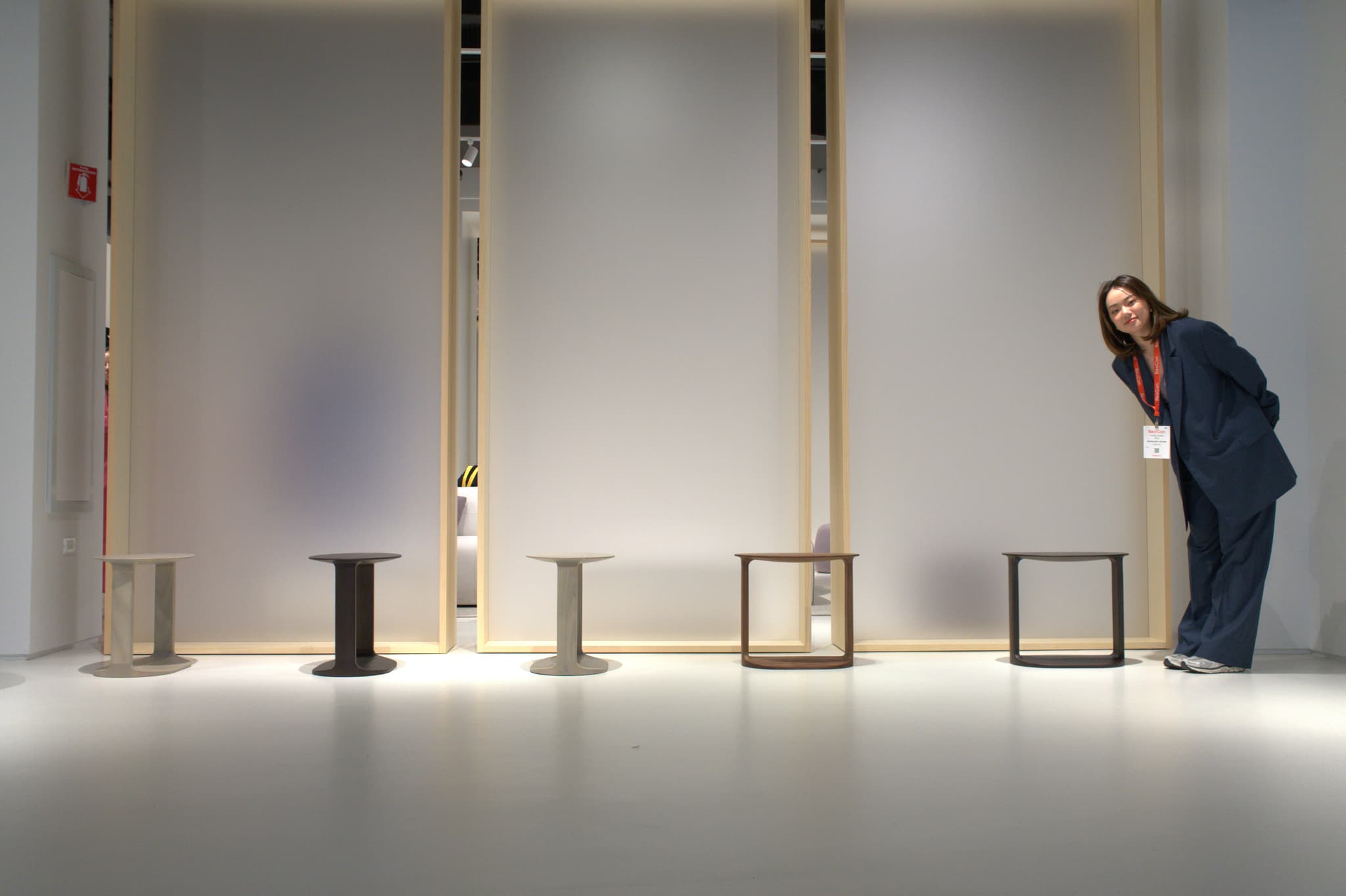
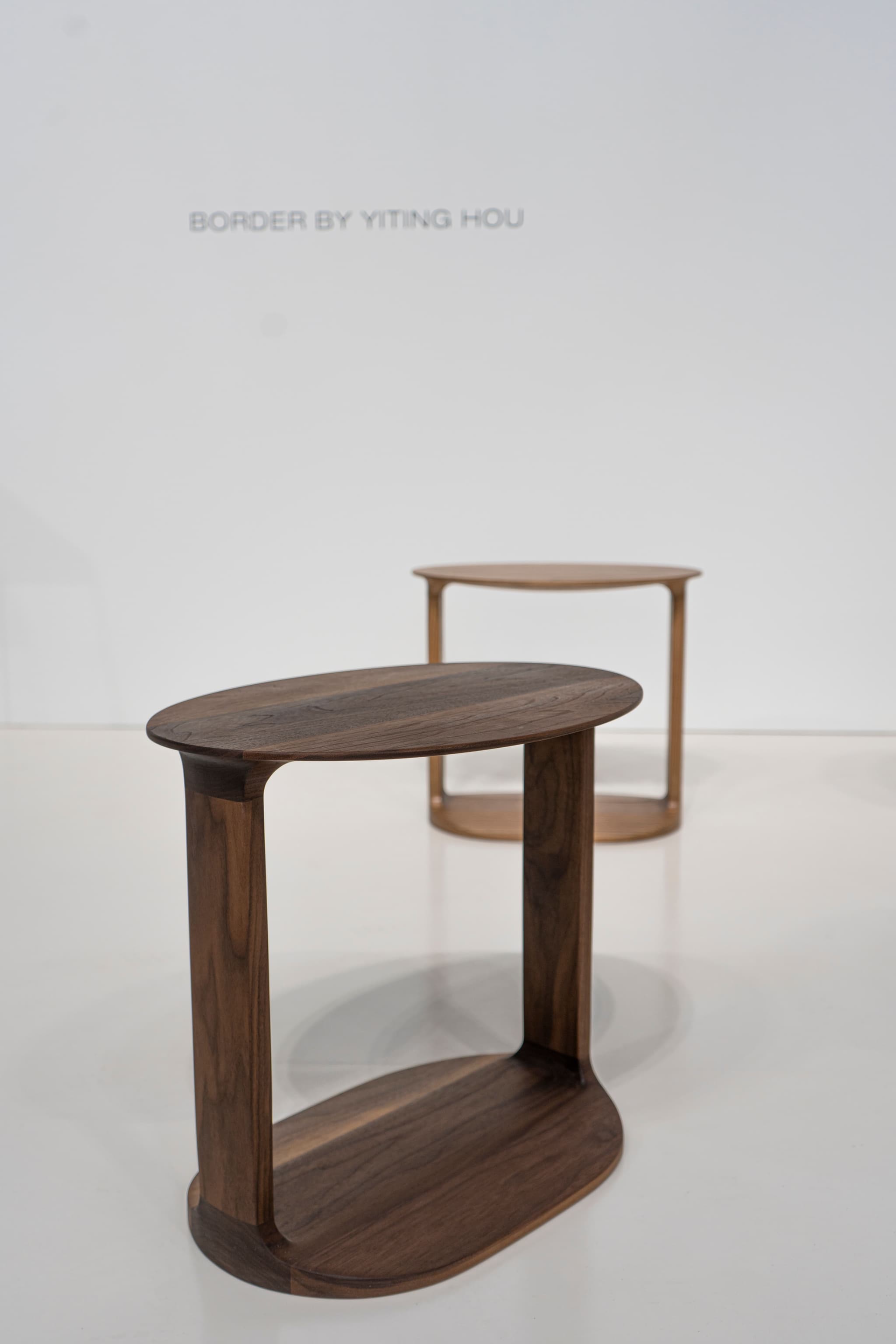
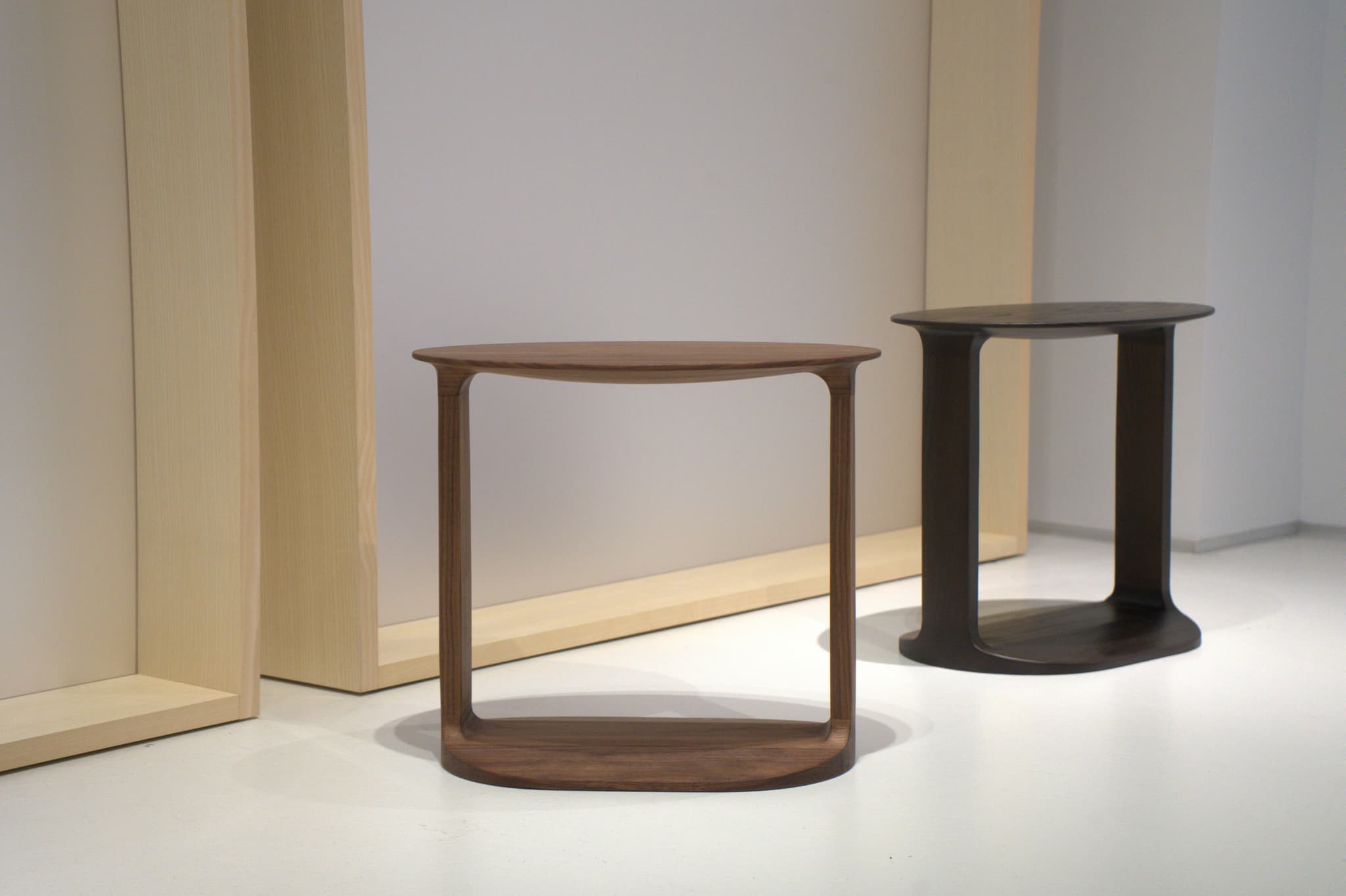
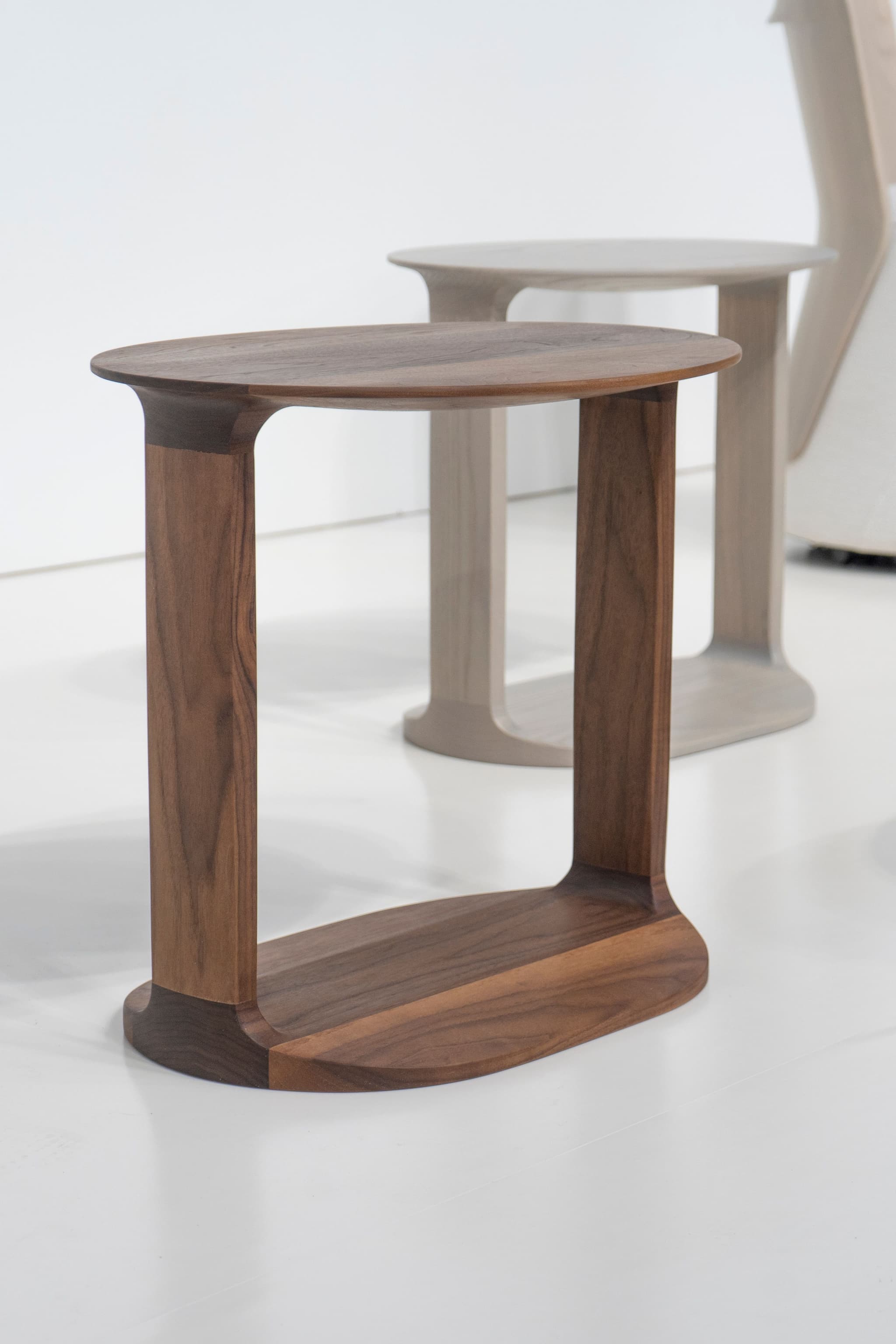
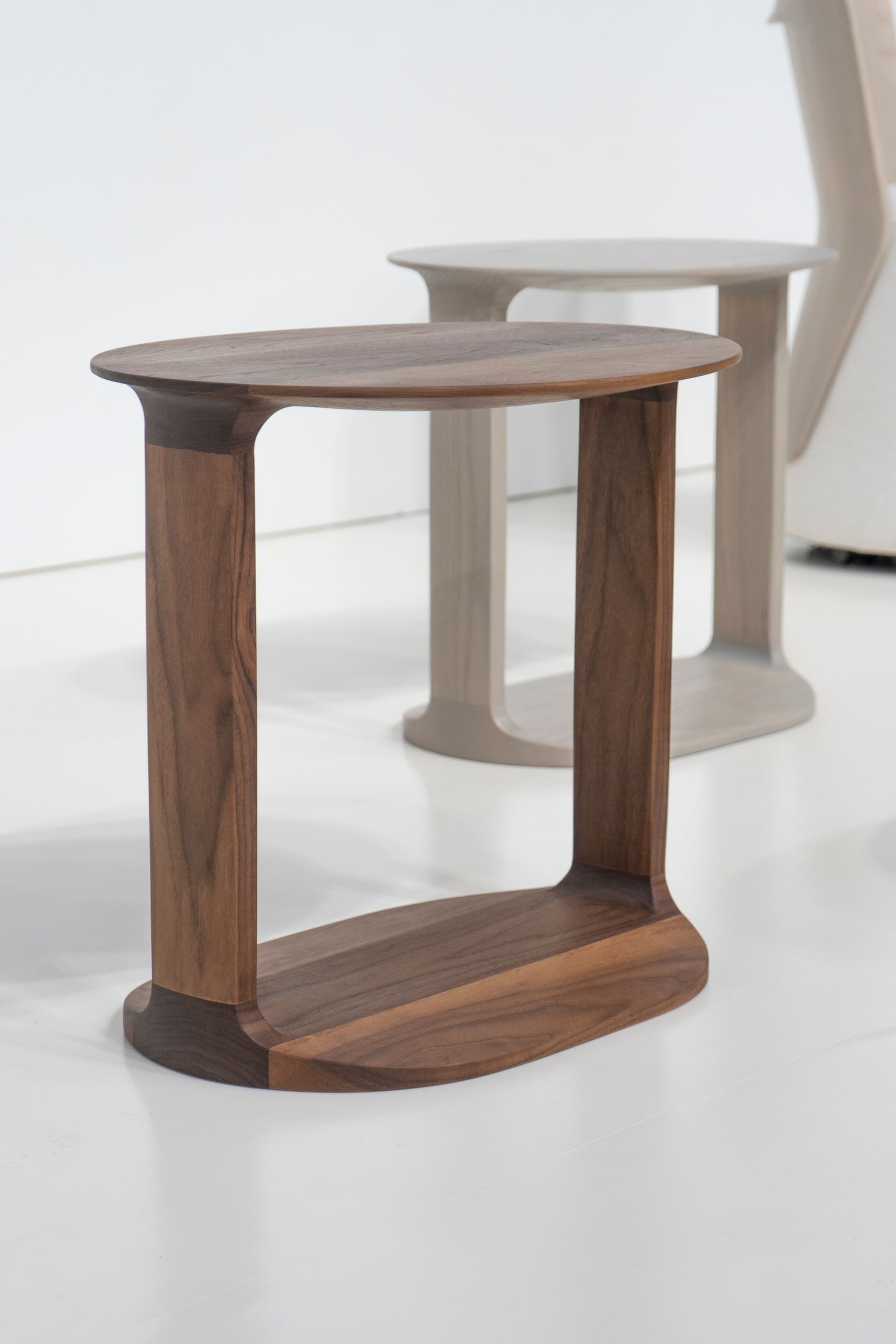
- Border table: skating-inspired balance of delicacy and strength, soft round top with crisp vertical supports to express latent dynamism.
- Prefers solid woods (walnut, oak) over metals; uses finishing oil (no industrial paints) to preserve grain and durability.
- Bernhardt Design collaboration sharpened client-driven decisions; ongoing exploration with 3D printing, silicone materials and data-informed methods.
Full interview with Yiting Hou
How has your background in Chinese painting shaped your modern systemic design philosophy?
With ten years of experience in Chinese painting, I've learned to deeply appreciate the beauty of nature. Traditional Chinese painting emphasizes simplicity and elegance, using natural minerals and herbs to create colors and employing clean lines and chiaroscuro to capture the essence of nature.
This art form embodies the philosophy of "a heavy sword with no sharp edge, great ingenuity without deliberate work" a principle I strive to reflect in my designs: creating a harmony that brings a sense of tranquillity and closeness to nature.
As an aesthetic pursuit, Chinese painting has enriched my understanding of color and form. This extensive background enables me to infuse my furniture designs with a unique blend of inspiration and refined aesthetics, transforming fleeting ideas into tangible creations.
Regarding the Moonshadow Lamp, what was the inspiration behind this design? Could you elaborate on the design process and materials used in creating the Moonshadow Lamp?
When it comes to the lamp, the first thing that comes to people's minds is usually those modern lighting products shining in the concrete cities, which are somehow associated with the fast-paced and high-pressure modern pace of life.
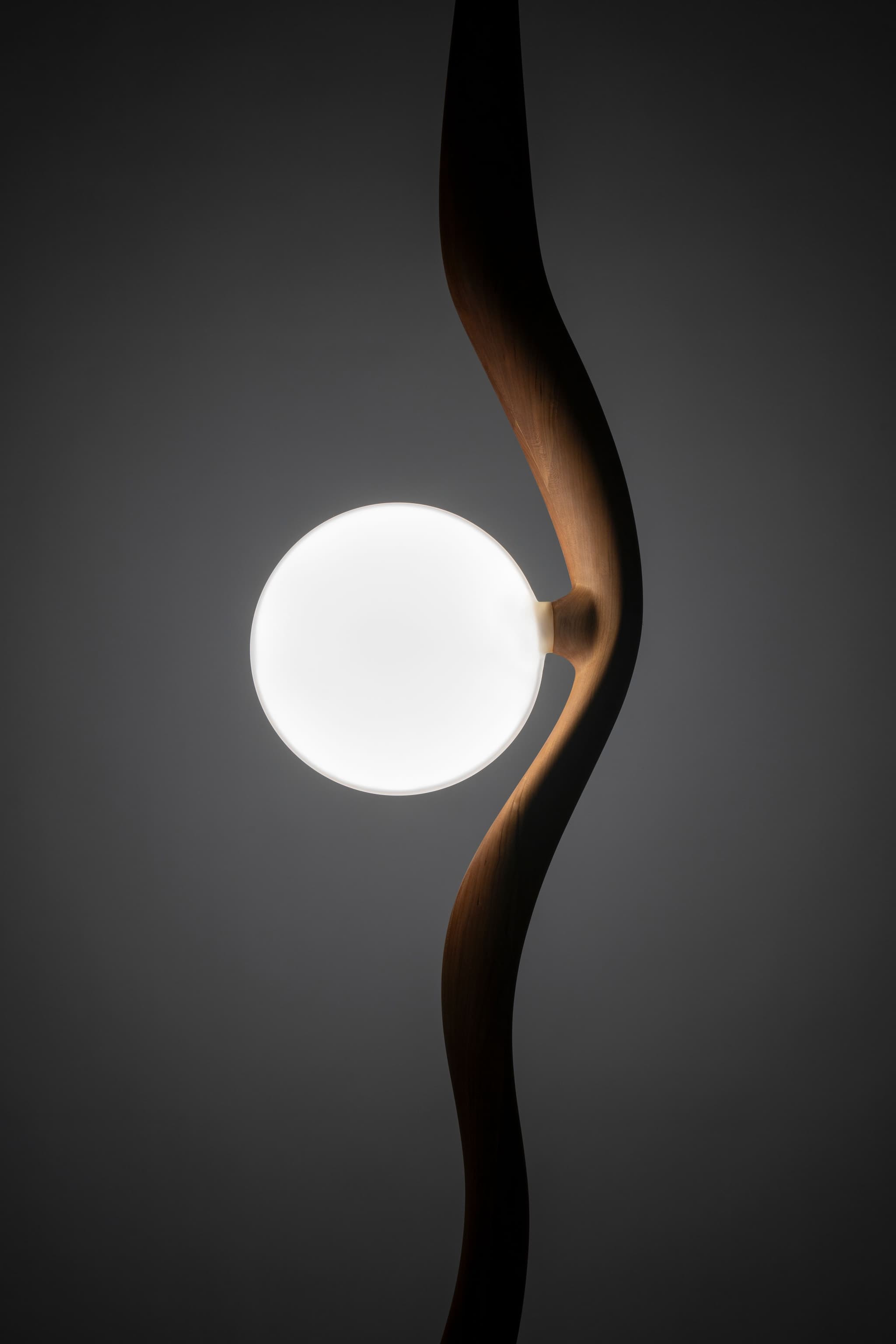
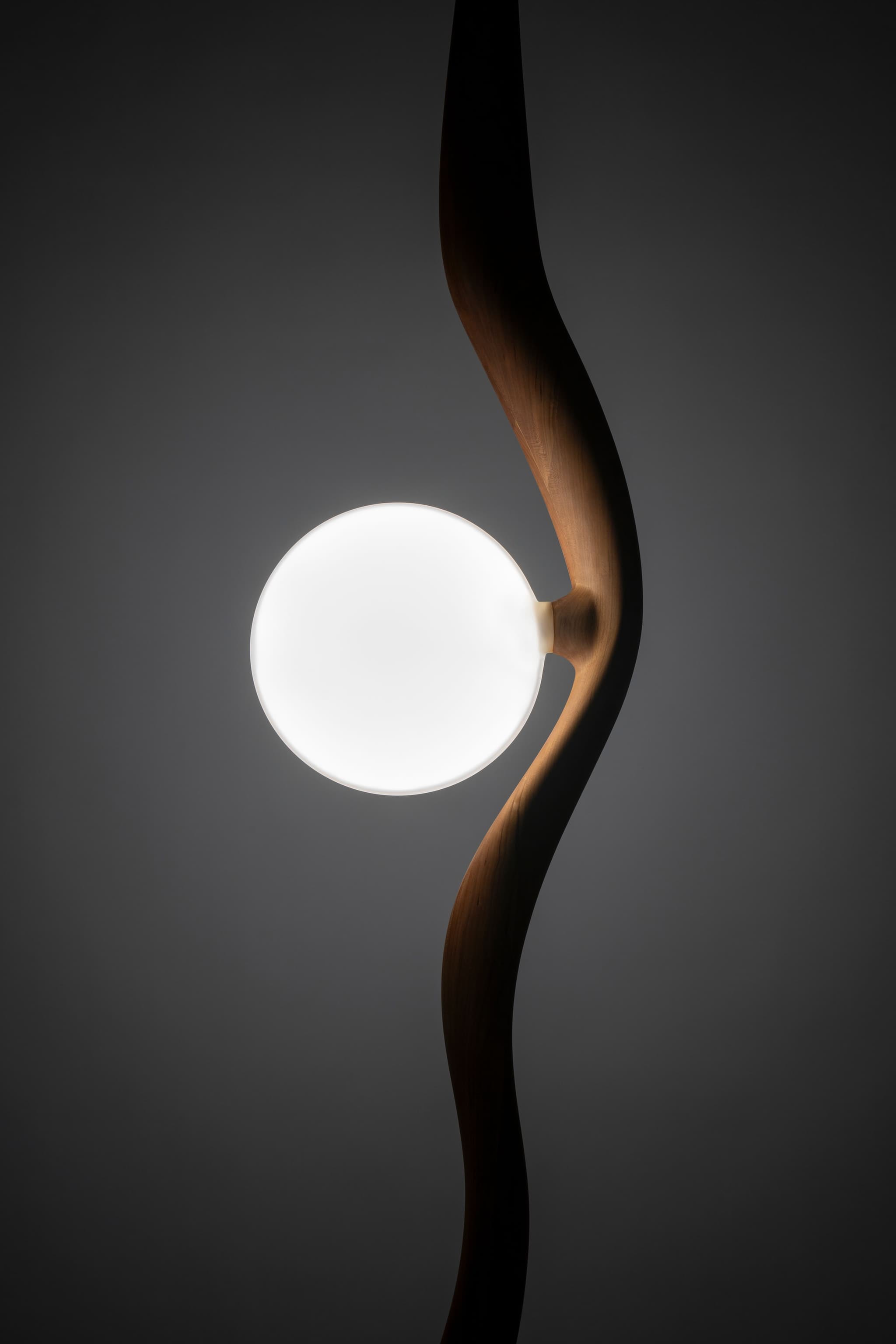
At the beginning of my design, I wanted to create a light like a moon shining on a quiet and peaceful forest so that I could create a quiet and peaceful corner at home, like a natural warm night in the forest.
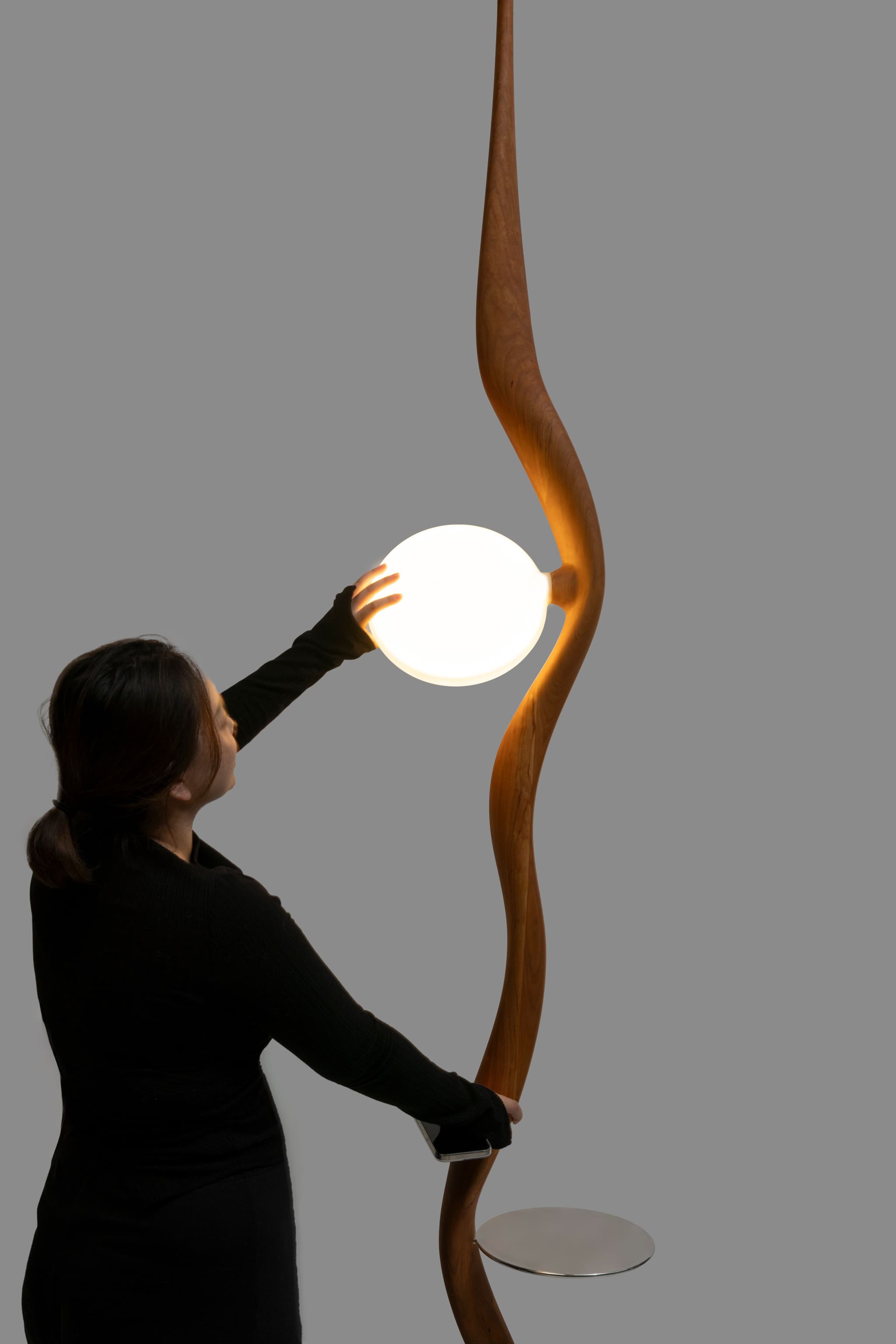
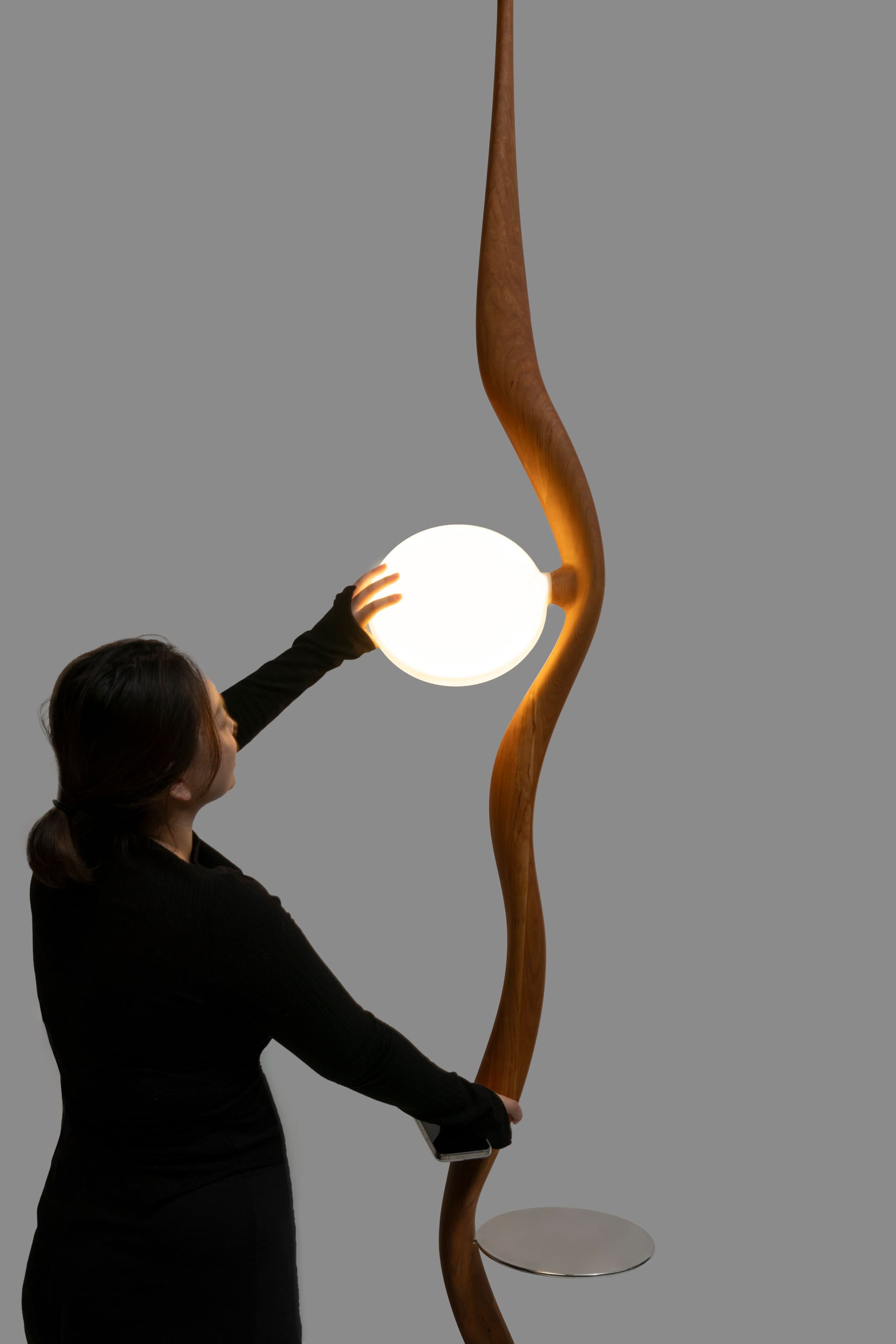
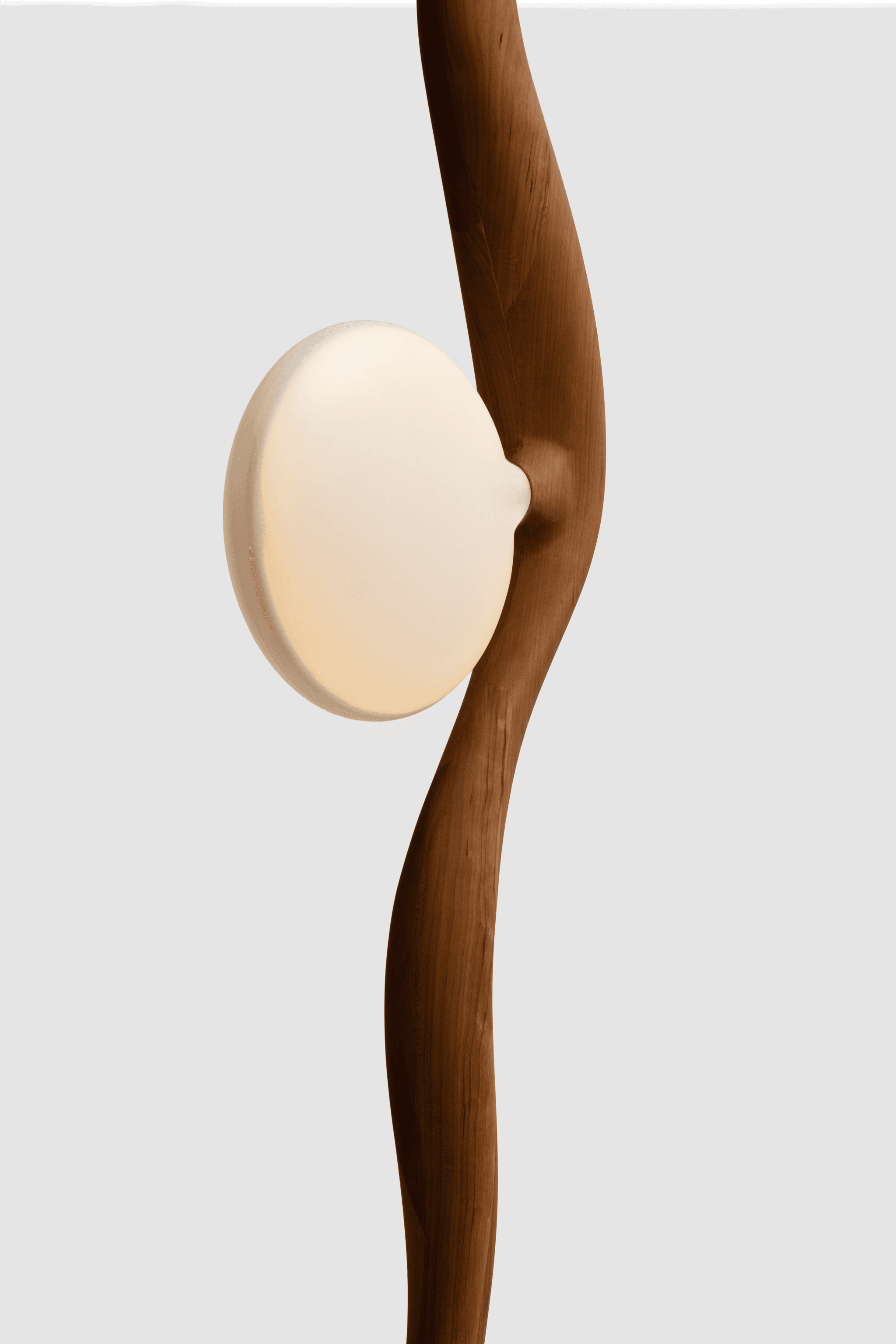
In terms of the interaction of the lamp, I do away with the traditional touch switch or any other modern button setup. I want it to switch on and off as naturally as parting the clouds and revealing the moon’s glow. During this process, I hope that people can not only control the light but also get a little bit of relaxation and enlightenment. Therefore, I designed this rotating interaction to gradually turn the lights on or off.
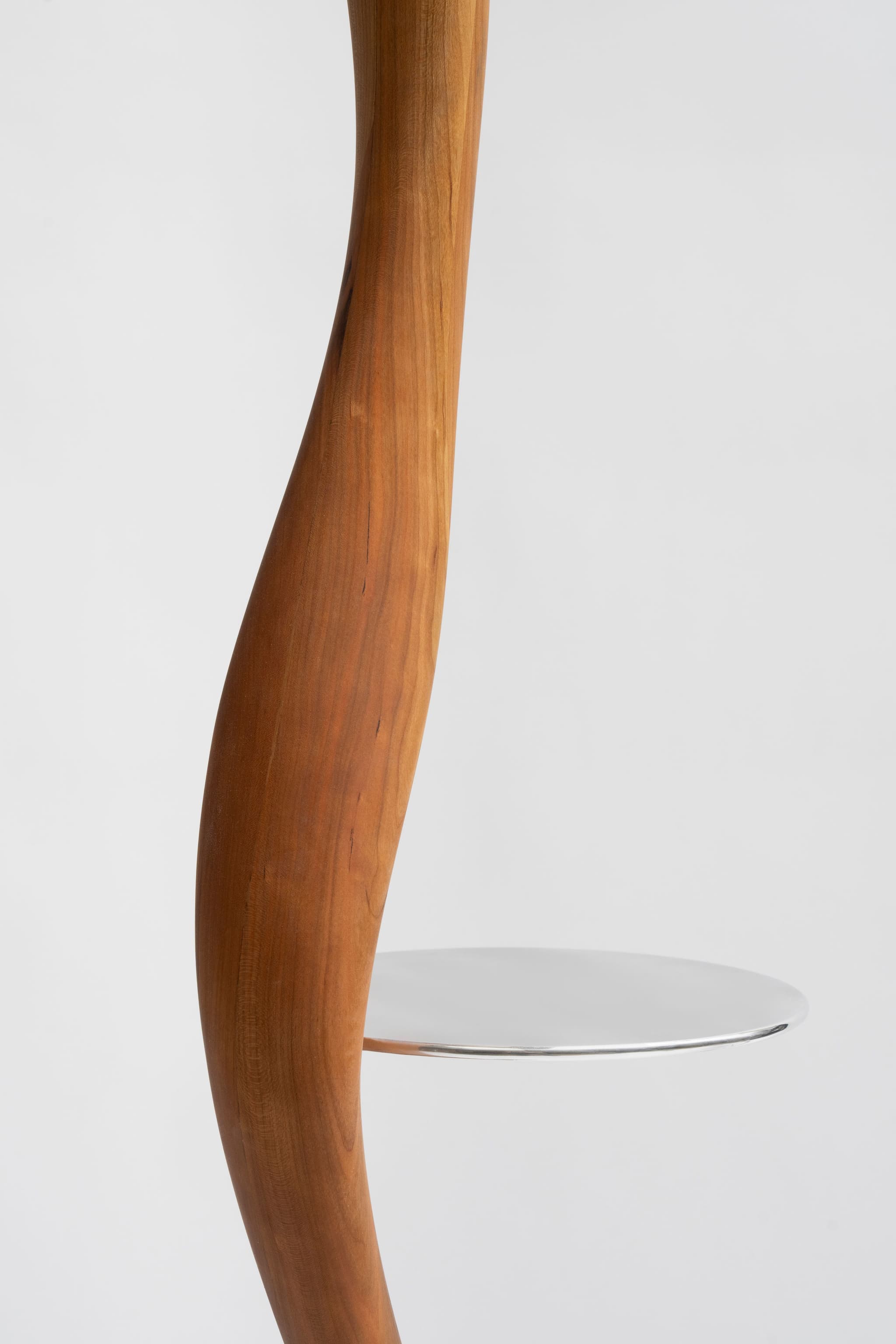
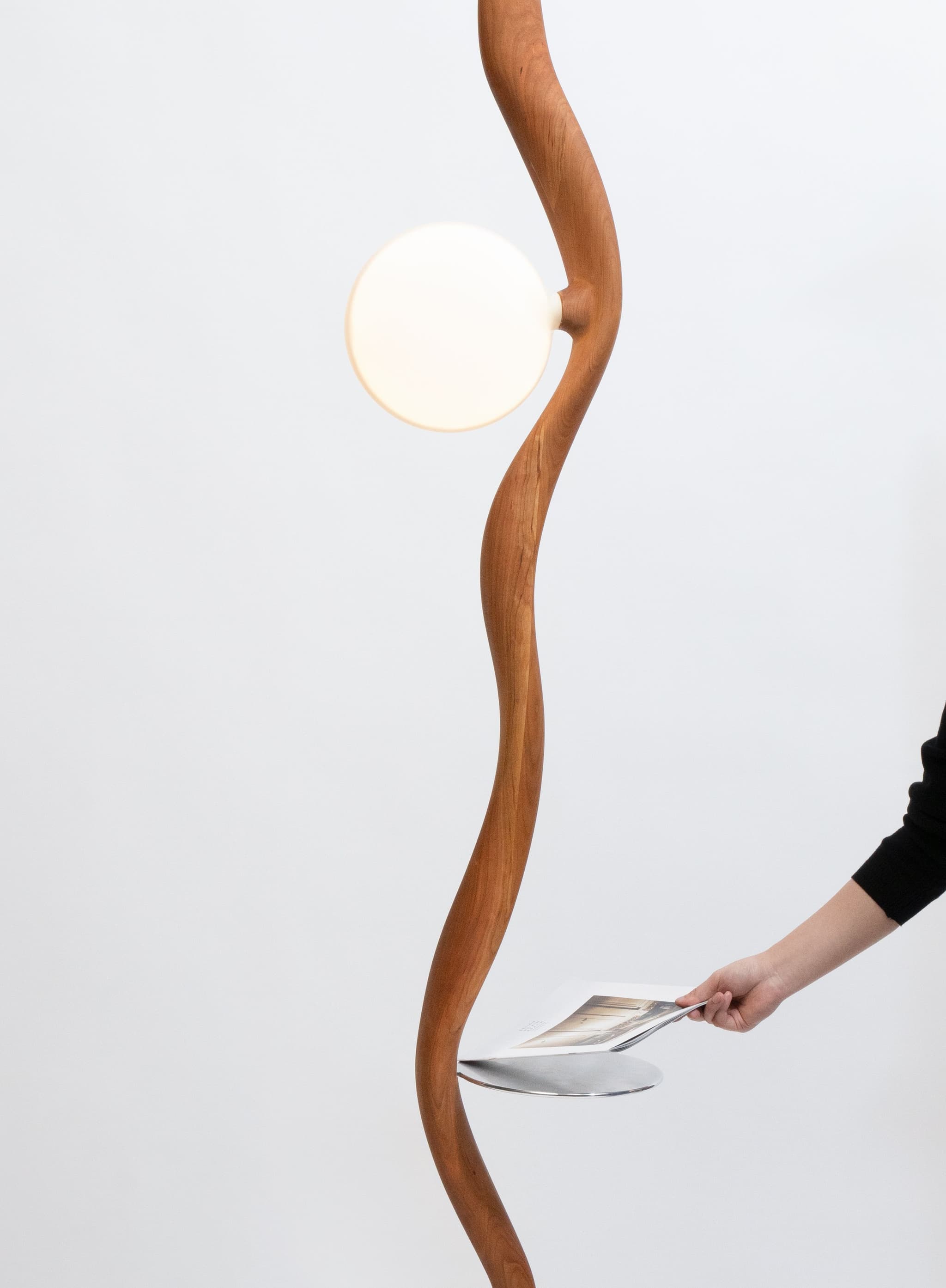
The main body of the Moonshadow is made of Cherrywood planks to present a natural beauty. The ethereal "Moon" is lighted by an LED strip and diffused through an SLA-Printed lampshade. Such applied 3D printing technology aims to make complex and small control structures functional with sufficient strength.
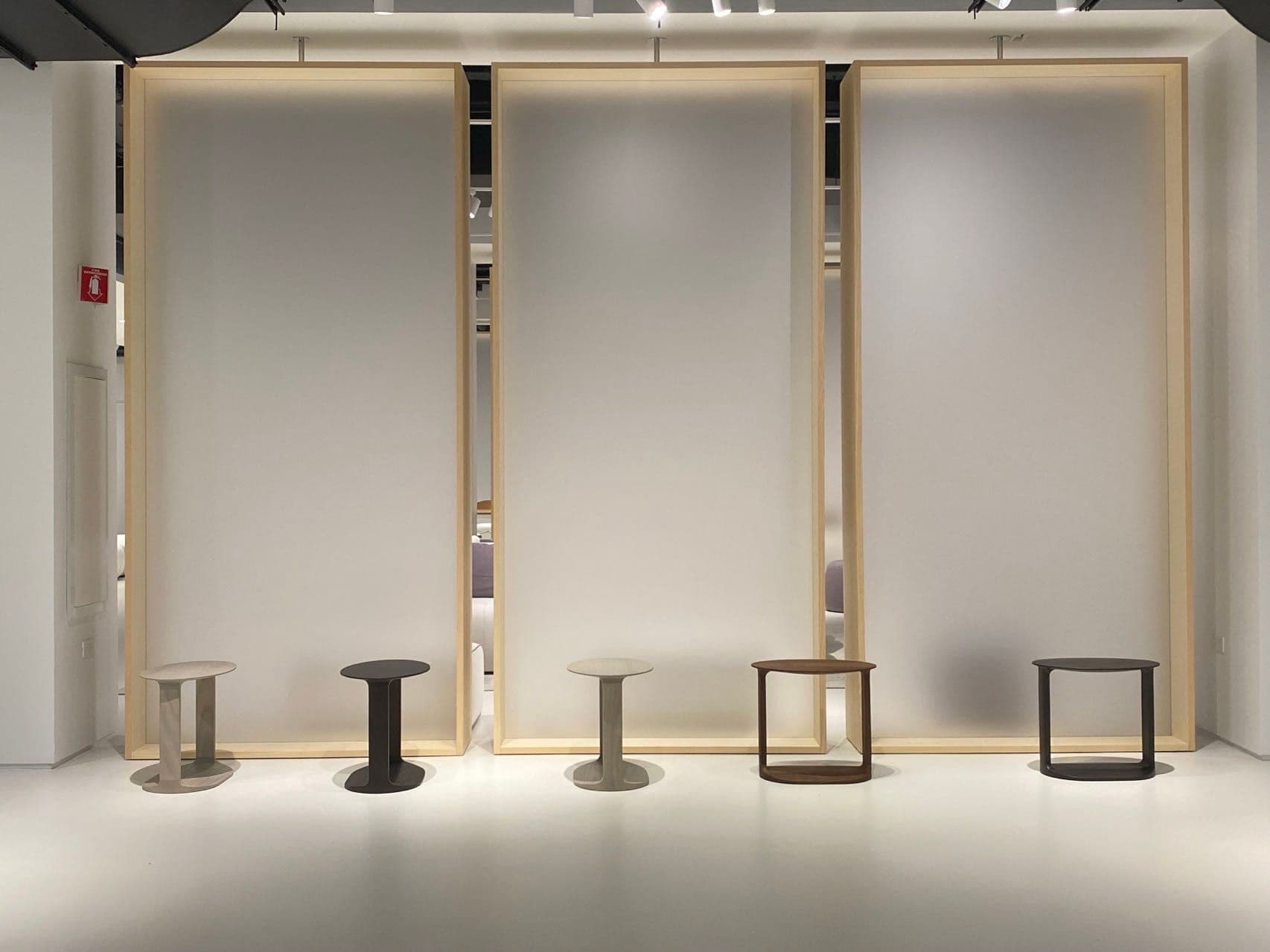
Regarding Border Table Design, how did the concept of skating inspire the design of the Border table? What challenges did you face in balancing the physical delicacy and visual slimness of the Border table?
The given theme of my design is mobility. When conceptualising my creation, I aimed for it to be not only lightweight and mobile but also to possess a balanced and elegant aesthetic in motion. This immediately brought figure skating to my mind. The graceful and slender bodies of figure skaters, brimming with strength, allow them to dance on the ice and perform incredible movements. Therefore, I wanted my designs to mirror this, featuring simple and elegant lines that establish a solid, static balance while maintaining full functionality.
My original purpose in furniture design is to help people enjoy their space, rather than just utilise it. This kind of back-to-nature minimalist design is also the direction I have always adhered to. Therefore, I eliminated unnecessary visual elements and focused on aesthetics through well-designed, smooth curves and symmetrical design. This way, people can naturally perceive the elegance without feeling that the design is being forced upon them.
Can you explain your approach to hiding the power of dynamics within the simplicity of static structures?
This idea was also acquired through figure skating. In figure skating, athletes not only show grace and beauty in constant motion but also occasionally freeze a posture, relying solely on inertia to glide. In these moments of stillness, their bodies exhibit greater muscular strength to maintain the pose. Thus, stillness can embody a dynamic force more powerful than motion.
Of course, my furniture cannot be in motion, but I aim to incorporate a sense of dynamic power into its static design. Therefore, I chose to use the softest round shape for the tabletop and contrasted it with sharp, vertical lines for the support. This creates a sense of upright, unwavering strength, allowing people to feel the dynamic energy within the still structure.
What factors do you consider when selecting materials like solid American walnut or oak for your furniture designs?
For me, metal and other modern materials have a distinctly industrial texture. This sense of detachment from nature is not conducive to the realisation of the sense of harmony between man and nature, which is what I wanted to create in my design.
In contrast, wood materials offer a milder and more natural aroma and texture. Additionally, the unique grain of each piece of wood evokes the passage of time and the intricate designs crafted by nature itself.
How do various finishes impact the final appearance and functionality of your designs?
Wood tends to turn grey after conventional sanding, which is why I use finishing oil. This not only enhances the wood's glossy texture but also protects its surface from erosion.
I avoid using industrial paints to preserve the unique, natural texture of the wood.
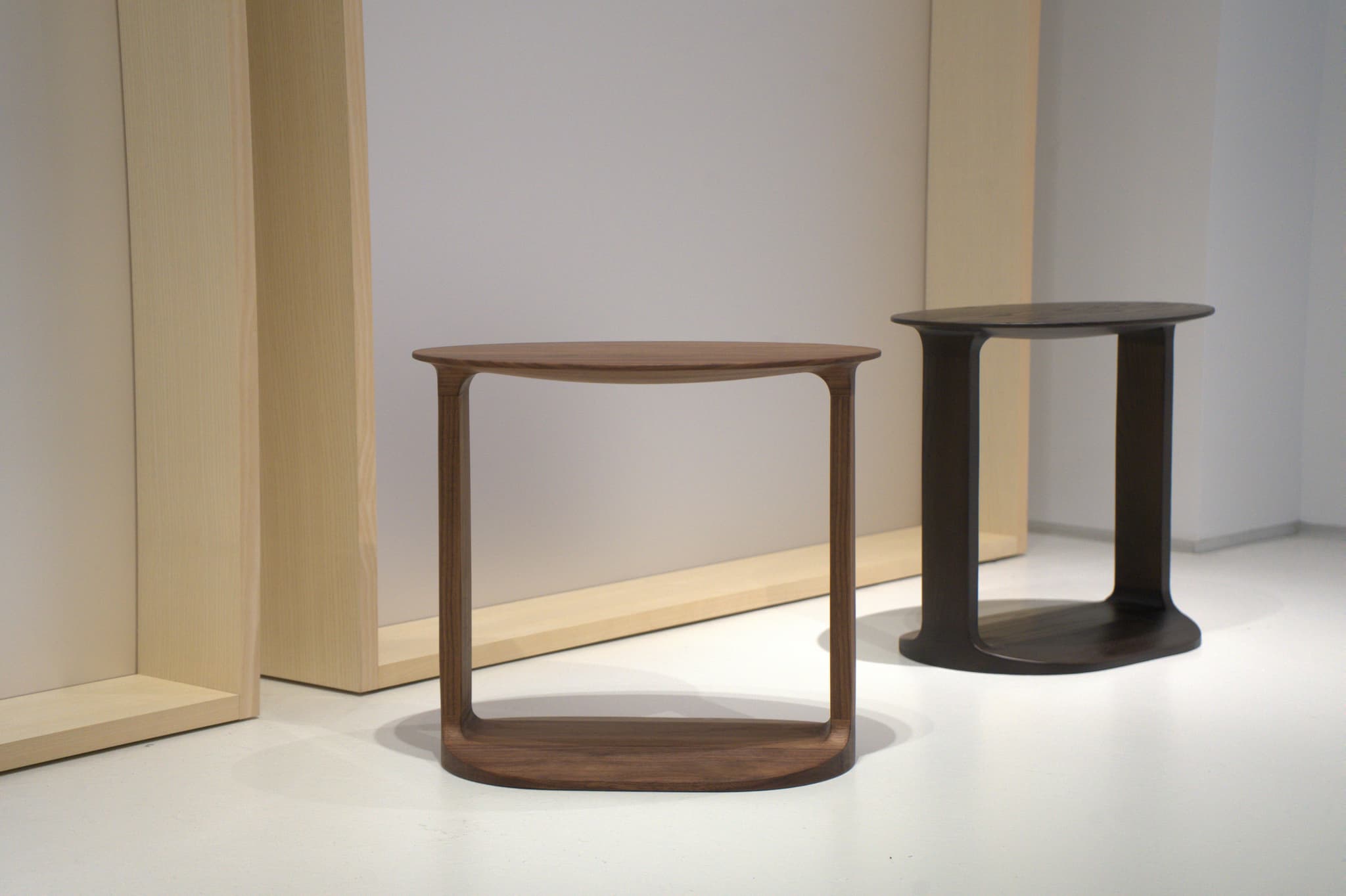
Could you share your experience working on the Border table for the Bernhardt Design Sponsor Project with ArtCenter College of Design? What insights did you gain from this collaboration, and how did it influence your design process?
This collaboration between Bernhardt Design and ArtCenter College of Design marks our first joint project since the end of COVID-19, spanning a 14-week sponsorship. From the submissions, four designs were selected for this year's exhibition, with mine being the sole design chosen for production. I am deeply grateful to those who appreciated my design.
Beyond the honor of having my design chosen, this experience provided profound insights into commercial client-driven design. Previously, my creative process centered solely around personal preferences and conceptual alignment. However, collaborating with Bernhardt Design compelled me to delve deeper. I meticulously researched their product history, conducted comparative analyses with other industry leaders, and discerned nuanced client preferences. Integrating these insights into my design philosophy not only refined my approach but also broadened my understanding of market demands and trends.
Navigating this focused design process has been an invaluable learning journey. It highlighted the importance of balancing creativity with practicality while also fostering a deeper appreciation for the intricate dynamics between design aesthetics and commercial viability. This experience not only honed my skills as a designer but also instilled a newfound confidence in navigating client-driven projects in the future.
What new directions or innovations are you currently exploring in your design practice?
My design philosophy still centers on achieving harmony and comfort inspired by nature. With the advancement of technology, new materials and techniques have emerged, making previously challenging designs possible. Innovations such as 3D printing, silicon-based materials, and data media have opened new avenues in design. I am continually learning and exploring these technologies to push the boundaries of design and bring natural concepts into modern life.