Launch Offer

Join our mission to decarbonize the planet through better materials

Bronze, Coal and Concrete: Atelier Haute Cuisine’s Sculptural Designs
FROM WASTE

Bronze, Coal and Concrete: Atelier Haute Cuisine’s Sculptural Designs

Explore Atelier Haute Cuisine's innovative design process, blending bronze, concrete, and recycled materials into playful, sustainable sculptures and lighting.

AHCAtelier Haute Cuisine
Oct 25, 2024
14 mins read
9.8K views

Can you describe the creative process that led to the use of bronze for the "Bird of Prey Ceiling Lamp" and how this material enhances the intended aesthetic of a sunset glow?

We have chosen bronze for two reasons. The first is its appearance. When light reflects on it, bronze enhances the warm glow produced by the lamp. We love the patina it has acquired over the years.

Second, we wanted to create a sculptural pendant lamp, and using bronze references a very durable material that has always been used throughout history for casting sculptures.
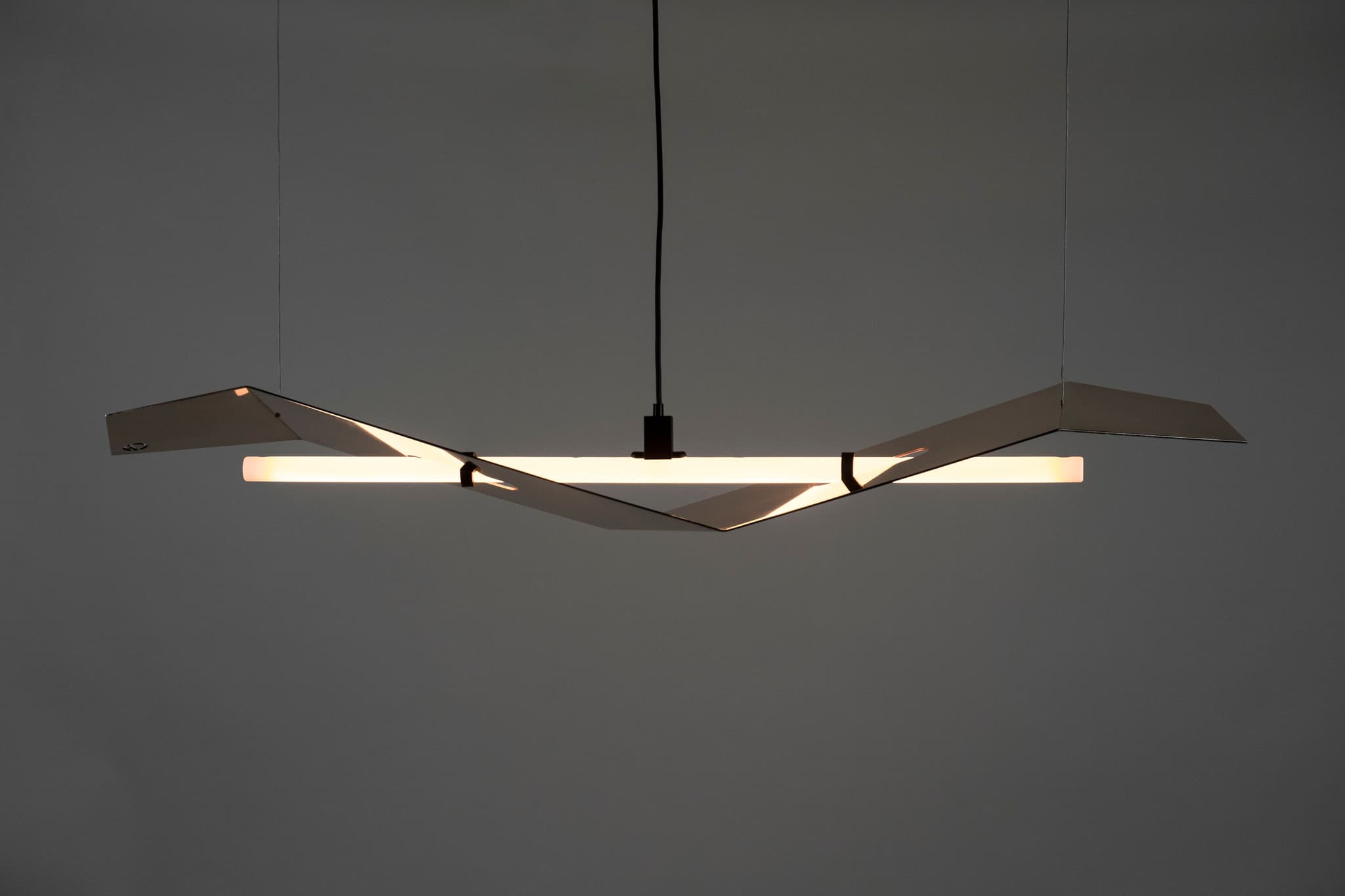
 "Bird of Prey" Ceiling Lamp by Atelier Haute Cuisine
"Bird of Prey" Ceiling Lamp by Atelier Haute Cuisine

The "Cofit-20" Concrete Table Lamp incorporates coal and coal waste in its concrete mixture. What was the inspiration behind using these particular recycled materials, and what challenges did you face in manipulating them?

We grew up in an old mining area and have always spent a lot of time on the old mine slag heaps. What was once a pile of stones and rubble has been transformed into a hill with open spaces, woods, and walking paths. There is still coal to be found on these slag heaps, and it is those pieces that we collected during walks to include in the design as raw material.

So, it was mainly the nostalgic charge attached to the material that inspired us to do something with it. Additionally, the fact that we can give a waste product from a decaying industry a second life after so many years is a very nice bonus.

One of the challenges we encountered was finding the right mixture so that the pieces of coal remained nicely visible in the design.
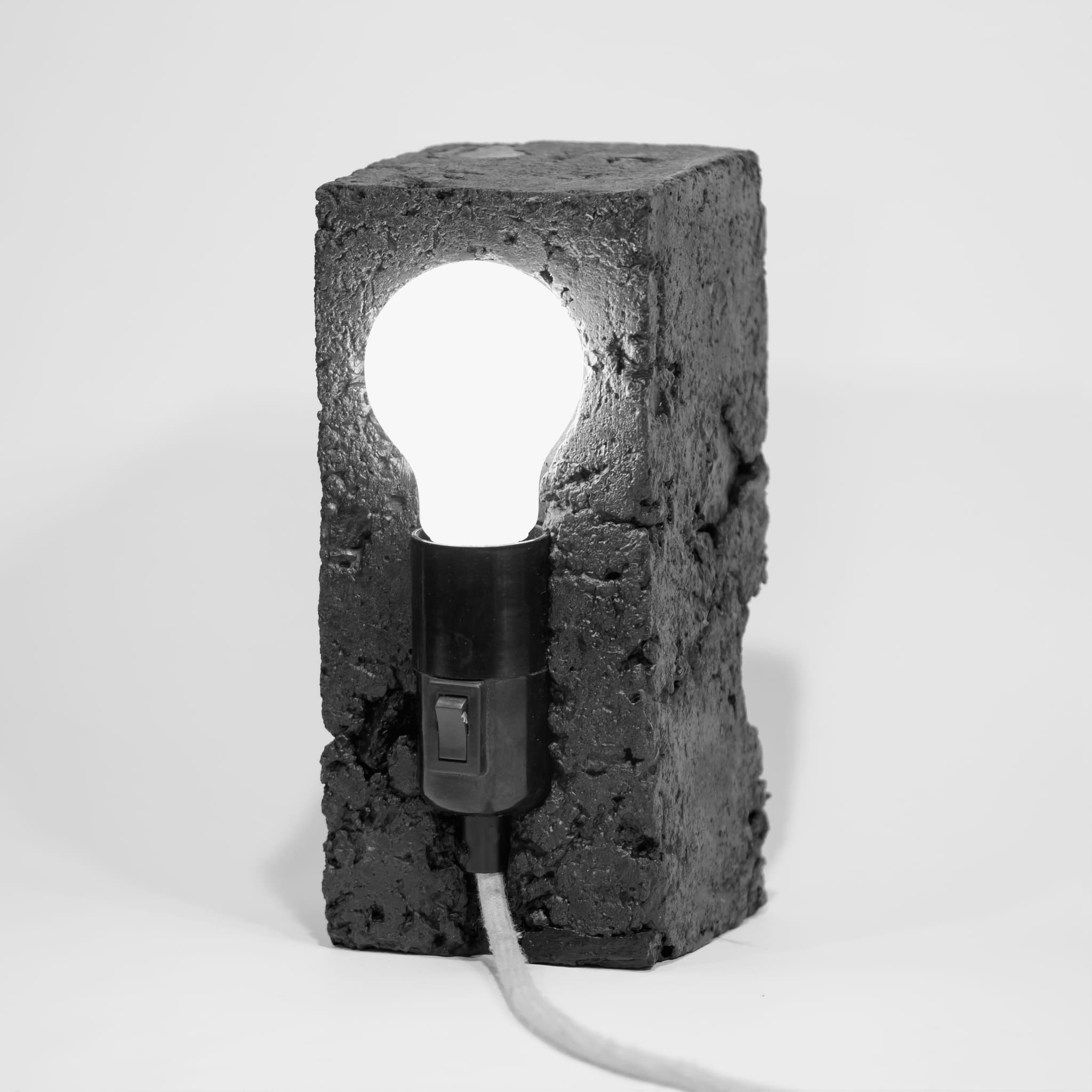
 “Cofit-20” Concrete Table Lamp by Atelier Haute Cuisine
“Cofit-20” Concrete Table Lamp by Atelier Haute Cuisine

In designing the "Cofit-20" lamp, you have allowed for variable configurations by the user. How does this design philosophy reflect Atelier Haute Cuisine’s broader approach to interactive and functional art?

We always like it when the person who purchases a work from us connects with it.

By integrating several options into the design, the consumer can arrange the configuration according to their feelings, which hopefully strengthens this bond with the object.
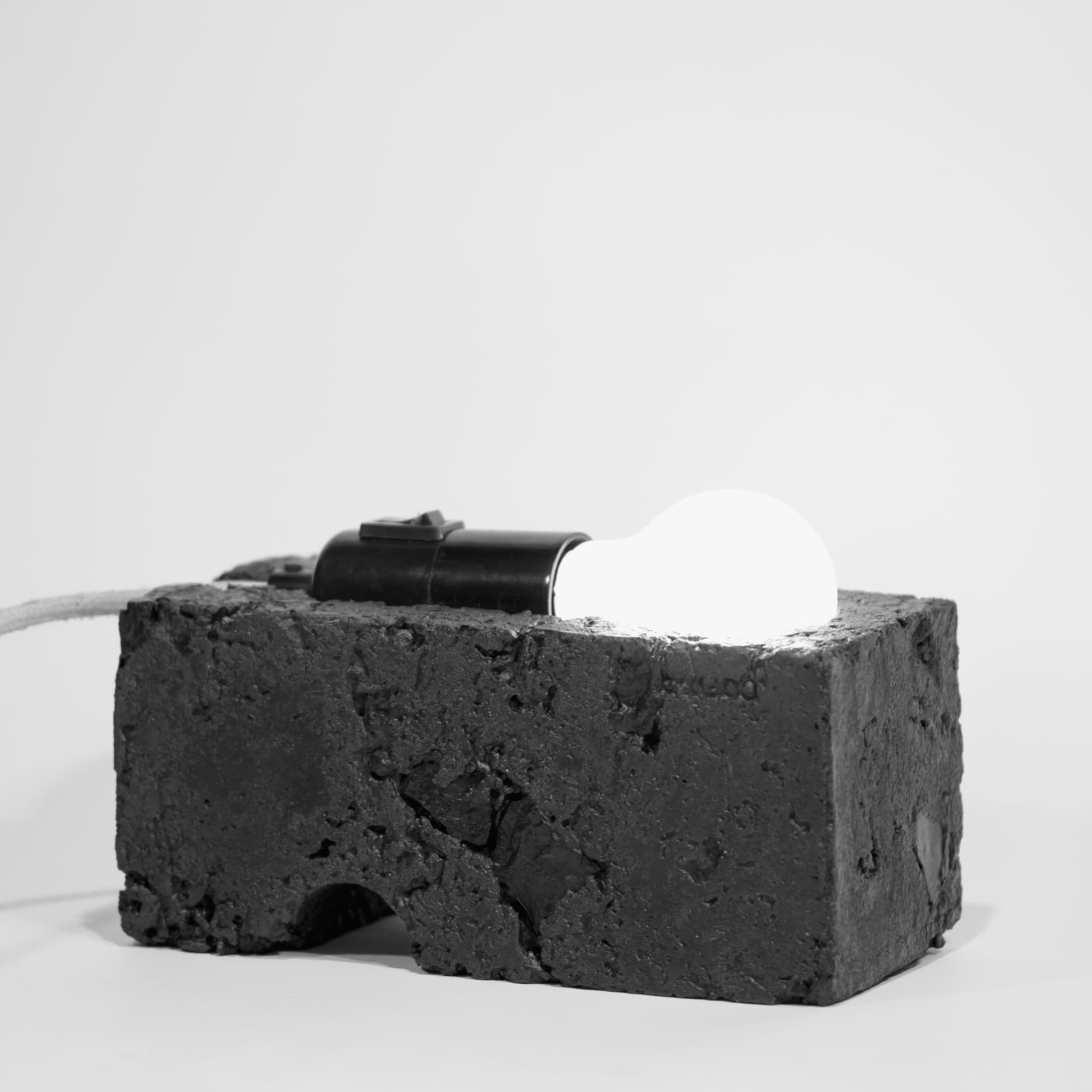
 “Cofit-20” Concrete Table Lamp by Atelier Haute Cuisine
“Cofit-20” Concrete Table Lamp by Atelier Haute Cuisine

With the use of site-specific installations, how do you ensure that your designs resonate with the local environment and community?

First, we take the time to study and observe the location, and we try to understand the people's needs. Then, we try to find original solutions for them.

The local environment and community are the starting points for the design. It is essential that what we come up with resonates with the people we are making it for. You design it not for yourself, but for the community where it will be placed.

We try to push ourselves to make valuable and timeless objects that are highly durable and can survive the test of time. Objects that are repairable and can be passed on from generation to generation.
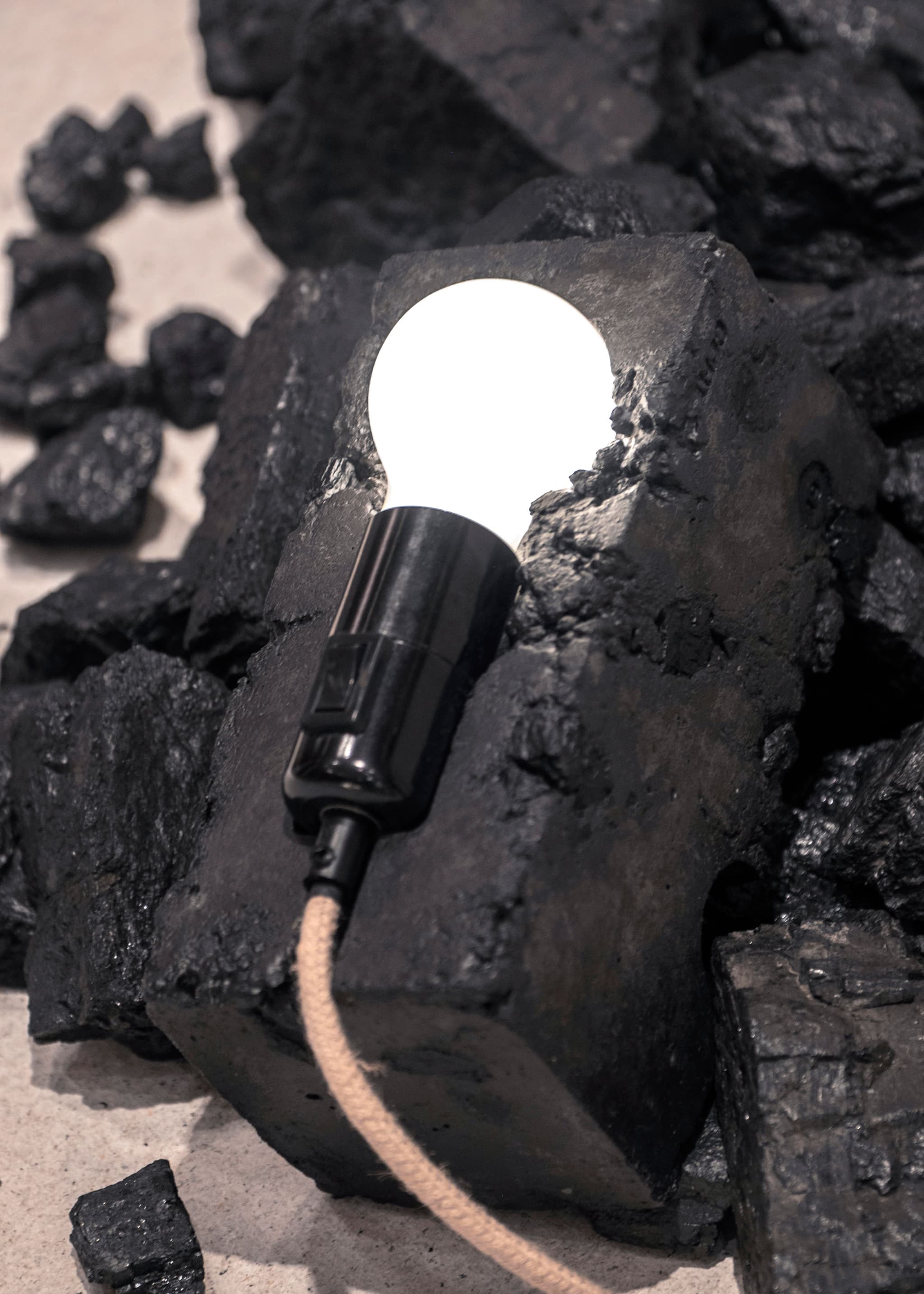
 Closeup view of “Cofit-20” Concrete Table Lamp by Atelier Haute Cuisine
Closeup view of “Cofit-20” Concrete Table Lamp by Atelier Haute Cuisine

What has been the most unexpected source of inspiration for one of your designs, and how was it integrated into the final piece?

As we drove past a drive-thru with empty stomachs, we got the inspiration for how to connect art festival visitors with poetry. The name of the festival was Watou, so we turned a large illuminated advertisement from a well-known fast food chain into a W.

This was followed by a self-order kiosk that prints a cash register ticket with the desired poem, allowing the consumer to take it with them to read at their own pace at a location of their choice.
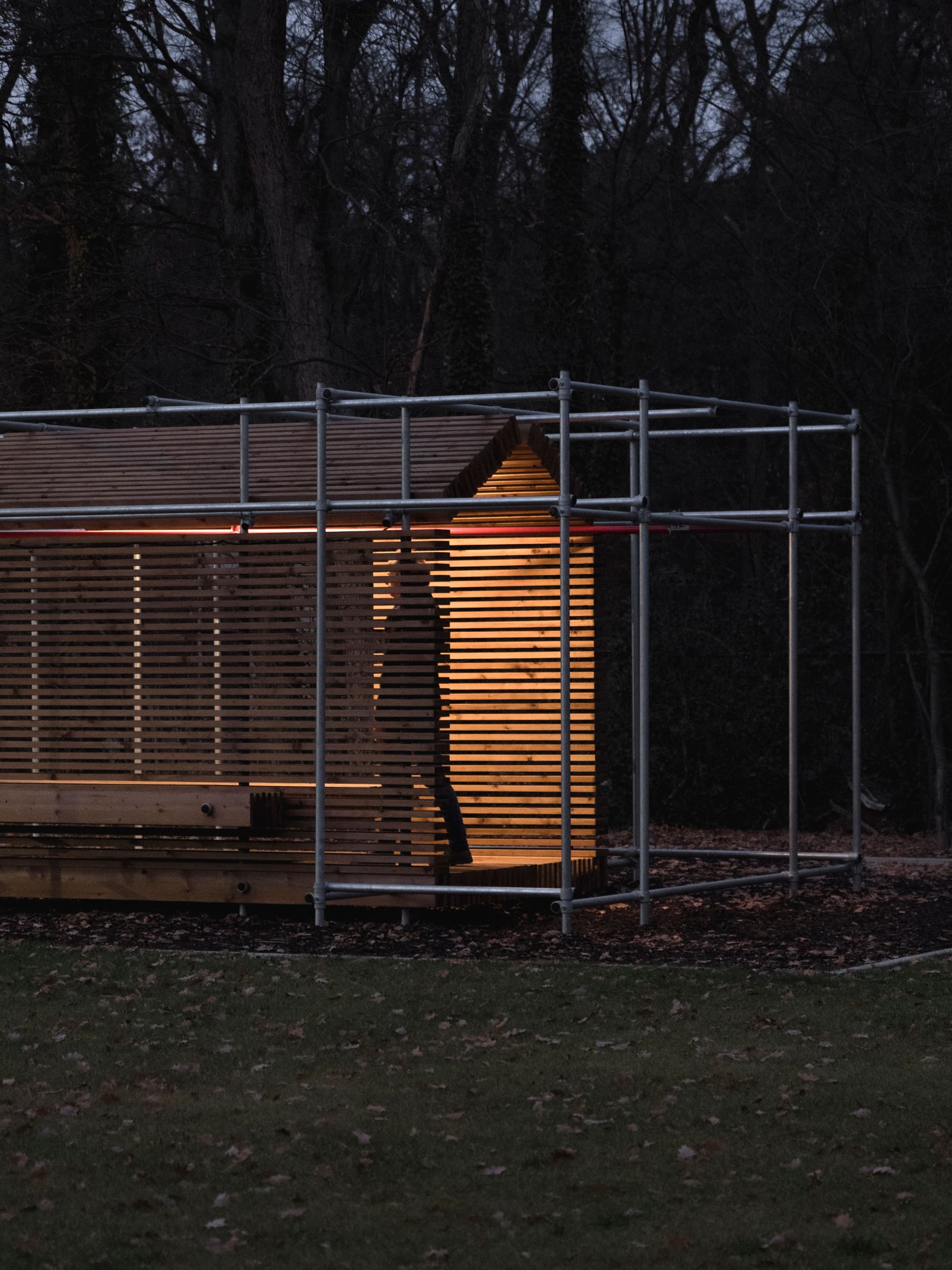
 “Halte" project by Atelier Haute Cuisine: An orientation- and observation center that welcome kids who find themselves in a problematic life situation.
“Halte" project by Atelier Haute Cuisine: An orientation- and observation center that welcome kids who find themselves in a problematic life situation.

How does Atelier Haute Cuisine maintain a consistent creative identity while working with a diverse range of materials and design briefs?

This is not something we think about very consciously; it happens automatically. Our interests are too broad to always work with the same material or pin ourselves down to a particular style. Nevertheless, our designs are always a reflection of our character and the things we like.
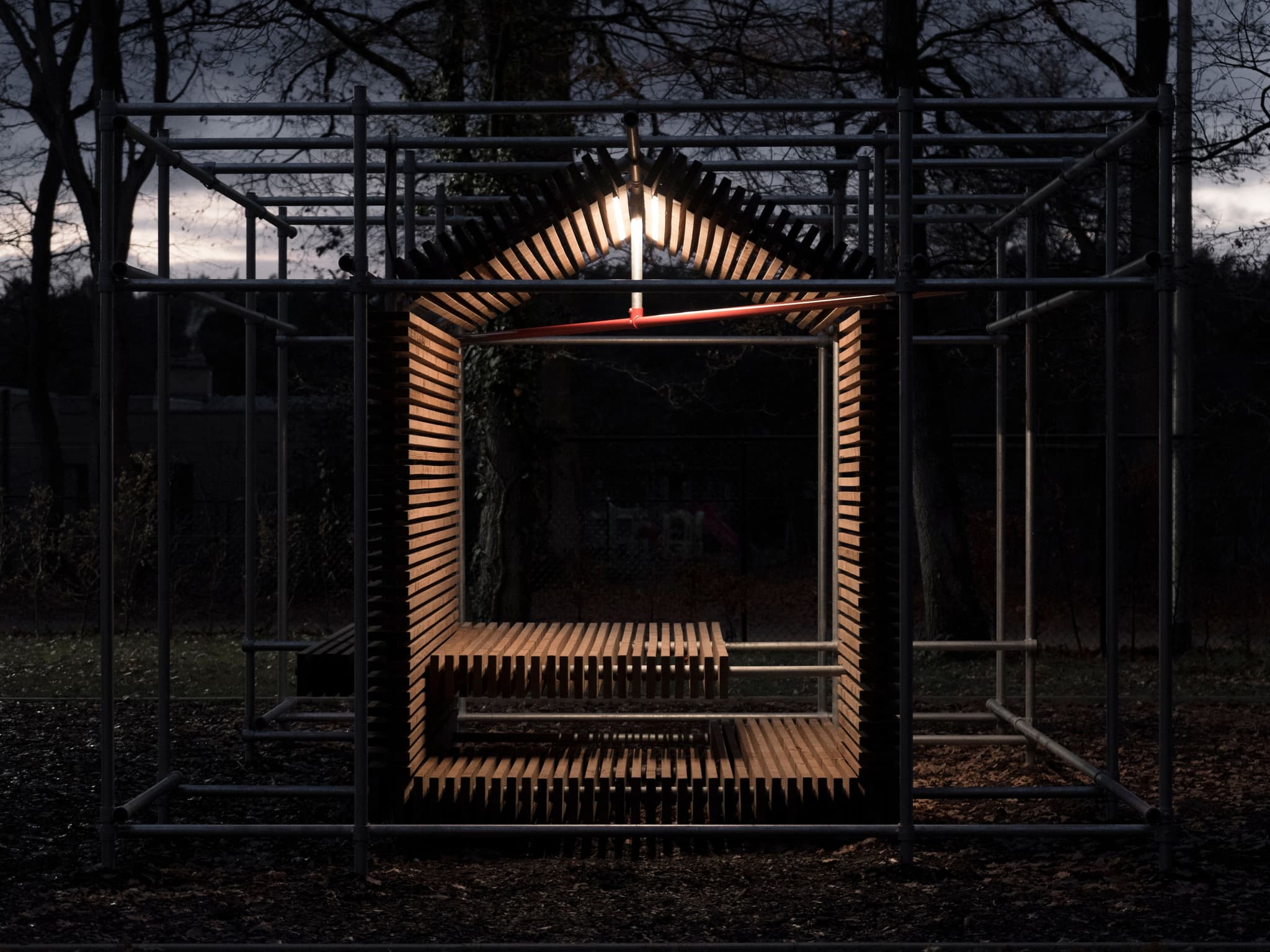
 “Halte" project by Atelier Haute Cuisine
“Halte" project by Atelier Haute Cuisine

Looking forward, how do you see your design collective evolving, and are there new materials or technologies you are looking to explore in future projects?

As long as we keep growing, exploring, and having fun as a collective, it is not important exactly what this will look like.

Learning to work with new materials and technologies is something we want to continue doing. We are currently experimenting with 3D scanning and printing, and we are also looking for ways to transform abandoned polyester boats into something new.

From WasteInterior DesignRecycledProduct DesignUpcycled
AHC

Atelier Haute Cuisine

Atelier Haute Cuisine is a design collective founded in 2009 by Bernd Tyskens and Benny Conings. Despite the culinary name, Atelier Haute Cuisine does not engage in cooking or any other food-related activities. However, much like chefs, they blend various ingredients to create something greater than the sum of its parts, similar to preparing a meal. Their work results in handmade objects, light sculptures, furniture, site-specific installations, and conceptual designs.

GALLERY

LATEST INSIGHTS

Discover all our latest reports

Tocco Report: Marine Materials 2030
Marine & Aquatic

Tocco Report: Marine Materials 2030

This Tocco Report follows that transformation across five chapters. Part I examines ocean waste and its recycling into new material flows. Part II focuses on algae and their rapidly scaling bio-based chemistry. Part III turns to shells, chitosan, and fish skins as building blocks for biopolymers and leather alternatives. Part IV examines aquaculture as a biomass platform for food, fertilisers, and next-generation materials. Part V closes with the forces of the sea: energy, minerals, and current-driven systems that unlock power densities far beyond solar or wind. Together, these perspectives form a panorama of how ocean industries are scaling from niche experiments to critical infrastructures.

Tocco Guide: Packaging Compliance⋅Quick Guide for 2026
Regulation

Tocco Guide: Packaging Compliance⋅Quick Guide for 2026

Packaging compliance quick guide for 2026: an excerpt from The Global packaging compliance handbook for 2026, covering the regulatory shifts moving into enforcement across Europe and beyond. A practical overview of recyclability scoring, recycled-content thresholds, EPR obligations, labelling and chemical restrictions, plus the key timelines and actions brands and suppliers need to prioritise for market access in 2026.

Tocco Report: The Global Packaging Compliance Handbook for 2026
Packaging

Tocco Report: The Global Packaging Compliance Handbook for 2026

The Global Packaging Compliance Handbook for 2026 explains how PPWR, PFAS bans and Extended Producer Responsibility rules are being enforced across Europe, the US and Asia. A practical guide for brands, packaging teams and compliance leaders.

Tocco Report: EU PPWR: The Definitive Implementation Guide 2026-2040
Packaging

Tocco Report: EU PPWR: The Definitive Implementation Guide 2026-2040

This report by Tocco editorial team distils the final legislative text, technical annexes, and early industry responses into 5 operational pillars: recyclability grading, recycled content, reuse, waste minimisation, and chemical safety of EU PPWR. Our aim is simple: give decision-makers a clear view of what changes between now, 2030, and 2040 – and the detail they need to act in order.

Bronze, Coal and Concrete: Atelier Haute Cuisine’s Sculptural Designs | Tocco.Earth