How do you harness the natural properties of materials like Patagonia marble and natural fabrics to enhance the energy and frequency of your designs?
In my design process, I hold a profound respect and admiration for the natural characteristics of materials. Unique materials such as Patagonia marble and natural fabrics each carry their own distinctive story and energy. Patagonia marble, crafted patiently by nature over centuries, embodies an elegant artistry. The texture and colour palette of this marble donates a sophisticated atmosphere to spaces while simultaneously radiating natural energy.
Natural fabrics, on the other hand, play both an aesthetic and functional role in my designs. The texture and feel of these fabrics provide users with natural comfort, enhancing the warmth of the space. The breathability and eco-friendly properties of natural fibres support a sustainable design philosophy. When selecting these materials, I aim to create designs that highlight their natural beauty and elevate the energy of the space.
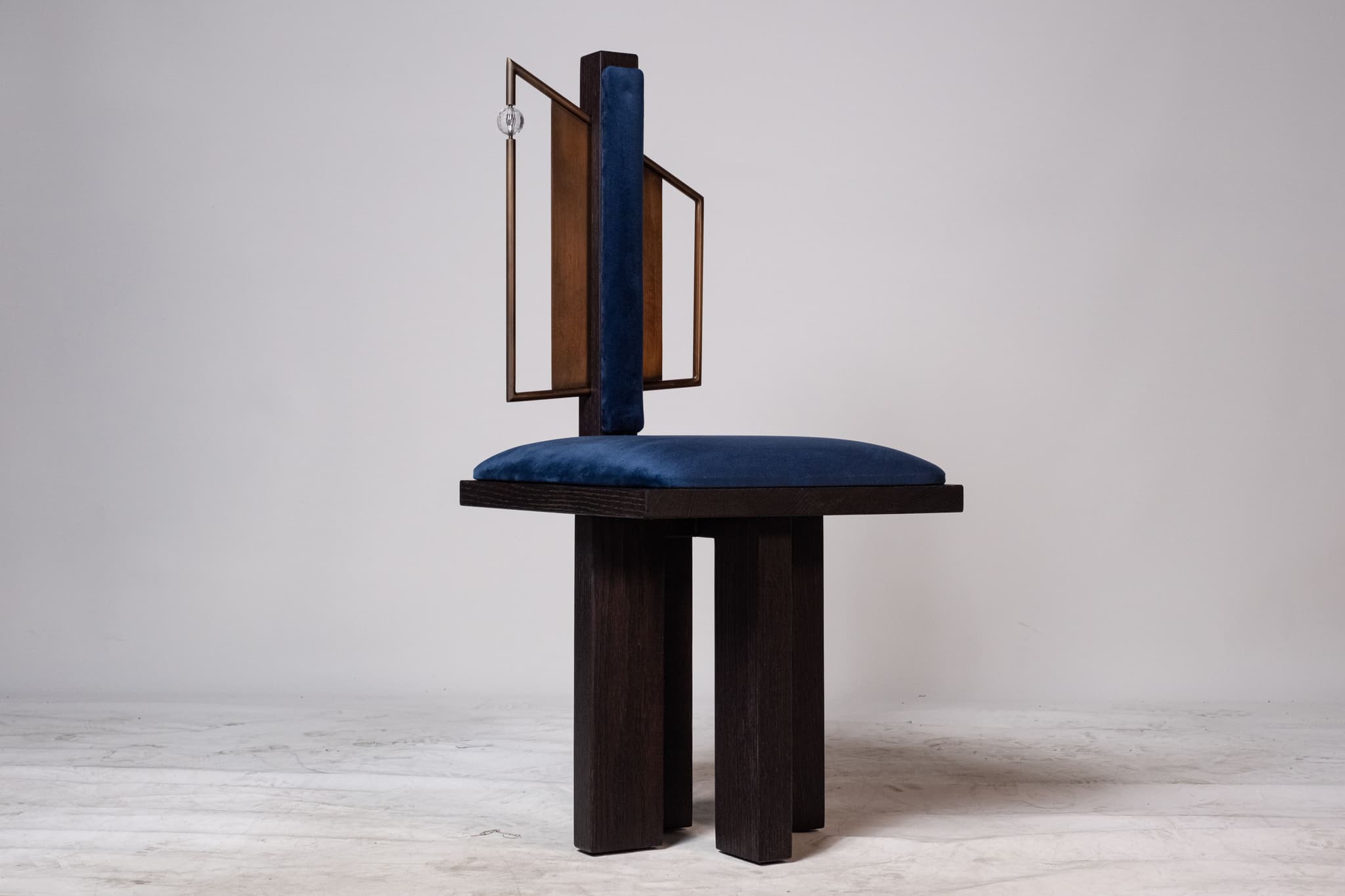
How do you ensure textural harmony in your designs, especially when working with diverse materials like oxidised metals and natural fabrics?
In my design process, achieving textural harmony is a crucial objective, especially when working with diverse materials such as oxidised metals and natural fabrics. These materials, though contrasting in their inherent properties, offer a rich interplay of textures that can enhance the overall aesthetic of a space.
Oxidised metals, with their unique patinas and variations, introduce a raw, industrial quality that adds depth and character to a design. The natural weathering process of these metals results in a visually intriguing surface that can serve as a focal point or complement other elements within the space.
Conversely, natural fabrics bring a softness and warmth that counterbalance the rigidity of metal. The tactile quality of these fabrics, whether it's the smoothness of silk or the coarse weave of linen, adds a layer of comfort and cosiness. Their organic textures can soften the harshness of metal, creating a well-rounded, inviting environment.
By juxtaposing the raw texture of oxidised metals with the gentle feel of natural fabrics, I create a balanced composition that highlights the strengths of each material.
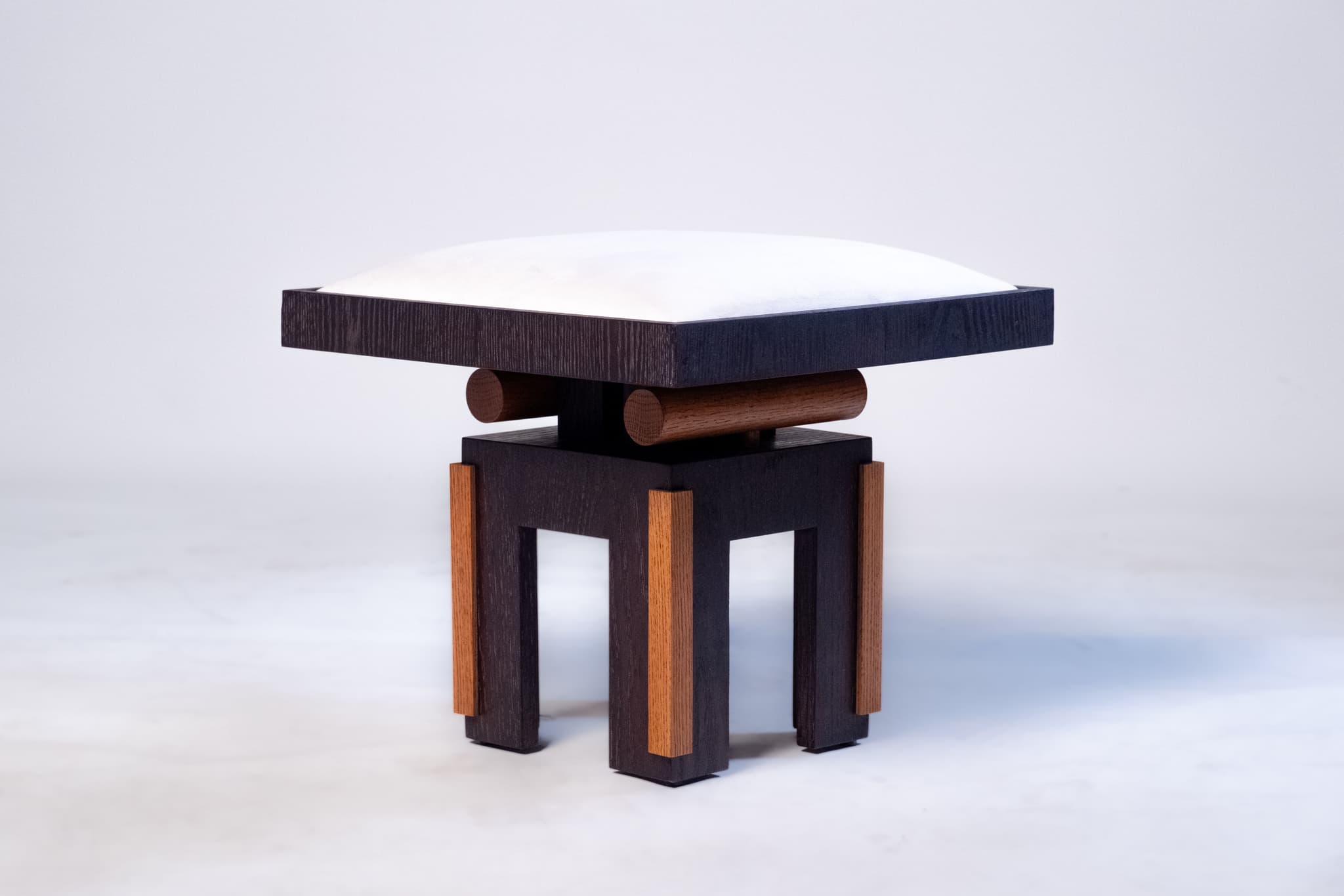
What were the main challenges and creative decisions involved in transforming the fragmented layout of the 1950s Milanese flat into a cohesive and open space?
One of the primary challenges in such a project is the architectural structure and the condition of the existing infrastructure typical of older buildings.
Firstly, older buildings often have walls and floors that are not perfectly aligned at 90-degree angles. This poses significant difficulties in reconfiguring the space to achieve a modern design aesthetic. Addressing this issue requires meticulous measurement and, if necessary, structural adjustments. Correcting the walls and floors is crucial for ensuring both visual harmony and enhancing the functionality of the new spaces.
Another major challenge was the outdated plumbing. The existing pipes were not up to current standards and could have led to problems such as leaks or blockages. In this case, it was necessary to replace the entire plumbing system. Modernising the plumbing is essential for safety and long-term durability, though it can be both costly and time-consuming.
Creative decisions play a vital role in overcoming these challenges and transforming the apartment into a functional and aesthetically pleasing space. Converting a fragmented layout into an open plan may involve removing unnecessary walls to create a more spacious and bright environment. This approach makes the space feel more inviting and expansive, which is indeed what I envisioned when I started working on this project.
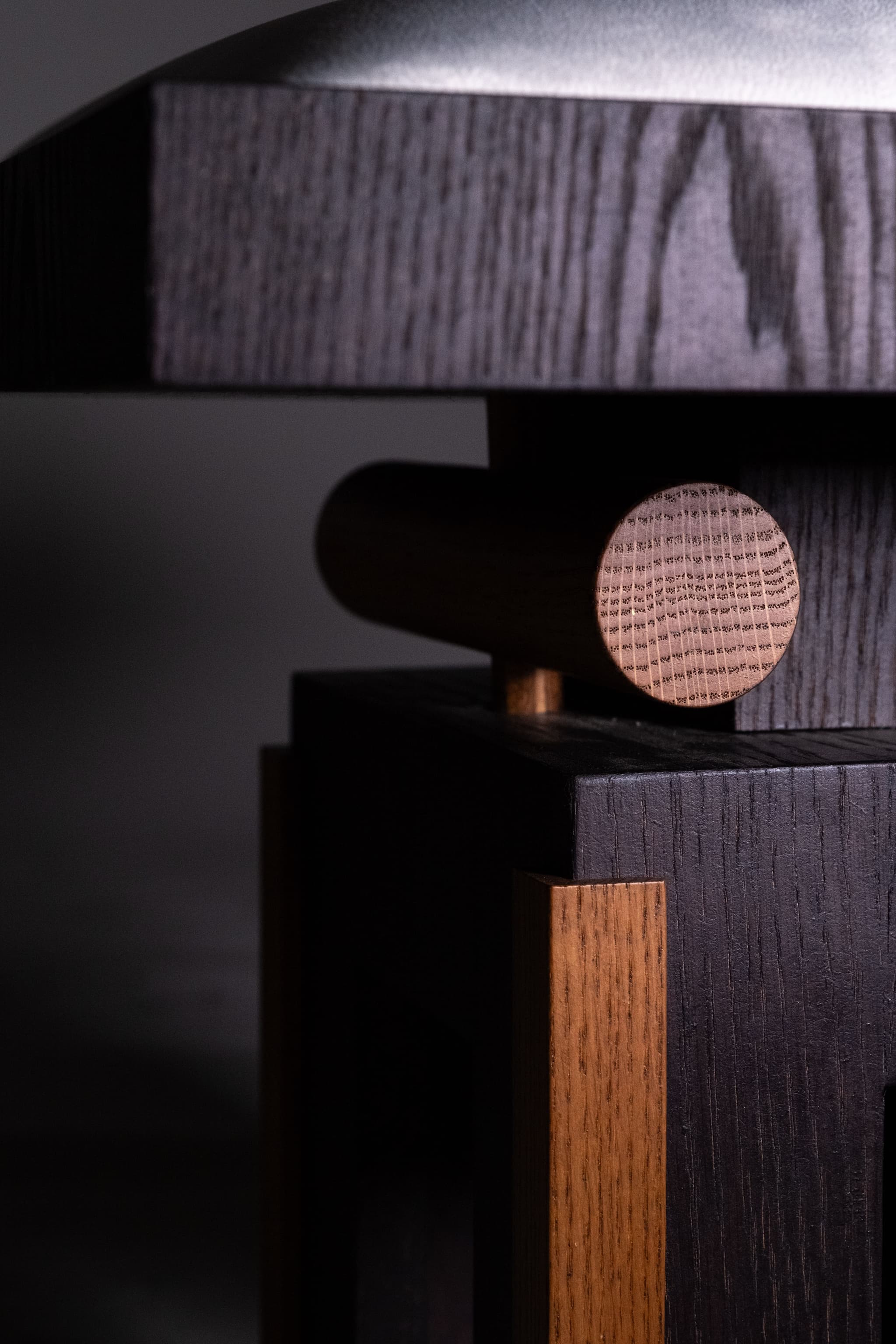
What was the inspiration behind the Geometric Poem chair?
The inspiration behind the Geometric Poetry chair lies at the intersection of form, function, and art. This chair's design is an expression of minimalist aesthetics and the simple beauty of geometric forms. The principles of abstraction in modern art and the harmony of mathematical proportions come to the forefront as sources of inspiration. The chair's sharp lines and clear geometric shapes aim to create both visual and physical balance.
This chair transcends its role as merely a seating object and is also appreciated as a piece of art. The subtlety and aesthetic value in its design make it a focal point in any space. The Geometric Poetry chair, as an object that can alter the atmosphere of the area it occupies, maintains its functionality while adding an artistic touch to the space.
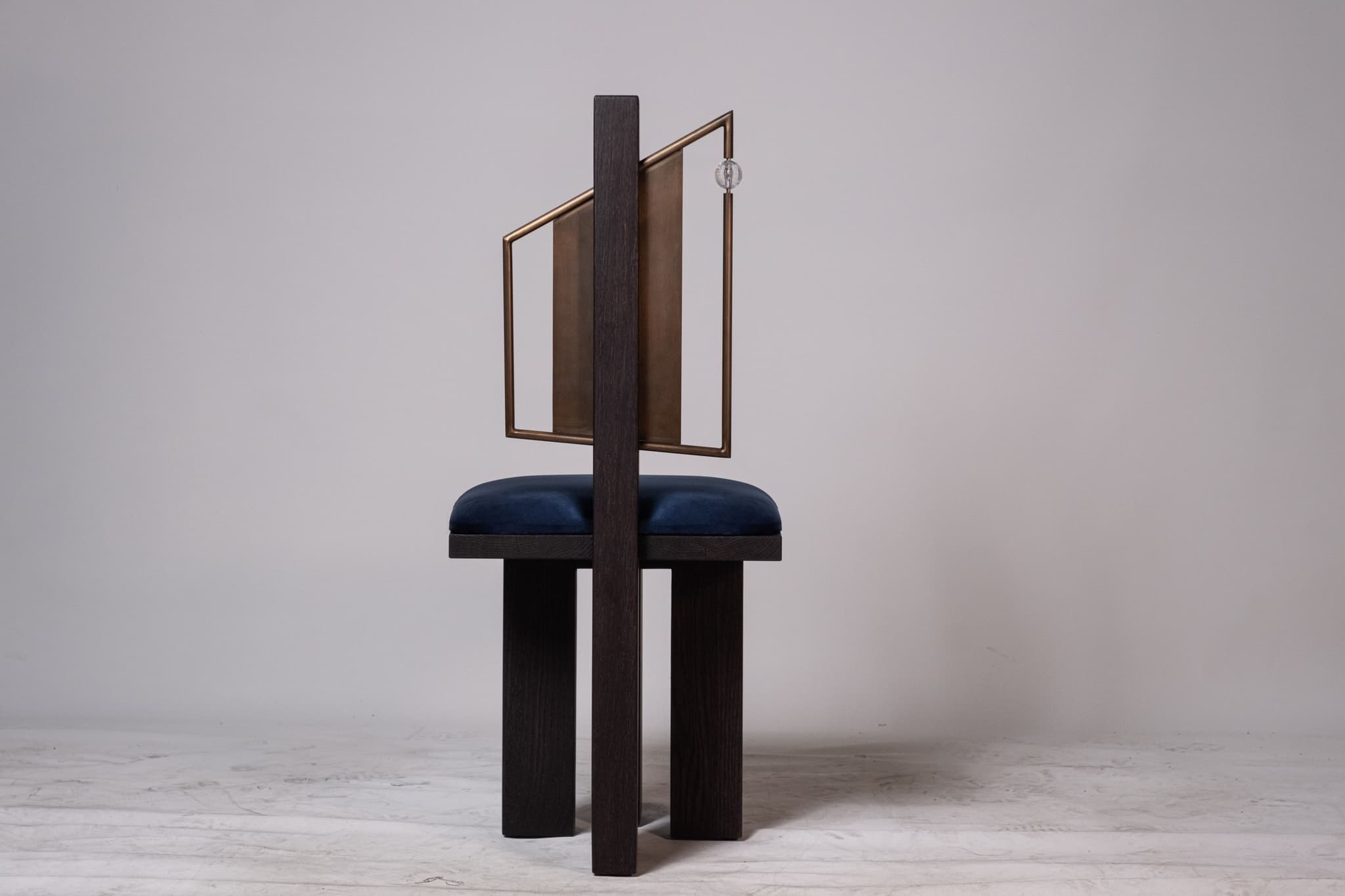
How did you achieve the asthetic of the Master of Balance chair?
In designing this pouffe, the aim was to create a balanced structure both aesthetically and functionally by merging minimalist aesthetics with high-quality materials.
The first step was to develop a design concept with simple and clean lines. This process focused on the fundamental form of the pouffe, avoiding unnecessary embellishments. Specific proportions and geometric shapes were carefully calculated and applied to reflect modern simplicity.
Then, meticulous craftsmanship came into play. High-quality materials such as oak wood and velvet fabric were used for the Master of Balance pouffe. The natural warmth and durability of oak provided a solid structure, while the soft texture and luxurious feel of velvet enhanced comfort on the seating surface. These materials were processed and assembled to the highest quality standards, ensuring that each piece came together flawlessly.
As with material selection, ergonomics were also considered. The seating surface of the pouffe was designed to be both comfortable and supportive, providing the user with a pleasant seating experience while also achieving an aesthetic appearance.