1. LAM'ON films are crafted from bio-based and renewable materials. Could you specify the primary biopolymers utilized in your formulations and the rationale behind their selection?
At LAM’ON, we primarily use biopolymers derived from certified corn starch. These are fully traceable, bio-certified materials sourced from suppliers committed to ethical and responsible practices. We chose these biopolymers for their mechanical strength, thermal stability, and compostability under both industrial and home conditions. They also align seamlessly with standard film extrusion technologies and offer a notably lower carbon footprint compared to fossil-based plastics, making them a smart, scalable solution for eco-conscious packaging.
2. Your laminating films are designed to be 100% compostable. What standards or certifications do they meet to validate this claim, and how do these standards influence your material development process?
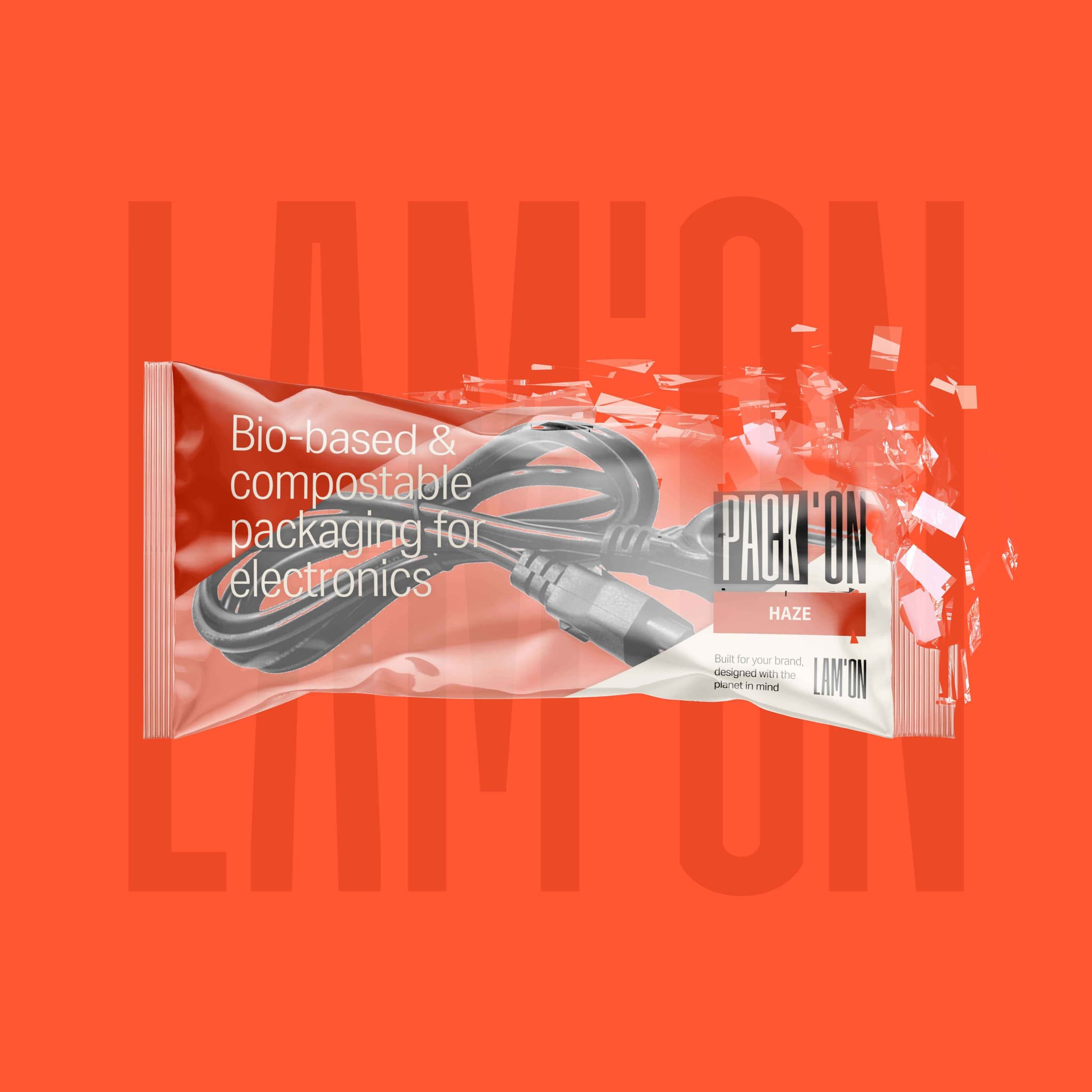
Our PACK’ON films are certified for industrial compostability under TÜV Austria standards, ensuring safe and efficient breakdown in controlled composting environments. Additionally, our packaging foil holds a bio-based content certification (8C236), verifying its renewable, plant-based origin. To reinforce this, all LAM’ON products undergo third-party Life Cycle Assessments (LCA), offering transparent insights into their environmental impact from cradle to grave.
International standards like EN 13432 directly shape our material development strategy, guiding our selection of inputs, product design, and supplier partnerships. These benchmarks ensure every film meets performance and environmental criteria with integrity.
3. In developing your bio-based adhesive layer, what challenges did you encounter in achieving the necessary bond strength and durability, and how were these addressed?
Creating a bio-based adhesive that could rival synthetic options was among our greatest challenges. Early versions either lacked bond strength or interfered with compostability. Through intensive R&D, we formulated a proprietary blend that ensures a durable, effective bond while remaining fully compostable. We focused on molecular compatibility between film and adhesive and optimised thermal behaviour for flawless activation in standard laminating equipment.
4. Your PACK'ON products include both Classic and Shrink variants. How do the material compositions differ between these two, particularly concerning their thermal and mechanical properties?
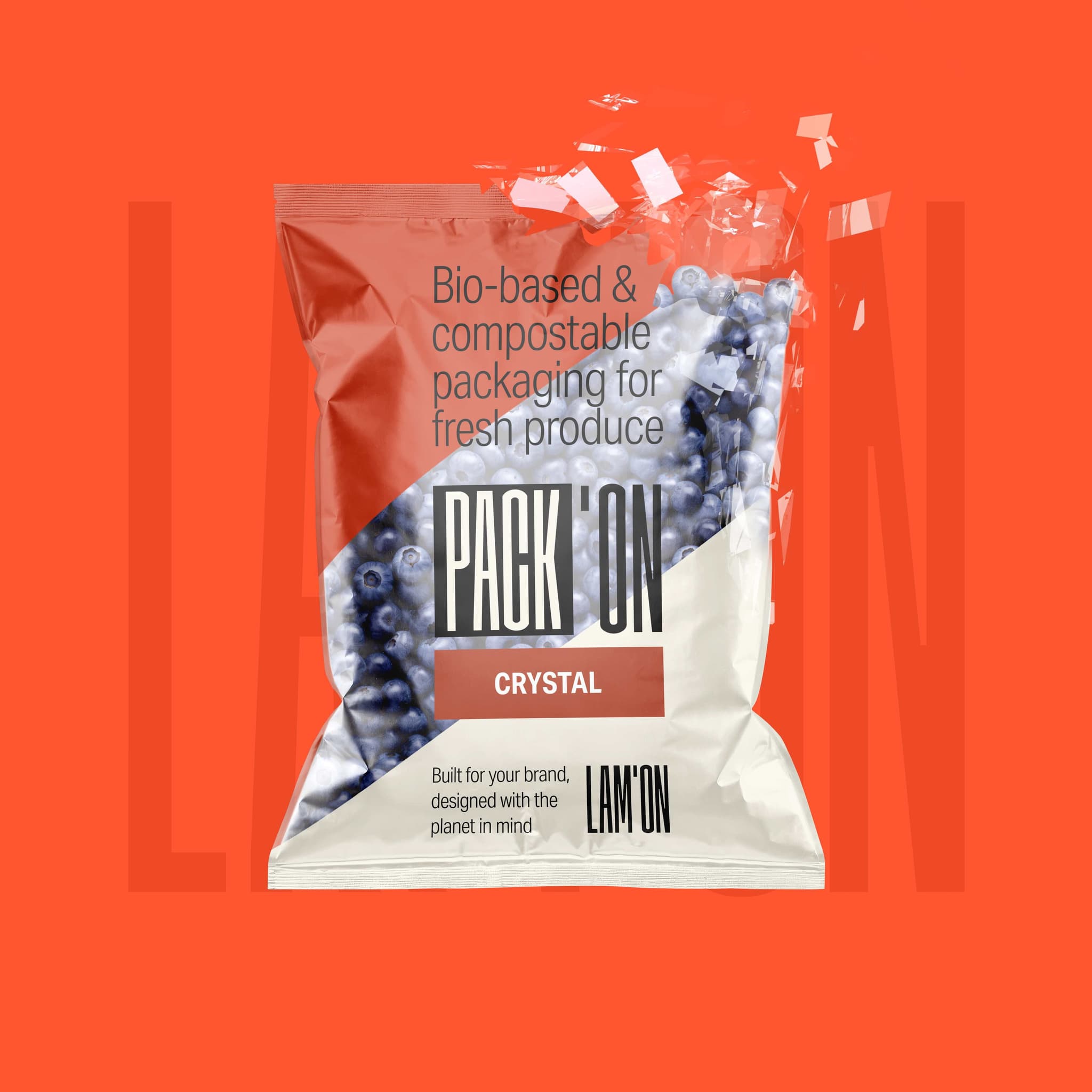
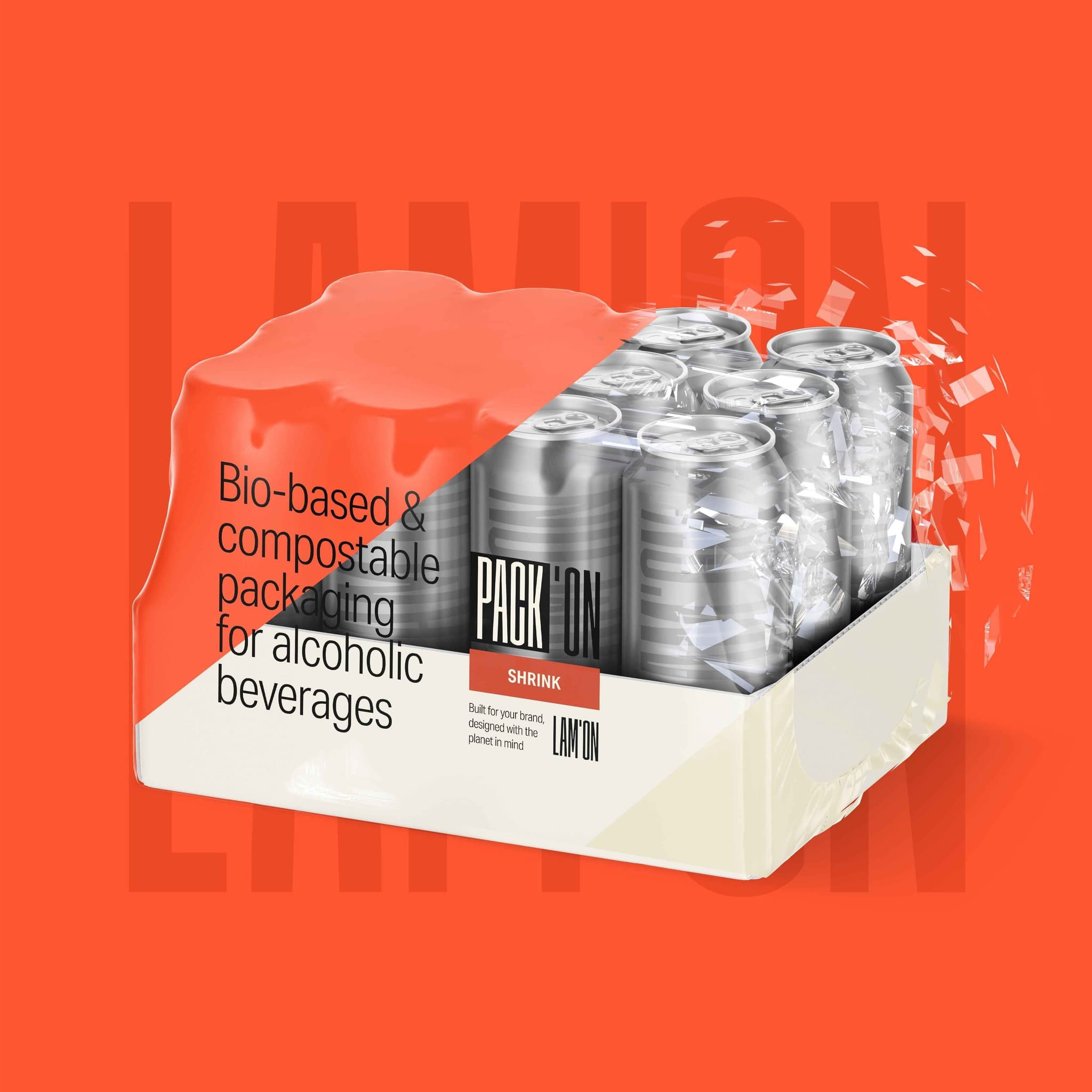
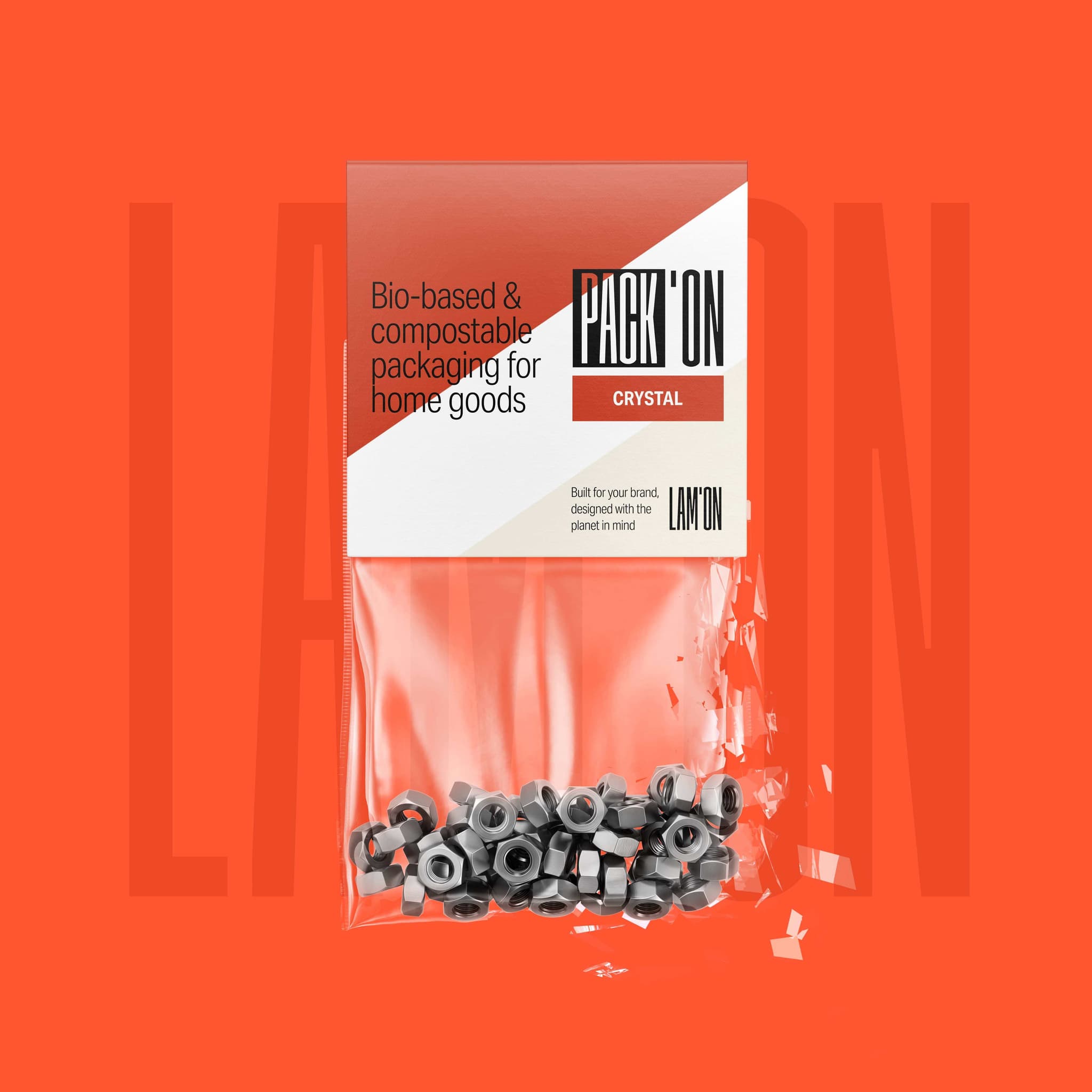
While both PACK’ON Crystal and PACK’ON Shrink share a bio-based core, their formulations are uniquely tailored. PACK’ON Shrink is optimised for thermal shrinkability, with enhanced elasticity and controlled shrink behaviour. It boasts higher elongation at break and lower crystallinity, perfect for shrink wrap applications. PACK’ON Crystal focuses on optical clarity and rigidity, ideal for flat laminating or flow wrap.
Both maintain full compostability, but their thermal and mechanical balance serves different markets.
5. Achieving a gloss finish on bio-based films can be challenging. What material additives or processing techniques do you employ to attain the desired optical properties?
We use a precise blend of natural additives and extrusion control to achieve a high-gloss finish. This includes biocompatible clarifiers and slip agents derived from renewable sources. Our cooling and stretching techniques optimise polymer alignment and reduce haze, enhancing surface smoothness, light transmission, and visual appeal — all without compromising compostability.
6. Water resistance is a key feature of your laminating films. How do you balance hydrophobicity with compostability in your material formulations?
We're finalising a new compostable film that delivers on water resistance without sacrificing environmental integrity. Rather than conventional coatings, we engineer bio-based hydrophobic additives into the polymer structure itself, allowing the material to naturally repel moisture. This ensures effective barrier properties during use and full biodegradability during composting.
7. Given that your films are over 85% bio-based, what are the remaining components, and how do they contribute to the overall performance and sustainability of the product?
Our earlier formulations were certified as over 85% bio-based because some essential stabilisers and process aids weren’t yet available in bio-versions. Today, with market evolution, many of these are now renewable and already integrated into our products. We plan to undergo a new TÜV Austria certification by 2026 to confirm 100% bio-based content in selected items.
The remaining ~15% includes natural stabilisers, plasticisers, and mineral-based aids, vital for the films’ strength, flexibility, and processing performance. These components are all compostability-compliant, as confirmed by independent certification and LCA data.
8. Looking ahead, are there any emerging bio-based materials or technologies that you are exploring to further enhance the performance and sustainability of your laminating films?
Absolutely. We’re exploring PHAs (polyhydroxyalkanoates) and algae-based biopolymers for their barrier and degradation properties. We're also experimenting with waste biomass-derived plasticisers to enhance flexibility without fossil inputs. On the tech front, we’re eyeing digital twin modelling and AI-driven process optimisation to cut R&D waste and speed up material discovery. These innovations pave the way toward marine-degradable and high-barrier packaging.