Key Points
- Uses precision fermentation and SynBio to grow mycelium mats; post-treatments (tanning, dyeing, finishing) tune durability and feel.
- Feedstock strategy repurposes agricultural sidestreams (e.g., vineyard pomace) with fallback to conventional inputs for supply stability.
- Targets mass-market price points by scaling a proprietary process, rather than focusing solely on premium niches.
- Initial applications: handbags and accessories, with a roadmap to footwear, apparel, and automotive trims.
- Positions as a plastics-light alternative in fashion, balancing cost, performance, and verified material properties.
Full interview with Mycorium Biotech
Let's go back to the start. What motivated Mycorium Biotech to explore mycelium as the foundation for developing an alternative to traditional leather?
Mycorium Biotech was motivated to explore mycelium as the foundation for developing an alternative to traditional and synthetic leather due to a combination of factors deeply rooted in our expertise and values.
15 years ago, Diana Romanini, PhD in Biological Sciences, formed her research group focused on upcycling waste and fungi. Along the way, Rocío, also PhD in Biological Sciences, joined, followed by Adriana, PhD in food engineering. Together, they have been upcycling a wide variety of waste through fungal fermentations.
During the COVID-19 quarantine, they were presented with an exciting challenge: develop a biomaterial similar to leather. They took this opportunity to apply their expertise and successfully transformed waste into bioleather. In my case, I have been searching for years to generate a positive sustainable impact, and by the end of 2022, I luckily joined this admirable team of researchers, and together we created Mycorium.
In essence, Mycorium's exploration of mycelium as a sustainable alternative to leather and synthetic leather reflects both our expertise in waste upcycling and our dedication to creating positive social and environmental change.
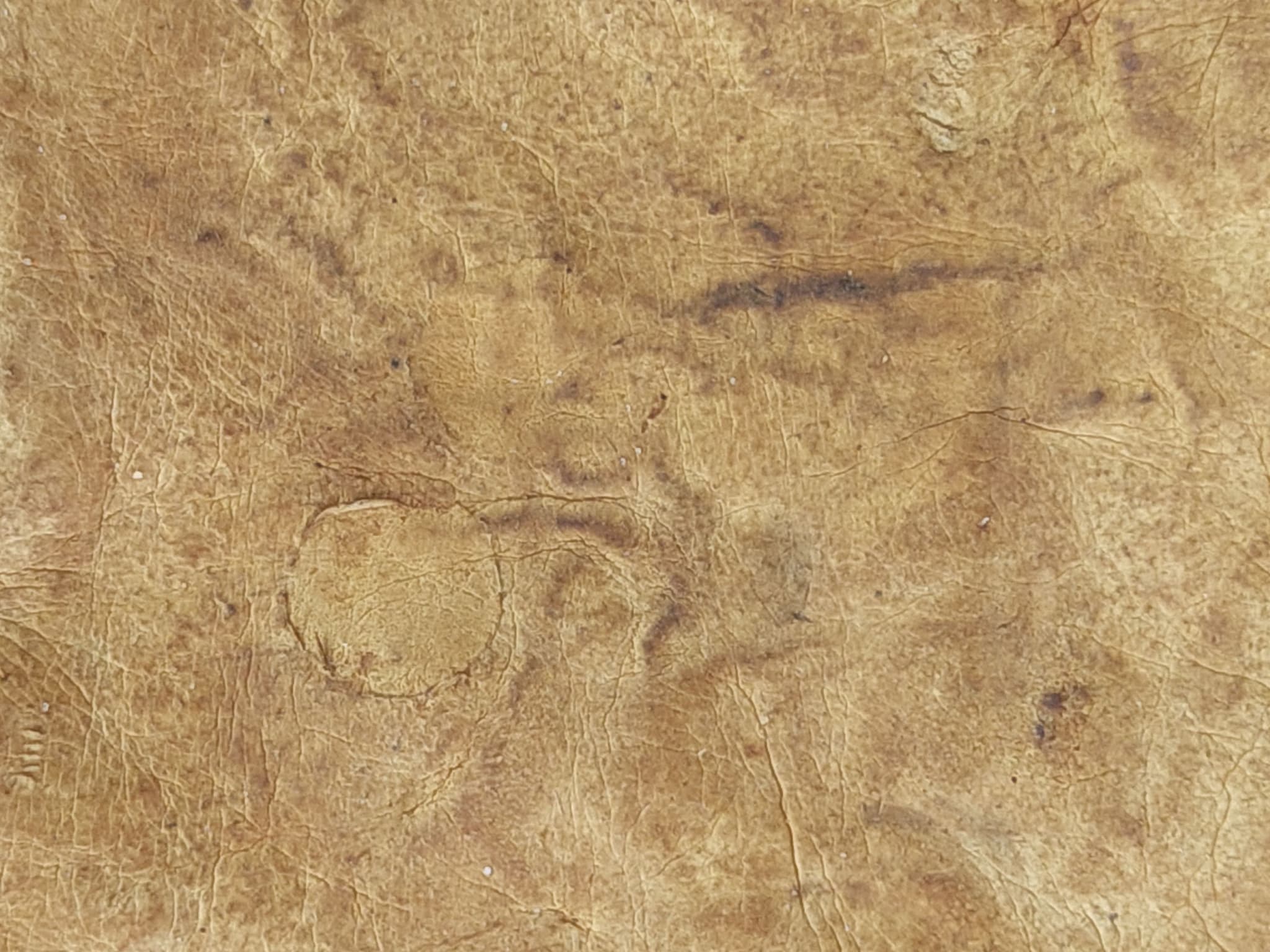
Can you elaborate on the process of creating mycelium-based leather and the challenges you face in ensuring it meets the diverse resistance requirements of various fashion products?
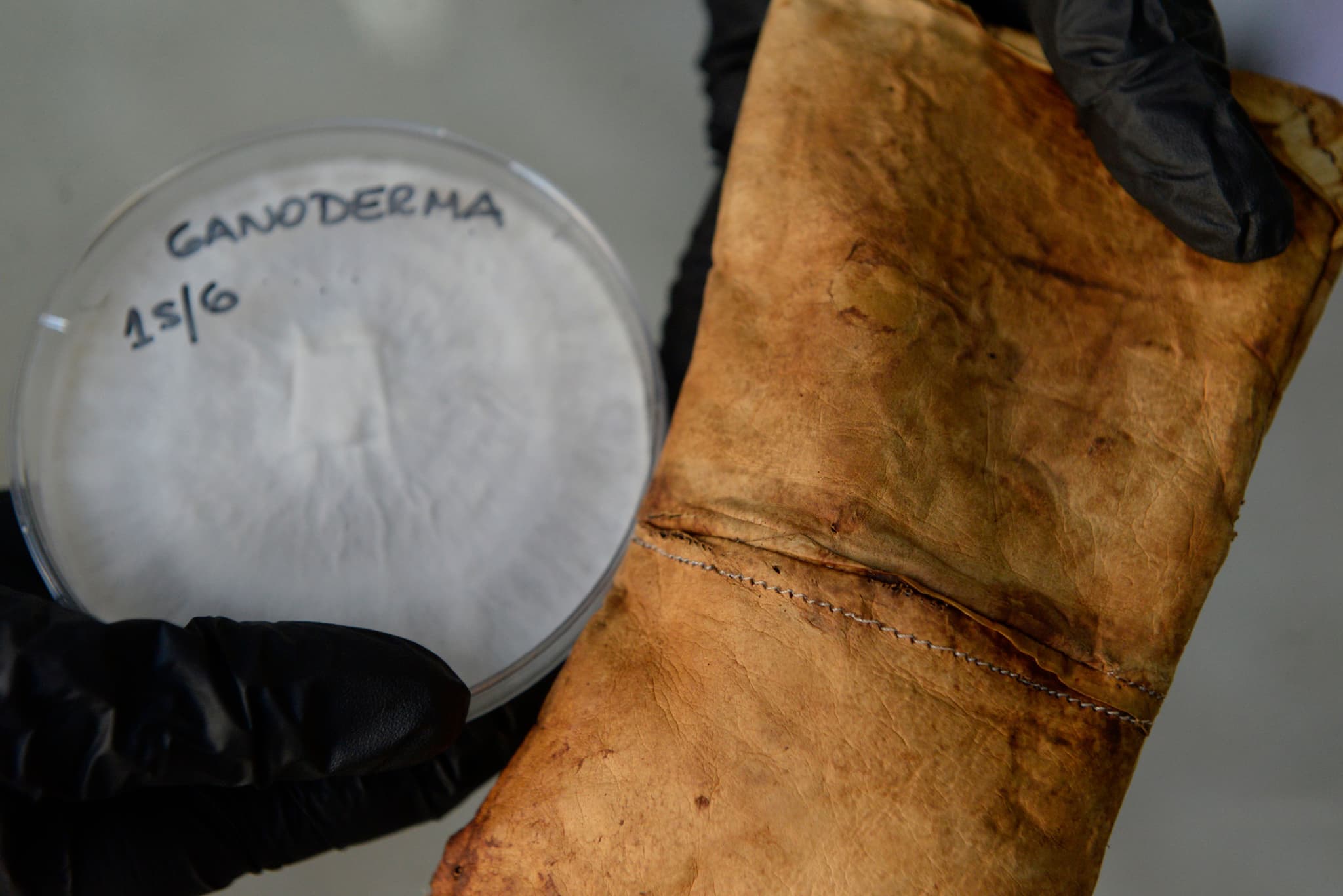
We are currently working with precision fermentation and SynBio. This means that we are focused on the food we are giving to the fungi to have a simpler process, and we are working with the fungi genetics towards getting it “more hungry” to help be more scalable.
Similar to traditional leather production, meeting the diverse resistance requirements of various fashion products often involves post-treatments to the mycelium mat we produce during the fermentation process. These treatments may include techniques such as tanning, dyeing, and finishing, which help enhance the durability, colour, and texture of the final material. However, our approach emphasises sustainability and eco-friendliness throughout the entire process, from the selection of raw materials to the final treatment methods.
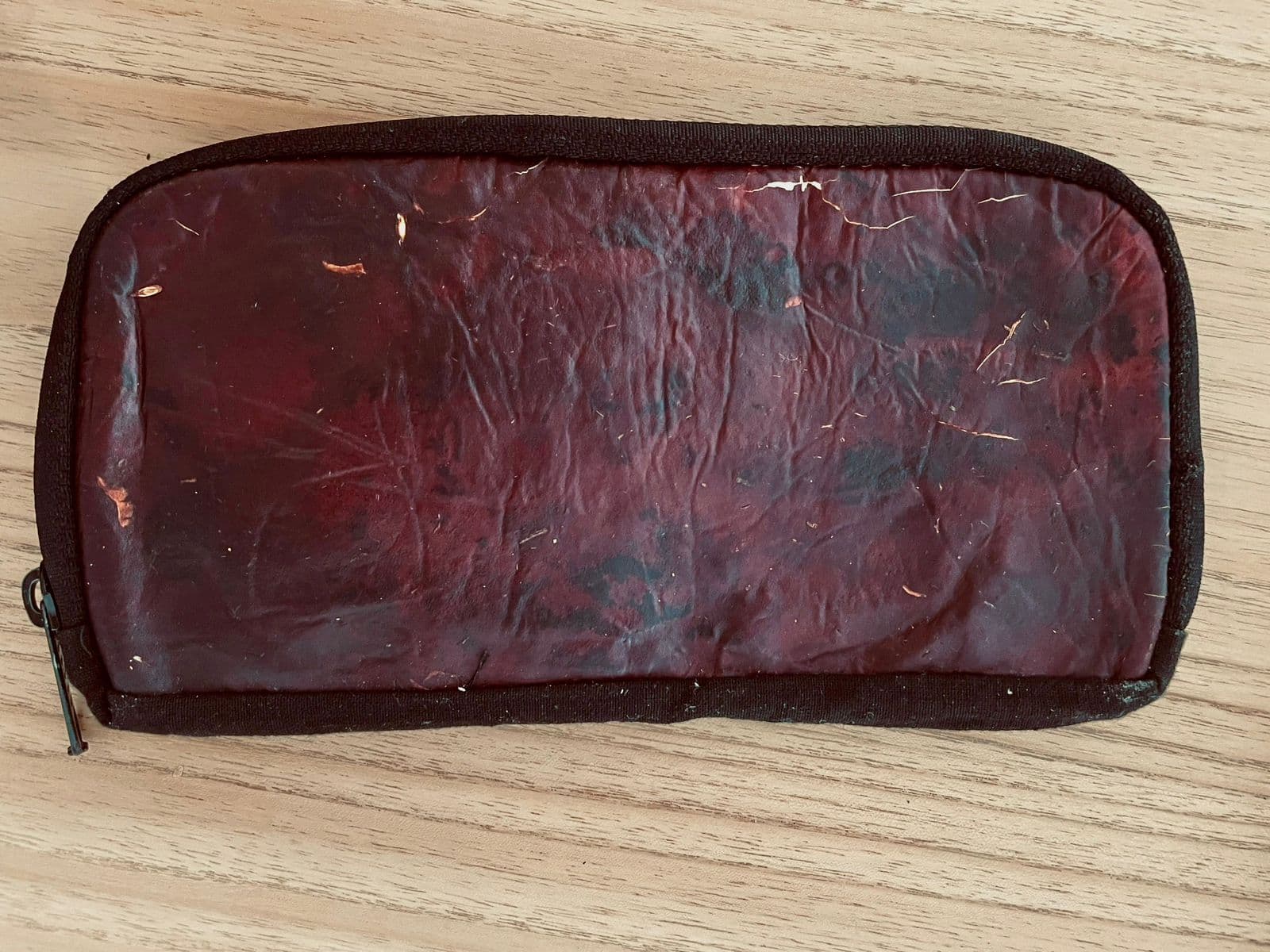
The decision to utilise pomace from vineyards as a feedstock for your bioleather is intriguing. Could you explain how this choice contributes to Mycorium Biotech's objectives?
In line with our experience in upcycling waste, we are providing a circular solution by repurposing various sources of waste to create bioleather. Within Mycorium, we are developing a nutrient recipe for the fungi. We aim to derive these nutrients from diverse waste streams. In instances where sourcing from waste is not feasible, we can adapt by using conventional commodities to mitigate risks in the supply chain. This approach also enables us to accommodate regional conditions, seasonal fluctuations, and cost variations effectively.
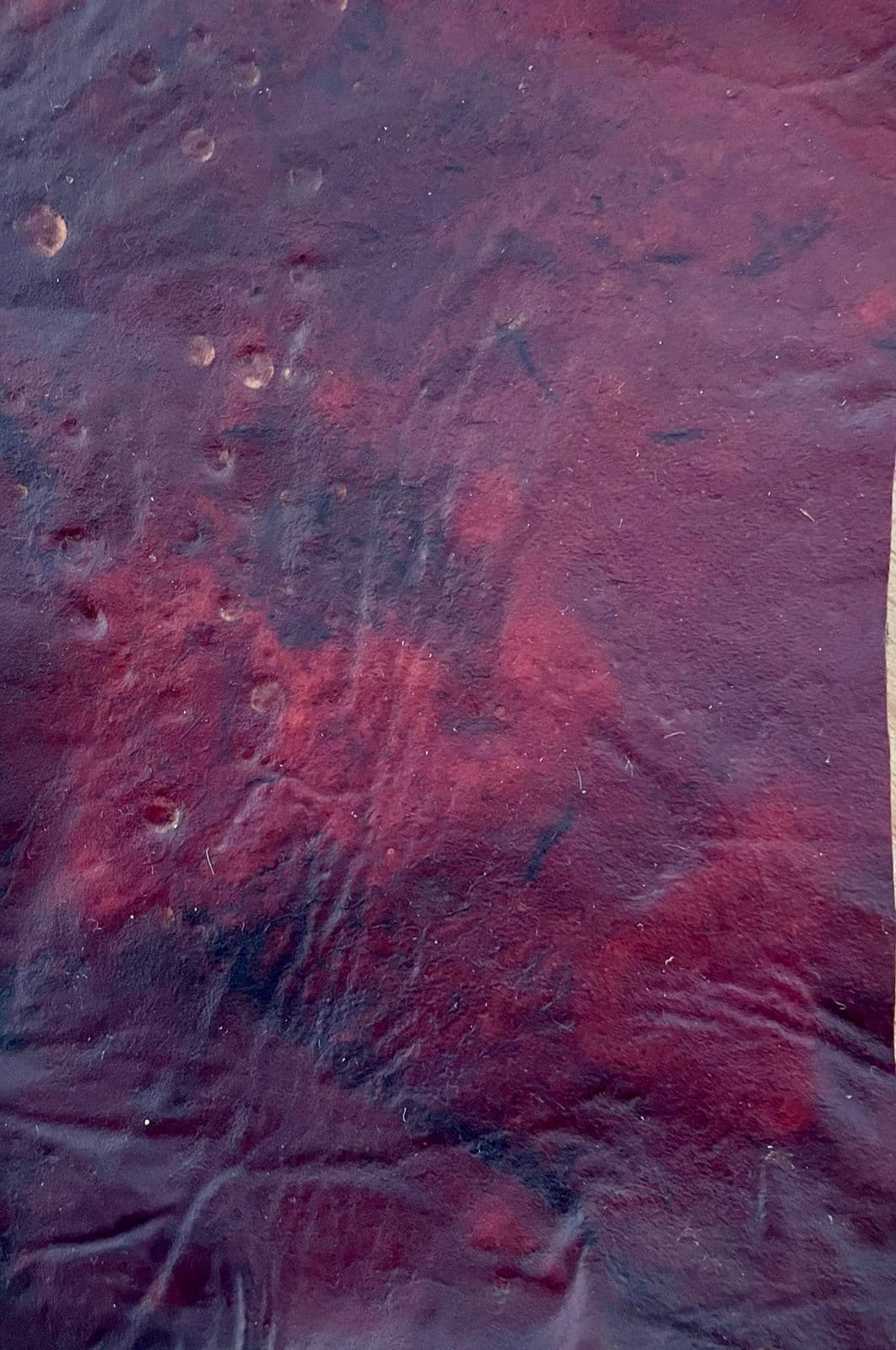
What strategies are in place for Mycorium Biotech to scale production and ensure the consistent quality of your bioleather as you expand your client base?
Mycorium Biotech employs precision fermentation as a cornerstone strategy to scale production and maintain consistent quality standards for our bioleather. This approach allows us to standardise the production process, ensuring uniform results regardless of scale.
By leveraging precision fermentation, we can achieve greater scalability while consistently delivering high-quality bioleather to meet the demands of our expanding client base.
We have developed a proprietary process for growing fungi that significantly enhances scalability compared to existing mycelium-based leather alternatives. This work enables us to target challenging markets, including competing with traditional leather products on a larger scale. While many of our competitors focus on premium leather due to cost constraints, our approach allows us to address a broader market segment.
How does Mycorium Biotech envision contributing to the transformation of the fashion industry towards more sustainable practices, in the long run?
In the 18th and 19th centuries, the Industrial Revolution emerged with the aim of automating production to make leather production more efficient and enable mass manufacturing. At that time, Germany innovated by introducing synthetic leather, and production subsequently moved to countries with lower wages and costs, resulting in significant savings.
But what were the consequences of this? Today, the fashion industry is the second most polluting in the world, with over 100 billion garments manufactured annually, 60% of which use plastic materials. The story ends with 87% of these materials and fibres end up in landfills or incinerators.
All hopes are not lost. Indeed, in my opinion, we are experiencing a bio-revolution in search of sustainable alternatives, with the primary need to abandon plastics in fashion. Mycorium Biotech's vision, therefore, is to grow the next generation of materials that are high-performance, scalable, and at the same time, sustainable.
Initially, our focus is on handbags and accessories, as they present the less difficult challenge to adopt. Subsequently, we plan to expand into shoes, apparel, and ultimately automotive accessories. We aim to first dominate a specific niche and then scale to adjacent markets.
While our mycelium technology holds potential for various industries, our primary goal is to concentrate on mycelium-based leather.
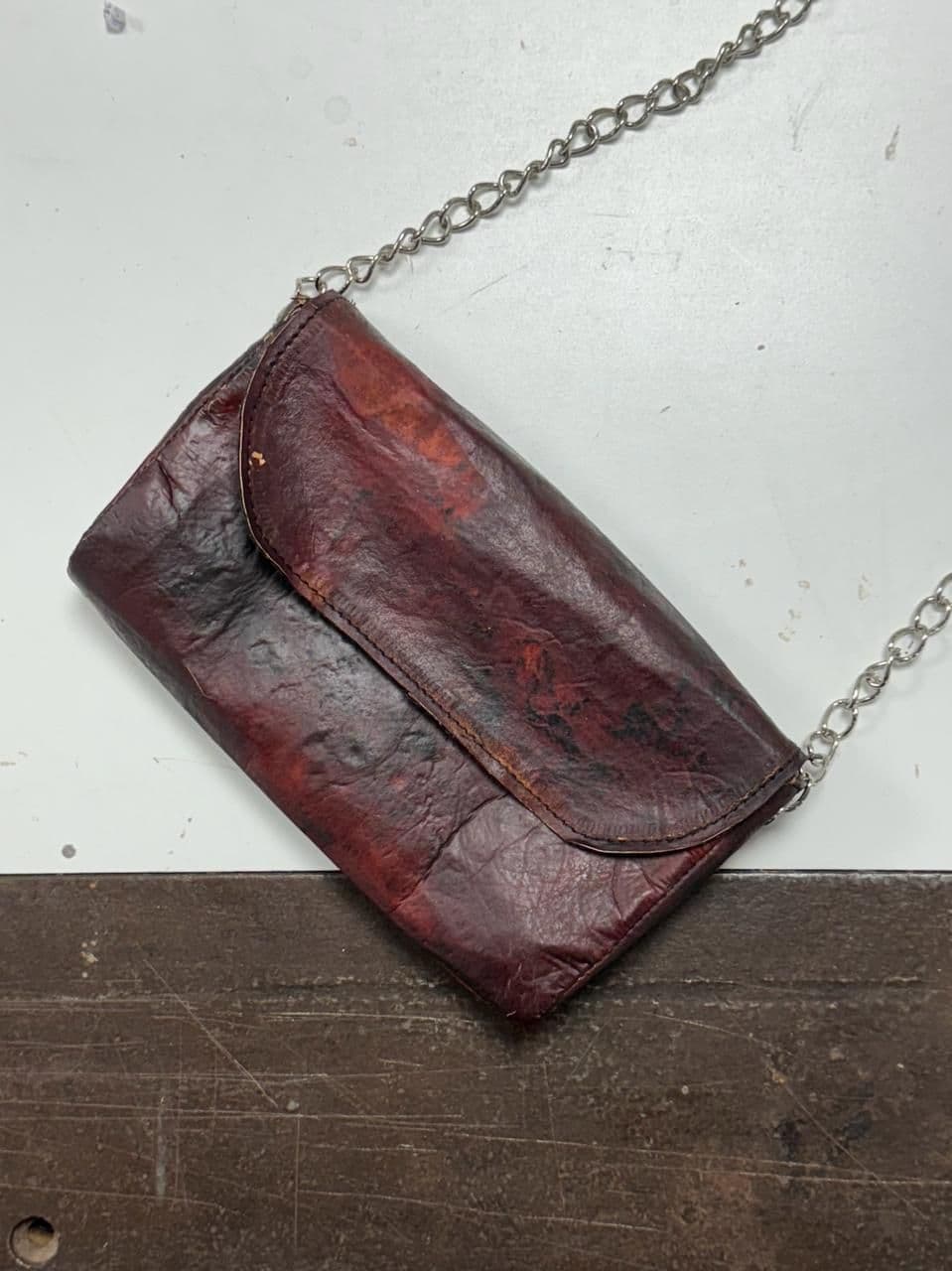
For companies interested in exploring mycelium-based leather as an alternative, what would you say are the compelling advantages that make Mycorium Biotech's product a worthy investment over conventional materials?
At Mycorium Biotech, we are committed to enhancing the scalability of our process, making our product more competitively priced compared to conventional materials. We prioritise achieving a balance between competitive pricing, high performance, and sustainability. Our emphasis on scientific innovation enables us to access competitive markets, rather than solely focusing on premium markets characterised by higher prices.