Key Points:
- Why it matters: Microdosing psilocybin is positioned as a holistic aid for women’s hormonal and mental health (PMDD, PMS, stress, anxiety), acting via 5-HT2A receptor pathways, HPA-axis regulation, neuroplasticity, and anti-inflammatory effects.
- Functional mushrooms, done right: Benefits hinge on quality, use pure extracts from fruiting bodies (ideally sublingual liquids) rather than generic powders; expect gradual gains with consistency.
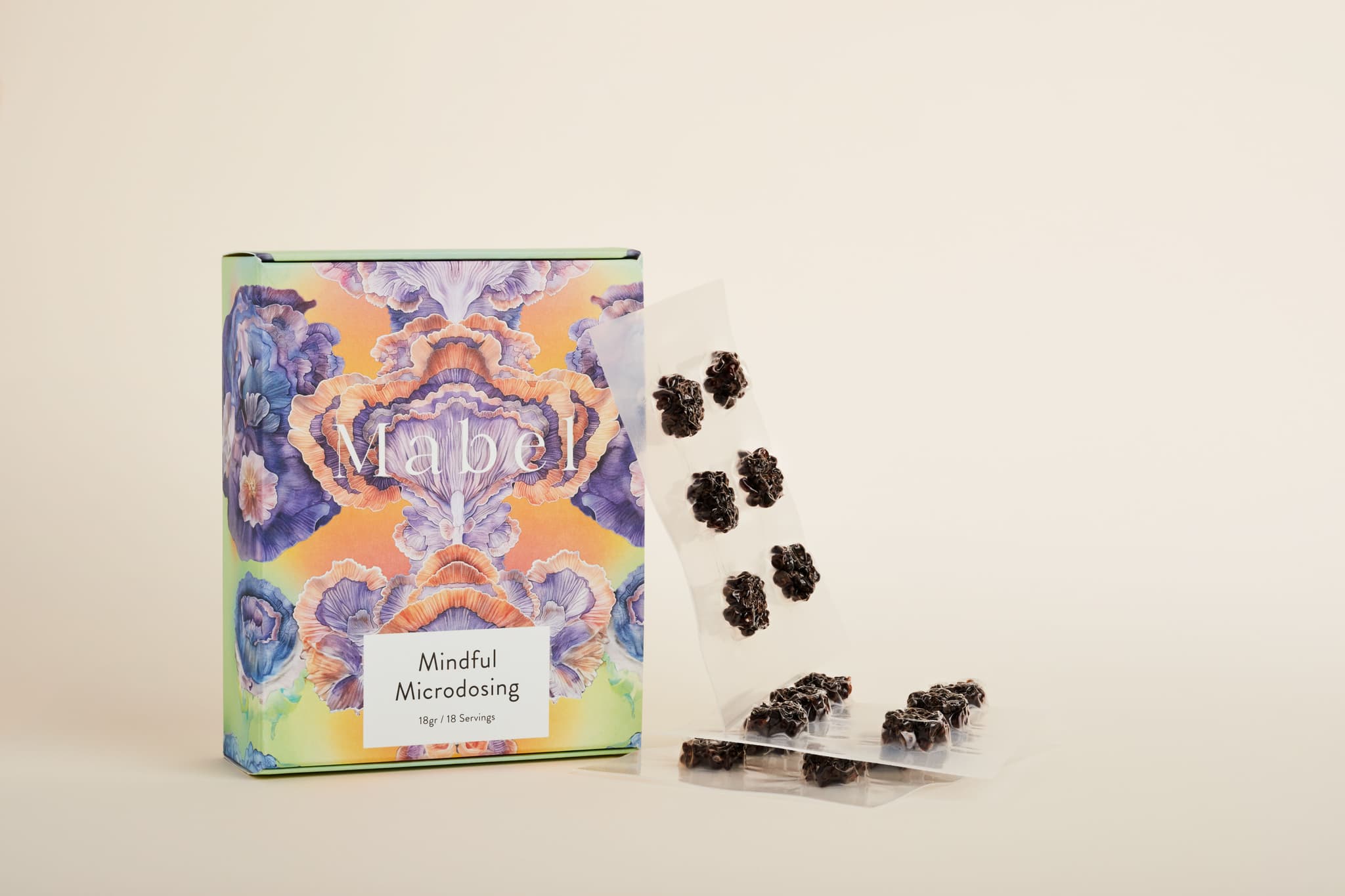
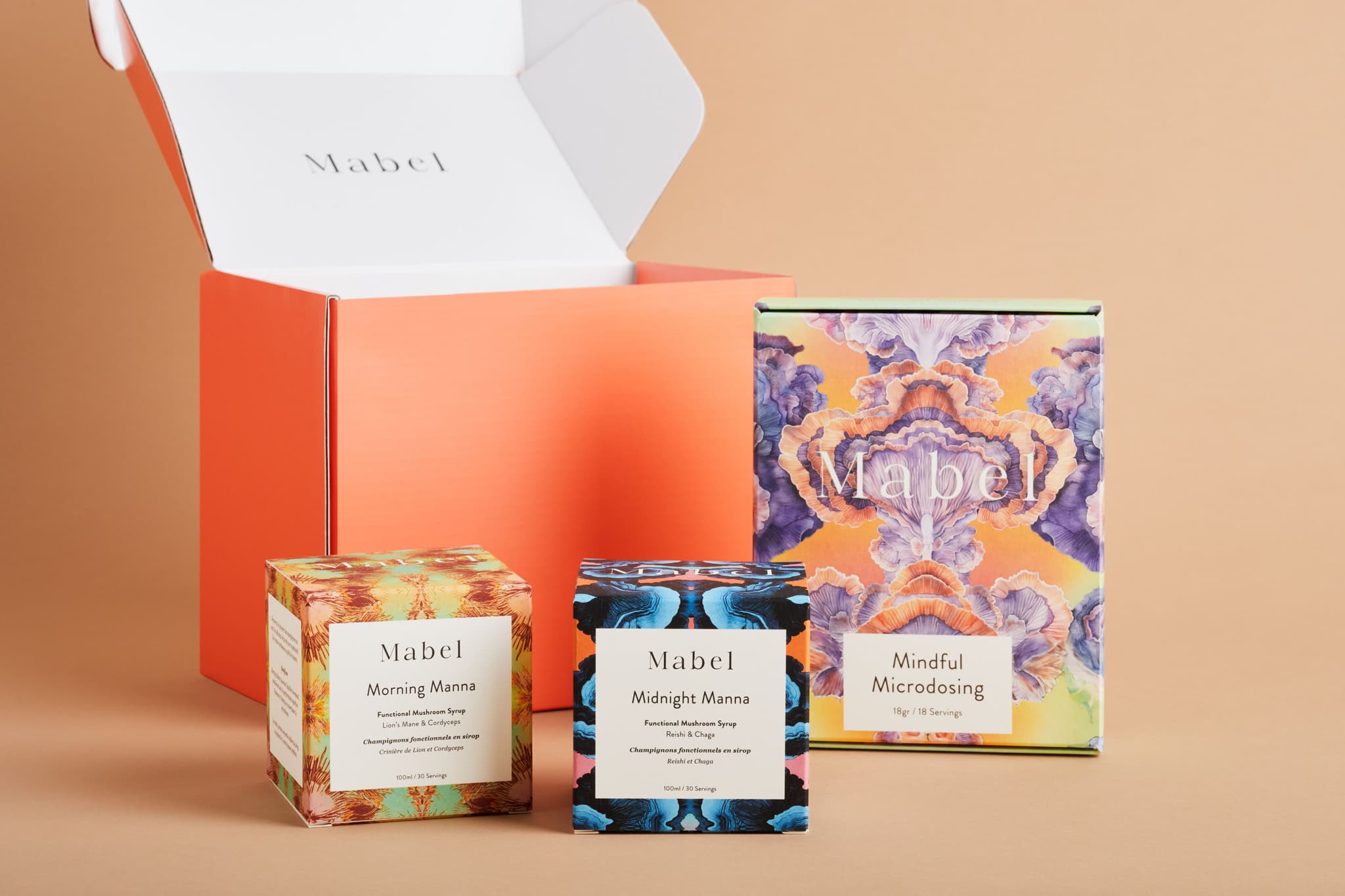
- Protocol highlights: Lion’s mane + cordyceps for daytime cognition/energy; reishi + chaga for evening calm, immune support, and detox assistance (e.g., “Morning Manna” and “Midnight Manna”).
- Risks & realities: Tackle stigma/legal history transparently; avoid polluted supply chains (bioaccumulation risk). Chaga faces overharvesting, prefer “wild-farmed” sources with permits and conservation backing.
- What’s next: Mabël targets evidence-building on the HPG axis to tailor microdosing to hormonal cycles, aiming to formalise dosing for under-served conditions and widen access in women’s holistic care.
Full interview with Mabël
Can you share insights into how functional and psychedelic mushrooms specifically benefit women's health, and what research supports these findings?
Just to clarify, when I discuss psychedelics, I am referring to microdosing, which involves consuming very low doses of mushrooms or truffles containing psilocybin, a psychotropic agent that influences behavior, mood, thoughts, and perception
The significant gap in health and mental care impacting women today, whether due to burnout, anxiety, stress, or hormonal issues, is undeniable. Women are 50% more likely than men to struggle with conditions that diminish quality of life.
However, finding adequate help can be challenging. Practitioners work within available treatment options, which often don't align with our biological health. Many women are eager for new solutions beyond conventional options, such as antidepressants or hormone replacement therapies, which carry substantial side effects and risks.
Microdosing is unique compared to pharmaceuticals or herbal supplements because it addresses the body, mind, and spirit simultaneously, promoting a holistic approach rather than just managing symptoms. Conditions like PMDD, endometriosis, and PMS not only cause physical symptoms but also diminish quality of life, leading to anxiety, depression, and related challenges.
Psilocybin activates serotonin receptors, particularly 5-HT2A receptors, helping regulate emotional fluctuations and alleviate symptoms. It may be effective for PMDD and PMS because it targets the hormonal and neurochemical imbalances that contribute to these conditions. Microdosing can help regulate the hypothalamic-pituitary-adrenal (HPA) axis, restoring balance in the body's stress response and mood regulation mechanisms, unlike traditional medications that mainly manage symptoms.
Psilocybin also has potential anti-inflammatory properties, which can alleviate physical symptoms like fatigue, pain, and sleep disturbances, common in hormonal and gynecological conditions. Additionally, psilocybin enhances neuroplasticity, helping to rewire negative thought patterns and emotional dysregulation, creating a virtuous cycle of positive thinking and behavior.
Functional or medicinal mushrooms, which seem to be everywhere, are another fantastic tool for women, as long as we remain realistic about our expectations and the sources from which we obtain them. These mushrooms act as immunomodulators, meaning they can modify your immune responses, whether you have an overactive or underactive immune system. They also work wonders for adrenal gland regulation, a function that plays a significant role in hormonal health, including during perimenopause and menopause. Some mushrooms are adaptogenic, meaning they adapt to the individual's needs rather than offering a 'one size fits all' benefit, which is quite extraordinary when you think about it.
The issue with functional mushrooms lies in the overpromising and unregulated nature of this industry. Many brands sell dried mushroom powder, which is essentially equivalent to buying expensive fibre. To see real results, ensure you use a pure extract made only from the fruiting bodies (the above-ground mushrooms) and remain consistent and patient. Even better is to opt for a liquid supplement that is highly bioavailable and sublingual (absorbed under the tongue); this increases potency by nearly tenfold and saves you the hassle of swallowing yet another capsule.
The real benefits of functional mushrooms come gradually and over time. If sustained, they can be quite amazing. I recommend lion's mane and cordyceps for an optimal start to the day. Lion's mane not only boosts cognition through its nerve growth factor (NGF) agents but also helps regulate gut health and oxygen distribution. I start each day with our Morning Manna.
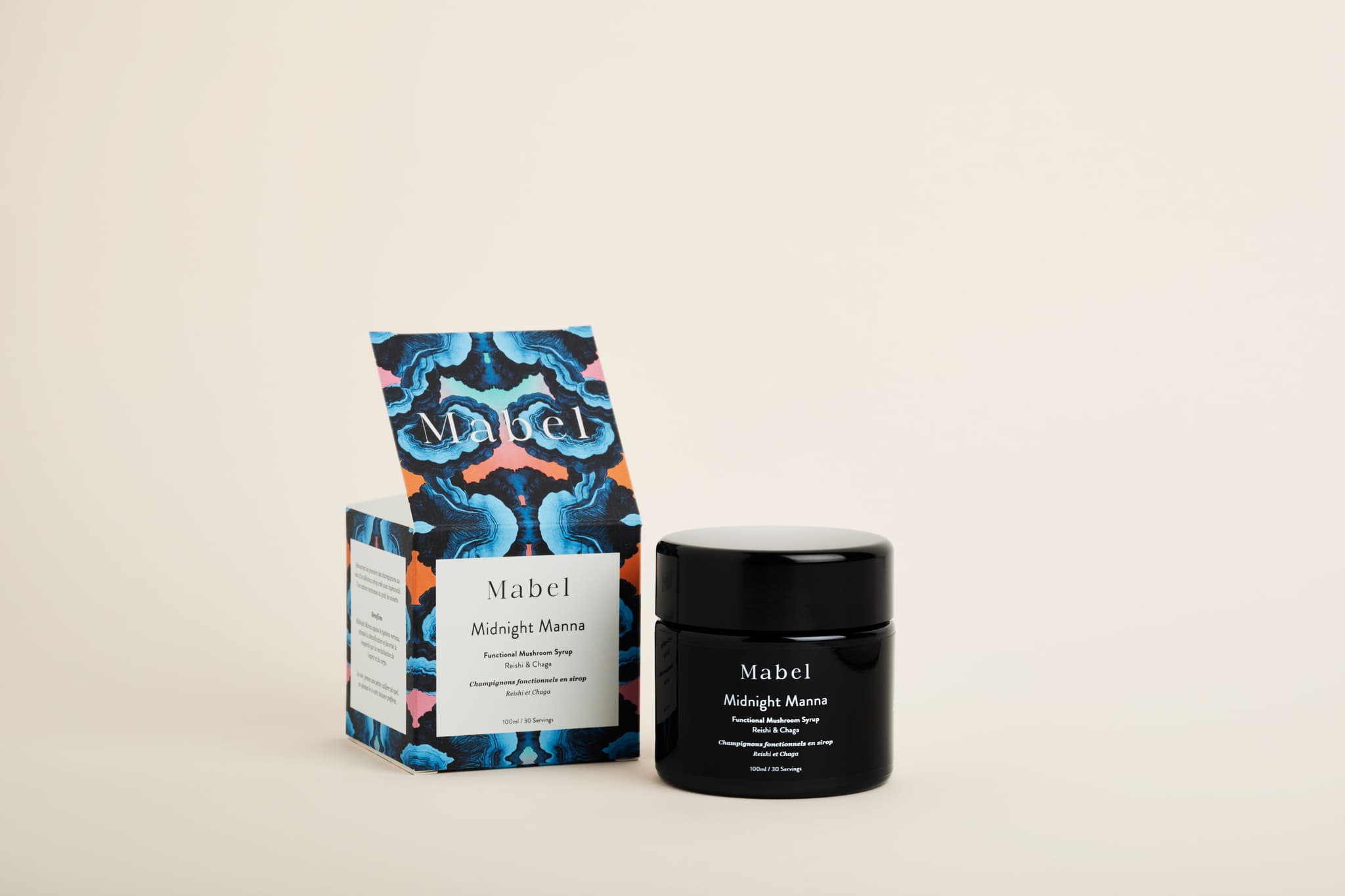
For nighttime, many women tell me that finding a sense of peace and calm after a long day is challenging. This is why we developed Midnight Manna with reishi and chaga. The triterpenes and polysaccharides (beta-glucans) in reishi are well documented for their antioxidant, antimicrobial, and anti-inflammatory effects. They support the parasympathetic nervous system, often referred to as the 'rest and digest' system. Chaga is a powerful aid for digestion and the expulsion of toxins and synthetic materials from the body. It can be quite alarming to discover how many environmental toxins we accumulate throughout the day, so providing our bodies with something to combat this during sleep is a powerful strategy for promoting longevity and anti-ageing.
Given your expertise, how do you address common misconceptions about the use of mushrooms in health and wellness, particularly for women?
I really appreciate this question because it opens the door to many interesting conversations. I think we need to start by addressing the ‘pink elephant’ in the room, which is psilocybin’s status as a Schedule 1 substance.
Despite their long-standing cultural and historical use in various societies worldwide, psychedelics have faced stigma and legal scrutiny in the Western world. But they didn’t start out this way; in fact, they were well-studied globally in the mid-60s for their potentially life-changing effects on conditions ranging from depression to addiction.
Cultural icons such as the Beatles and Pink Floyd began using psychedelics, which soon became synonymous with the hippie movement. This movement posed a challenge to the Nixon administration, and, in an effort to control (read: shut down) their anti-war rallies, he initiated the Controlled Substances Act. This effectively brought a decade of promising studies to a halt and set mental health care back more than 30 years. It’s important to emphasise here that the decision to criminalize psilocybin was political, not based on scientific or health concerns.
So, the real challenge for us is, how do we change that narrative? How do we remove the stigma and misconception built up over 30+ years? Fortunately, the past decade has seen forward-thinking universities and grassroots movements pushing forward and bringing psilocybin back into the conversation. Recent research is reaffirming the potential benefits of psilocybin, and Big Pharma is paying a lot of attention right now. The EU is also gradually catching up, with several publicly funded studies now underway.
For me personally, it’s about getting the word out there, not by evangelising the virtues of this earth medicine, but by informing people and opening up access to it. It’s about democratising and gently introducing women to this by demonstrating how microdosing (the practice of taking minuscule amounts of psilocybin) can improve everyday life without affecting daily routines.
These are powerful natural remedies, and giving women the chance to discover and interact with them in a safe space and under guidance is the way forward for us.
Chaga mushrooms are becoming increasingly popular for their health benefits. Can you discuss the implications of their potential status as a threatened species?
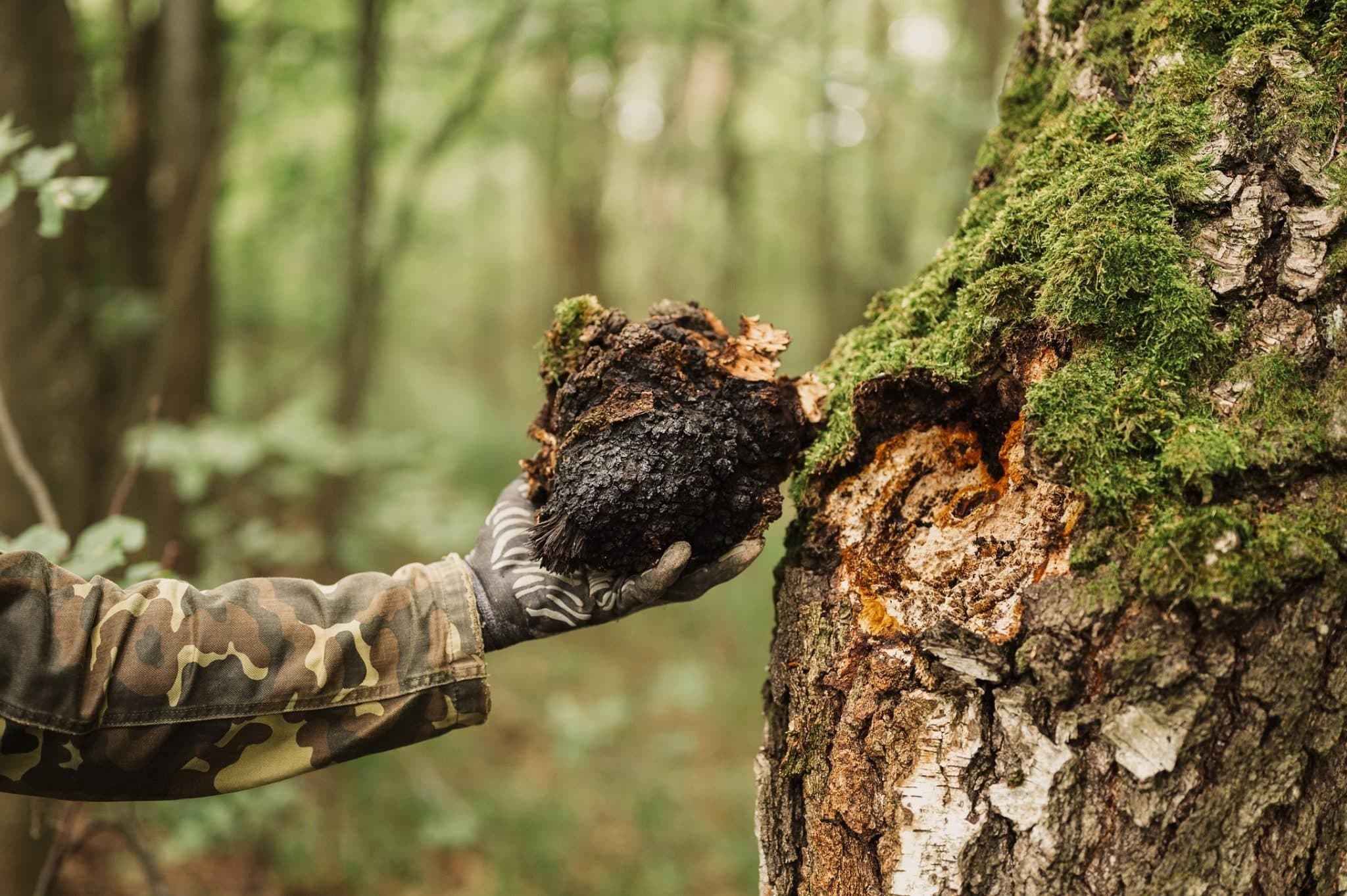
Yes, the intense interest from the supplements and wellness sector has created incredible demand for Chaga. It’s estimated that 10 to 12 years from now there will be a real shortage of Chaga due to overharvesting and the fact that Chaga takes about 10 to 15 years to reach maturity. This is where consumers have the chance to vote with their wallets. Always choose brands practising “wild farming.”
When selecting a partner, we prioritised paying more for our products to ensure they come from a supplier operating under government-issued harvesting permits and a conservation programme. Our Chaga is sourced from a forest that sequesters around 50,000 tons of carbon annually.
What are the lesser-known facts about the ecosystems necessary for the growth of functional and psychedelic mushrooms that the public should be aware of?
The main concern I would raise is with the cheap products sourced from Asia. One must consider that it’s not just about the actual farming of these mushrooms, but also the environment surrounding these fields and forests. If pollution levels in the air and water are high, mushrooms will inevitably absorb these toxins. These toxins then become part of the mushroom’s makeup and are ultimately passed on to the consumer.

How do you see the role of functional and psychedelic mushrooms evolving in the holistic health space, particularly for women, in the coming years?
I believe this marks the beginning of a multi-decade growth cycle that will not only transform mental health care but also challenge our entire conception of well-being. We are entering a new era where the consensus is that to look good, you need to feel well, and to feel well, you need a balanced mind. Psychedelic truffles present an incredible tool to help achieve this balance.
Fostering authenticity and celebrating unique strengths and characteristics will enable many women to find greater peace and become the best versions of themselves. This will be the ultimate health and wellness goal we can set for ourselves.
The power of functional mushrooms to strengthen immune systems and balance hormones will become an integral part of daily routines once people understand how powerful they truly are.
In your opinion, what are the most promising areas of research or application for mushrooms in women's health that are currently underexplored?
Hands down, hormonal health, because it affects us all or nearly all of us. Eighty percent of women are affected to some degree by hormonal issues, including infertility and reproductive concerns.
One of our goals with Mabël is to stratify hormone-based conditions and measure the impact of psilocybin on these in conjunction with the hormonal cycle. This will enable us to more precisely dose and target conditions that severely decrease the quality of life for so many.
Initial studies on the interaction between psilocybin and the Hypothalamic-Pituitary-Gonadal (HPG) axis present an intriguing first validation of this work. The HPG axis plays a crucial role in hormonal regulation, and disruptions in this system are believed to contribute to PMDD, infertility, and related symptoms. Psilocybin's effects on this axis may help rebalance hormonal fluctuations, thereby mitigating these symptoms at their source.
Mabël is a modern alternative wellness company at the intersection of three mega-trends: psychedelics, personal self-development, and functional mushrooms. We are building the most accessible, effective over-the-counter brand, championing women’s mental health and wellbeing.
In a world that thrives on innovation and transformation, our product stands at the forefront of cognitive enhancement and emotional balance. By merging the profound effects of psychedelics with a daily programme, we offer an unparalleled at-home experience, enabling women to reclaim power over their lives.
Our line of medicinal mushrooms allows us to extend Mabël’s retail presence across high-end beauty and lifestyle stores and broaden the understanding of fungi’s crucial place in our lives.