How do you incorporate multispecies narratives into your landscape design projects, and what impact do you aim to achieve with this approach?
Since my student days, I've been captivated by the concept of integrating nature into design. Over a decade ago, my thesis explored the idea of introducing an urban forest into a historical setting like Pietrasanta, nestled in the region of Tuscany. As time progressed, I've had the opportunity to deepen this approach, aiming not only to include humans in the design narrative but also to encompass all other species within our ecosystems.
Embedded within every project I work on, there is always a fundamental question: how can we consider the impact on the diverse non-human species that inhabit and interact with the environments we shape? My objective is to foster a mindset of promoting healthy coexistence between humans and other species. Ultimately, my aspiration is to influence upcoming generations of designers, instilling in them a profound interest in this holistic approach to design.
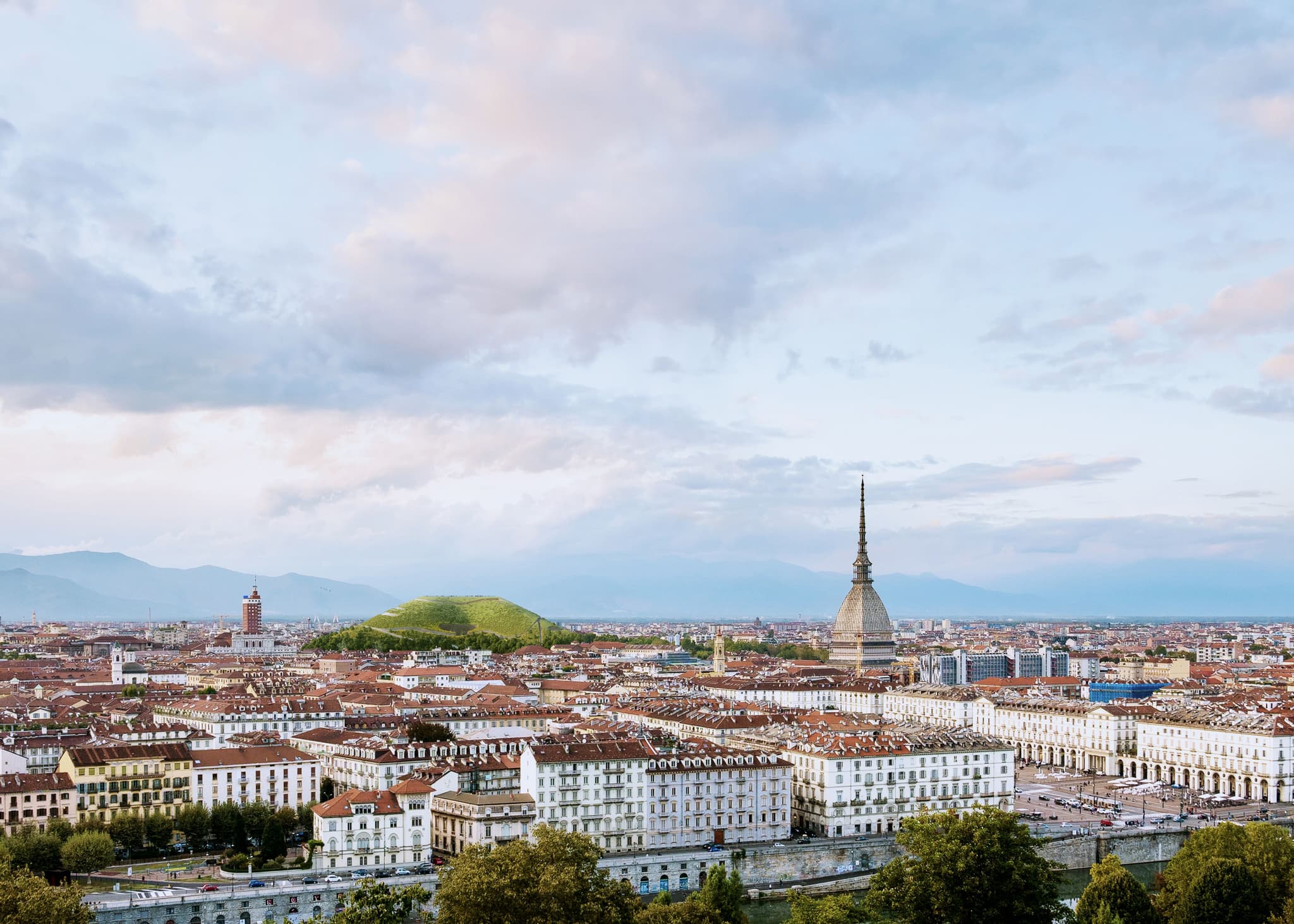
Can you describe the interdisciplinary collaboration process that went into developing the Sponge Mountain project in Turin, and how did these collaborations influence the final design?
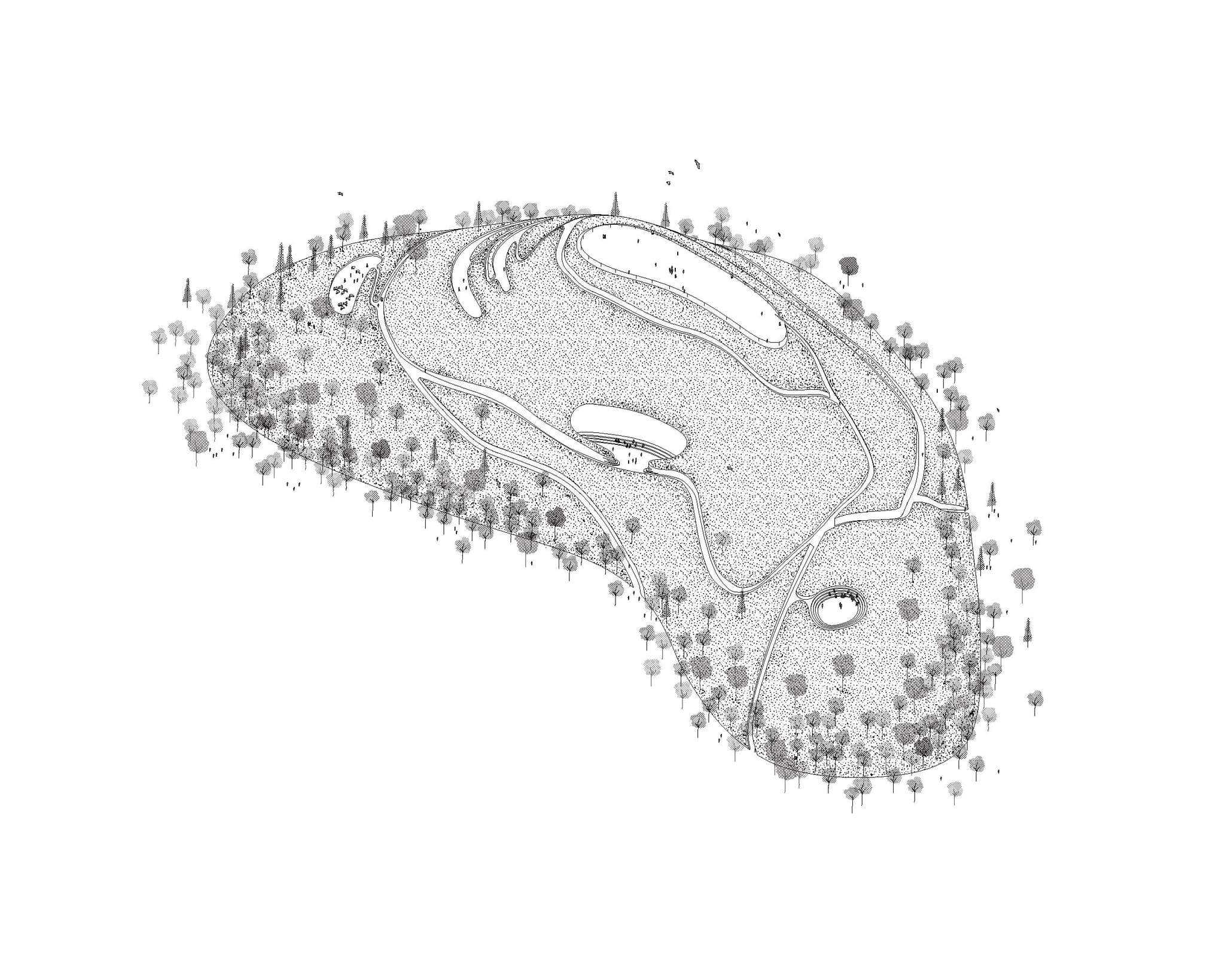
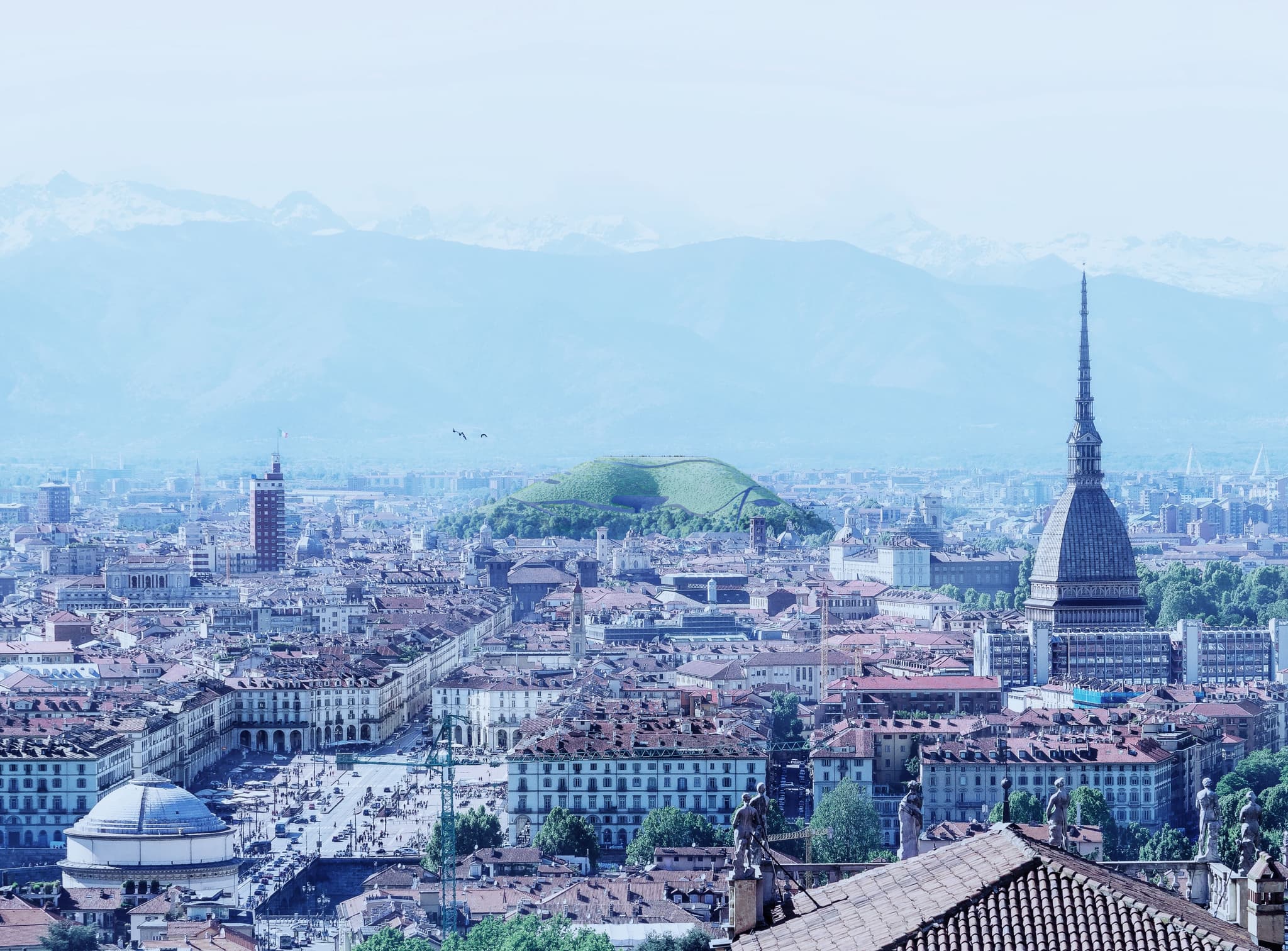
The Sponge Mountain is a collaborative project I developed in 2018 with the SUCCESS (Sustainable Urban Carbon Capture: Engineering Soils for Climate Change) Group and biologist Dr. Mark Goddard from the Earth and Environment School in Leeds, UK. It is a speculative vision to use the soil excavated from building a 57 km railway tunnel connecting Turin to Lyon (TAV). It is estimated that 6 million tons of soil will be subtracted to complete the connection between the two cities.
Instead of seeing it as waste, we wanted to find a clever way to reuse it. According to the “Success” research, quarry soil has the best capacity to sequester CO2. So, we came up with the idea of making an artificial mountain out of this soil. This mountain would passively soak CO2 from the air and become a landmark for Turin. For this project, I got inspired by the Monte Stella designed by Piero Bissoni in 1947 in Milan, an artificial mountain constructed after World War II using rubble from bombed buildings. Today, Monte Stella is a nice park that everyone can enjoy.
The Sponge Mountain project is not just about helping the environment. It's also about finding smart ways to use resources to make our cities better places to live. It shows that even something as simple as dirt can be turned into something great that benefits everyone.
Could you explain the role of engineered soil in the Sponge Mountain project and how it contributes to carbon dioxide absorption at such an effective rate?
The engineered soil is following the study that the SUCCESS team is carrying on about the possibility of developing a special mixture of soil able to increase the capacity of soil to absorb passively carbon dioxide. ‘SUCCESS’ is a multidisciplinary group in which scientists, researchers, and ecologists have worked together to look at the importance of soil for carbon capture and how to design soil to best absorb carbon, but also support biodiversity. One way to achieve this is to promote soil carbonate formation, creating and increasing the permanent store of carbon in the inorganic form. Calcium carbonate is essentially limestone and it can be created in the soil if you have the right conditions.
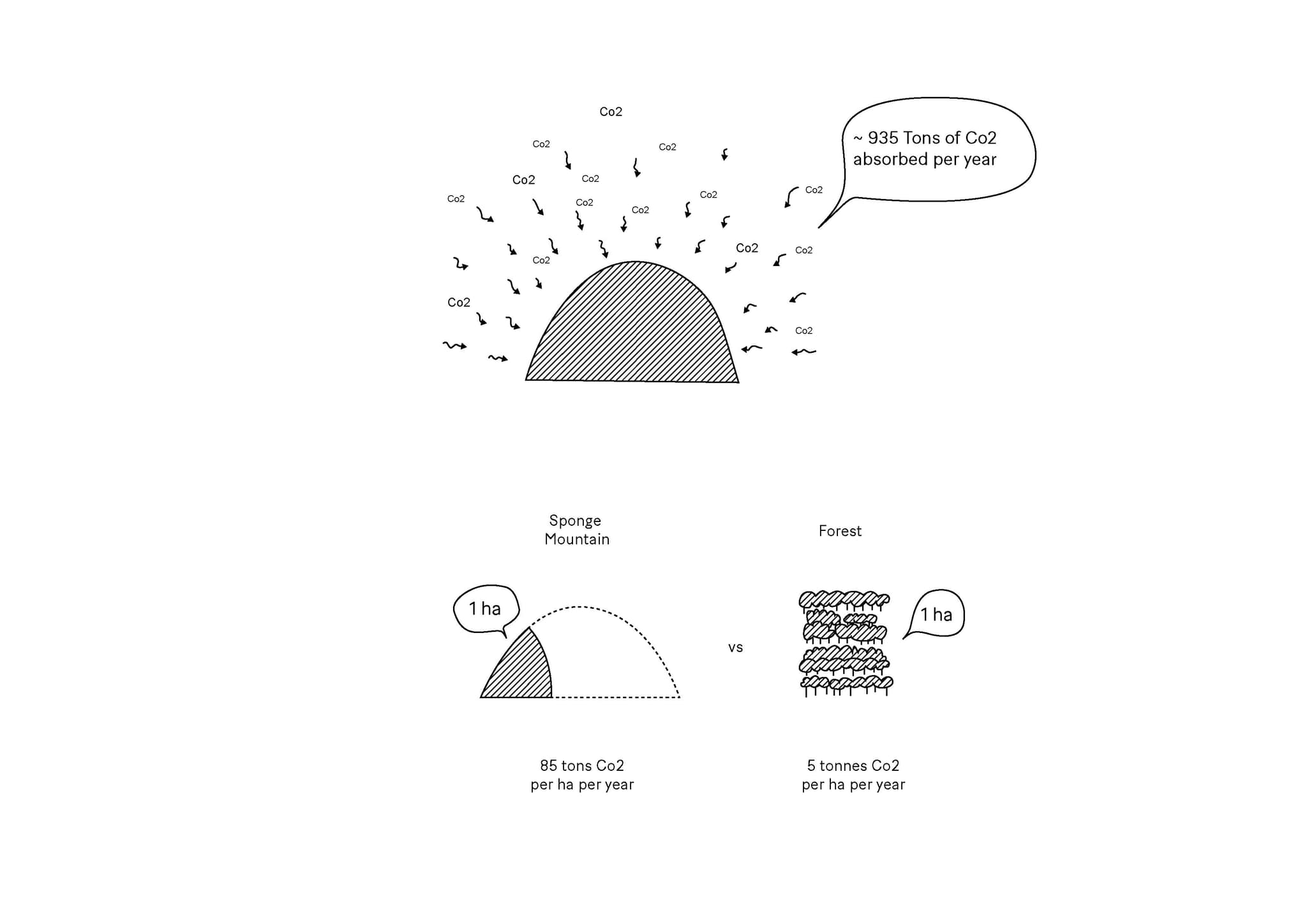
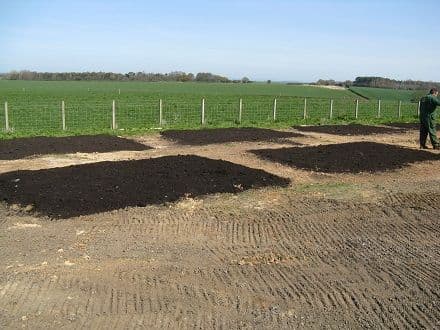
For example, let’s take a brownfield or a demolition site as a test site; they are really good sources of calcium because of the cement and concrete found. They tested two different types of engineered soils; one was based on concrete as a calcium source (brownfield soil) and the second one was using a working quarry. They have mixed them into different proportions in 14 plots of 3m x 4m by 1m deep and has been analysed that most of the calcium carbonate is stored in the top layer (10-15 centimetres) and brownfield soil has the capacity to sequester CO2 in an inorganic form - at a rate of 85 tons per hectare per year.
If you think that one hectare of rainforest can absorb 5 tons per hectare per year of CO2 it becomes a quite important and achievable technology. Considering all the urban land we have and land alongside highways, airports, and all of these different vacant areas, potentially if this approach was applied to all of these different types of infrastructures, it will start to have a significant effect.
As an advocate for climate-responsive architecture, how do you evaluate the effectiveness of your designs in combating climate change, particularly in urban environments?
I believe it's crucial to evaluate the effectiveness of design by understanding its real impact through data observation and measurement. However, we should move away from the notion of "responsive architecture" which insists that everything must be quantified in terms of effectiveness.
Instead, I advocate for a more meaningful approach that emphasises ethics and spirituality, seeking to re-establish human-nature connections over purely performative design.
With your experience in both architecture and landscape design, how do you balance aesthetic considerations with ecological functionality in projects like Sponge Mountain?
In my projects, I consistently prioritise ecological considerations. When faced with the choice between two different materials, I select based on their real impact and how well they align with the overall concept of the proposal. This ecological approach is also reflected in the aesthetic of the project.
How do you envision the future of soil engineering as a tool for urban sustainability and carbon sequestration?
I believe that, like many new solutions, we require time for thorough testing and understanding of their real impact, particularly regarding long-term applications. However, this presents very intriguing possibilities that will likely become increasingly utilised over time.
From your perspective, what are the most promising materials or technologies for future sustainable landscape and architectural projects?
In my perspective, natural materials such as cork, clay, and stone are the most interesting materials. However, it's crucial to recognise that natural doesn't always equate to sustainable. Understanding the entire life cycle of materials, including their sourcing, impact, and provenance, is essential.
Additionally, we're likely to witness a rise in the reuse of raw materials, as repurposing existing materials can often be more environmentally friendly than extracting new ones.