The world faces an increasingly critical issue with single-use plastic. What was once regarded as convenient – the disposable nature of items like plastic bags and bottles – has snowballed into an environmental crisis. Ecosystems are suffering, marine life is in jeopardy, and the possible human health implications of plastics breaking down into microplastics are concerning.
The need for immediate action is evident. Around the globe, there's a growing movement to counteract this challenge through bans, the exploration of alternative materials, and the enhancement of recycling infrastructure. The consequences of single-use plastic demand our attention and concerted efforts.
The scale of the single-use plastic problem
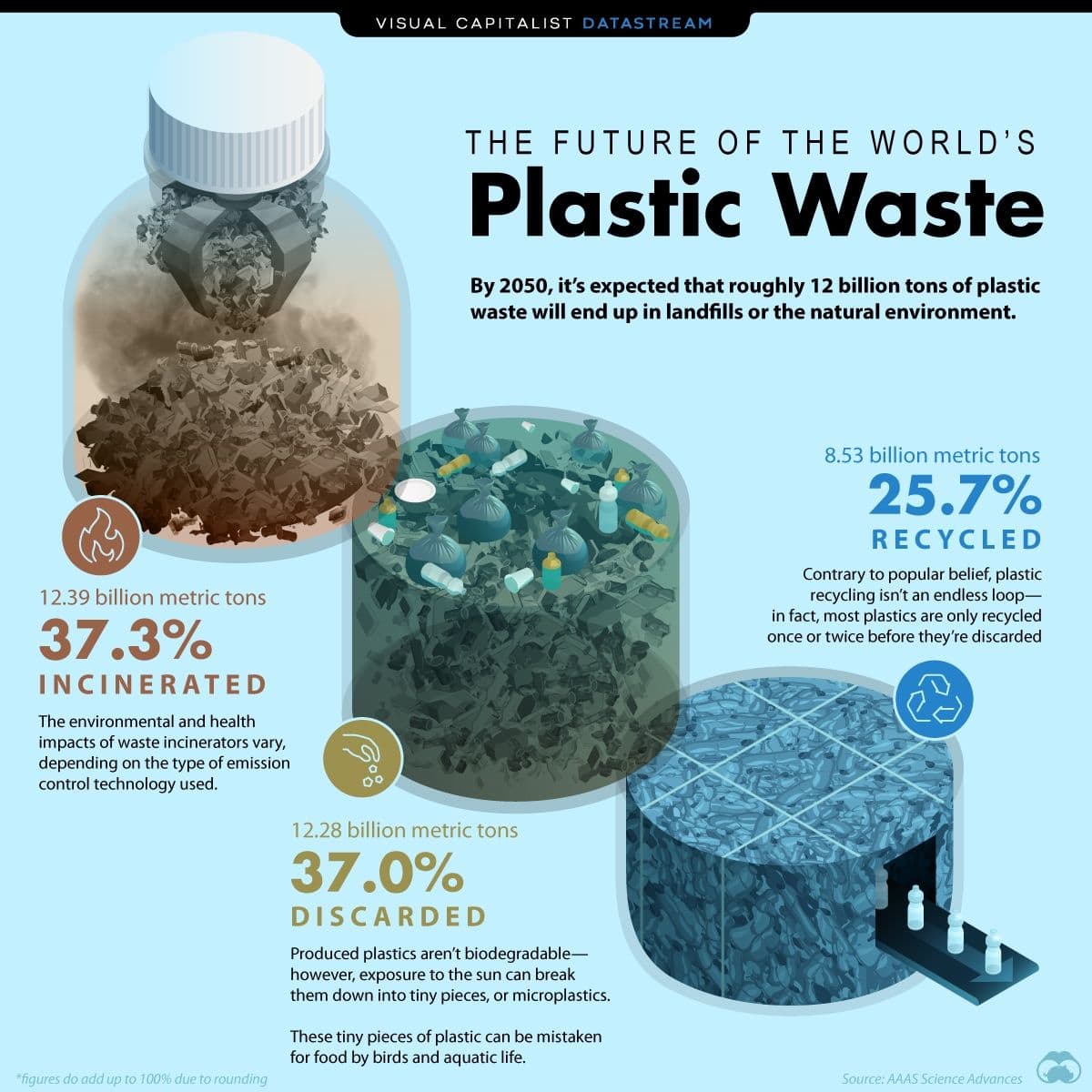
The scale of the single-use plastic problem is staggering. Every year, millions of tons of single-use plastic, including bags, bottles, and packaging, flood our environment. In 2021, 139 million metric tons of single-use plastic waste was generated globally. This was 6 million metric tons higher than the figures recorded in 2019.
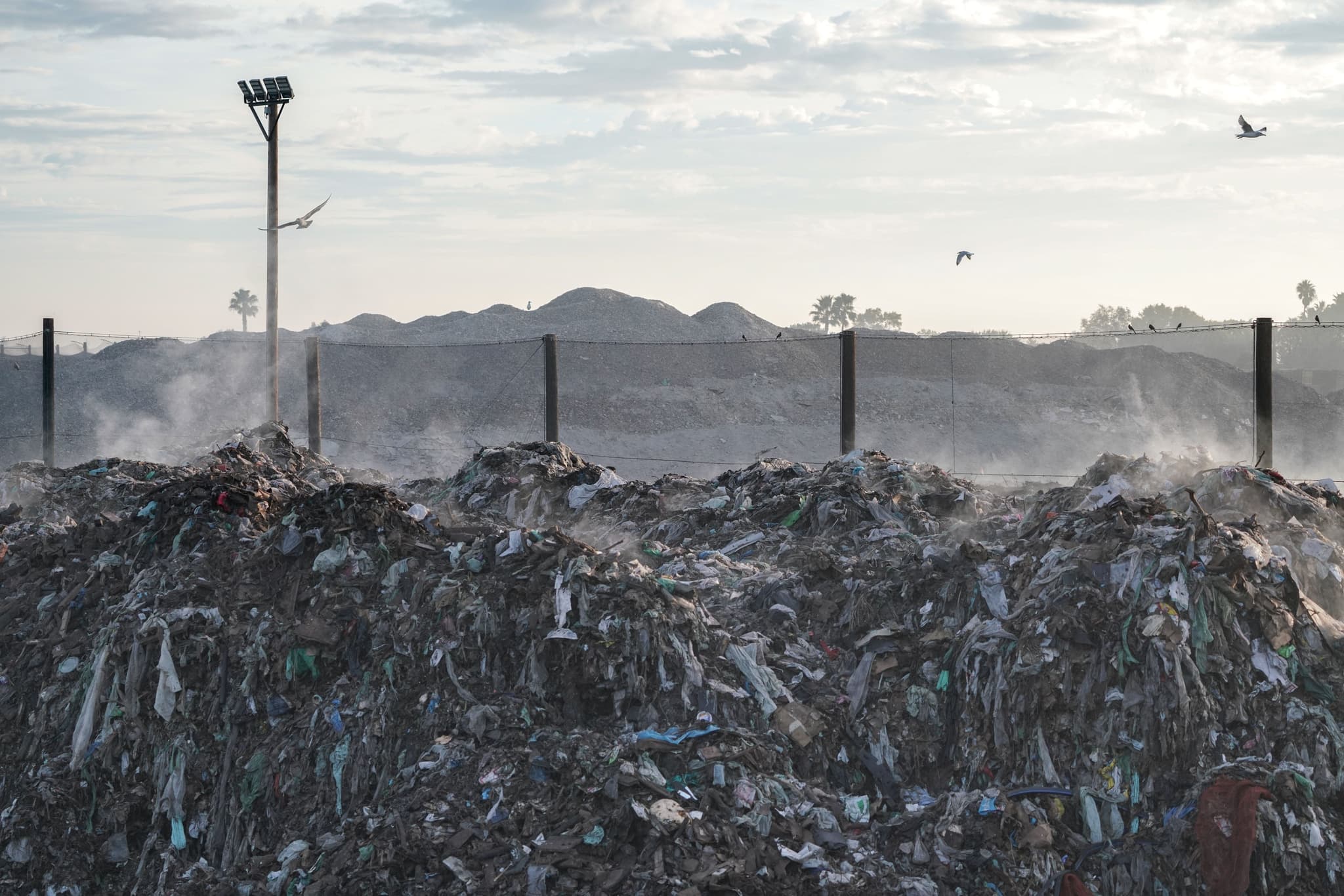
This deluge of disposables has led to widespread pollution, clogging our oceans, waterways, and landscapes. While the idea of recycling may sound good, the fact is that only a meager 9% of plastic produced ever gets recycled. The remaining 91% find their way into the environment.
Understanding the barriers to a transition from single-use plastic
The idea of dumping single-use plastic altogether and adopting a cleaner type of materials as listed above can be appealing to most people - but the path to actualizing this aspiration is quite complex. While the desire to reduce plastic waste is commendable, the practical challenges and multifaceted considerations that come with such a shift should not be underestimated. Here are the two biggest challenges in our opinion:
Lack of access to alternative materials
In a study published in the Journal of Cleaner Production, the lack of manufacturing facilities to meet the demand for biodegradable single-use products and the lack of financial support for developing alternatives to single-use plastics were identified, among others, as some of the barriers to the elimination of single-use plastic.
For many brands, there might not be readily accessible or scalable alternatives to single-use plastic. This makes transitioning more complex, as it would require not just switching to new material but potentially overhauling supply chains or sourcing from new suppliers, which can be both time-consuming and costly.
The manufacturing sector's dependency on plastic for packaging and production processes creates inertia in supply chains. Many industries have optimized their processes around plastic use, and transitioning to alternatives may necessitate substantial adjustments and investment, potentially disrupting established workflows.
Cost implications
Transitioning to sustainable alternatives frequently entails significant investments in the initial stages. Many industries have tailored their entire operations around the use of plastic due to their affordability and versatility. Introducing alternative materials could mean re-engineering manufacturing processes, retraining staff, and making changes in logistics and storage. These added expenses, compounded by the potential higher cost of alternative materials, can lead to an increase in the final product's price. For example, the average tariff worldwide for plastic straws is 7.7%; for paper straws, it’s 13.3%. The tariff on paper straws is nearly double that of plastic straws, adding to the economic challenges of adopting more sustainable options.
Many end customers, while supportive of eco-friendly initiatives in principle, remain price-sensitive and might not be willing or able to absorb higher costs for products, especially if comparable cheaper options (using traditional plastics) are available. This puts companies in a challenging position where they have to ensure both environmental responsibility and market competitiveness.
Tackling the obstacles and kicking out single-use plastic
Addressing the challenges of transitioning away from single-use plastic requires innovative solutions that leverage the potential of technology. Here are some promising avenues that can help sustainable brands overcome the constraints:
Leveraging global supplier networks with an AI-powered platform
One of the main challenges brands face is the lack of access to alternative materials. Here's where AI-fueled platforms such as tocco come into play:
- Global supplier access: with tocco, brands can access a wide network of suppliers from around the world with just a few clicks. This not only widens their scope of potential materials but also introduces them to new innovations they might not have been aware of.
- Certification and label transparency: by leveraging AI, tocco provides full transparency on certifications and labels of suppliers. This ensures that brands are sourcing materials that are genuinely sustainable and in line with their environmental goals. It dispels the uncertainty that brands may have about the credibility and sustainability of new materials.
Simplifying supply chain processes with dedicated agents
A complex supply chain is another major barrier, especially when introducing new materials. However, technology coupled with dedicated agency service can simplify and expedite this transition:
- Streamlined communication: tocco’s ability to facilitate direct communication between brands and suppliers can significantly speed up the negotiation phase. This is especially vital when brands are navigating the unknown terrain of alternative materials.
- Multilingual support: with agents proficient in 5 major languages, tocco ensures brands can effortlessly communicate with suppliers from different parts of the world, ensuring clarity, reducing negotiation time, and avoiding potential misunderstandings that can arise from cultural and language differences.
Final thoughts
Solutions to replace single-use plastic, therefore, need to strike a balance between convenience, cost-effectiveness, and environmental responsibility. With the fusion of AI technology and global networks provided by platforms such as tocco, the journey can become more straightforward, efficient, and cost-effective.
As brands harness these solutions, they move closer to a future where sustainability doesn't have to come at the cost of efficiency or profitability.
References
A remedy to our microplastic epidemic? | tocco. (n.d.). https://tocco.earth/article/microplastic-epidemic/
How to (really) end the single-use plastic epidemic? | tocco. (n.d.). https://tocco.earth/article/alternatives-to-single-use-plastics/
Beyond sustainability: adopt low-carbon and regenerative materials | tocco. (n.d.). https://tocco.earth/article/beyond-sustainability/
*Whiteman, H. (2023, February 6). The world is creating more single-use plastic waste than ever, report finds. CNN. https://edition.cnn.com/2023/02/05/energy/single-use-plastics-volume-grows-climate-intl-hnk/index.html#
*Top 100 suppliers who will change the future of single-use plastic industry https://tocco.earth/list/alternative-plastics/