Key Points
- Code status: first hempcrete certification added to Australia’s National Construction Code
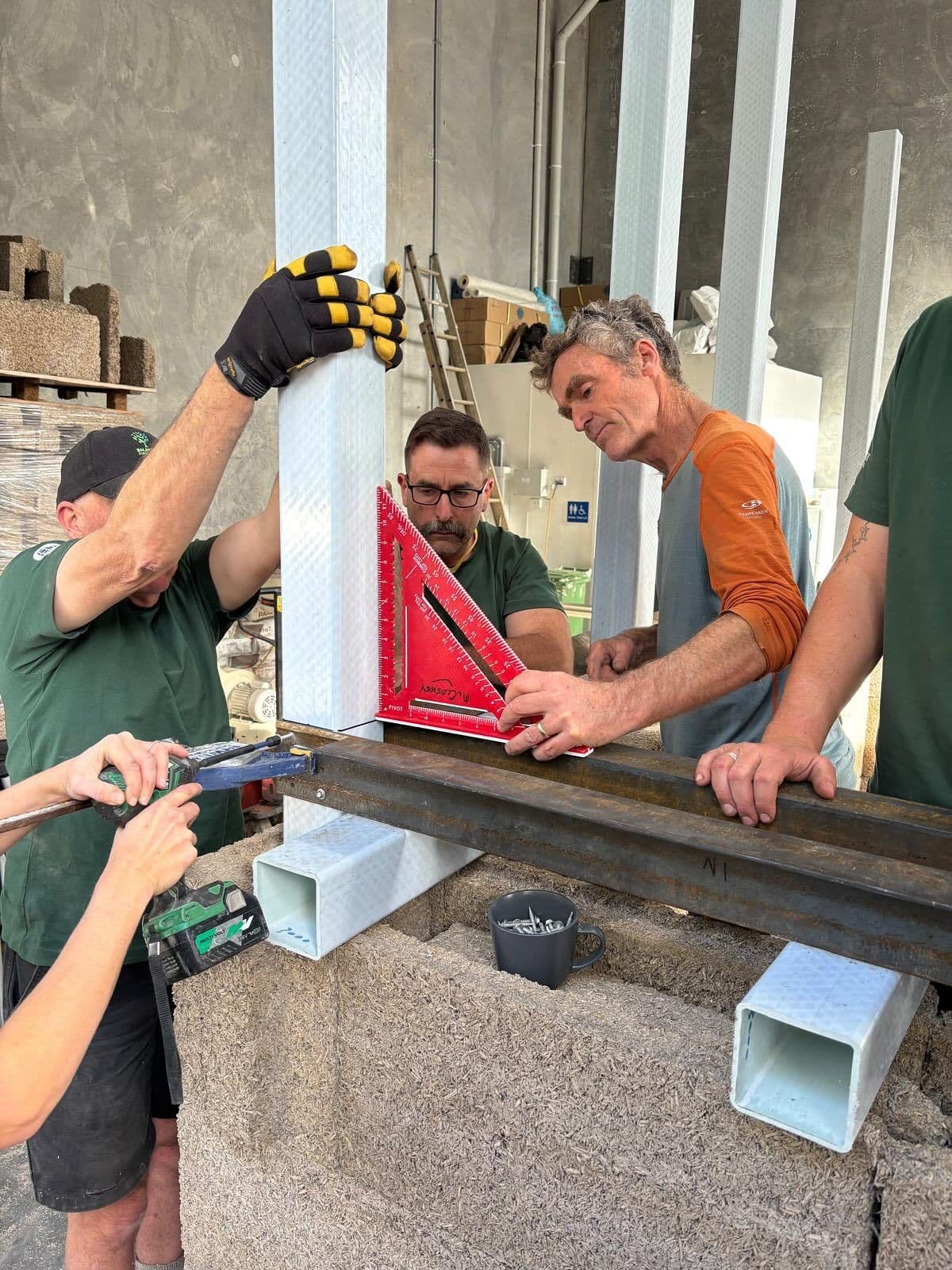
- Structure shift: patented post-and-beam with fibre-reinforced polymers replaces steel, cutting weight while maintaining strength.
- Health & comfort: hygroscopic walls stabilise humidity and temperature, no toxic off-gassing; many homes need little to no HVAC.
- Fire performance: ~3-hour fire test showed no change to the outer wall, a step-change for hotels and bushfire-risk regions.
- Adoption model: client-led demand pulls builders in; HempBLOCK trains and certifies crews, supporting global scale with patents and factories.
From hempcrete certifications in Australia to global patents with HempBlock International, Johan Tijssen has spent four decades pushing construction into a new paradigm, one where buildings are not just low-carbon, but life-enhancing.
The Accident That Changed Construction Forever
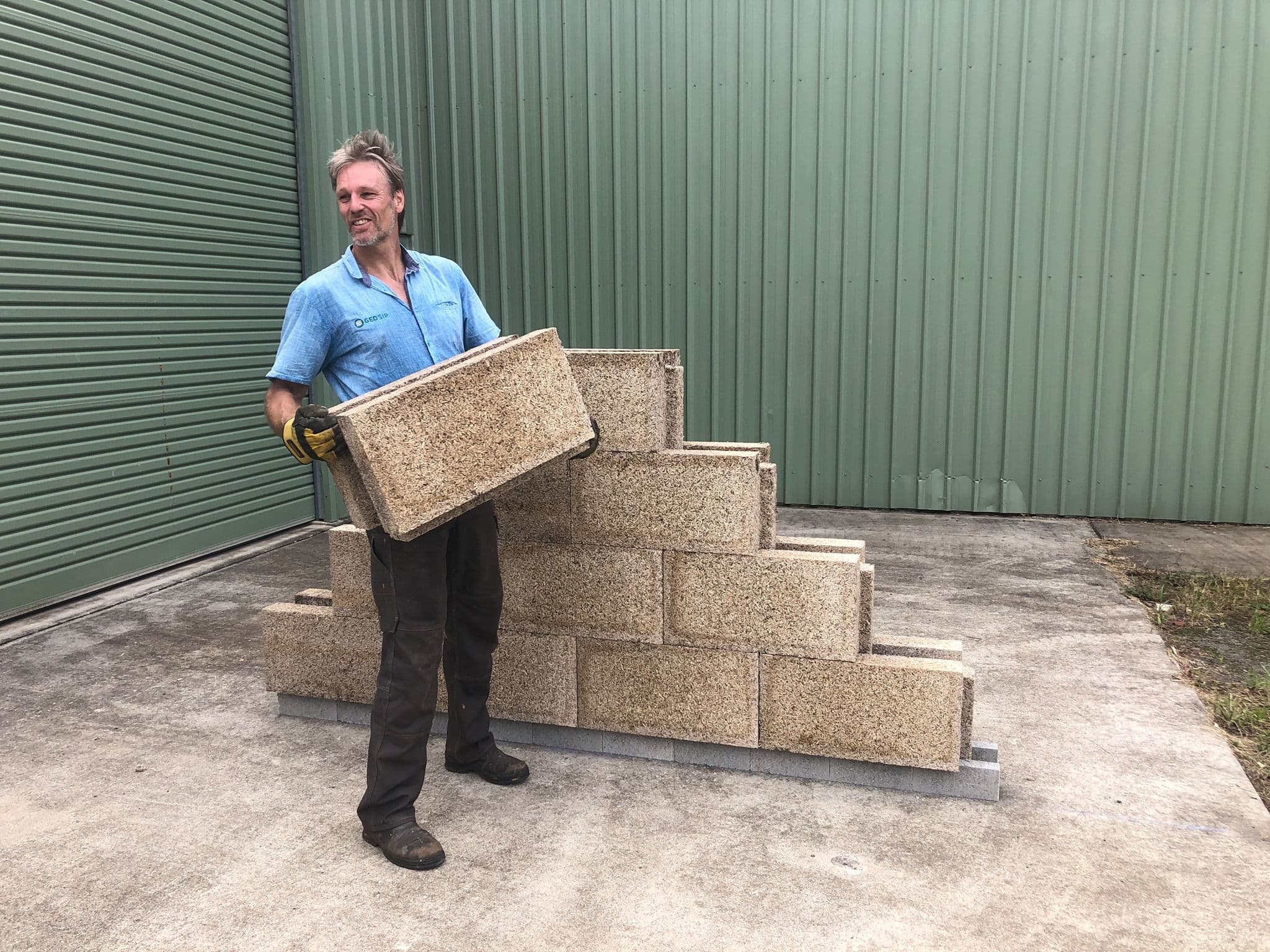
Every revolution begins with an accident. For Johan Tijssen, it was one of his building jobs in Australia (actually building a sound studio for a pro drummer). Johan helped a friend with some work who was between jobs. This turned into a lifetime commitment to rethinking how we build. When that friend mentioned he was going to be growing industrial hemp, and that you could build houses with it, Tijssen’s curiosity ignited. Soon after, he found himself deep in the world of hempcrete, a mixture of hemp, lime, and water that promised a radical alternative to concrete and the many wall insulation products..
“I became director of HempCrete Australia, and we pushed the first ever certification of hempcrete into the National Construction Code,” Tijssen recalls. “That was critical. Without certification, you don’t have legitimacy. With it, you have a new material that the world must take seriously.”
Certification was only the beginning. Manuals, training programs, and demonstration projects followed, turning hemp from a fringe idea into a credible industry. Today, hempcrete is no longer the curiosity of eco-builders, it’s a material that regulators, architects, and engineers are watching closely.
Rethinking the Foundations of Building
To Tijssen, the status quo of construction, dominated by concrete and steel, is not just unsustainable, it’s unimaginative. “After building two hempcrete homes reinforced with steel, I thought: this is not the way forward,” he says. Instead, he engineered a patented post-and-beam system using fiber-reinforced polymers, lighter and stronger than steel.
The shift is not just technical, it’s philosophical. Concrete and steel lock us into a 20th-century mindset of brute force and carbon debt. Hemp, with its renewability and adaptability, belongs to a 21st-century mindset of resilience and balance.
“Sooner or later, hempcrete won’t be an alternative,” Tijssen insists. “It will just be the way we build.”
Houses as Health Infrastructure
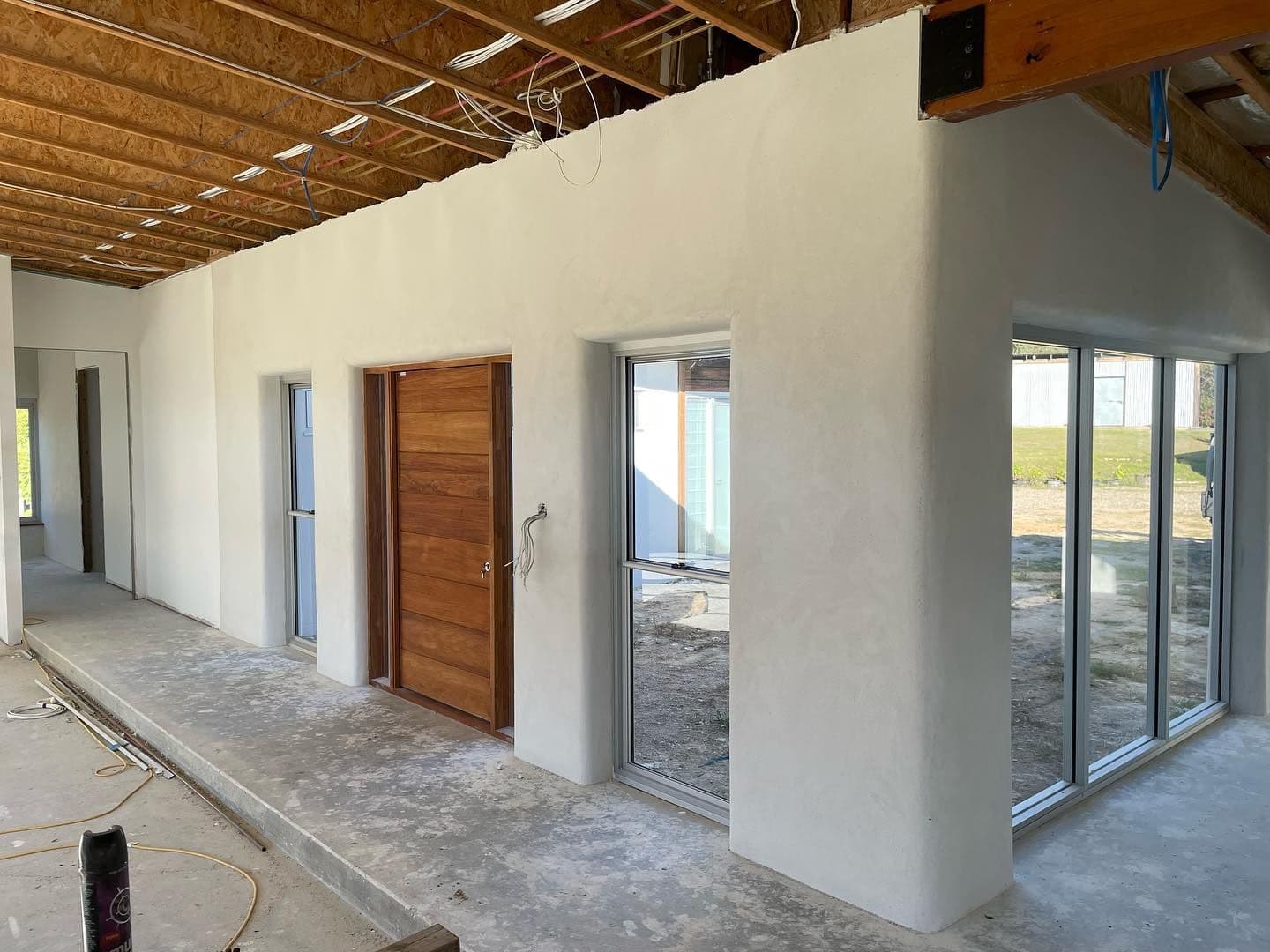
For Tijssen, the value of hemp homes cannot be reduced to carbon math alone. The walls themselves breathe, absorbing humidity, stabilizing temperature, and eliminating toxic off-gassing common in conventional materials. The result is homes that feel, and are, healthier.
“A house isn’t just a financial investment,” Tijssen says. “It’s a health investment.”
Families living in hempcrete or HempBLOCK homes often find they don’t need heaters or air conditioning at all. Energy bills plummet for standard homes. Comfort rises in HempBLOCK homes. Children grow up in quieter, cleaner spaces. For Tijssen, that’s the real return on investment: “You’re not just saving money, you’re saving wellbeing.”
Clients Want It First. Builders Follow.
One of the surprises in hemp’s rise has been the direction of demand. “It’s often the client who pushes for it first,” says Tijssen. “They want homes that last, that don’t cost a fortune to heat, that don’t make them sick. Besides that the safety features are astonishing; after 3 hours of a fire test we saw no change in the outer wall and stopped the test. That is a huge game changer for the Hotel industry and areas with high bushfire risk.”
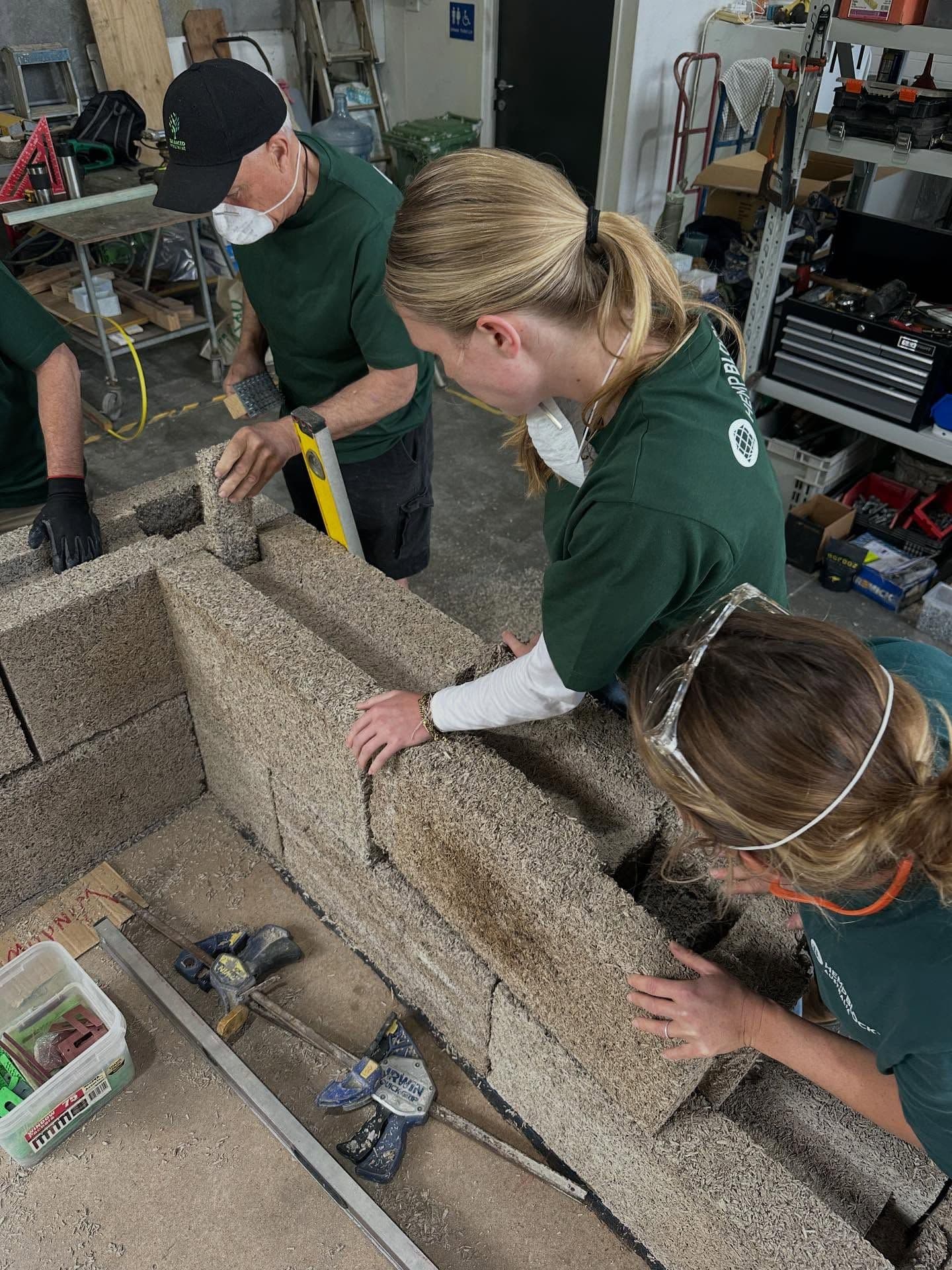
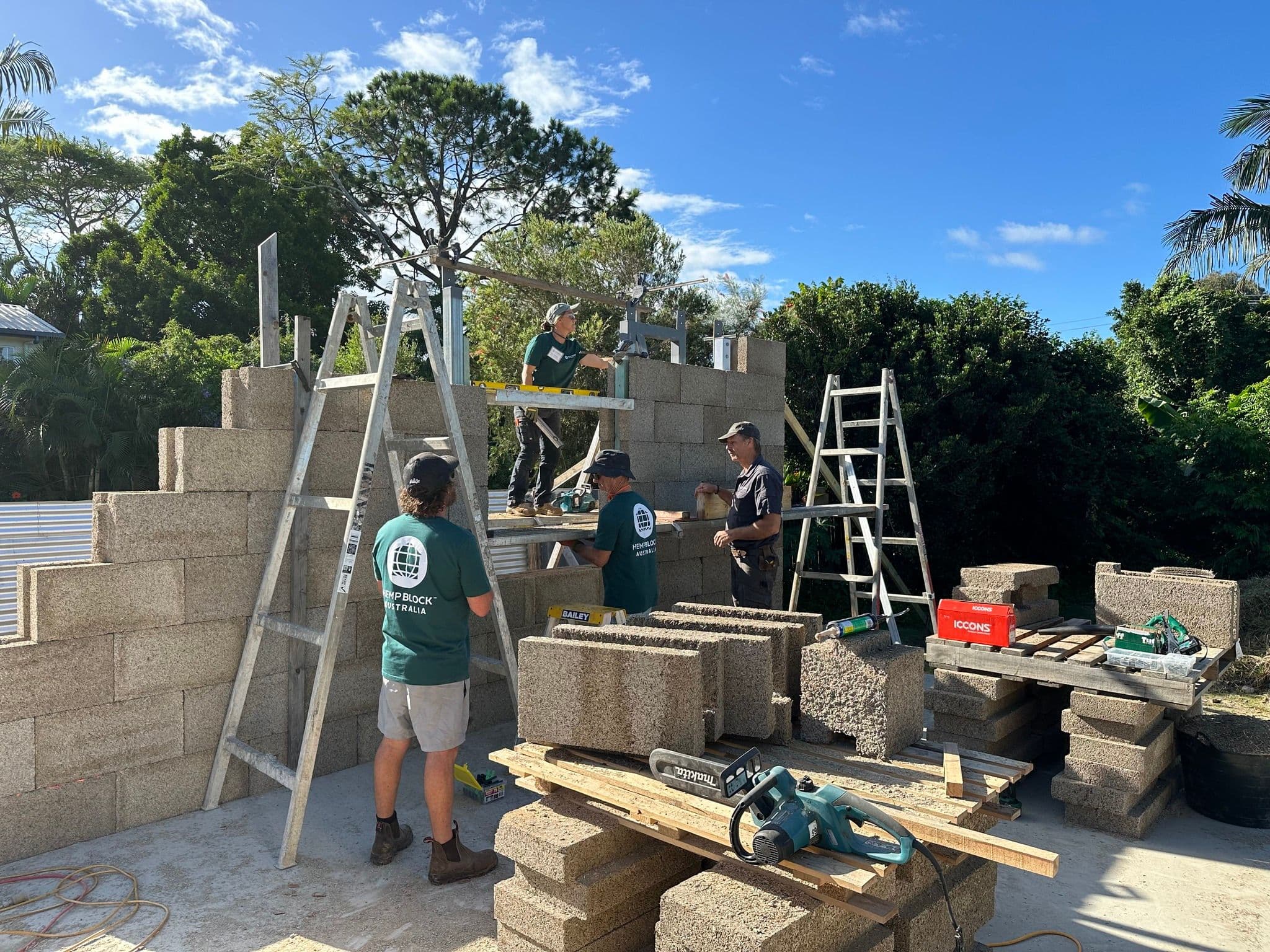
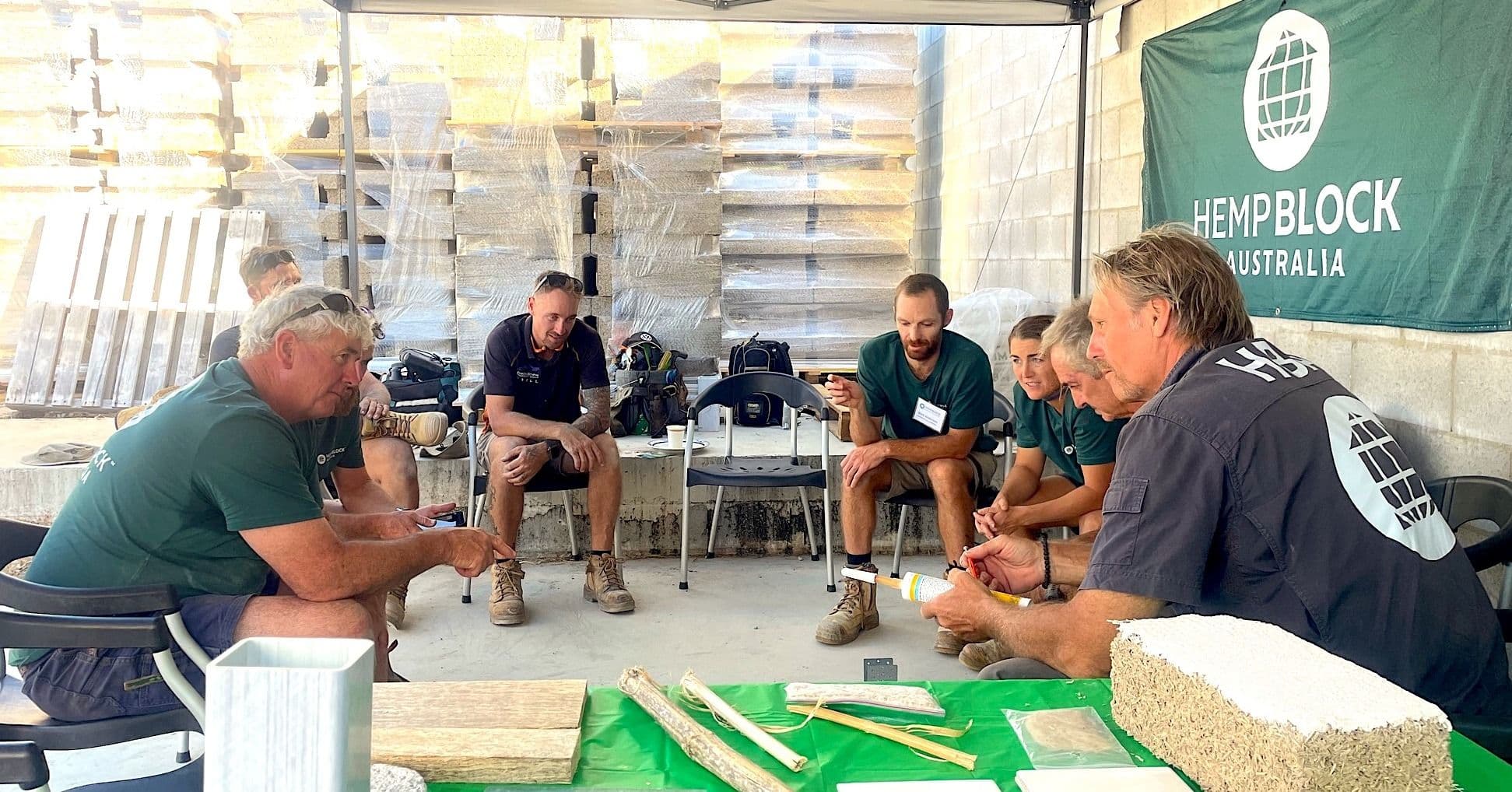
Builders, at first skeptical, adapt when demand becomes unavoidable. To make the transition easier, HempBlock International created training programs and certifications for builders worldwide. “We tell clients: if your builder doesn’t know hemp, send them to us. We’ll train them.”
By lowering barriers to adoption, Tijssen has helped move hemp from niche to mainstream. What once required experimental builders can now be executed by any trained carpenter and mason.
The Urgency of Now
If hemp construction once sounded utopian, today it sounds necessary. The housing crisis is deepening, energy costs are volatile, and climate regulations are tightening. Hemp offers a material solution that intersects all three pressures.
“We’ve been fooled into thinking heating and cooling bills are inevitable,” Tijssen says. “They’re not.”
Momentum is accelerating. With patents, certifications, and factories on multiple continents, HempBlock International is scaling not as a boutique experiment but as an industrial solution. In Tijssen’s telling, this is no longer about hemp enthusiasts. It’s about governments, developers, and families making rational decisions in an age of constraints.