How do you view fashion design from an anthropology point of view?
Clothing serves as our way of existing in the world, representing a universal human practice. It allows us to adapt to our environment and survive in various ecosystems. Even if we didn't require clothing for protection against inclement weather, we have shaped our presence to navigate the "social ecosystem" and utilise our clothed bodies as a means of communication.
It is crucial to recognise that both the act of dressing and the technology behind clothing production are universal human practices. However, at a certain point in history, a large segment of the population has been constrained to engage with clothing primarily through consumption.
The modern fashion industry, as we know it today, has a relatively short history of around 100 years. Despite its brevity in the grand scope of human history, it has already produced catastrophic effects on social and environmental levels. However, when it comes to collaborative and social projects related to textiles and fashion, we can tap into a rich social heritage that makes these endeavours relatively feasible.
In what ways does your research and practice address social activism and counterculture fashion?
Social practices, including social activism, can influence clothing habits and production methods. They can facilitate the exchange of knowledge and support economies associated with the movement.
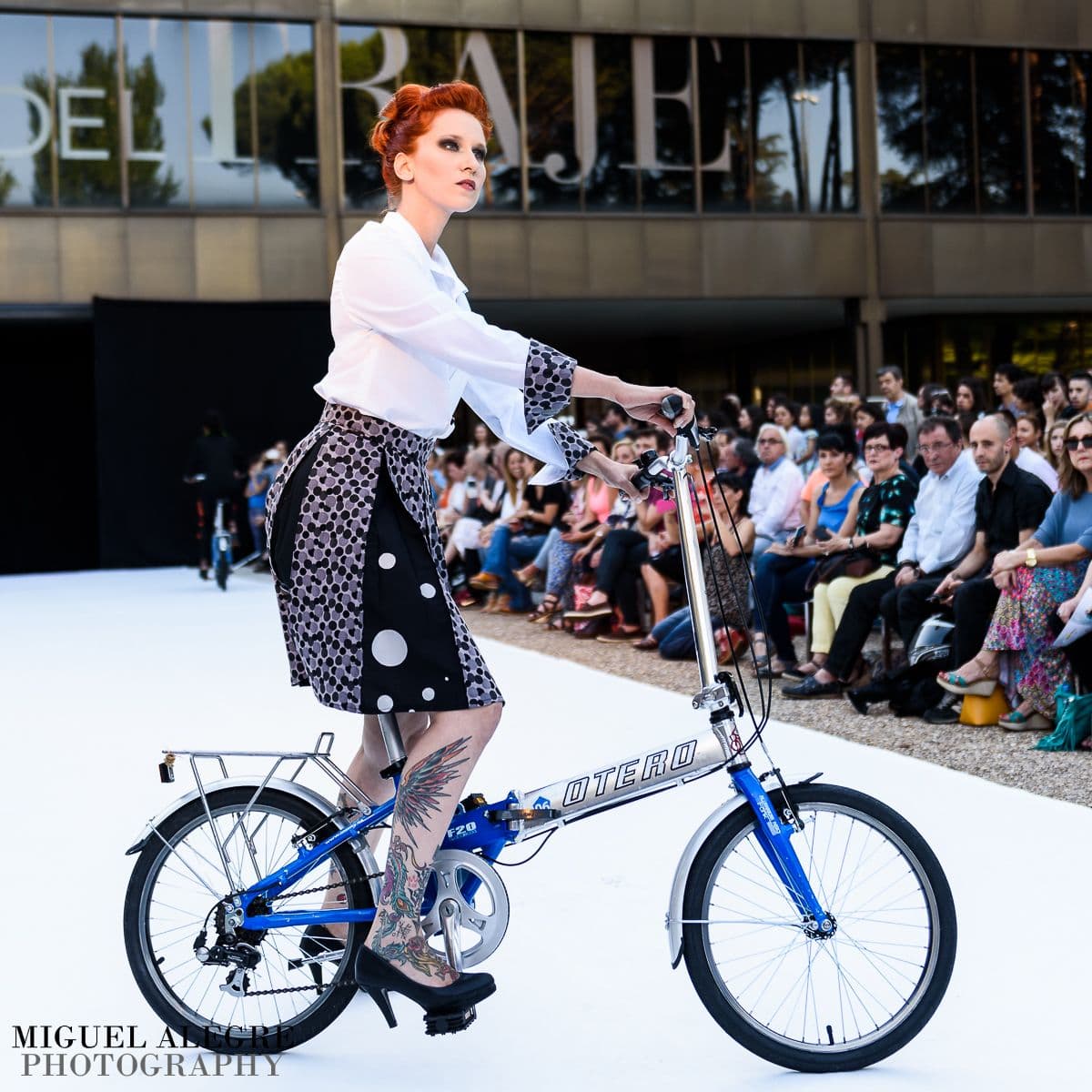
One of my projects engaging anthropology and textile technology is "Ciclocostura". This emerged from my involvement as an urban cycling activist, advocating for the bicycle as a social practice that transforms the urban environment.
Ciclocostura was an open workshop and prototyping laboratory where we explored upcycling techniques to enhance clothing for urban cycling. We also aimed to adapt textiles and accessories to improve the bicycle's functionality in the urban context.
These adaptations included designing prints, utilising reflective materials, modifying garments such as skirts and pants, creating waterproof accessories for bicycles, and developing hydration accessories, among others.
These activities had a positive impact on the growing community of urban cyclists and generated more affinity with the bicycle, generating an understanding between the exposed body of the cyclists, their bicycle and the urban mobility environment. Thus we were invited to fairs, catwalks, markets and other bicycle events and the project was replicated in other cities.
Can you share insights into your research projects focused on urban design, citizen participation, and social movements?
The urban environment cannot be separated from its citizens and how they interact with and interpret the space, whether it is for movement, inhabitation, or imagination.
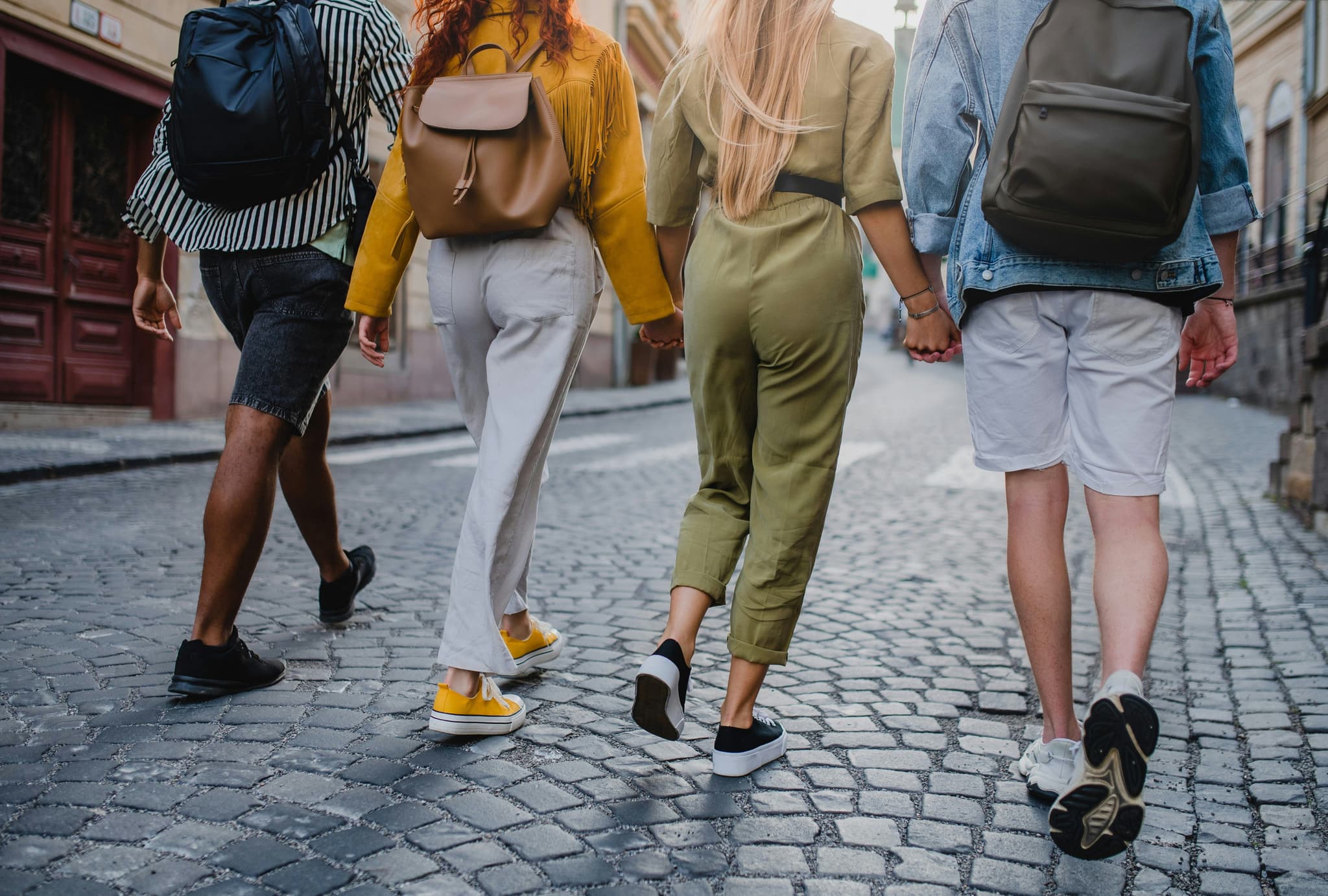
In 2016, I initiated "Cosiendo Tetuán", a design project for a fashion collection conducted in the Madrid neighbourhood of Tetuán. This project aimed to showcase the various urban scenarios in which textiles are intertwined with citizen practices, social inclusion initiatives, and sustainable entrepreneurship endeavours. This undertaking took place in the midst of the intense gentrification of the neighbourhood and in close collaboration with its community networks.
The ultimate objective was to collaboratively create a fashion collection inspired by these encounters. We organised a mobile activity where approximately 20 individuals, divided into small groups, visited different textile projects in Tetuán. The outcomes of these encounters served as the foundation for defining and producing a fashion collection consisting of around 10 outfits, which were subsequently presented in a fashion show.
How is cultural heritage preserved or reinterpreted in other projects you know of?
In recent years, my focus has shifted towards technology and materials, with an emphasis on technological mediation and experimentation. I have been dedicated to developing prototypes of materials, components, and devices that are unconventional in the realm of technological imagination. These prototypes exhibit characteristics such as high biodegradability, easy extractability from any environment, and high reappropriation and replicability.
For instance, I have explored the possibility of creating solar cells based on gelatin or algae derivatives, making batteries from sourdough and other ferments, utilising pieces of wool for humidity sensors, and creating capacitive and proximity sensors using ash and algae. These endeavours aim to present viable options for an alternative electronic technology while encouraging a reevaluation of the historical selection of materials and their properties in the development of electronic technology.
I pay particular attention to questioning the established norms and standards of technology, exploring how they have been historically constructed and examining their connection to the gender gap. In essence, I engage in the process of material and technological deconstruction, influenced by my anthropological training.
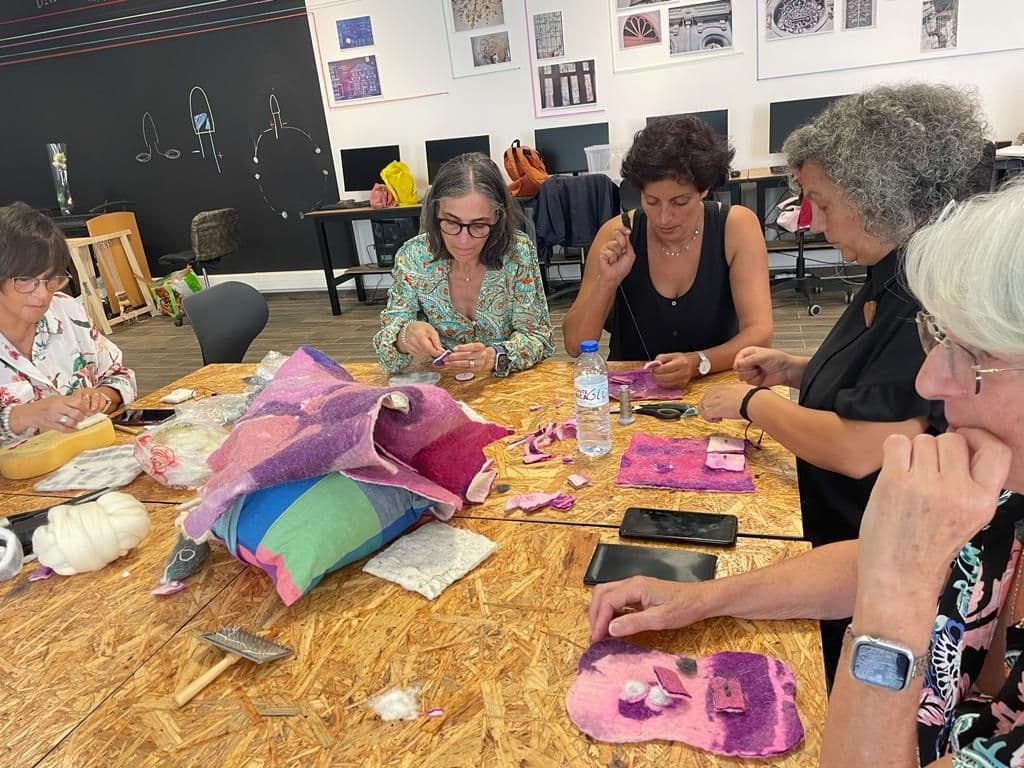
Throughout this journey, I have collaborated with wool artisans to create interactive devices, led innovation laboratories focused on biomaterials and electronics, and openly published recipes for solar cells and bioplastic batteries. These recipes have been tested and improved by groups of students, fostering a collaborative and iterative approach to innovation.