Tocco Report: State of Hempcrete 2030
From niche material to market contender
Hempcrete is entering its moment. Once a fringe eco-experiment, it is now valued at USD 25.8 billion and forecast to reach USD 34.6 billion by 2030. A hectare of hemp sequesters more carbon in four months than most forests manage in a year, and when bound in lime, that carbon is locked into walls.
The material will not replace concrete, but it reshapes how buildings breathe, insulate, and store carbon. Its adoption is driven less by utopian ideals than by policy, energy costs, and regulation. Hempcrete is no longer a curiosity, it is a metric in boardrooms, city halls, and design studios.
This report maps the signals behind that shift and asks whether hempcrete is poised to remain niche, or to become a standard feature of construction in the climate era.
Explore This Report
Start with the Free Version or unlock the Full Report with deeper insights, case studies, and extra content.
- Context and History of Hempcrete
- Industrial Applications of Hempcrete
- Sustainability and Compliance Dimensions
- Challenges and Trade-offs
- Industry Landscape
- Future Outlook and Trends
Materials in focus
Explore the innovative materials shaping the future
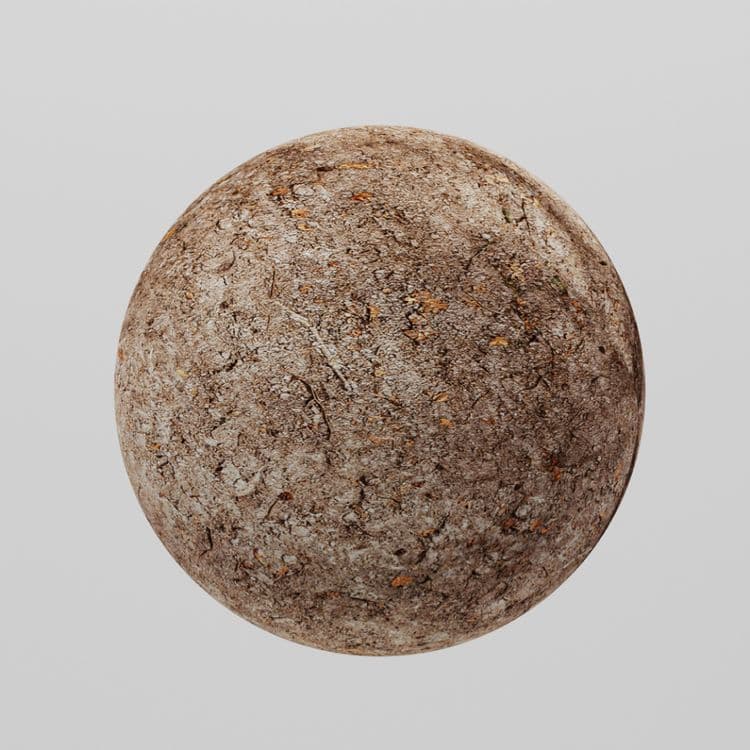
Biodegradable
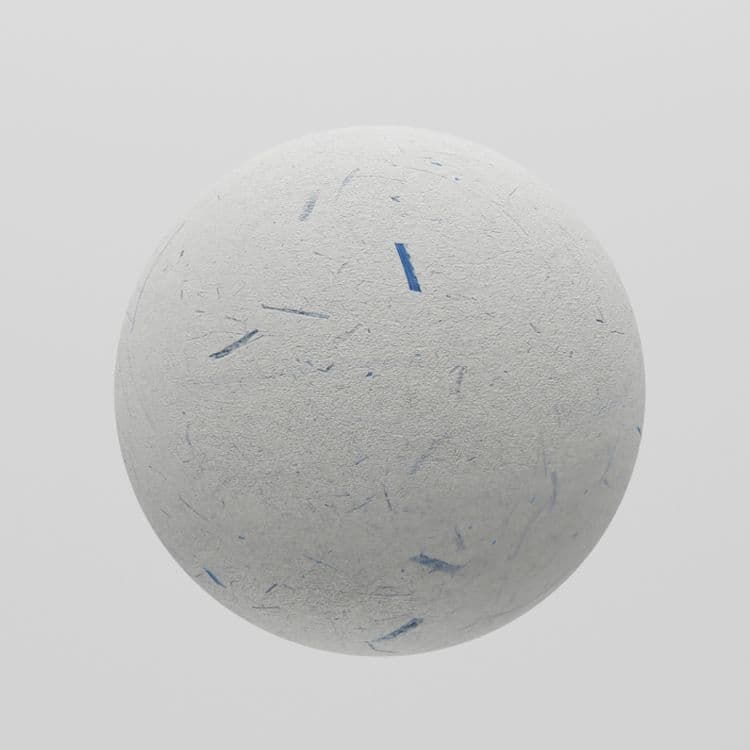
Recycled
Bamboo
Mycelium
Silk
Upcycled
Cotton
Linen

Latex
Bioplastic
Hemp
Leather
Jute
Banana Fibre
Wool
Fur
Sisal
What's inside?
![Dome Boyko [Kyiv, Ukraine]
Built in 2020 by Hempire, this 216 m² three-domed private home showcases hempcrete’s flexibility and insulation. Originally started with polystyrene concrete, the owner switched to hempcrete, achieving strong thermal performance and low heating bills. Its dome form demonstrates hempcrete’s ability to adapt to non-standard shapes while maintaining energy efficiency and durability.](/_next/image?url=https%3A%2F%2Fstorage.googleapis.com%2Ftocco-cms%2Fmedium_Hemp_cms_1_75ddb5e53b%2Fmedium_Hemp_cms_1_75ddb5e53b.png&w=2048&q=75) something
somethingDome Boyko [Kyiv, Ukraine]
Built in 2020 by Hempire, this 216 m² three-domed private home showcases hempcrete’s flexibility and insulation. Originally started with polystyrene concrete, the owner switched to hempcrete, achieving strong thermal performance and low heating bills. Its dome form demonstrates hempcrete’s ability to adapt to non-standard shapes while maintaining energy efficiency and durability.
Other Available Reports
Expand your knowledge with our curated collection of industry-leading insights
Latest Design Stories
Weekly highlights from our community of innovators and pioneers