What inspired the initial idea to develop bio panels, and how has the product evolved from its conception to the current form?
Kineco was founded to harness the untapped potential of the residuals from the production of mushroom leather. The mushroom is grown on a bed of biofibers and mycelium, meaning that the material used for our biopanels is purely the waste material from the making of mushroom leather.
What are the most significant technical challenges you've faced in developing a mycelium-based product that grows within a week? How have you addressed these challenges?
To successfully make a panel, the conventional way is to add glue or other binders. Since our scope is to make panels without adhesives, that has been very challenging.

As a relatively new material in the consumer market, how is Kineco addressing potential hesitations about mycelium-based products among your target audience?
From my perspective, we haven’t experienced lots of misconceptions, as most people are already familiar with mycelium and its advantages as well as disadvantages. Of course, a practicality new biomaterial comes with certain limitations, but Kineco aims to develop its materials as close to the industry standard, meaning we aim to produce our panels as close to mdf as possible so the consumer can process our materials as they’re used to with traditional materials.
Are there any regulatory challenges in marketing a mycelium product, particularly concerning safety and health standards?
Currently, there are no health regulatory challenges at the moment. However, approaching the construction and building industry, which is a very conservative industry, is complicated. That is also why we are focusing on furniture brands and architects at this stage.
Could you provide examples of the most innovative or unexpected uses of Kineco's materials by your customers?
If we were to think really big, in the future we want to be able to grow and develop an entire exterior home from mycelium for someone to live in, together with a great architect like Tadao Ando where the mycelium house would be located in a wide-open field somewhere in Japan.
How is colour incorporated into the mycelium without compromising the material's biodegradability and structural integrity?
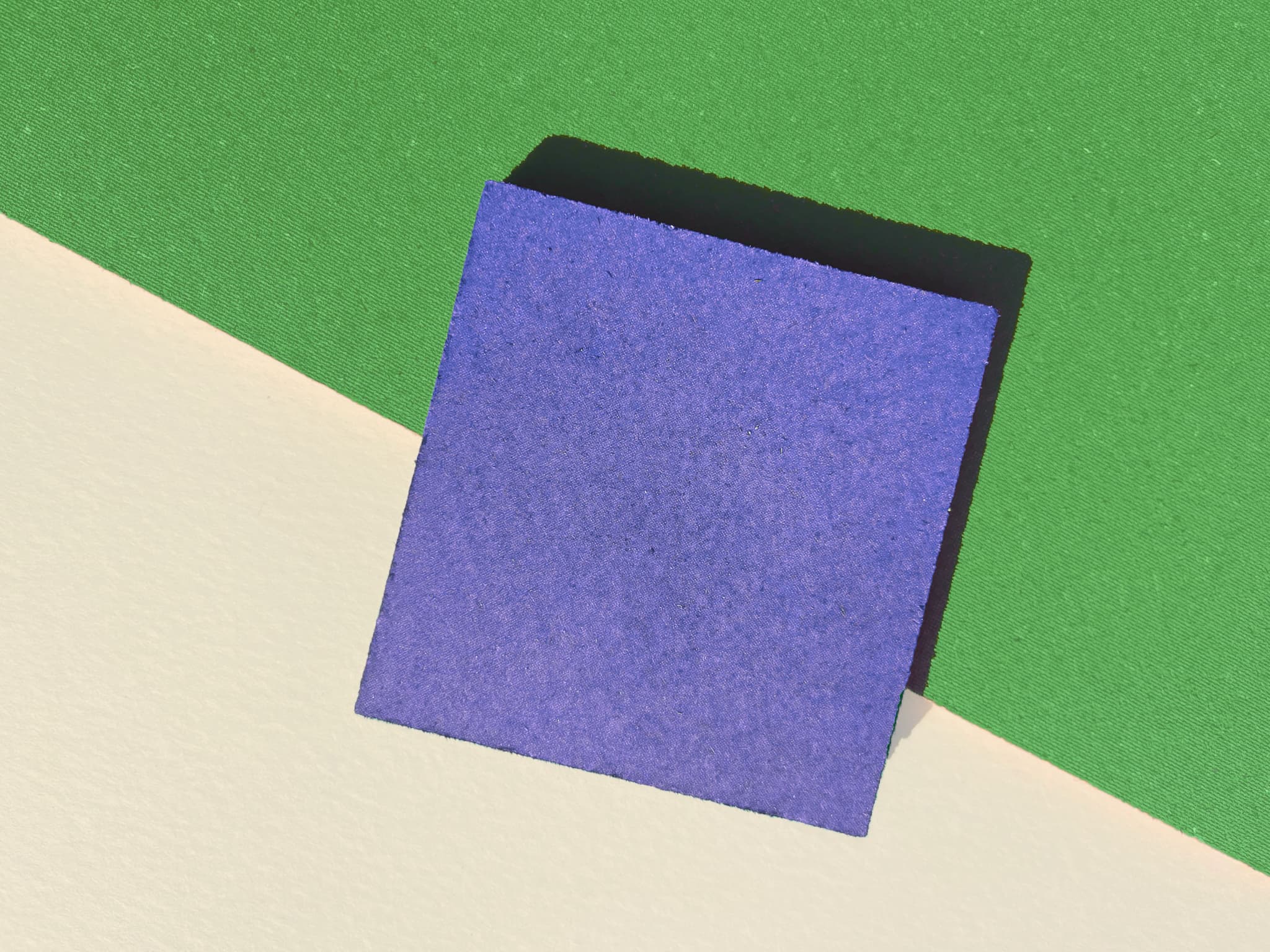
For the panels and coated objects to remain biodegradable, colouring used in agriculture is applied for both spraying and dyeing. The technique was originally used to ensure that seeds are spread evenly in fields. The colour is fully biodegradable and also approved for food production.
What new applications or products are you currently developing with your materials? Are there any particular industries or market segments you are targeting?
We are working with high-end furniture brands to both find new applications but also substitute conventional panel materials to reduce the carbon footprint and improve sustainability scoring in their business.